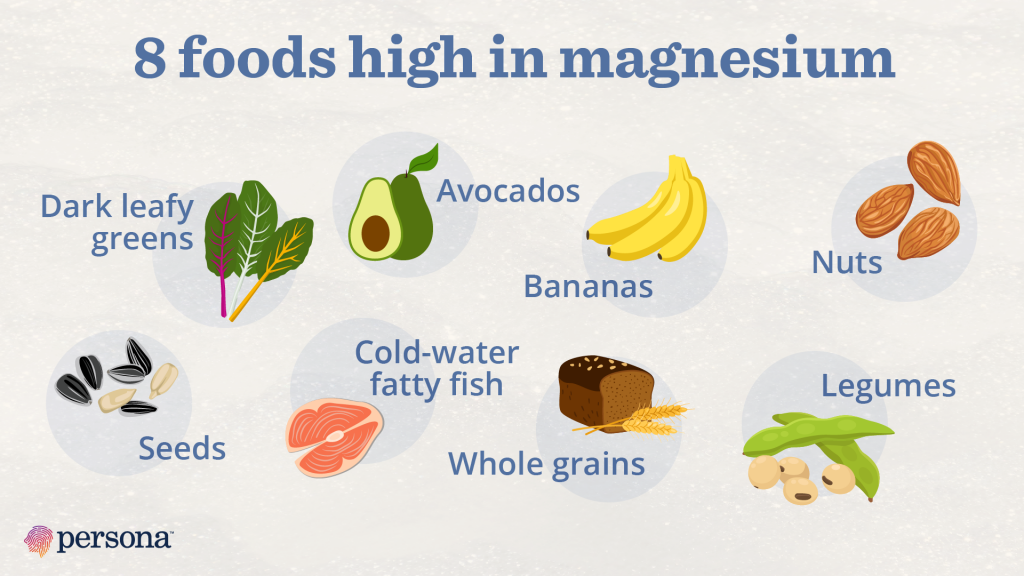
If you’re like me, and like to keep up with the latest health trends, you might have noticed that magnesium has been quite the buzzword of late. And for good reason. Magnesium is an incredibly important nutrient that’s vital to your health—meaning it’s important to get enough in your diet. While it’s found in a wide range of foods, it often comes in tiny amounts, so to help you make sure you’re getting what you need, we’ve gathered up 8 easy options that will give you an especially high dose of the good stuff.
First, what are the health benefits of magnesium?
Magnesium is an essential mineral that plays a major role in functions throughout your body, including more than 300 enzymatic reactions that help with:
converting food into energy*
promoting bone health and calcium absorption*
regulating your heart rate*
healthy muscle contractions*
a healthy immune system*
regulating blood sugar levels*
calming the nervous system*
regulating melatonin*
How much magnesium do you need?
Your recommended daily amount (RDA) will vary based on your age, gender and life stage:
For men: 400-420 mg
For women: 310-320 mg
For pregnant women: 350-400 mg
For breastfeeding women: 310-360 mg
And though magnesium is found in many foods, not all sources are created equal. Here are some of the best:
1. Dark leafy greens
Love them or hate them, there’s no denying that dark leafy greens are superstars when it comes to nutrients. Think: vitamin C, A, iron and magnesium. In fact, a cup of cooked spinach has 157mg of magnesium, which works out to 37-49% of your daily recommended amount (depending on who you are). A cup of cooked kale has 94mg and collard greens 179mg. Want to add leafy greens to your diet? Try sautéing them with garlic and lemon, adding them to a casserole or including them in soup. Delicious.
2. Avocados
If you’re an avid avocado toast fan, good news: breakfast just got even better. Although they’re most often praised for their healthy fats, this creamy fruit (yep, fruit!) also comes with a heaping side of magnesium. With one medium avocado, you can expect about 58mg, which comes to around 14-19% of your daily recommended amount.
Really, what can’t avocados do? Besides perfectly pairing with bread and eggs, avocados work well in smoothies to give them an extra creamy texture, as a dip, in salsa or in salad.
3. Bananas
While it’s well known that bananas are high in potassium, some if their lesser-known benefits include: high levels of vitamin C, vitamin A, fiber and magnesium. A medium-sized banana has roughly 32mg of the mineral. And while everyone’s favorite fruit phone is a great call at any time of the day, they also make a perfect bedtime snack. Since bananas are high in both potassium and magnesium, they induce a sense of calm and encourage your muscles to relax, making for a better night’s rest.
4. Nuts
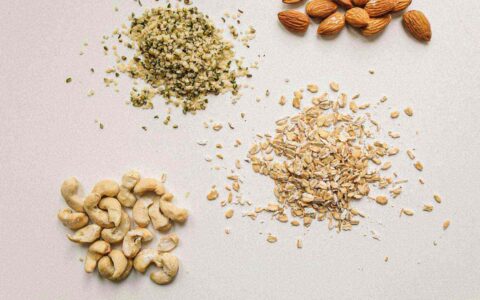
Nutritious as they are tasty, nuts are packed with good-for-you ingredients like magnesium. About a quarter cup (~handful) of almonds offers nearly 80mg, cashews 74mg, and peanuts 50mg for the same amount. On their own or chopped up together, nuts make the perfect topping in salads, yogurt or even dessert!
Prefer a nutty spread? One tablespoon of almond butter gives about 45mg of magnesium, which comes to 11-14% of your daily recommended amount. Tip: smear a tablespoon of almond butter on your banana for that late-night snack; not only do the potassium and magnesium relax your muscles, but nut butters come with tryptophan, an amino acid that increases your melatonin production to help you catch those precious Zs.
5. Seeds
They might be small, but they pack a big punch: Seeds are chock full of healthy fats, fiber and magnesium. In a one-ounce serving, pumpkin seeds give you 150mg, sunflower seeds 96mg and chia seeds 80mg. Like nuts, seeds are good in almost anything. Add them to your salad, granola, cereal or oatmeal!
6. Cold-water fatty fish
There’s no doubt that cold water fatty fish are swimming in health benefits. They’re loaded with omega-3s, vitamin D and magnesium. A 3-ounce serving of cooked salmon has about 26mg while a serving of halibut has 24mg. Aim to include fish in your diet at least twice a week to net all the benefits they have to offer. Try salmon in tacos, broiled in the oven or cooked in the air fryer with lemon pepper for an fast, easy meal.
7. Whole grains
Not only do they make a stellar side dish for any protein, but whole grains are also packed with healthy nutrients including magnesium. One cup of cooked brown rice has 84mg, while a cup of cooked quinoa delivers 118mg. Whole grains are one of the most versatile foods: Try quinoa as a side for your salmon or brown rice in a burrito.
8. Legumes
One of the most underrated superfoods are legumes: They’re a great source of protein, potassium, fiber and magnesium. You’ll do best with cooked black beans, with a single cup delivering an impressive 120mg of magnesium or 29-38% of your recommended daily amount.
Plus, unlike some other superfoods,legumes are extremely affordable. So make some chili, add them to soup, toss them in salad or serve them as a side seasoned with your favorite herbs.
Gabby is a Nutritionist with a master’s degree in strategic communications. She loves using her nutrition-fluency with storytelling to encourage positive change. Before Persona, she worked at a mental health clinic helping clients manage stress, anxiety and other mental health issues through diet.
*These statements have not been evaluated by the Food and Drug Administration. This product is not intended to diagnose, treat, cure, or prevent any disease.
This information is not intended as a substitute for the advice provided by your physician or other healthcare professional, or any information contained on or in any product label or packaging. Do not use the information from this article for diagnosing or treating a health problem or disease, or prescribing medication or other treatment. Always speak with your physician or other healthcare professional before taking any medication or nutritional, herbal, or homeopathic supplement, or using any treatment for a health problem. If you have or suspect that you have a medical problem, contact your health care provider promptly. Do not disregard professional medical advice or delay in seeking professional advice because of something you have read in this article.
Heart Health After 40: Tips for Women and Men Turning 40 does not mean your heart health has to decline. It does mean that paying closer attention to your cardiovascular health becomes increasingly important. As we age, certain
Rebalance Your Life: Sometimes Less Is Exactly What You Need Rebalance Your Life Through Simplifying Have you ever looked at your routine and wondered why you still feel overwhelmed, even when you are doing your best to take care
Nasal Breathing Benefits for Better Health Breathing is something we do more than 20,000 times every day, without thinking about. The way we breathe can influence how our body responds to stress, movement, and everyday demands.


 Account Login