
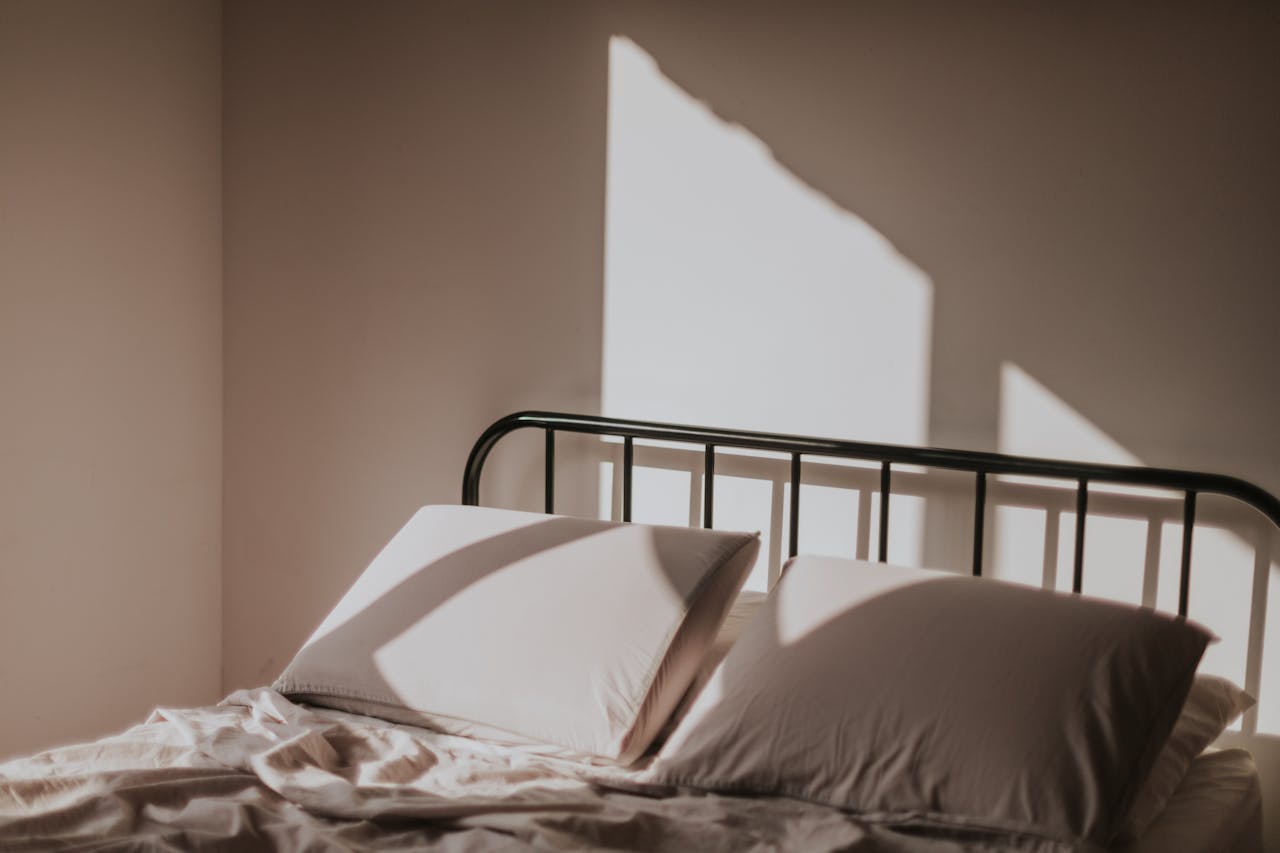
Better Sleep After 40: Hacks for Recovery & Longevity
As we age, sleep doesn’t come as easily or deeply as it once did. If you’ve crossed 40 and find yourself tossing and turning, waking up tired, or relying on caffeine to get through the day, you’re not alone. The good news? With the right sleep tips, you can restore high-quality rest, support recovery, and promote long-term health and longevity.
Let’s explore how your body changes with age and the practical strategies you can use to sleep better naturally.
Why Sleep Gets Harder After 40
Several biological shifts affect sleep quality as we age:
- Circadian rhythm changes: Your internal clock may shift, making you feel sleepy earlier and wake up earlier.
- Reduced melatonin production: The hormone that regulates sleep declines with age.
- Increased stress and responsibilities: Career, family, and health concerns can disrupt sleep patterns.
- Lighter sleep cycles: You spend less time in deep, restorative sleep.
Understanding these changes is the first step toward improving your rest.
1. Reset Your Circadian Rhythm
Your circadian rhythm controls when you feel alert and when you feel sleepy. Aligning it properly is essential for better sleep.
How to optimize it:
- Get morning sunlight within 30–60 minutes of waking
- Keep a consistent sleep schedule, even on weekends
- Avoid bright screens at least 1 hour before bed
- Dim lights in the evening to signal your brain it’s time to wind down
These simple sleep tips help train your body to sleep more efficiently.
2. Prioritize a Wind-Down Routine
You can’t expect your brain to go from full speed to sleep mode instantly. A calming routine helps ease the transition.
Try this:
- Read a book (not on a bright screen)
- Take a warm shower or bath
- Practice deep breathing or meditation
- Listen to calming music or white noise
Consistency here is key. Your brain will start associating these habits with sleep.
3. Use Natural Sleep Aids the Smart Way
Natural sleep aids can help you fall asleep, but should support, not replace, healthy habits.
Options to consider:
- Magnesium (supports muscle relaxation)
- Herbal teas like chamomile or valerian root
- Melatonin (in small, controlled doses if needed)
Always consult a healthcare professional before adding supplements, especially after 40.
4. Optimize Your Sleep Environment
Your bedroom should be a sanctuary for sleep and recovery.
Ideal conditions:
- Cool temperature (around 60–67°F)
- Blackout curtains to block light
- Minimal noise or use of white noise machines
- Comfortable mattress and pillows
Even small environmental tweaks can significantly improve sleep quality.
5. Watch What You Eat and Drink
Your diet plays a bigger role in sleep than you might think.
Avoid:
- Caffeine after 2 PM
- Heavy meals late at night
- Alcohol close to bedtime
Instead:
- Opt for light evening snacks like yogurt or a banana
- Stay hydrated but reduce fluids before bed to avoid nighttime wakeups
6. Support Recovery Through Movement
Regular exercise improves both sleep quality and overall recovery.
Best practices:
- Aim for at least 30 minutes of movement daily
- Strength training helps maintain muscle and metabolic health
- Avoid intense workouts right before bedtime
Exercise helps regulate your circadian rhythm and promotes deeper sleep cycles.
7. Manage Stress and Mental Load
After 40, stress often becomes a major sleep disruptor.
Helpful strategies:
- Journaling before bed to clear your mind
- Practicing gratitude or reflection
- Setting boundaries with work and technology
A calm mind leads to a calm body and better sleep.
8. Track and Adjust Your Sleep Patterns
You can’t improve what you don’t measure.
Consider:
- Using a sleep tracker or app
- Keeping a sleep journal
- Noting patterns in energy, diet, and stress
This helps you identify what’s working and what’s not.
Final Thoughts
Better sleep after 40 isn’t about quick fixes. It’s about consistency and alignment with your body’s natural rhythms. By following these practical sleep tips, supporting your circadian rhythm, and using natural sleep aids wisely, you can dramatically improve your recovery, energy, and long-term health.
