
Posts

GLP-1s & Nutrition: Avoiding Weight Regain

If you’ve recently experienced weight loss through GLP-1 medications, congratulations on reaching this milestone!   As you probably already know, the journey doesn’t end with weight loss; maintaining your new weight can be a challenge. Here are some essential tips to help you avoid regaining the weight and ensure long-term success: 

Adopt a Sustainable Eating Plan

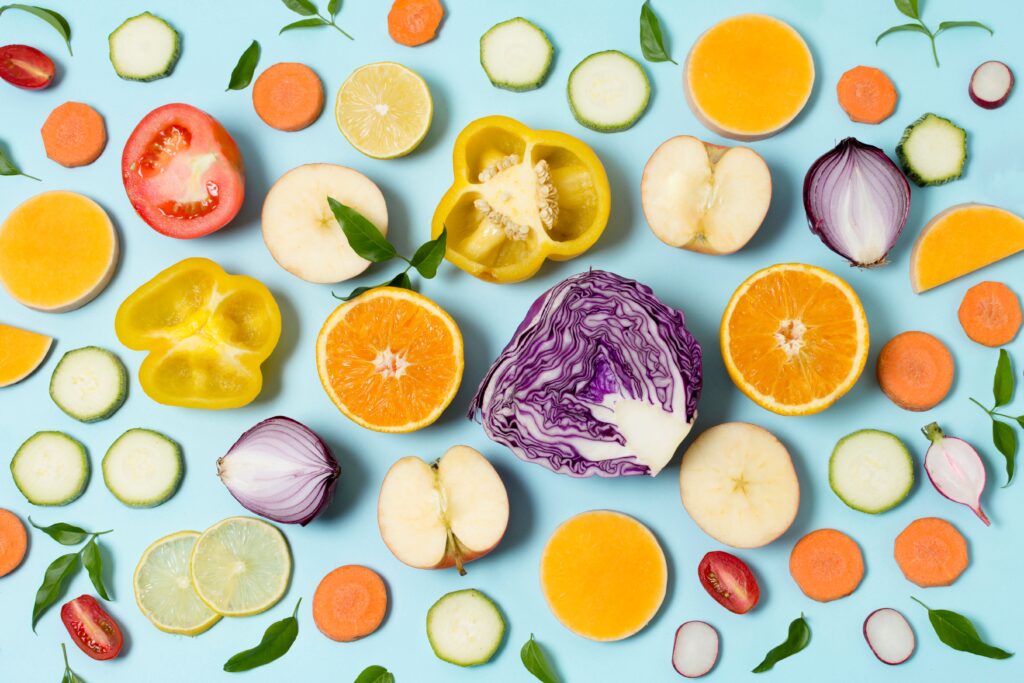
After your initial weight loss, transitioning to a sustainable eating plan is crucial. Focus on a balanced diet rich in whole foods—fruits, vegetables, lean proteins, and whole grains. Avoid extreme calorie restriction or fad diets, which can lead to nutritional deficiencies and unsustainable habits. Instead, aim for moderate, consistent changes that you can maintain in the long term. 

Prioritize Regular Physical Activity

Incorporate regular exercise into your routine to support weight maintenance. Aim for a mix of cardiovascular exercise, strength training, and flexibility workouts. Regular physical activity helps to boost metabolism, build muscle, and prevent weight regain. Find activities you enjoy to make exercise a natural part of your life. 

Monitor Your Weight and Adjust as Needed

Keep track of your weight and other key health metrics regularly. This will help you identify any early signs of weight regain and make necessary adjustments to your diet or exercise routine. Being proactive about monitoring your progress can prevent minor weight fluctuations from becoming significant issues. 

Stay Hydrated and Mindful

Drinking plenty of water is essential for overall health and can help control appetite. Additionally, practicing mindful eating—paying attention to hunger cues, eating slowly, and savoring your food—can prevent overeating and help you maintain your weight. 

Seek Support and Professional Guidance

Maintaining weight loss can be easier with support. Consider working with a dietitian, nutritionist, or a support group to stay motivated and accountable. Professional guidance can provide personalized strategies and help you navigate any challenges you may encounter. 

146

Interested in learning what supplements are right for you? Take our free assessment.

START ASSESSMENT

GLP-1s & Nutrition: Fitness and the Importance of Exercise and Maintaining Lean Muscle Mass

Fitness plays a crucial role in achieving and maintaining weight loss, particularly when using GLP-1 medications. Combine cardio, strength training, and flexibility exercises to support overall health and metabolism. Adjust your routine based on energy levels, stay hydrated, and set achievable goals. Remember to warm up, cool down, and consult professionals as needed. While these medications can help reduce appetite and facilitate weight loss, it’s essential to prioritize exercise and focus on preserving lean muscle mass. Here are some tips for your reference: 


Why Exercise Matters: 

  • Supports Weight Loss: Helps create a calorie deficit and boosts metabolism. 
  • Improves Health: Enhances cardiovascular health, mood, and energy levels. 
  • Preserves Muscle Mass: Prevents muscle loss during weight loss, which is crucial for maintaining metabolism. 


Types of Exercise: 

  • Cardiovascular: Running, cycling, swimming (for calorie burning and heart health). 
  • Strength Training: Weightlifting, bodyweight exercises (for muscle maintenance and growth). 
  • Flexibility and Balance: Yoga, stretching (for overall fitness and injury prevention). 


Maintaining Lean Muscle Mass Why Focus on Muscle Mass: 

  • Boosts Metabolism: Muscle burns more calories at rest compared to fat. 
  • Enhances Strength and Function: Improves daily activities and overall fitness. 


General Fitness Guidelines 

  • Warm-Up and Cool-Down: Always include a warm-up before starting and a cool-down after finishing your workouts to prevent injuries. 
  • Listen to Your Body: Pay attention to how your body responds and adjust accordingly. 
  • Consult Professionals: If unsure about starting an exercise program, consult with a fitness trainer or healthcare provider for personalized advice. 


68

Interested in learning what supplements are right for you? Take our free assessment.

START ASSESSMENT

GLP-1s & Nutrition: General Diet Guidelines to Maximize the Benefits and Enhance Effectiveness of the Drugs


You should follow these diet guidelines while using GLP-1 drugs to maximize the benefits and enhance the effectiveness of the medication.

  • Prioritize High-Fiber Foods

    • Why: Fiber slows digestion and helps regulate blood sugar levels by providing a gradual release of glucose into the bloodstream. It also promotes satiety, which can aid in weight management. 
    • What to Include: Vegetables (like broccoli and carrots), fruits (such as apples and berries), whole grains (like quinoa and oats), and legumes (like beans and lentils). 
  • Maintain Proper Hydration: 

    • Why: Adequate hydration supports metabolic processes, including the breakdown and utilization of nutrients. It also helps maintain kidney function and overall well-being. 
    • How Much: Aim for about 8 cups (2 liters) of water daily, but needs can vary based on individual health, activity level, and climate. 
  • Incorporate Lean Proteins: 

    • Why: Proteins are essential for muscle repair and growth. They also contribute to increased satiety and a steady release of energy, which can help stabilize blood glucose levels. 
    • Sources: Opt for lean meats like chicken and turkey, fish, plant-based proteins like tofu and tempeh, and legumes like chickpeas and black beans. 
  • Regulate Carbohydrate Intake: 

    • Why: Carbohydrates impact blood glucose levels. Choosing complex carbohydrates over simple sugars helps in better glycemic control and avoids spikes in blood sugar. 
    • What to Choose: Whole grains (such as brown rice and whole wheat bread), starchy vegetables (like sweet potatoes), and legumes. 
  • Opt for Low Glycemic Index (GI) Foods: 

    • Why: Foods with a low GI cause a slower rise in blood glucose levels, which is beneficial for glycemic control. This can enhance the effectiveness of GLP-1 medications. 
    • Examples: Non-starchy vegetables, fruits like berries, and whole grains like barley. 
  • Adopt Smaller, Frequent Meals: 

    • Why: Eating smaller, more frequent meals can help manage hunger levels, reduce the risk of overeating, and maintain stable blood glucose levels. 
    • Strategy: Plan for 4-6 smaller meals throughout the day instead of three large ones. 
  • Limit High-Fat and Fried Foods: 

    • Why: Foods high in saturated and trans fats can contribute to insulin resistance and negatively impact metabolic health. 
    • What to Avoid: Fried foods, pastries, and high-fat cuts of meat. 
  • Moderate Alcohol Consumption: 

    • Why: Alcohol can interfere with the action of GLP-1 medications and may cause fluctuations in blood sugar levels. It also contains empty calories that can impact weight management. 
    • Guidance: Limit alcohol intake to moderate levels
59

Interested in learning what supplements are right for you? Take our free assessment.

START ASSESSMENT

The Ultimate Guide to Vitamins and Supplements While on GLP-1 Drugs

Understanding the Role of GLP-1 Drugs 

GLP-1 drugs, such as semaglutide (Ozempic, Wegovy) and liraglutide (Victoza, Saxenda), enhance insulin secretion in response to meals, slow gastric emptying, and promote satiety. These effects can be beneficial for glycemic control and weight management but might also lead to reduced food intake, potentially affecting your nutrient absorption. 

Key Nutrients to Monitor 

Vitamin B12 

GLP-1 drugs can slow gastric emptying, which might affect the absorption of vitamin B12, particularly in individuals with pre-existing deficiencies or those on long-term therapy. B12 is vital for red blood cell formation, neurological function, and DNA synthesis. Low levels can lead to anemia, fatigue, and neurological issues. 

Recommendation: Consider supplementing with 500-1000 mcg of B12, especially if you’re on long-term GLP-1 therapy. Foods rich in B12 include meat, fish, eggs, and dairy products. 

Folate (Vitamin B9) 

Folate is essential for DNA synthesis and cell division. It’s particularly important for women of childbearing age, as it helps prevent neural tube defects in the developing fetus. Since folate absorption can be compromised by gastrointestinal changes, supplementation may be necessary. 

Recommendation: Aim for 400-800 mcg daily, through diet or supplements. Leafy greens, legumes, and fortified cereals are good dietary sources. 

Vitamin D 

Vitamin D is critical for bone health, immune function, and mood regulation. Weight loss, often associated with GLP-1 drugs, can sometimes lead to changes in vitamin D levels. Given that many people are already deficient in vitamin D, it’s important to monitor and supplement as needed. 

Recommendation: A daily dose of 1000-2000 IU of vitamin D3 is typically recommended, but it’s best to check your levels with a healthcare provider. Sun exposure and foods like fatty fish, fortified dairy, and egg yolks can help maintain levels. 

Calcium 

Calcium works hand in hand with vitamin D to support bone health. Since GLP-1 drugs can affect appetite, ensuring adequate calcium intake is crucial, especially if your dietary intake decreases. 

Recommendation: Adults generally need 1000-1200 mg of calcium daily. If you’re not getting enough from food sources like dairy, leafy greens, and fortified products, consider a supplement.

3 Other Supplements to Consider

Omega-3 Fatty Acids 

Omega-3s are essential fats that play a role in heart health, inflammation, and brain function. While GLP-1 drugs do not directly impact omega-3 levels, ensuring adequate intake is crucial, especially if your diet becomes more restricted. 

Recommendation: Consider taking 1000 mg of EPA and DHA from fish oil supplements if you don’t consume fatty fish (like salmon or mackerel) regularly. 

Magnesium 

Magnesium is involved in over 300 biochemical reactions in the body, including muscle function, nerve transmission, and blood glucose control. Reduced food intake might lower your magnesium levels. 

Recommendation: Aim for 310-420 mg daily, depending on age and gender. Magnesium-rich foods include nuts, seeds, whole grains, and leafy greens. 

Probiotics 

Given that GLP-1 drugs slow gastric emptying and can affect gut motility, maintaining a healthy gut microbiome is important. Probiotics can support digestion and overall gut health. 

Recommendation: A daily probiotic supplement or consuming fermented foods like yogurt, kefir, sauerkraut, and kimchi can help maintain gut health. 

Before adding any new vitamins or supplements to your routine, it’s crucial to consult with your healthcare provider. They can assess your individual needs, monitor potential interactions with your GLP-1 medication, and adjust dosages accordingly. 

55

Interested in learning what supplements are right for you? Take our free assessment.

START ASSESSMENT

GLP-1s & Nutrition: Nutritional Deficiencies on GLP-1s

Taking GLP-1 medications can lead to nutritional deficiencies.  Less food intake means less nutrient intake. On top of it, common side effects such as nausea, vomiting, and diarrhea, can further deplete nutrient reserves.  Even borderline nutrient deficiencies could cause symptoms like fatigue, poor concentration, irritability, dry skin, and frequent infections.  So how can you prevent deficiencies? 

Focus on Nutrient-Dense Foods 

When you eat, make it count.   Get the most bang for your buck with nutrient dense foods  including lean proteins, whole grains, fruits, vegetables, and healthy fats. 

Small, frequent meals and stick to a schedule 

You may not be hungry, but don’t skip meals.  Instead, schedule small, frequent nutrient-dense meals into your schedule. 

Take a Multivitamin 

Cover a lot of nutritional ground with a multivitamin to give yourself a good nutritional insurance policy against deficiencies 

Additional supplementation  

Studies have shown that many people with obesity have inadequate intake of iron, calcium, vitamin D, magnesium, zinc, copper, folate and vitamins A and B12.  That combined with  the reduced food intake on GLP-1’s, means supplementation may be necessary. 

0

Interested in learning what supplements are right for you? Take our free assessment.

START ASSESSMENT

GLP-1s & Nutrition: Foods that Increase GLP-1 Levels

What Foods Increase GLP-1 Levels?  

Certain foods can naturally trigger the release of GLP-1, enhancing the effect and maximizing the benefits of the medication.   

Eggs 

Eggs are a rich source of protein and monounsaturated fats, which can trigger the release of GLP-1 and other hormones that help you feel full.   Egg whites may be particularly beneficial for GLP-1 secretion.  

Nuts

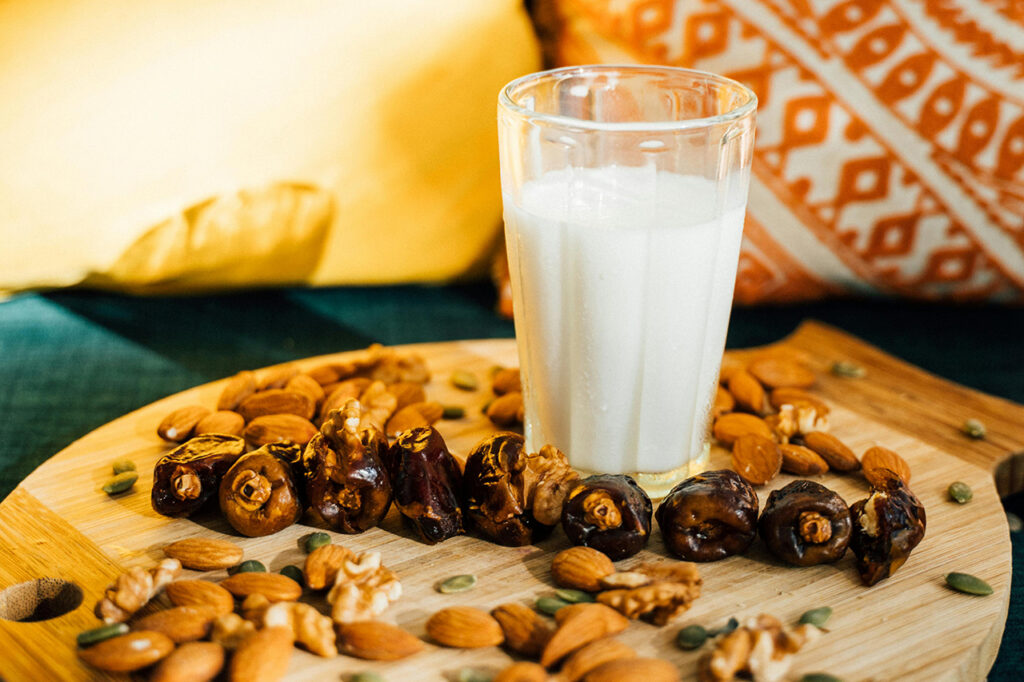
Rich in protein, fiber and healthy fats, nuts such as almonds, walnuts and pistachios may naturally increase GLP-1 

Healthy fats

Avocados, nuts, and olive oil are rich in monounsaturated and polyunsaturated fats, which stimulate the release of GLP-1. They’re also important for brain health and hormone production. 

High Fiber Grains 

Oats, barley, quinoa and whole wheat are high in fiber, which can help improve digestion and regulate blood sugar levels. They also provide a steady source of energy. 

Leafy Greens/Vegetables  

Leafy greens, such as spinach, kale, and Swiss chard and vegetables such as Brussels sprouts, broccoli, and carrots are high in fiber and vitamins, which can help regulate blood sugar levels and potentially affect GLP-1 levels. 

Berries 

Berries, such as blueberries and strawberries, are rich in antioxidants, which can help lower inflammation and improve overall health. They’re also low in sugar compared to other fruits. 

Legumes

Legumes, including beans, lentils, and chickpeas, are high in fiber and protein, which can help regulate blood sugar levels and promote digestive health. 

References:

Hira, T., Trakooncharoenvit, A., Taguchi, H., & Hara, H. (2021b). Improvement of glucose tolerance by food factors having glucagon-like peptide-1 releasing activity. International Journal of Molecular Sciences, 22(12), 6623. https://doi.org/10.3390/ijms22126623  

Santos-Hernández, M., Amigo, L., & Recio, I. (2020). Induction of CCK and GLP-1 release in enteroendocrine cells by egg white peptides generated during gastrointestinal digestion. Food Chemistry, 329, 127188. https://doi.org/10.1016/j.foodchem.2020.127188  

Zhu, L., Huang, Y., Edirisinghe, I., Park, E., & Burton-Freeman, B. (2019). Using the avocado to test the satiety effects of a fat-fiber combination in place of carbohydrate energy in a breakfast meal in overweight and obese men and women: A randomized clinical trial. Nutrients, 11(5), 952. https://doi.org/10.3390/nu11050952  

0

Interested in learning what supplements are right for you? Take our free assessment.

START ASSESSMENT

GLP-1s & Nutrition: What To Eat

Following a healthy diet while taking GLP-1’s will help maximize the benefits and enhance the effectiveness of the drugs.   It can also help maintain lean muscle, protect your bones, prevent nutritional deficiencies and set you up for long-term success!

Choose Nutrient-Dense Foods

Since your appetite will be reduced, it’s important to choose nutrient dense foods! Focus on whole, unprocessed foods including vegetables, fruits, whole grains, lean protein, nuts and legumes, healthy fats

Eat small, frequent meals

Healthy snacks between meals may help (i.e. fruit, nuts, yogurt, etc.)

Keep portion sizes small. (You will get full quickly)

Keep protein front and center

When you lose weight quickly (from medications or any other reason), you lose muscle along with fat. The goal is to keep as much muscle as possible. Good sources of protein:  Eggs, seafood, chicken, turkey, lean cuts of beef (sparingly), cottage cheese, tofu, protein shakes, legumes

Eat first. Drink later

This way you’re not filling up your stomach with liquid and not eating enough.

Avoid skipping meals 

 If you can’t eat an entire meal, split it into two smaller meals eaten a few hours apart.

Eat dinner early

Give your body at least two hours to digest the food before going to bed.

Hydrate

Be sure to get 8-10 cups of water, seltzer, or other unsweetened beverage of your choice each day so you don’t become dehydrated.

0

Interested in learning what supplements are right for you? Take our free assessment.

START ASSESSMENT

GLP-1s & Nutrition: Managing Common Side Effects

GLP-1s can come with side effects. Here are tips from our nutritionist team to handle them:

Nausea: 

  • Why it Occurs: GLP-1 agonists slow down stomach emptying, which can lead to nausea as food remains in the stomach longer. 
  • When it Typically Occurs: Most commonly during the first few weeks of treatment and during dose increases. 
  • How to Handle It 
  • Start with a low dose and gradually increase it. 
  • Eat smaller, more frequent meals. 
  • Avoid high-fat and fried foods. 
  • When to See a Provider: If nausea persists beyond the first month or becomes severe. 


Vomiting: 

  • Why it Occurs: Vomiting can result from nausea and the body’s response to slowed gastric emptying caused by GLP-1 agonists. 
  • When it Typically Occurs: Often in the first few weeks of starting the medication. 
  • How to Handle It 
  • Stay hydrated by sipping water. 
  • Go for for smaller meal portions instead of larger meals. 
  • When to See a Provider: If vomiting is frequent, persistent, or leads to dehydration. 


Diarrhea: 

  • Why it Occurs: GLP-1 agonists can alter gut motility, which may lead to diarrhea. 
  • When it Typically Occurs: Intermittently throughout treatment, more common in the early stages. 
  • How to Handle It 
  • Stay hydrated with water and electrolyte-rich fluids. 
  • Follow a bland diet (BRAT: bananas, rice, applesauce, toast) until symptoms improve. 
  • Avoid dairy products and high-fat foods. 
  • When to See a Provider: If diarrhea persists or severe dehydration occurs. 


Constipation: 

  • Why it Occurs: Slowing of the digestive system can lead to constipation in some people. 
  • When it Typically Occurs: Often noticed after treatment is started. 
  • How to Handle It 
  • Increase fiber intake, including both soluble and insoluble fiber. 
  • Stay hydrated. 
  • Engage in regular physical activity. 
  • When to See a Provider: If constipation lasts over a week or is accompanied by severe abdominal pain. 


Fatigue: 

  • Why it Occurs: Fatigue can occur from dehydration, nutritional deficiencies, or the body’s adjustment to blood sugar effects. 
  • When it Typically Occurs: At any stage of treatment, depending on diet and nutrient intake. 
  • How to Handle It 
  • Eat nutrient-dense foods, avoid skipping meals. 
  • Prioritize sleep and stress management. 
  • When to See a Provider: If fatigue persists or worsens. 


Headaches: 

  • Why it Occurs: Headaches can be triggered by dehydration, blood sugar fluctuations, or stress as your body adapts to the medication. 
  • When it Typically Occurs: Early weeks of treatment or during dose adjustments. 
  • How to Handle It 
  • Stay hydrated. 
  • Monitor your blood sugar levels if advised by your healthcare provider 
  • Consider over-the-counter pain relief if needed, but consult with your provider first. 
  • When to See a Provider: If headaches are severe, persistent, or accompanied by other usual symptoms like vision changes. 


Muscle Loss: 

  • Why it Occurs: Weight loss from GLP-1 agonists can include loss of muscle mass, especially if protein intake and physical activity are inadequate. 
  • When it Typically Occurs: Can start as early as in the first few months of treatment, especially during rapid weight loss phases. 
  • How to Handle It 
  • Engage in strength training exercises to help preserve muscle mass. 
  • Ensure adequate protein intake, focusing on lean protein sources. 
  • Consider discussing with a dietitian or nutritionist to tailor your diet plan. 
  • When to See a Provider: If significant loss of muscle tone or muscle weakness occurs. 


Bone Loss: 

  • Why it Occurs: Rapid weight loss and reduced nutrient intake may contribute to bone density loss. 
  • When it Typically Occurs: more likely to become a concern after several months of treatment, especially if dietary calcium and vitamin D intake are low. 
  • How to Handle It 
  • Increase calcium-rich foods and vitamin D intake. 
  • Engage in weight-bearing exercises to strengthen bone. 
  • When to See a Provider: If you experience bone pain or have a have a history of osteopenia or osteoporosis. 
13

Interested in learning what supplements are right for you? Take our free assessment.

START ASSESSMENT

GLP-1s & Nutrition: Dangers of eating too little

Eating too little while on GLP-1 receptor agonists can pose several risks. While these medications help control appetite, maintaining a balanced diet is crucial for overall health. To mitigate these risks, it’s important to work with your healthcare provider or a registered dietitian to develop a balanced eating plan that complements GLP-1 therapy.  Here are some potential dangers of inadequate calorie intake: 

  • Nutrient Deficiencies: Consuming too few calories may lead to a lack of essential vitamins and minerals, such as vitamin D, calcium, iron, and B vitamins. These nutrients are vital for overall health, including bone strength, immune function, and energy levels. 
  • Muscle Loss: A significant reduction in calorie intake can cause the body to break down muscle tissue for energy, leading to muscle loss. This can negatively impact your metabolism and physical strength. 
  • Slowed Metabolism: Severely restricting calories can slow down your metabolic rate. A lower metabolism can make it more difficult to sustain weight loss and may lead to feelings of fatigue. 
  • Low Energy Levels: Inadequate caloric intake often results in decreased energy, leading to fatigue and weakness that can affect daily activities and overall well-being. 
  • Cognitive Impairments: Insufficient calorie consumption can impact brain function, causing difficulties with concentration, memory, and cognitive performance. 
  • Digestive Issues: Extremely low calorie intake can worsen gastrointestinal problems, such as constipation or nausea, which can be particularly challenging if you’re already experiencing side effects from GLP-1 medications. 
  • Electrolyte Imbalance: A very low calorie diet can disrupt your electrolyte balance, which is crucial for muscle function and heart health. This imbalance may lead to symptoms like dizziness, irregular heartbeat, and muscle cramps. 
  • Mental Health Effects: Restricting food intake can affect your mood, leading to irritability and even depression. A balanced diet is important for maintaining emotional well-being. 
  • Hormonal Disruptions: Insufficient calorie intake can affect hormone levels, including those that regulate hunger, metabolism, and reproductive health. 


4

Interested in learning what supplements are right for you? Take our free assessment.

START ASSESSMENT

GLP-1s & Nutrition: Maintaining Bone Density with GLP-1s

GLP-1 (glucagon-like peptide-1) medications are commonly used to manage blood sugar levels and aid in weight loss. However, it’s important to be mindful of bone health, as weight loss and changes in metabolism may impact bone density. Maintaining bone density is an essential part of overall health, especially when using GLP-1 medications. By focusing on a balanced diet, regular weight-bearing exercise, and avoiding habits that weaken bones, you can support your bone health and reduce the risk of fractures. 

Why Bone Density Matters 

Bone Health: Maintaining bone density is crucial for preventing fractures and osteoporosis, particularly as we age. 

GLP-1 and Bone Density: Some studies suggest that rapid weight loss and certain medications might influence bone health, making it essential to take preventive measures. 

Strategies to Maintain Bone Density 

Balanced Diet

Calcium: Ensure adequate intake of calcium through dairy products, leafy greens, fortified plant-based milk, and nuts. 

Vitamin D: Support calcium absorption with vitamin D from sunlight exposure, fatty fish, and fortified foods. 

Protein: Include enough protein in your diet to support bone health, found in lean meats, beans, and legumes. 

Weight-Bearing Exercise 

Types of Exercise: Engage in weight-bearing activities like walking, jogging, and resistance training to strengthen bones. 

Regular Routine: Aim for at least 30 minutes of weight-bearing exercise most days of the week. 

Avoid Bone-Weakening Habits 

Limit Coffee: Taking coffee together with calcium-containing foods can reduce the calcium absorption by the body. 

Limit Alcohol: Excessive alcohol consumption can weaken bones. 

Avoid Smoking: Smoking is detrimental to bone health and can increase fracture risk. 

Monitor Bone Health 

Regular Check-ups: Discuss bone density monitoring with your healthcare provider, especially if you’re on GLP-1 medications. 

Bone Density Tests: Consider periodic bone density tests to assess bone health and make necessary adjustments. 

Supplement Wisely 

Calcium and Vitamin D Supplements: If you’re unable to meet your needs through diet alone, supplements can help. 

Consult Healthcare Providers: Always check with your healthcare provider before starting any new supplements. 

Consult Your Healthcare Provider 

Personalized Advice: Your healthcare provider can offer tailored advice on managing bone health while using GLP-1 medications. 

Adjustments: They can also help adjust your medication or lifestyle to better support bone density. 

6

Interested in learning what supplements are right for you? Take our free assessment.

START ASSESSMENT

We use cookies to ensure that we give you the
best experience on our website. Learn more.