Posts

Health and Diet Sleep

5 min read

Is a lack of sleep causing your food cravings?

man sleeping next to his laptop

Have you ever noticed that after a night of tossing and turning, you’re reaching for the cookies and chips the next day? For many of us, poor sleep leaves us craving food – especially sugar and fat. Why does this happen, and what can you do about it? Let’s look at the connection between sleep and hunger, and go over some tips to help you rest and avoid those pesky munchies.  

Is there a link between sleep and cravings? 

It’s not your imagination. There is a link, and the longer sleep deprivation lasts, the more intense cravings can get.1 When you’re not getting enough sleep, your body tries to get energy from quick and easy sources like sweets and other high-carb foods. These may give you a short-term fix by briefly raising blood sugar, but they don’t fuel your body for long, so the cravings keep coming back throughout the day.2 

Making matters worse, poor sleep can also cause an imbalance in hormones like ghrelin (which increases appetite) and leptin (which decreases appetite). When these are thrown off, it can increase your food cravings and make it harder to know when you’re full.3 

How can I change my diet to reduce food cravings? 

Eating balanced meals that include complex carbohydrates, healthy fats and protein can help keep your energy levels stable throughout the day. In appropriate portions, these three food types will give you the calories you need to curb hunger, while fats and protein—which are slower to digest—will help you stay fuller longer. For example, a dinner of fish, salad and whole grain rice, or snacking on whole wheat bread and nut butter could be great options.  

How can I improve my sleep to reduce food cravings? 

Of course, getting a good night’s sleep is also really important to keeping your cravings under control. Here are some ways that may help you catch those precious Z’s: 

1) Make your bed 

Making your bed in the morning might be more important than you think. Studies have found a connection between a clean sleep environment and better sleep quality (3,9). It may be hard to believe, but that cluttered room and messy bed may be getting in the way of a good night’s rest. (3,10) 

2) Drink coffee early 

Everyone responds to caffeine differently, but even if you’re able to nod off after a late cup of Joe, you may not be getting deep, restful sleep. Even moderate amounts of caffeine within 6 hours of bedtime can contribute to this problem11. It’s best to get your caffeine early in the day to make sure it’s out of your system by the time you hit the hay!  

3) Power down the electronics 

High energy blue light can inhibit melatonin production and increase your stress hormone production, which can negatively affect sleep quality 12. Turning off your electronics about an hour before bed can help you power down too. 

4) Mindful movement 

Mindful movements such as tai chi, qi gong and yoga can promote restful sleep, according to a number of studies 13. This type of movement helps relieve stress, relax your muscles and tire your body out at the end of your day. Other options include going for a walk, gardening, cleaning and riding your bike.  

5) Keep a cool bedroom 

Studies have found that bedroom temperature can affect sleep quality even more than noise 14. If you’re too warm, it can be harder to fall asleep. Try turning down your bedroom thermostat a little and see if you notice a difference! 

6) Create your bedtime routine 

Habits help us stay consistent with our behaviors after we lose motivation 15. Creating a simple 3-step bedtime routine could help your body recognize that it is time to go to sleep. This routine could be as simple as a face mask, a couple of relaxing stretches and reading a few pages of a book. 

7) Try taking natural sleep supplements  

Alongside healthy habits, certain supplements may also help you rest better at night: 

  • Melatonin is a natural hormone that your body produces at night and reduces during the day. It helps regulate your internal clock , telling your body when it’s time for bed. All kinds of things can disrupt your melatonin cycle, including the blue light from your phone or traveling across time zones. If you’re having trouble unwinding at night, a melatonin supplement may help get your body back on track.*4
  • Herbal Rest includes three ingredients that work together to help you get shuteye: Magnesium helps relax tense muscles and calm your mind before bed. L-theanine, an amino acid found in tea, may affect the levels of serotonin and dopamine to improve mood, sleep and stress.5 And hops flower extract is a traditional remedy used to promote relaxation and sleep.6 The combination of these ingredients can help your body settle down from the day for a better night’s rest.*
  • If you’re not a fan of melatonin but need a little extra help easing a busy mind before bed, the Good Night supplement may be worth trying. It includes valerian root extract that increases the release of your neurotransmitter GABA, which helps quiet and calm your central nervous system.7 It also has sleep-inducing lavender oil and passionflower extract for an added sense of peace and calm.*8 


About Natalie 

Natalie is a nutritionist with a Bachelor’s in Nutrition and Dietetics from the University of North Florida. Natalie believes that proper nutrition doesn’t have to be complicated and is determined to help others reach their health goals. 

Do you have questions on how you may benefit from supplements? Reach out to one of our experts, or take Persona’s free nutrition assessment, and learn exactly what you need to take your wellness to the next level.   

*These statements have not been evaluated by the Food and Drug Administration. This product is not intended to diagnose, treat, cure, or prevent any disease.   

This information is not intended as a substitute for the advice provided by your physician or other healthcare professional, or any information contained on or in any product label or packaging. Do not use the information from this article for diagnosing or treating a health problem or disease, or prescribing medication or other treatment. Always speak with your physician or other healthcare professional before taking any medication or nutritional, herbal, or homeopathic supplement, or using any treatment for a health problem. If you have or suspect that you have a medical problem, contact your health care provider promptly. Do not disregard professional medical advice or delay in seeking professional advice because of something you have read in this article.    

References:

  1. Surabhi BhutaniJames D HowardRachel ReynoldsPhyllis C ZeeJay GottfriedThorsten Kahnt (2019) Olfactory connectivity mediates sleep-dependent food choices in humans eLife 8:e
  2. Yang CL, Schnepp J, Tucker RM. Increased Hunger, Food Cravings, Food Reward, and Portion Size Selection after Sleep Curtailment in Women Without Obesity. Nutrients. 2019;11(3):663. Published 2019 Mar 19. doi:10.3390/nu11030663
  3. Greer SM, Goldstein AN, Walker MP. The impact of sleep deprivation on food desire in the human brain. Nat Commun. 2013;4:2259. doi:10.1038/ncomms3259
  4. Melatonin and sleep. Sleep Foundation. https://www.sleepfoundation.org/melatonin#:~:text=Evidence%20from%20small%20research%20studies,to%20a%20misaligned%20circadian%20rhythm.
  5. Nobre AC, Rao A, Owen GN. L-theanine, a natural constituent in tea, and its effect on mental state. Asia Pac J Clin Nutr. 2008;17 Suppl 1:167-8. PMID: 18296328.
  6. Franco L, Sánchez C, Bravo R, Rodriguez A, Barriga C, Juánez The sedative effects of hops (Humulus lupulus), a component of beer, on the activity/rest rhythm. Acta Physiol Hung. 2012 Jun;99(2):133-9. doi: 10.1556/APhysiol.99.2012.2.6. PMID: 22849837.
  7. Roh, D., Jung, J. H., Yoon, K. H., Lee, C. H., Kang, L. Y., Lee, S.-K., … Kim, D. H. (2019). Valerian extract alters functional brain connectivity: A randomized double-blind placebo-controlled trial. Phytotherapy Research. doi:10.1002/ptr.6286 
  8. Ngan A, Conduit R. A double-blind, placebo-controlled investigation of the effects of Passiflora incarnata (passionflower) herbal tea on subjective sleep quality. Phytother 2011 Aug;25(8):1153-9. doi: 10.1002/ptr.3400. Epub 2011 Feb 3. PMID: 21294203.
  9. Saxbe DE, Repetti R. No place like home: home tours correlate with daily patterns of mood and cortisol. Pers Soc Psychol Bull. 2010 Jan; 36 (1) : 71-81.
  10. Lee KA, Gay CL. Can modifications to the bedroom environment improve the sleep of new parents? Two randomized controlled trials. Res Nurs 2011 Feb; 34 (1):7-19.
  11. Drake C, Roehrs T, Shambroom J, Roth T. Caffeine effects on sleep take 0, 3, or 6 hours before going to bed. J Clin Sleep Med. 2013 Nov 15; 9(11): 1195-200.
  12. Zhi-Chun Zhao, Ying Z, Gang T, Juan L. Research progress about the effects and prevention of blue light on eyes. Int J Ophthalmol. 2018; 11 (12): 1999-2003.
  13. Wang F, Eun-Kyong Lee O, Feng F, Vitiello MV, Wang W, Benson H5, Ficchoione GL, Denninger JW. The effects of meditative movement on sleep quality: A systematic review. Sleep Med Rev. 2016 Dec; 30:43-52.
  14. Libert JP, Bach V, Johnson LC, Ehrhart J, Wittersheim G, Keller D. Relative and combined effects of heat and noise exposure on sleep in humans. Sleep. 1991 Feb; 14 (1): 24-31.
  15. Gardner B, Lally P, Wardle J. Making health habitual: the psychology of ‘habit-formation’ and general practice. Br J Gen Pract. 2012 Dec; 62(605): 664-666.


Find out what supplements are right for you

Take the assessment

What type of magnesium is right for you?

green mug with a blanket

Feeling stressed, fatigued, moody or even backed up? Magnesium might be what you need! It’s a mineral that plays a vital role in processes throughout your body, supporting your muscles, bones, heart and other organs. But despite its importance, many people don’t get enough through their diet.1 Magnesium supplements can be a great way to help fill in the gap, but with so many different types out there, it can be hard to know which might be right for you.

Here are 8 kinds of magnesium—and the different ways they may be able help!

1) Magnesium glycinate: to ease your mind & body

You’ve probably heard of magnesium glycinate; it’s one of the most popular magnesium supplements. This combination of magnesium and glycine, an amino acid, is known to be easily absorbed by your body without upsetting your digestion. It helps promote muscle relaxation and soothe tension, and may help relieve mild mood changes that come with PMS. Need a restful night’s sleep? Magnesium glycinate may help by relaxing your muscles and mind!2

2) Magnesium Citrate: to help you stay regular

Magnesium citrate is one of the most bioavailable forms of magnesium, meaning it’s well-absorbed in your digestive tract. This form—magnesium bound to citric acid—is often used by doctors as a way to clean your stool ahead of surgery or colonoscopies. If you’re getting constipated from time to time, this one may provide some relief—but make sure you check with your healthcare provider first; it can work like a laxative in high doses!3,4

3) Magnesium Lactate: to get your levels up

If you’re low in magnesium, your doctor may recommend magnesium lactate. It’s easy on your digestive system and is usually better tolerated in large doses than other forms.3,4 For this reason, it’s often used to correct magnesium deficiencies. You’ll also find this type in some common fortified foods (think breakfast cereals, dairy products and bread).

4) Magnesium Malate: for mood and energy

Magnesium malate is a compound of magnesium and malic acid found naturally in fruits. If you’re feeling tired, this may be your ticket – it’s thought to help improve mood and energy while having a calming effect.3,4

5) Magnesium Sulfate: for muscle soreness and cramps

Ever used Epsom salt? Then you’ve used magnesium sulfate! If you’re an athlete or tend to get sore muscles, soaking in a warm bath with this compound may give you some relief.3 While there isn’t enough research to prove that your skin actually absorbs magnesium in the bath, some medical professionals still swear by it as a way to help relax your muscles.

6) Magnesium Chloride: for all-around support

If you’re looking for a multi-purpose magnesium supplement, magnesium chloride might be the way to go. It’s an easily absorbed magnesium used to relieve mild heartburn, occasional constipation or muscle cramps.4,5 You can find magnesium chloride in a range of forms like oral supplements, bath salts, lotions/creams and oils.

7) Magnesium Taurate: for heart health

Magnesium plays a key role in supporting your heart. Like all muscles in your body, your heart depends on interactions with calcium and magnesium to contract and relax. Magnesium taurate includes the amino acid taurine, which also promotes heart health. Though more research is needed, this may be the best form to support your ticker.6

8) Magnesium Oxide: for mild heartburn and indigestion

Ever heard of milk of magnesia? This is its fancier scientific name. When combined with water, magnesium oxide turns into magnesium hydroxide, a compound that’s commonly used to pull fluid into the intestines and get things moving—and to reduce feelings of heartburn, indigestion and sour stomach.4

Read next: 8 foods high in magnesium from a nutritionist

About Mackenzie:
Mackenzie is a Nutritionist with a Bachelor of Science in Food, Nutrition, and Dietetics from Illinois State University. Her passion is to help educate others on how to live healthier lives one supplement at a time. 

Do you have questions on how you may benefit from supplements? Reach out to one of our experts, or take Persona’s free nutrition assessment, and learn exactly what you need to take your wellness to the next level. 

*These statements have not been evaluated by the Food and Drug Administration. This product is not intended to diagnose, treat, cure, or prevent any disease. 
This information is not intended as a substitute for the advice provided by your physician or other healthcare professional, or any information contained on or in any product label or packaging. Do not use the information from this article for diagnosing or treating a health problem or disease, or prescribing medication or other treatment. Always speak with your physician or other healthcare professional before taking any medication or nutritional, herbal, or homeopathic supplement, or using any treatment for a health problem. If you have or suspect that you have a medical problem, contact your health care provider promptly. Do not disregard professional medical advice or delay in seeking professional advice because of something you have read in this article. 
 

References:

  1. Office of dietary supplements – magnesium. https://ods.od.nih.gov/factsheets/Magnesium-HealthProfessional/
  2. Razak MA, Begum PS, Viswanath B, Rajagopal S. Multifarious Beneficial Effect of Nonessential Amino Acid, Glycine: A Review. Oxid Med Cell Longev. 2017;2017:1716701. doi: 10.1155/2017/1716701. Epub 2017 Mar 1. Erratum in: Oxid Med Cell Longev. 2022 Feb 23;2022:9857645. PMID: 28337245; PMCID: PMC5350494.
  3. Miller K. 9 Different Types of Magnesium, Plus What They’re Used For. Mbghealth, 2021.
  4. Ates M, Kizildag S, Yuksel O, et al. Dose-dependent absorption profile of different magnesium compounds. Biol Trace Elem Res. 2019;192(2):244-251.
  5. Schuchardt JP, Hahn A. Intestinal Absorption and Factors Influencing Bioavailability of Magnesium-An Update. Curr Nutr Food Sci. 2017 Nov;13(4):260-278. doi: 10.2174/1573401313666170427162740. PMID: 29123461; PMCID: PMC5652077.
  6. Abebe W, Mozaffari MS. Role of taurine in the vasculature: an overview of experimental and human studies. Am J Cardiovasc Dis. 2011;1(3):293-311. Epub 2011 Sep 10. PMID: 22254206; PMCID: PMC3253515.

Find out what supplements are right for you

Take the assessment

Sleep Stress & Mood

5 min read

What is melatonin? An intro from a nutritionist

alarm clock on bed

One sheep, two sheep, three sheep…sound familiar? Some people are lucky enough to fall asleep as soon as their head hits the pillow, but for others, getting quality sleep can be a real challenge. And if you struggle with sleep, you may have considered trying melatonin – but what exactly is it? And how does it help?  

Let’s find out! 

What is melatonin? 

Melatonin is a naturally occurring hormone that your body produces mainly in the pineal gland, right in the center of your brain. It’s known as your sleep hormone because it plays an important role in your body’s circadian rhythm—your natural sleep-wake cycle—helping nudge your body into sleep mode.1    

How does melatonin help? 

Melatonin is often referred to as the ‘hormone of darknessbecause it’s secreted at night. During the day, sunlight deactivates your pineal gland, causing melatonin levels to drop and making you feel energized. In the evening, your pineal gland comes back online, once again making and releasing melatonin, causing levels to slowly rise and making you feel tired. Your melatonin generally peaks in the middle of the night—when you should be sound asleep—and then gradually falls after that.2 

If you find yourself tossing and turning some nights, supplementing with melatonin may help by promoting restful sleep and restoring a healthy sleep schedule. But understand that it works more like a dimmer than an on/off switch; it won’t put you out immediately, but rather tells your body it’s time to get ready for bed. It’s thought to be especially helpful if you travel often and experience jet lag or work night shifts.3  

PRO TIP: Take melatonin at least an hour before settling into bed. This gives your body the time it needs to digest and absorb the supplement, ensuring it’s at the right level in the wee hours of the night! 

Is melatonin safe? 

Melatonin supplements are generally considered safe, as long as you take it in small doses (0.5-3mg) for a short period of time.4 Taking it long-term or at too high a dose may make you dependent and potentially override your body’s natural melatonin production. If you’ve found melatonin helpful for sleep, it’s best to take a break after a month or so. 

Does melatonin have benefits other than sleep? 

This might surprise you: Besides its ability to help regulate your body’s internal clock, melatonin is also a potent antioxidant that fights harmful free radicals and promotes a healthy inflammatory response. This can be good for your immune system and even your eye health!2,5  

Is melatonin found in food? 

We usually think about melatonin as a supplement, but it can also be found in your pantry! Some good food sources include: Tart cherries, goji berries, eggs, milk, nuts and fish.3 These won’t necessarily make you sleepy, but they can help support your body’s melatonin production. 


About Briana 

Briana is a Nutritionist with a degree in Nutritional Sciences from Mansfield University of Pennsylvania. She has a passion for educating others about the importance of Nutrition, and the power of a progressive relationship with diet and wellness.  

Do you have questions on how you may benefit from supplements? Reach out to one of our experts, or take Persona’s free nutrition assessment, and learn exactly what you need to take your wellness to the next level.  


*These statements have not been evaluated by the Food and Drug Administration. This product is not intended to diagnose, treat, cure, or prevent any disease.  
This information is not intended as a substitute for the advice provided by your physician or other healthcare professional, or any information contained on or in any product label or packaging. Do not use the information from this article for diagnosing or treating a health problem or disease, or prescribing medication or other treatment. Always speak with your physician or other healthcare professional before taking any medication or nutritional, herbal, or homeopathic supplement, or using any treatment for a health problem. If you have or suspect that you have a medical problem, contact your health care provider promptly. Do not disregard professional medical advice or delay in seeking professional advice because of something you have read in this article.  

References:

  1. Reiter RJ, Tan DX, Galano A. Melatonin: exceeding expectations. Physiology. 2014;29(5):325-333.https://journals.physiology.org/doi/full/10.1152/physiol.00011.2014?view=long&pmid=25180262
  2. Pandi-Perumal SR, Srinivasan V, Maestroni GJM, Cardinali DP, Poeggeler B, Hardeland R. Melatonin.: Nature’s most versatile biological signal? FEBS Journal. 2006;273(13):2813-2838. https://febs.onlinelibrary.wiley.com/doi/full/10.1111/j.1742-4658.2006.05322.x
  3. Melatonin: what you need to know. NCCIH. https://www.nccih.nih.gov/health/melatonin-what-you-need-to-know
  4. Hack LM, Lockley SW, Arendt J, Skene DJ. The effects of low-dose 0.5-mg melatonin on the free-running circadian rhythms of blind subjects. J Biol Rhythms. 2003 Oct;18(5):420-9. doi: 10.1177/0748730403256796. PMID: 14582858.
  5. Contributors WE. Foods high in melatonin. WebMD. https://www.webmd.com/diet/foods-high-in-melatonin
  6. Li L, Gang X, Wang J, Gong X. Role of melatonin in respiratory diseases (Review). Experimental and Therapeutic Medicine. 2022;23(4):1-9. https://www.spandidos-publications.com/10.3892/etm.2022.11197

Find out what supplements are right for you

Take the assessment

Nutrients that work better together

bowl of oranges and nuts

Every Batman has his Robin, every dog has its bone, and every sundae has its cherry. Some of your favorite things only achieve greatness when they’re combined—and that goes for nutrients too. While many popular supplements work well by themselves, some only reach their full potential when they’re paired with others. Knowing these combos can make a difference to your health. So, grab your peanut butter and jelly sandwich and get ready for a deep dive into some dynamic nutrient duos. 

Calcium & Vitamin D 

Calcium is the most abundant mineral in your body (it’s a major part of your skeleton!). But it isn’t only essential for bone health; it also keeps your muscles and nerves working properly. To stay healthy, you need to get plenty of calcium in your diet—but that’s not as easy as it sounds. While calcium is prevalent in foods like spinach, kale, dairy and some fortified in plant-based milks, your body can’t make full use of it without an important little helper: Vitamin D.  

This is because Vitamin D helps convert calcium to a more active form that your body can more easily absorb.1 If you’re low on Vitamin D, you may be low on calcium too—even if you’re getting it in your diet. It’s a little like lifting weights with the wrong form: Your muscles feel like they’re being worked, but they aren’t being properly exercised. It’s only when you combine calcium and Vitamin D that these nutrients work at their full potential. 

So how do you make sure you get enough Vitamin D? The best source is the sun. About 20 minutes daily is sufficient in most regions (don’t forget your spf!). But if you can’t commit to spending that amount of time baking outdoors, look for foods fortified with Vitamin D like milk and juices (remember the juice Sunny D? It’s call that for good reason!) Strong bones for the win! 

Iron & Vitamin C 

Iron is essential to the production of hemoglobin, that famous red protein that carries oxygen to your cells so they can do their daily work. Not surprisingly, if you’re low on iron, you may feel low on energy. For meat eaters, getting enough is generally pretty simple, since dark meats are packed with an easy-to-use form of the mineral known as heme iron. Keep eating your steak, and you’re good to go. 

For vegetarians, it’s not so simple. While iron can be found in green leafy vegetables like spinach, it comes in a less usable form called non-heme iron, which is harder for your body to absorb. Think of it like having a bowl of cereal with only half the milk; yes, there’s some benefit, but it only does half the job. The good news for the leaf eaters of the world? There’s a solution: Vitamin C. 

Vitamin C is non-heme iron’s BFF, helping your body convert it to a more absorbable form that can be used to its full potential. So next time you’re having a spinach salad or throwing spinach in a smoothie, think of adding a source of Vitamin C like citrus to get the full benefit! 

Turmeric & Black Pepper 

Turmeric is a vibrant orange root that’s commonly used both in cooking and as a supplement. It’s a rich source of the polyphenol curcumin, which helps maintain the health of your cells.2 While this famous spice is certainly beneficial on its own, when it’s combined with black pepper, it becomes a superstar. This is because black pepper contains bioperine, a compound that has been shown to significantly increase the absorption of turmeric, helping to maximize its benefits!3 Next time you decide to use turmeric in a dish, don’t forget to add a sprinkle of black pepper to get the most from your meal. Not a fan? Try a supplement that already contains bioperine as an active ingredient! 

Take home 

Teamwork makes the dream work, right? While many nutrients work well on their own, some can do wonders when combined. Calling in these dynamic duos can help you perform your best!  


About Hayley  

Hayley is a Licensed Registered Dietitian Nutritionist (RDN) with a Bachelor of Science in Dietetics from Florida State University and a Master of Science in Dietetics from the University of Rhode Island. Hayley is dedicated to empowering individuals to achieve their nutritional goals through evidence-based practices. 

Do you have questions on how you may benefit from supplements? Reach out to one of our experts, or take Persona’s free nutrition assessment, and learn exactly what you need to take your wellness to the next level. 


*These statements have not been evaluated by the Food and Drug Administration. This product is not intended to diagnose, treat, cure, or prevent any disease. 
This information is not intended as a substitute for the advice provided by your physician or other healthcare professional, or any information contained on or in any product label or packaging. Do not use the information from this article for diagnosing or treating a health problem or disease, or prescribing medication or other treatment. Always speak with your physician or other healthcare professional before taking any medication or nutritional, herbal, or homeopathic supplement, or using any treatment for a health problem. If you have or suspect that you have a medical problem, contact your health care provider promptly. Do not disregard professional medical advice or delay in seeking professional advice because of something you have read in this article.   

References:

  1. Calcium and vitamin d: important at every age | NIH osteoporosis and related bone diseases national resource center.
  2. Kunnumakkara AB, Bordoloi D, Padmavathi G, Monisha J, Roy NK, Prasad S, Aggarwal BB. Curcumin, the golden nutraceutical: multitargeting for multiple chronic diseases. Br J Pharmacol. 2017 Jun;174(11):1325-1348.
  3. Prasad S, Tyagi AK, Aggarwal BB. Recent developments in delivery, bioavailability, absorption and metabolism of curcumin: the golden pigment from golden spice. Cancer Res Treat. 2014;46(1):2-18.


Find out what supplements are right for you

Take the assessment

Healthy Aging Immunity

5 min read

5 reasons spirulina is a super food

spirulina powder on spoon

When it comes to so-called “super foods” it is hard to know what’s legit and what’s not. A quick google search will turn up hundreds of foods that promise you the world and more. But fear not! We sorted through the options, checked them against peer-reviewed science and found one that actually lives up to (most of) the hype. Super Spirulina! Let’s chat about what it is, and how it might help you stay healthy. 

What is spirulina? 

Spirulina is a dark green alga that grows naturally in mineral-rich alkaline lakes. It’s incredibly rich in nutrients like protein, essential amino acids, minerals, essential fatty acids, vitamins and antioxidants—all things your body needs daily to thrive. Heck, NASA has even used spirulina to support astronauts’ health during space explorations. Who needs space food when you have super-algae ready to go? 

So what prompted the (literal) rocket scientists at NASA to feed spirulina to their best and brightest? A long list of health benefits. Here are just a few: 

1) Ease your allergies 

Spirulina has been shown to inhibit the release of histamine, a chemical produced by your white blood cells when they attack a potential allergen.1 While it’s good that your body is trying to protect you, too much of anything tends to be a problem. Spirulina may help keep this reaction in check and those mild sniffles at bay (although more research is needed). 

2) Support a healthy heart 

Spirulina may help maintain a healthy balance of LDL cholesterol (aka the “bad” cholesterol) and HDL cholesterol (aka “good cholesterol”) in your bloodstream.1 Well balanced blood chemistry is good news for your ticker.   

3) Give your gut a helping hand 

Your digestive system is home to trillions and trillions of bacteria that together make up your gut microbiome. These are the good guys that help digest your food, make certain vitamins and keep your gut generally healthy. A disruption in your microbiome can cause all kinds of issues with your digestive system, your heart, your sleep—even your mood. Spirulina may help address these issues by increasing the growth of the beneficial bacteria in your gut.2 

4) Defend your cells from damage 

Spirulina is rich in antioxidants that help reduce free radicals, substances that can cause damage to your body when they start to build up in large amounts.3 By taking on these microscopic bad guys, spirulina may support your long-term health. 

5) Punch up your protein 

Spirulina is an excellent source of plant-based protein, delivering about 50-70 grams of protein per 100 grams of dried algae. Compare that to 13 grams of protein per 100 grams of whole egg. Now that’s a lot of bang for your buck! 

How much spirulina should you take? 

So how much spirulina do you need each day to get all these benefits? That’s harder to answer than you might think. Studies have reported benefits from dosages as low as 400 mg daily and as high as 5,000 mg per day.1,2 To hedge your bets—especially if you want to use it as a source of protein—you might want to consider a dosage at the upper end of that range. Since spirulina is widely available as a supplement, in drink powders and as an ingredient in prepared foods, hitting that high number can be easy. One tablespoon of dried spirulina contains about 5 grams of protein! 

When should you take spirulina? 

If you’re looking to use a spirulina supplement on its own, you can take it on a full or empty stomach at any time of day. But if you plan to combine it with other supplements, it’s best to take it with a complete meal and plenty of water. This maximizes the absorption of all the nutrients involved.  

How do you make it delicious? 

Try adding a tablespoon of spirulina powder to a smoothie or yogurt bowl; combine a few teaspoons with nutritional yeast, garlic powder and pepper and sprinkle it on popcorn; or add a tablespoon of spirulina to baked goods as a natural food dye! 


About Hayley  

Hayley is a Licensed Registered Dietitian Nutritionist (RDN) with a Bachelor of Science in Dietetics from Florida State University and a Master of Science in Dietetics from the University of Rhode Island. Hayley is dedicated to empowering individuals to achieve their nutritional goals through evidence-based practices. 

Interested in supplements, but not sure where to start? Reach out to one of our experts, or take our free nutrition assessment, to learn exactly what nutrients would work best for your diet and lifestyle. 


*These statements have not been evaluated by the Food and Drug Administration. This product is not intended to diagnose, treat, cure, or prevent any disease.
This information is not intended as a substitute for the advice provided by your physician or other healthcare professional, or any information contained on or in any product label or packaging. Do not use the information from this article for diagnosing or treating a health problem or disease, or prescribing medication or other treatment. Always speak with your physician or other healthcare professional before taking any medication or nutritional, herbal, or homeopathic supplement, or using any treatment for a health problem. If you have or suspect that you have a medical problem, contact your health care provider promptly. Do not disregard professional medical advice or delay in seeking professional advice because of something you have read in this article.

References:

  1. Karkos PD, Leong SC, Karkos CD, Sivaji N, Assimakopoulos Spirulina in clinical practice: evidence-based human applications. Evid Based Complement Alternat Med. 2011;2011:531053. doi:10.1093/ecam/nen058
  2. Finamore A, Palmery M, Bensehaila S, Peluso I. Antioxidant, Immunomodulating, and Microbial-Modulating Activities of the Sustainable and Ecofriendly Spirulina. Oxid Med Cell Longev. 2017;2017:3247528. doi:10.1155/2017/3247528
  3. NCI drug dictionary. National Cancer Institute. https://www.cancer.gov/publications/dictionaries/cancer-drug/def/spirulina-based-dietary-supplement. Accessed September 13, 2021.

Find out what supplements are right for you

Take the assessment

6 Anti-Inflammatory Foods to Eat Regularly

purple beets

When you think of inflammation, what comes to mind? A swollen knee? A nasty cut? When we think of inflammation, we often think of the worst. After all, part of the word is literally “inflam”. If that doesn’t call to mind a house engulfed in flames, I’m not sure what will. Fortunately, most inflammation isn’t that severe—and it doesn’t take a fire crew to get it under control. There are things you can do day to day to keep ordinary inflammation in check, including some simple adjustments to your diet.  

But first: What exactly is inflammation? 

There are two main forms of inflammation: acute (the good kind) and chronic (the bad kind).  

Acute inflammation is part of your body’s normal, healthy response to a wound or infection. When an injury or an intruder damages your tissues, the affected cells send out a distress signal that calls in your body’s knights in shining armor—your white blood cells—and makes tiny blood vessels in the area leak fluid to help out. This process causes redness, swelling and pain—the hallmarks of inflammation—but ultimately has a positive effect: It helps your body fight off the bad guys and repair any damage—and goes away after a few days 1, 2.   

Now, this process becomes a problem when it lasts too long—a condition called chronic inflammation. This can happen when a persistent problem like autoimmune disease, cardiovascular disease, diabetes, arthritis, allergies or lung disease triggers a perpetual immune response that keeps your tissues inflamed over the long term. If your body is always on defense, it runs the risk of burning out, causing a host of health issues like fatigue, body pain, weight gain, digestive issues and even mood problems. So if you suffer from chronic inflammation, you definitely want to get it under control. 

How foods can help fight inflammation 

Certain lifestyle modifications can help to relieve the symptoms of inflammation and reduce its occurrence.1 One change you can make is to add natural anti-inflammatory foods to your diet.  So what are these foods? I thought you’d never ask! Let’s take a look at 6 of them: 

  • Fatty fish: Salmon is an excellent source of Omega 3 fatty acids, essential nutrients that you have to get through food because your body can’t make them itself. Two of these acids—EPA and DHA—have strong anti-inflammatory effects.3
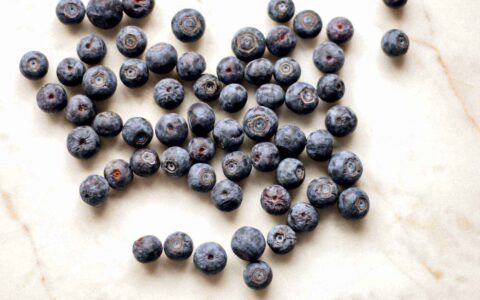
  • Blueberries: Blueberries are rich in anthocyanins, a kind of compound with antioxidant properties (and the thing that makes blueberries blue). They help to protect your body by mopping up free radicals, naturally occurring substances that can damage cells when they’re allowed to build up. Basically, free radicals are the Karens and antioxidants are managers. Tootles Karen!
  • Turmeric: Turmeric, also known as Curcumin, helps to control inflammation by reducing pro-inflammatory responses in the body. Essentially, it acts like a security guard for your body, sensing inflammation and escorting it off the premises!5
  • Green tea: Green tea is a rich source of catechins—especially epigallocatechin-3-gallate (EGCG)—a class of antioxidants that help to protect your cells against damage.6
  • Beets: Beets or beetroot juice are rich in nitrates which the body converts to nitric oxide. This helps open blood vessels and increase blood flow—especially beneficial for those with cardiovascular conditions.7 
  • Green leafy vegetables: Leafy vegetables like spinach and kale are rich in Vitamin K, a fat-soluble compound that plays an important role in the body’s inflammatory response. Vitamin K has been shown to help reduce the occurrence of inflammation by helping to decrease the damage caused by free radicals.8 Popeye was on to something with his spinach intake! 


Are anti-inflammatory foods right for you? 

So should you be adding these foods to your diet? The short answer is yes. Natural anti-inflammatory foods are rich in vitamins and minerals that help to support not only your inflammatory health but also your overall wellness. Whether you have acute inflammation, chronic inflammation or no inflammatory condition at all, anti-inflammatory foods should be eaten by anyone and everyone! 

Where to find anti-inflammatory foods 

Since there are so many to choose from, it can be easy to follow this dietary pattern. Just shop for the rainbow (no, we aren’t referring to Skittles here!). When you’re at the store, look for naturally colorful options: fruits and vegetables, nuts and seeds, fatty fish like salmon or tuna, spices like turmeric, and antioxidant-rich drinks like green tea. 

Why put it off? Head to the supermarket, pick out those natural anti-inflammatory foods, and start rolling them into your weekly routine. Your body will thank you! 

About Hayley  

Hayley is a Licensed Registered Dietitian Nutritionist (RDN) with a Bachelor of Science in Dietetics from Florida State University and a Master of Science in Dietetics from the University of Rhode Island. Hayley is dedicated to empowering individuals to achieve their nutritional goals through evidence-based practices. 

Interested in supplements, but not sure where to start? Reach out to one of our experts, or take our free nutrition assessment, to learn exactly what nutrients would work best for your diet and lifestyle. 


*These statements have not been evaluated by the Food and Drug Administration. This product is not intended to diagnose, treat, cure, or prevent any disease.  
This information is not intended as a substitute for the advice provided by your physician or other healthcare professional, or any information contained on or in any product label or packaging. Do not use the information from this article for diagnosing or treating a health problem or disease, or prescribing medication or other treatment. Always speak with your physician or other healthcare professional before taking any medication or nutritional, herbal, or homeopathic supplement, or using any treatment for a health problem. If you have or suspect that you have a medical problem, contact your health care provider promptly. Do not disregard professional medical advice or delay in seeking professional advice because of something you have read in this article.    

References:

  1. Acute inflammation – an overview | sciencedirect
  2. Pahwa R, Goyal A, Jialal Chronic Inflammation. [Updated 2021 Sep 28]. In: StatPearls [Internet]. Treasure Island (FL): StatPearls Publishing; 2022 Jan-. Available from: https://www.ncbi.nlm.nih.gov/books/NBK493173/
  3. Simopoulos AP. Omega-3 fatty acids in inflammation and autoimmune diseases. J Am Coll Nutr. 2002 Dec;21(6):495-505. doi: 10.1080/07315724.2002.10719248. PMID: 12480795.
  4. Lobo V, Patil A, Phatak A, Chandra N. Free radicals, antioxidants and functional foods: Impact on human health. Pharmacogn Rev. 2010;4(8):118-126. doi:10.4103/0973-7847.70902
  5. Panahi Y, Hosseini MS, Khalili N, Naimi E, Majeed M, Sahebkar Antioxidant and anti-inflammatory effects of curcuminoid-piperine combination in subjects with metabolic syndrome: A randomized controlled trial and an updated meta-analysis. Clin Nutr. 2015 Dec;34(6):1101-8. doi: 10.1016/j.clnu.2014.12.019. Epub 2015 Jan 7. PMID: 25618800.
  6. Ohishi T, Goto S, Monira P, Isemura M, Nakamura Y. Anti-inflammatory Action of Green Tea. Antiinflamm Antiallergy Agents Med Chem. 2016;15(2):74-90. doi: 10.2174/1871523015666160915154443. PMID: 27634207.
  7. Shepherd AI, Costello JT, Bailey SJ, et al. “Beet” the cold: beetroot juice supplementation improves peripheral blood flow, endothelial function, and anti-inflammatory status in individuals with Raynaud’s phenomenon. J Appl Physiol (1985). 2019;127(5):1478-1490. doi:10.1152/japplphysiol.00292.2019
  8. Simes DC, Viegas CS, Araújo N, Marreiros Vitamin K as a powerful MICRONUTRIENT in aging and Age-Related diseases: Pros and cons from clinical studies. International Journal of Molecular Sciences. 2019;20(17):4150. doi:10.3390/ijms20174150.

Find out what supplements are right for you

Take the assessment

Sleep Stress & Mood

5 min read

6 simple ways to improve your sleep, naturally

a person sleeping on the couch

Sleep is so important. It’s like a nightly tune-up for your whole body. But sometimes that precious shuteye can feel out of reach. To help you get better rest, here’s a list of simple things you can do to get your sleep cycle back on track. Some of them might surprise you!  

1) Exercise  

Find time during the day for regular, moderate exercise—a walk, a jog, a bike ride or some other physical activity—and to do it well ahead of bedtime. You should find you get to sleep faster, stay asleep longer and have more energy in your waking hours.  

2) Get outside while the sun’s up  

Get your body clock back on schedule by exposing yourself to bright light during the day—either by going outside or, if that’s not possible, investing in a bright artificial light designed for that purpose. Exposure to more daylight helps to calibrate your body’s internal clock and can make a big difference at bedtime.  

3) Manage screen time  

The blueish light emitted by screens tends to trigger your body’s wake cycle, meaning it gets in the way of sleep when you absorb it too close to bedtime. To get your body ready for rest, turn off your phone, your TV and your other screens at least two hours before bed.  

4) Stick to a schedule  

Good-quality sleep isn’t just about duration; it’s also about regularity. To improve your sleep, try to get to bed the same time every night and up at the same time every morning—including weekends. Do this for long enough, and you may find you no longer need an alarm.  

5) Eat early, eat well  

Aim to finish your dinner at least three hours before bed—and keep late-night snacking to a minimum. If you really need to eat near bedtime, go for something small, low-sugar and nutrient-dense like some plain yogurt, a handful of berries or a few nuts.  

6) Get the right sleep supplements   

Certain supplements may also help with sleep. Melatonin helps regulate your body’s natural sleep cycle may improve sleep quality. It’s especially helpful if you’re jet lagged or do shift work. If you’re not a fan of melatonin, magnesium or L-Tryptophan also help promote relaxation and improve sleep quality.  


About Emily  

Emily is a registered dietitian with a master’s degree in health communications. She is a self-proclaimed nutrition nerd and has a knack for translating nutrition science into everyday tips and resources 

Emily is just one of Persona’s team of qualified nutritionists. Do you have questions about nutrition? Reach out right now. Our experts would love to help.   


*These statements have not been evaluated by the Food and Drug Administration. This product is not intended to diagnose, treat, cure, or prevent any disease.   

This information is not intended as a substitute for the advice provided by your physician or other healthcare professional, or any information contained on or in any product label or packaging. Do not use the information from this article for diagnosing or treating a health problem or disease, or prescribing medication or other treatment. Always speak with your physician or other healthcare professional before taking any medication or nutritional, herbal, or homeopathic supplement, or using any treatment for a health problem. If you have or suspect that you have a medical problem, contact your health care provider promptly. Do not disregard professional medical advice or delay in seeking professional advice because of something you have read in this article.     


Find out what supplements are right for you

Take the assessment

5 supplements to help you manage stress-related weight gain

Woman appearing distressed holding 2 bags of chips.

Whether it’s from work or school or those 10 loads of laundry you need to do, stress is something we’ve all felt from time to time. You probably know from experience that it can cause some unpleasant symptoms like headaches, muscle tension and an upset stomach. But you may not know that in the long term, it can lead to bigger issues—including weight gain. Luckily, there are things you can do to keep this problem in check: a balanced diet, regular exercise and the right supplements may help you avoid putting on unwanted pounds when times get tough. 

Why does stress cause weight gain? 

Whether directly or indirectly, most stress-related weight gain comes down to cortisol, your body’s stress hormone. When your brain recognizes a stressful situation, it triggers your flight-or-fight response, causing your adrenal glands to release a surge of hormones—including cortisol—and priming your body to take quick action. In the case of a brief danger, like avoiding a car crash, this can be a good thing. But over the long term, high levels of cortisol can impact your sleep, impair your immune system, decrease your energy, slow your metabolism and increase your appetite. Those last two can potentially cause weight gain1,2 

That’s where supplements come in. Taken in conjunction with a healthy lifestyle, these five nutrients may help keep your cortisol under control: 

  1. Ashwagandha

Adaptogens like ashwagandha are natural compounds that help minimize the effects of stress by helping your body to adapt. Ashwagandha, a super root that has been used in traditional treatments for millennia, is probably the most famous of the these, helping to correct imbalances and keep your cortisol levels under control.3 If you’re feeling pressured more than usual and think your pants might be getting a little snug because of stress, try adding ashwagandha to your daily supplements to help manage your stress hormones.* 

  1. Cordyceps

If your cravings seem more intense lately, your cortisol might be to blame. Elevated levels of cortisol can cause cravings, particularly for sweet fatty foods, potentially leading to weight gain. It also lowers levels of leptin, the hormone that promotes the feeling of satiety, and increases ghrelin, the hormone that boosts your appetite.4 Cordyceps, a fungus that’s been used in traditional treatments for centuries, can act on the adrenal glands to help rebalance these hormones and hush those cravings.* 

  1. Panax Ginseng

Stress and fatigue go hand-in-hand. When you’re tired, it’s easy to grab a sugary snack for some quick energy. It might seem helpful in that moment, but in the long run this habit can impact your health and affect your weight. Instead of chasing that sugar high, try adding a ginseng supplement to your routine. It may help with energy by rebalancing your HPA axis, a signal network between the brain, adrenal glands, stress hormones and nervous system that can cause fatigue and nervous exhaustion when you’re stressed.5*  

  1. Omega 3

Omega-3 fatty acids are always important for health, but especially when you’re stressed. They help manage cortisol levels, promote a healthy inflammatory response and may increase your metabolism, helping you burn more calories6 —although more research is needed on that last point.* 

  1. CBD

This new addition to the wellness industry has drawn a lot of interest—and a lot of skepticism. CBD is one of more than 100 cannabinoid compounds found in the Cannabis sativa plant. It’s the second most abundant cannabinoid after THC—making up about 40% of the total cannabinoid content—but unlike its more famous cousin, has no psychoactive effects 7. We’re still learning about all the benefits, but there’s some evidence showing that CBD helps lower cortisol levels, increases calmness in the face of stress and promotes a healthy inflammatory response8. These apparent effects may in turn help you sleep better, lessening daytime fatigue and curbing fatigue-related eating.*  


About Shirley 

Shirley is a nutritionist with a Bachelor’s in Human Food & Nutrition with an emphasis in Sports Nutrition. To Shirley, there is nothing more gratifying than assisting someone in meeting both their health and personal goals while making everlasting connections. 

Interested in supplements, but not sure where to start? Reach out to one of our experts, or take our free nutrition assessment, to learn exactly what nutrients would work best for your diet and lifestyle. 


*These statements have not been evaluated by the Food and Drug Administration. This product is not intended to diagnose, treat, cure, or prevent any disease.  
This information is not intended as a substitute for the advice provided by your physician or other healthcare professional, or any information contained on or in any product label or packaging. Do not use the information from this article for diagnosing or treating a health problem or disease, or prescribing medication or other treatment. Always speak with your physician or other healthcare professional before taking any medication or nutritional, herbal, or homeopathic supplement, or using any treatment for a health problem. If you have or suspect that you have a medical problem, contact your health care provider promptly. Do not disregard professional medical advice or delay in seeking professional advice because of something you have read in this article. 

References:

  1. Geiker, N. R., Astrup, A., Hjorth, M. F., Sjödin, A., Pijls, L., & Markus, C. R. (2017). Does stress influence sleep patterns, food intake, weight gain, abdominal obesity and weight loss interventions and vice versa? Obesity Reviews, 19(1), 81–97. https://doi.org/10.1111/obr.12603    
  2. Lindberg, S. (2019, November 20). Stress and weight gain: An unhealthy connection. Healthline. Retrieved April 8, 2022, from https://www.healthline.com/health/stress/stress-and-weight-gain  
  3. What are adaptogens & types. Cleveland Clinic. (n.d.). Retrieved April 8, 2022, from https://my.clevelandclinic.org/health/drugs/22361-adaptogens 
  4. https://www.hsph.harvard.edu/nutritionsource/stress-and-health/ 
  5. Stephens MA, Wand G. Stress and the HPA axis: role of glucocorticoids in alcohol dependence. Alcohol Res. 2012;34(4):468-483. 
  6. Gerling CJ, Whitfield J, Mukai K, Spriet LL. Variable effects of 12 weeks of omega-3 supplementation on resting skeletal muscle metabolism. Appl Physiol Nutr Metab. 2014 Sep;39(9):1083-91. doi: 10.1139/apnm-2014-0049. Epub 2014 Apr 23. PMID: 25054452. 
  7. National Academies of Sciences, Engineering, and Medicine; Health and Medicine Division; Board on Population Health and Public Health Practice; Committee on the Health Effects of Marijuana: An Evidence Review and Research Agenda. The Health Effects of Cannabis and Cannabinoids: The Current State of Evidence and Recommendations for Research. Washington (DC): National Academies Press (US); 2017 Jan 12. 2, Cannabis. Available from: https://www.ncbi.nlm.nih.gov/books/NBK425762/ 
  8. Shannon S, Lewis N, Lee H, Hughes S. Cannabidiol in Anxiety and Sleep: A Large Case Series. Perm J. 2019;23:18-041. doi:10.7812/TPP/18-041 

Find out what supplements are right for you

Take the assessment

Top 7 foods for better sleep

man sleeping in his bed

You’ve learned the hard way how that after-dinner “snack” can keep you up at night (we’re looking at you Ben & Jerry!). That’s because what we eat and drink affects how we sleep—and not just in a bad way. Here are seven feel-good foods that can help you get some quality shut-eye. 

1) Oats 

The complex carbs in oats act like a shuttle to get more of the sleep-inducing amino acid tryptophan into your brain where your body uses it to make sleep hormones melatonin and serotonin. Try a bowl when you need a late-night dinner—but skip the sweet instant stuff and opt for plain rolled oats for the most benefits.  

2) Tart Cherry Juice 

Tart cherries are a natural source of melatonin, the sleep hormone that regulates your sleep-wake cycles. But that’s not their only plus: The antioxidants in cherries fight inflammation, which can wreak havoc on the most restorative stages of your sleep. Dilute the tart, unsweetened juice with sparkling water for a hydrating nightcap, sans hangover.  

3) Kiwi 

Like cherries, the antioxidants in kiwis fight inflammatory free radicals that can sabotage sleep. They are also a good source of folate, which helps soothe restless legs, and are one of the only fruits with a high concentration of sleep-promoting serotonin. 

Treat yourself to a kiwi or two an hour before bed to help you fall asleep faster and stay asleep longer. Cut kiwis in half and scoop out the fruit with a spoon or eat them sliced with the skin on – no peeling required. 

4) Salmon  

Salmon is one of only a few natural sources of omega-3s and vitamin D. Both nutrients play a role in regulating your sleep-wake cycle and help combat inflammation for more restful slumber and better daytime functioning. Aim for at least two to three servings of fish, especially fatty fish like salmon, every week. Not a fan of seafood? You may be able to reap similar sleep benefits from a supplement.  

5) Pumpkin Seeds  

Small but mighty pumpkin seeds are rich in essential minerals like iron and zinc—which help prevent pesky overnight wakeups—and muscle-soothing magnesium. Snack on the seeds straight-up or use them as a crunchy topper for salads and soups. 

6) Soy 

The isoflavones found in soy are compounds that work like estrogen to help you sleep better and longer. These benefits aren’t just for postmenopausal women either. Research suggests that soy’s sleep benefits extend to the general population too. Up your soy intake by snacking on edamame or try tempeh or tofu in place of meat for your next stir-fry.  

7) Chamomile tea 

This traditional sleep remedy gets its sedative-like effects from a type of flavonoid called apigenin. Apigenin binds to the GABA receptors in your brain to make you feel calm and sleepy. Make a soothing cup of chamomile tea a part of your bedtime routine for less tossing-and-turning. 

About Emily 

Emily is a registered dietitian with a master’s degree in health communications. She is a self-proclaimed nutrition nerd and has a knack for translating nutrition science into everyday tips and resources. 

Emily is just one of Persona’s team of qualified nutritionists. Do you have questions about nutrition? Reach out right now. Our experts would love to help.  


*These statements have not been evaluated by the Food and Drug Administration. This product is not intended to diagnose, treat, cure, or prevent any disease.  
This information is not intended as a substitute for the advice provided by your physician or other healthcare professional, or any information contained on or in any product label or packaging. Do not use the information from this article for diagnosing or treating a health problem or disease, or prescribing medication or other treatment. Always speak with your physician or other healthcare professional before taking any medication or nutritional, herbal, or homeopathic supplement, or using any treatment for a health problem. If you have or suspect that you have a medical problem, contact your health care provider promptly. Do not disregard professional medical advice or delay in seeking professional advice because of something you have read in this article.    

References:

  1. Spring B. Recent research on the behavioral effects of tryptophan and carbohydrate. Nutr Health. 1984;3(1-2):55-67. doi: 10.1177/026010608400300204. PMID: 6400041.  
  2. Lin HH, Tsai PS, Fang SC, Liu JF. Effect of kiwifruit consumption on sleep quality in adults with sleep problems. Asia Pac J Clin Nutr. 2011;20(2):169-74. PMID: 21669584 
  3. St-Onge MP, Mikic A, Pietrolungo CE. Effects of Diet on Sleep Quality. Adv Nutr. 2016;7(5):938-949. Published 2016 Sep 15. doi:10.3945/an.116.012336 
  4. Hansen AL, Dahl L, Olson G, et al. Fish consumption, sleep, daily functioning, and heart rate variability. J Clin Sleep Med. 2014;10(5):567-575. doi:10.5664/jcsm.3714 
  5. Cui Y, Niu K, Huang C, et al. Relationship between daily isoflavone intake and sleep in Japanese adults: a cross-sectional study. Nutr J. 2015;14:127. Published 2015 Dec 29. doi:10.1186/s12937-015-0117-x 
  6. Srivastava JK, Shankar E, Gupta S. Chamomile: A herbal medicine of the past with bright future. Mol Med Rep. 2010;3(6):895-901. doi:10.3892/mmr.2010.377 

Find out what supplements are right for you

Take the assessment

Does Ashwagandha Help Relieve Stress?

woman appearing stressed in front of computer

Between your job, your family and your everyday responsibilities, stress is inevitable. Left unchecked, it can make you feel like you’re about to burst into flames. This is because your body responds to stress by going into “flight or fight” mode, an ancient threat response that preps your body for sudden action—good when a lion is chasing you but not so great in real life, when it can cause unpleasant physical symptoms like headaches, muscle tension, fatigue, stomach upset, mood disturbances and disruptions in sleep. Over the long term, it can have a serious impact on your health.1  

Luckily, there are things you can do to help your body cope: exercise, meditation, regular sleep, counseling, workload management—and supplements, one of them being Ashwagandha. 

What is Ashwagandha? 

Ashwagandha, or Withania somnifera, is a root that’s been used in Ayurvedic and indigenous medicine for over 3,000 years to promote physical, mental and emotional wellbeing. It has the ability to function as an adaptogen, a compound known to help the body regulate stress. Think of it as a good friend who can recognize when you’re feeling tense and help you cope. 

How does ashwagandha work? 

When you perceive a threat—whether it’s physical or mental—your body responds by releasing cortisol, the main stress hormone. This increases glucose in the bloodstream, bumping up your energy supplies so you can react quickly to protect yourself. In the short term, this isn’t a problem, but when you experience stress day after day, this reaction stays turned on, leading to an overproduction of cortisol, which can cause exhaustion and, in the long term, increase health risks.2 Think of this cascading effect like drinking cup after cup of coffee: It keeps you alert for a bit, but eventually you hit a wall and can no longer function properly. The body’s stress response is similar; you can only do so much before it’s too much to handle! 

Supplementing with Ashwagandha can help your body respond better to stress by prolonging the natural processes that stave off exhaustion—giving you a little more time to resolve the thing that’s stressing you. Think of it like the nozzle on a kettle that releases steam to prevent it from overboiling. Well, in this instance Ashwagandha helps prevent you from overboiling! 

Choosing your ashwagandha supplement 

Remember: Not all supplements are created equal. If you do choose to go with ashwagandha, look for a brand that offers bioavailable nutrients—meaning they’re ready for your body to use immediately—and FDA-cGMP compliance. This is a certification that means the maker follows best practices at every stage of production. 

Ashwagandha is best taken at night but can actually be taken at any time of day, since it’s not considered a sedative.  

About Hayley  

Hayley is a Licensed Registered Dietitian Nutritionist (RDN) with a Bachelor of Science in Dietetics from Florida State University and a Master of Science in Dietetics from the University of Rhode Island. Hayley is dedicated to empowering individuals to achieve their nutritional goals through evidence-based practices. 

Interested in supplements, but not sure where to start? Reach out to one of our experts, or take our free nutrition assessment, to learn exactly what nutrients would work best for your diet and lifestyle. 


*These statements have not been evaluated by the Food and Drug Administration. This product is not intended to diagnose, treat, cure, or prevent any disease.  
This information is not intended as a substitute for the advice provided by your physician or other healthcare professional, or any information contained on or in any product label or packaging. Do not use the information from this article for diagnosing or treating a health problem or disease, or prescribing medication or other treatment. Always speak with your physician or other healthcare professional before taking any medication or nutritional, herbal, or homeopathic supplement, or using any treatment for a health problem. If you have or suspect that you have a medical problem, contact your health care provider promptly. Do not disregard professional medical advice or delay in seeking professional advice because of something you have read in this article.    

Sources:

  1. Stress effects on the body. https://www.apa.org.
  2. Mariotti A. The effects of chronic stress on health: new insights into the molecular mechanisms of brain-body communication. Future Sci OA. 2015;1(3):FSO23. Published 2015 Nov 1. doi:10.4155/fso.15.21

Find out what supplements are right for you

Take the assessment

Can supplements help manage your weight?

Women lifting weights

Summer is approaching, and many of us may be daydreaming of being outside in the hot sun with a refreshing drink in hand! Whether you’re sunbathing on vacation or in your backyard, the warmer weather often sparks us to get in shape. After all, what’s better than soaking up the sun in a summer bod you feel good about? 

Hitting the gym and eating a balanced diet can go a long way to achieving this goal, but the right supplements may also play a role. Let’s take a look at some of your best options. 

  1. Chromium Picolinate

When you eat carbohydrates like bread or pasta, your body breaks them down into glucose (a kind of sugar), which then enters your bloodstream. If you wind up with too much glucose floating around in your blood—a blood sugar imbalance—it can cause dysregulation and potentially contribute to weight gain.1 Chromium can help with this issue by acting as a safety guard for your body, regulating your glucose to help achieve normal blood sugar levels and supporting your weight loss goals.* 

  1. Ashwagandha

Feeling tightly wound? It might be stress that’s getting in the way of shedding those unwanted pounds—and even leading to weight gain. This is because cortisol, aka the stress hormone, is produced in response to prolonged stress. This can increase your appetite and make it harder to lose weight. Ashwagandha, an ancient super root, helps regulate your stress response by keeping your cortisol levels under control. Ashwagandha may be the supplement you didn’t know you needed for both appetite and stress!2* 

  1. Appetite Support

If you have trouble resisting those office treats or late-night sugar cravings, the Appetite Support supplement might be able to help. It contains Gymnema sylvestre, an herb that helps reduce your consumption of high-sugar foods by decreasing your desire for sweets and the satisfaction you feel after eating them.3  Other ingredients, including chromium and Phase 2® Carb Controller™ may also help by decreasing the absorption of carbohydrates.* 

  1. Blood Sugar Balance

Do you find yourself eating a lot of bread, pasta, desserts and other sugary foods? Though delicious, these are high in carbohydrates, which can lead to blood sugar spikes, and over time may increase the risk of accumulating stored fat. Blood Sugar Balance contains a blend of benfotiamine and alpha-lipoic acid (ALA). Benfotiamine is an essential B Vitamin that plays a critical role in glucose metabolism, while ALA promotes energy production in your cells. This powerful combination helps balance and maintain normal blood sugar levels to promote a healthy weight.*  


About Hayley  

Hayley is a Licensed Registered Dietitian Nutritionist (RDN) with a Bachelor of Science in Dietetics from Florida State University and a Master of Science in Dietetics from the University of Rhode Island. Hayley is dedicated to empowering individuals to achieve their nutritional goals through evidence-based practices. 

Interested in supplements, but not sure where to start? Reach out to one of our experts, or take our free nutrition assessment, to learn exactly what nutrients would work best for your diet and lifestyle. 


*These statements have not been evaluated by the Food and Drug Administration. This product is not intended to diagnose, treat, cure, or prevent any disease. 
This information is not intended as a substitute for the advice provided by your physician or other healthcare professional, or any information contained on or in any product label or packaging. Do not use the information from this article for diagnosing or treating a health problem or disease, or prescribing medication or other treatment. Always speak with your physician or other healthcare professional before taking any medication or nutritional, herbal, or homeopathic supplement, or using any treatment for a health problem. If you have or suspect that you have a medical problem, contact your health care provider promptly. Do not disregard professional medical advice or delay in seeking professional advice because of something you have read in this article.   

Sources:

  1. Broadhurst CL, Domenico P. Clinical studies on chromium picolinate supplementation in diabetes mellitus–a review. Diabetes Technol Ther. 2006 Dec;8(6):677-87. doi: 10.1089/dia.2006.8.677. PMID: 17109600.
  2. Choudhary D, Bhattacharyya S, Joshi K. Body Weight Management in Adults Under Chronic Stress Through Treatment With Ashwagandha Root Extract: A Double-Blind, Randomized, Placebo-Controlled Trial. J Evid Based Complementary Altern Med. 2017 Jan;22(1):96-106.
  3. Turner S, Diako C, Kruger R, et al. Consuming Gymnema sylvestre Reduces the Desire for High-Sugar Sweet Foods. Nutrients. 2020;12(4):1046. Published 2020 Apr 10. doi:10.3390/nu12041046

Find out what supplements are right for you

Take the assessment

Motivation Vitamin 101

5 min read

6 supplements to help you kick cravings

Chocolate cake with a strawberry

Sitting on your couch thinking about all the chocolate in your house? Believe me when I say, we’ve all been there. Food cravings are a common issue that can be brought on by all kinds of things: emotional hardship, stress, PMS, boredom and a host of other factors. Resisting those cravings can sometimes feel impossible.  

But don’t despair! Just like most processes in your body, cravings are the result of chemical signals. And like any chemical process, they can be managed. Here are 6 supplements that can help get your hunger under control. 

1) 5-HTP 

5-hydroxytryptophan—5 HTP to its friends—is a natural substance our bodies use to make serotonin. Known as our “happy chemical” for its role in mood and sleep, serotonin also plays a key role in regulating appetite by working with other chemicals to turn off our hunger signal once we’re done eating. How does 5-HTP fit into this picture? Well, since serotonin is produced from 5-HTP, our bodies need a ready supply to ensure our hunger off-switch is working as it should. For this reason, a 5-HTP supplement may be beneficial if you’re looking for help to naturally regulate your food intake. 

2) ALA 

Alpha Lipoic Acid is a fatty acid and antioxidant that does its work at the other end of the hunger cycle. Where 5-HTP supports our hunger off-switch, ALA interferes with the switch that turns hunger on. It does this by interacting with an enzyme called AMPK. AMPK’s job is to increase hunger signals when our bodies think it’s time to eat. When ALA shows up on the scene, it reduces AMPK activity, meaning it may ease appetite as a result. 

And it comes with an added bonus: ALA can accelerate the process of turning blood sugars into energy, helping to keep our bodies from storing that sugar for later use, potentially slowing the creation of fat. 

3) Blood Sugar Balance 

You may be wondering what blood sugar has to do with food cravings, but it’s actually very important. When blood sugars are low, they can trigger a signal that tells your brain to eat carbs to get those blood sugars back up. The Blood Sugar Balance supplement eases this problem with two helpful compounds: Benfotiamine and ALA, which work together to help your body control blood sugar levels and prevent those sugar-crash cravings.  

4) Chromium Picolinate 

This small supplement deserves your attention when looking for something to ease cravings. Chromium is an essential mineral that helps your body process carbohydrates and fats. Though more research is needed, chromium picolinate is believed to reduce hunger and cravings by enhancing insulin activity. When you eat, insulin tells your cells to take sugar out of your blood and make use of it one way or another; chromium helps this process by increasing the cell receptors insulin needs to do its work. In this way it appears to play a role in maintaining healthy blood sugar levels and thus keep cravings in check. 

5) Appetite Support 

This lesser-known supplement has some interesting ingredients, one of them being  Phaseolus vulgaris, an extract from white kidney beans that helps slow down the digestion of carbs, an effect that may help you feel full longer. Slower digestion also helps stabilize blood sugar levels to prevent them from dropping too fast and giving you the munchies. 

For the best results, take this supplement with a meal containing carbs. 

6) Borage w/Saffron 

Those of you experiencing cravings due to PMS may want to put this supplement on your list. One of its main ingredients is gamma-linoleic acid, or GLA. When you’re short of this natural compound, it can intensify craving for sweets and increase your overall appetite, meaning supplementation may be a good idea. Bonus benefit: It can also help with other PMS symptoms.   

About Jadelyn 

Jadelyn is a nutritionist and personal trainer with a bachelor’s degree in dietetics. She loves teaching others about nutrition and exercise, and weight management is just one of her favorite topics.  

Do you have questions on how you may benefit from supplements? Reach out to one of our experts, or take Persona’s free nutrition assessment, and learn exactly what you need to take your wellness to the next level.  


*These statements have not been evaluated by the Food and Drug Administration. This product is not intended to diagnose, treat, cure, or prevent any disease. As with any dietary supplement, you should advise your healthcare practitioner of the use of this product. 
This information is not intended as a substitute for the advice provided by your physician or other healthcare professional, or any information contained on or in any product label or packaging. Do not use the information from this article for diagnosing or treating a health problem or disease, or prescribing medication or other treatment. Always speak with your physician or other healthcare professional before taking any medication or nutritional, herbal, or homeopathic supplement, or using any treatment for a health problem. If you have or suspect that you have a medical problem, contact your health care provider promptly. Do not disregard professional medical advice or delay in seeking professional advice because of something you have read in this article.    

References:

  1. 5-HTP: A Brain Serotonin Precursor. Douglas Laboratories. 2003.  https://www.thenatural.com/media/Ingredients/ProductSheets/DL/5HTP.pdf 
  2. TargonskyD, Dai F, Koshkin V, Karaman G. T, Gyulkhandanyan A. V, Zhang Y, Chan C. B, Wheeler M. B. α-Lipoic acid regulates AMP-activated protein kinase and inhibits insulin secretion from beta cells. Diabetologia 49, 1587-1598 (2006). https://doi.org/10.1007/s00125-006-0265-9 
  3. Barrett, Marilyn L. and Udani, Jay K. A proprietary alpha-amylase inhibitor from white bean (Phaseolus vulgaris): A review of clinical studies on weight loss and glycemic control. Nutrition Journal. 10:24 (2011). http://www.nutritionj.com/content/10/1/24 
  4. Grimm, Nathan. Liposomal Encapsulated Alpha-Lipoic Acid, Benfotiamine and Curcumin Prevent Overfeeding Mediated Increases in Waist Circumference. Colorado State University. (2017). https://mountainscholar.org/bitstream/handle/10217/181336/Grimm_colostate_0053N_14052.pdf?sequence=1&isAllowed=y 
  5. Anton, S. D., Morrison, C. D., Cefalu, W. T., Martin, C. K., Coulon, S., Geiselman, P., Han, H., White, C. L., Williamson, D. A. Effects of chromium picolinate on food intake and satiety. Diabetes technology & therapeutics, 10(5), 405-412. (2008). https://doi.org/10.1089/dia.2007.0292 
  6. Peskin, Scott. A New Method For Lowering Blood Glucose Levels While Satisfying Cravings for Sweets. Townsend Letter. (2016). http://brianpeskin.com/pdf/publications/townsend-june-2016.pdf

Find out what supplements are right for you

Take the assessment

Going keto? You may be missing out on 4 key nutrients

Letters on table spell KETO

When your best friend is telling you how the keto diet has completely changed her life, she may be leaving out something important: the keto flu! It’s a side effect of the diet that includes symptoms like digestive issues, low energy, brain fog, headaches and poor sleep (Yikes!). Sure, these might go away after a while, but they’re a sign that there’s a problem. Restrictive diets like keto leave your body short of certain nutrients it needs to function properly. You should know what these are—and understand the consequences—before you join that friend on the keto train.   

But first: What exactly is a Keto diet? 

Simply put, Keto is an extremely low carb, high fat diet. It started as a way to help children with epilepsy1—there’s strong evidence that it reduces the frequency of seizures—but has since gained massive popularity as a way to shed weight.  

Keto diets vary, but they basically work like this: Your body’s preferred source of energy is glucose (carbohydrates), but when your carb intake drops, your body uses up its stored glucose (called glycogen) and resorts to breaking down amino acids (protein) and ketones (molecules produced by your liver from fat) for fuel. When this happens, you enter a fat-burning state called ketosis.2 

Using fat for energy? Sounds like a weight-loss wonder, but it’s actually pretty tough on your body. A keto diet lacks variety, and chances are you’ll be missing out on some key nutrients. Here are four big ones: 

  1. B Vitamins

You’re probably familiar with vitamin B-12, biotin and folate, but did you know there are actually 8 essential B-vitamins? These play a critical role in many processes in your body, including energy production, brain function, digestion, nerve function, cell metabolism and more. While you can get some B vitamins from animal fat, you get most of them from eating carbohydrates like: 

  • whole grains,
  • legumes,
  • fruits,
  • fortified cereals. 

When you cut these in the name of Keto, you’re probably cutting your B vitamins too. 

  1. Electrolytes

Electrolytes are essential minerals that control your body’s fluid balance and play a key role in nerve, muscle, heart and brain function. On keto, your body can run short of some key electrolytes like sodium, calcium, magnesium and potassium. This is partly because foods allowed on keto tend to be lower in these electrolytes, but more importantly, a Keto diet makes your body expel them faster.3 As you restrict carbs, your insulin (the hormone that regulates blood sugar levels) stays low, and when insulin is low, it sends a signal to your kidneys to increase the excretion of water and electrolytes. And that makes it harder for your body to do its (many) jobs.  

  1. Fiber

What else is missing with Keto? A bit of roughage. As your body switches from burning carbs to burning fat, it’s common to experience digestive issues like occasional constipation. High-fat foods lack fiber, a type of indigestible carbohydrate that plays a vital role in digestion and helps you to stay regular.4 Fiber is mostly found in plant products like fruit, vegetables, legumes and whole grains, but on a keto diet, these gut-friendly foods tend to be shown the door, raising the odds of a problem. 

  1. Antioxidants

Free radicals, nasty little compounds that hurt your health, are constantly forming in your body as a result of exercise, pollution, smoking, stress and certain foods. Left unchecked, they can cause oxidative stress, a process that damages cells and sometimes leads to illness. Your body’s main defense against these destructive molecules are antioxidants, natural compounds that wander around your cells mopping up free radicals and keeping cell damage in check.5 Fruits and vegetables are the best sources of antioxidants in your diet. Cutting them back, as you do on keto, may give free radicals free rein.  

Bottom Line 

There are a lot of reasons to follow a diet like keto, but before you commit, consider what you might be cutting out and how that may impact your health. Do some research to make sure you’re getting all the nutrients you need—whether from food or from supplements—to prevent any risks to your health.   

About Yaquelin    

Yaquelin is a Registered Dietitian Nutritionist. Her passion is helping others live healthier and happier lives. She enjoys learning about new supplements, working out and baking sweet treats. 

Yaquelin is just one of Persona’s team of qualified nutritionists. Do you have questions about nutrition? Reach out. Our experts would love to help. Book a free appointment


*These statements have not been evaluated by the Food and Drug Administration. This product is not intended to diagnose, treat, cure, or prevent any disease. As with any dietary supplement, you should advise your healthcare practitioner of the use of this product. 
This information is not intended as a substitute for the advice provided by your physician or other healthcare professional, or any information contained on or in any product label or packaging. Do not use the information from this article for diagnosing or treating a health problem or disease, or prescribing medication or other treatment. Always speak with your physician or other healthcare professional before taking any medication or nutritional, herbal, or homeopathic supplement, or using any treatment for a health problem. If you have or suspect that you have a medical problem, contact your health care provider promptly. Do not disregard professional medical advice or delay in seeking professional advice because of something you have read in this article.    

References:

  1. Martin-McGill KJ, Jackson CF, Bresnahan R, Levy RG, Cooper PN. Ketogenic diets for drug-resistant epilepsy. Cochrane Database Syst Rev. 2018 Nov 7;11(11):CD001903. doi: 10.1002/14651858.CD001903.pub4. Update in: Cochrane Database Syst Rev. 2020 Jun 24;6:CD001903. PMID: 30403286; PMCID: PMC6517043. 
  2. Masood W, Annamaraju P, Uppaluri KR. Ketogenic Diet. [Updated 2021 Nov 26]. In: StatPearls [Internet]. Treasure Island (FL): StatPearls Publishing; 2022 Jan-. Available from: https://www.ncbi.nlm.nih.gov/books/NBK499830/ 
  3. Shrimanker I, Bhattarai S. Electrolytes. 2021 Jul 26. In: StatPearls [Internet]. Treasure Island (FL): StatPearls Publishing; 2022 Jan–. PMID: 31082167. 
  4. Barber TM, Kabisch S, Pfeiffer AFH, Weickert MO. The Health Benefits of Dietary Fibre. Nutrients. 2020;12(10):3209. Published 2020 Oct 21. doi:10.3390/nu12103209 
  5. Antioxidants: in depth. NCCIH. https://www.nccih.nih.gov/health/antioxidants-in-depth 


Find out what supplements are right for you

Take the assessment

5 best supplements for brain health

notepad with glasses

You know the feeling: You walk into a room and immediately forget what you went in there for. Or maybe it’s been taking you longer to learn new things, or to remember where you put your keys. You’re not alone. Mild forgetfulness affects about 40% of people 65 and over1. But while memory impairment may come with the territory, you’re not powerless to keep it in check. There are things you can do for your brain health as you age—including some key supplements: 

1) Turmeric/Curcumin 

Turmeric—and its derivative Curcumin—has long been recognized for its antioxidant, anti-inflammatory and antimicrobial properties. Now, multiple studies have shown it also promotes brain health, helping to improve focus and memory performance2, 3. It seems to do this by supporting two key parts of the brain: the amygdala, which is involved in memory processing; and hypothalamus, which connects the nervous system to the endocrine system (the network of glands that regulate hormones). For this reason, taking turmeric daily may be a boon for the brain.* 

Heads up: Curcumin is lipophilic, meaning it binds to fats. To maximize its benefits, take it with a full meal or check the label to make sure it’s already paired with a healthy fat.  

2) Omega 3 fatty acids 

Few supplements have achieved the celebrity status of Omega-3 fatty acids, and for good reason. These polyunsaturated fats—especially in two forms called DHA and EPA—are credited with a host of benefits, including healthy brain function in older adults. Numerous studies have shown that Omega-3s support the health of nerve cells and have anti-inflammatory properties that can help promote a healthy immune response in the brain.* 

And it’s not just seniors who can reap the brain-boosting benefits of these famous fatty acids. According to a systematic review, they may be especially beneficial to infant brain development in pregnant and breastfeeding parents4. 

But there’s a catch: Your body doesn’t naturally make Omega-3’s, so they have to be consumed through your diet. Fatty fish are a good source, but if you don’t eat a lot of seafood, a supplement might be the way to go. 

3) Gingko Biloba 

Gingko Biloba, derived from the oldest tree in the world, has been used for its medicinal properties for centuries. Although it’s been around for hundreds of millions of years (literally!), scientists are just now uncovering all the potential therapeutic uses of this amazing plant. The compounds in Gingko Biloba have antioxidant, anti-inflammatory and antiapoptotic (anti-cell-death) properties5,6. It may also increase blood circulation and help protect nerve cells. That last one is key to healthy aging: Gingko Biloba appears to preserve brain receptors that are prone to age-related damage, enhancing neuron plasticity and promoting neuron health. All this to say it’s a great supplement to add to your plan as you get older.* 

4) Nicotinamide riboside (Tru Niagen) 

Nicotinamide riboside is a lesser-known form of vitamin B3 that serves as a precursor to NAD+, one of the most crucial molecules involved in cellular processes. Higher levels of NAD+ may help cells resist stress and increase the activity of enzymes that can protect them from damage7. Importantly, it can be used by the brain, meaning these protective effects may apply to neurons. Nicotinamide riboside is found in small amounts in just a few foods, meaning many people find it easier to use supplements like Tru Niagen to get a decent dose of this unique and powerful compound.*  

5) Ginseng 

Ginseng has long been used medicinally in Eastern and North American cultures. As an adaptogen, it supports the hormonal control center that manages cortisol—the fight-or-flight hormone—meaning it may promote a healthy response to stress 8. It’s also an antioxidant, meaning it supports cell health9 and, importantly, has a well-studied positive effect on memory. For all these reasons, ginseng is worth considering if you’re interested in healthy aging.* 

Bonus tip: Lifestyle choices 

Don’t forget, lifestyle choices play a vital role in memory and brain health. To keep your mind in shape as you age, look for ways to reduce stress, get regular exercise, eat a healthy, balanced diet and engage in mental activity. 


About Laura 

Laura is a nutritionist and an International Board Certified Lactation Consultant with a Bachelor of Science in Dietetics from Ball State University and a Master of Science in Health Sciences with a public health concentration from Indiana State University.  She is a competitive distance runner who loves to support individuals in achieving their goals. 

Laura is just one of Persona’s team of qualified nutritionists. Do you have questions about nutrition? Reach out. Our experts would love to help. Book a free appointment here. 


*These statements have not been evaluated by the Food and Drug Administration. This product is not intended to diagnose, treat, cure, or prevent any disease.  
This information is not intended as a substitute for the advice provided by your physician or other healthcare professional, or any information contained on or in any product label or packaging. Do not use the information from this article for diagnosing or treating a health problem or disease, or prescribing medication or other treatment. Always speak with your physician or other healthcare professional before taking any medication or nutritional, herbal, or homeopathic supplement, or using any treatment for a health problem. If you have or suspect that you have a medical problem, contact your health care provider promptly. Do not disregard professional medical advice or delay in seeking professional advice because of something you have read in this article. 

References:

Sources 

  1. Small GW. What we need to know about age related memory loss. BMJ. 2002;324(7352):1502-1505. doi:10.1136/bmj.324.7352.1502 
  2. Bhat A, Mahalakshmi AM, Ray B, et al. Benefits of curcumin in Brain Disorders. BioFactors. 2019;45(5):666-689. doi:10.1002/biof.1533 
  3. Small GW, Siddarth P, Li Z, et al. Memory and brain amyloid and tau effects of a bioavailable form of curcumin in non-demented adults: A double-blind, placebo-controlled 18-month trial. The American Journal of Geriatric Psychiatry. 2018;26(3):266-277. doi:10.1016/j.jagp.2017.10.010 
  4. Derbyshire E. Brain health across the lifespan: A systematic review on the role of omega-3 fatty acid supplements. Nutrients. 2018;10(8):1094. doi:10.3390/nu10081094 
  5. Barbalho SM, Direito R, Laurindo LF, et al. Ginkgo biloba in the aging process: A narrative review. Antioxidants. 2022;11(3):525. doi:10.3390/antiox11030525 
  6. Singh, S.K., Srivastav, S., Castellani, R.J. et al. Neuroprotective and Antioxidant Effect of Ginkgo biloba Extract Against AD and Other Neurological Disorders. Neurotherapeutics 16, 666–674 (2019). https://doi.org/10.1007/s13311-019-00767-8
  7. Chi Y, Sauve AA. Nicotinamide riboside, a trace nutrient in foods, is a vitamin B3 with effects on energy metabolism and neuroprotection. Current Opinion in Clinical Nutrition and Metabolic Care. 2013;16(6):657-661. doi:10.1097/mco.0b013e32836510c0 
  8. Kim H-J, Jung S-W, Kim S-Y, et al. Panax ginseng as an adjuvant treatment for alzheimer’s Journal of Ginseng Research. 2018;42(4):401-411. doi:10.1016/j.jgr.2017.12.008 
  9. Lee S, Rhee DK. Effects of ginseng on stress-related depression, anxiety, and the hypothalamic-pituitary-adrenal axis. J Ginseng Res. 2017;41(4):589-594. doi:10.1016/j.jgr.2017.01.010


Find out what supplements are right for you

Take the assessment

6 surprising nutrients for bone health (other than calcium)

Vegetables spread out on a table

Remember the campaigns: Got milk? Or Milk does a body good? If you’re like me, you probably had a glass of milk a day as a kid to help you grow tall and keep your bones strong. Even now, when you think about nutrients to support your bones, calcium is probably first to come to mind, and then maybe vitamin D. The campaigns weren’t wrong – both calcium and vitamin D are vital for your bones, but there are other nutrients that also play a major part in your bone health. 

But first: Let’s look beyond the bare bones 

A common misconception about your bones is that they’re dead. (Not true!) Your bones are living tissue that’s continually remodeled in phases—resorption and formation—to stay healthy and strong. In resorption, your body breaks down old and damaged bone with cells called osteoclasts; during formation, it does the opposite: Cells known as osteoblasts build new bone. This process of remodeling is incredibly important and any imbalances, like cells being broken down too fast, can increase the risk for certain health conditions related to bone loss.  

Image from the International Osteoporosis Foundation 

Your bones have a dense network of blood vessels, nerves, and cells, and it’s important to keep every part of this network healthy, so it can give your bones what they need to build and maintain mass and density. 

Here are 6 nutrients we need to help keep your bones moving. 

  1. Magnesium 

Interesting fact: magnesium is the second most abundant mineral in cells—and about 60% of it is stored in your bones (that’s no small amount!). It’s there for good reason, as magnesium has two active roles in bone health: It regulates a mineral called hydroxyapatite and helps convert vitamin D to a form that can assist with calcium absorption. You’ll find magnesium in foods like pumpkin seeds, legumes and spinach, but cooking tends to reduce it significantly. For this and other reasons, about 48% of Americans don’t get enough in their diet, according to a 2013 – 2016 analysis 

Adding a magnesium supplement to your daily regime can help fill this gap. Magnesium glycinate may be preferred since it is easier to absorb than some other forms and has fewer side effects like diarrhea, according to research 

  1. Vitamin K 

This one might be surprising, as vitamin K is typically known for its role in blood clotting. Research shows that vitamin K helps manage resorption of osteoblasts (cells that build new bone). Your body also relies on vitamin K to build and activate certain proteins like osteocalcin, which binds calcium to bones, giving them their strength and flexibility. Of the 3 forms of vitamin K, vitamin K2 is considered the all-star—the most effective for bone health. It’s found in foods like natto, sauerkraut, and beef liver. 

Good news: for postmenopausal women taking a bisphosphate medication to slow bone loss, there’s growing evidence that taking vitamin K2 with your medication has better results, preventing fractures and supporting bone health. 

  1. Vitamin A 

Vitamin A plays a vital role in our vision, reproduction, immunity, and cellular health. Though more research is needed, it’s also believed to support your bones—particularly in the hip, thigh, and lower back. So if you’re interested in bone health, it might be worth seeking out.  

There are 2 forms of vitamin A you can obtain from your diet: retinol and carotenoids. Retinol, the active form of vitamin A, is the easiest for your body to absorb and use right away. It’s found in animal-based foods like whole milk, animal liver and eggs. Carotenoids, which your body has to convert to activate, can be found in plant-based foods like carrots, leafy greens and sweet potatoes. 

Regardless of which you choose, remember that getting too much of a good thing isn’t always better. Research shows that excessive amounts of vitamin A can actually have the opposite effect on your bones, increasing risks for hip fractures. So if you opt for a vitamin A supplement, it’s best to stay within the recommended daily dose, unless your doctor says otherwise. 

  1. Protein 

Your bones are made of four things: minerals, lipids (fats), water and protein. That last one, protein, falls into two categories: collagen and non-collagen. Collagen, the main protein found in your body, plays a vital role in supporting the strength and structure of your bones, while non-collagen proteins support them with signaling and movement. For this reason, eating protein is vital to your bone health.  

But before you start heaping your plate with steak, be sure to consider the quality and amount of protein you are consuming—more isn’t always better. In extreme amounts, protein can actually damage your bone health by causing calcium to be excreted in the urine, according to a review in The American Journal of Clinical Nutrition. In general, it’s best to aim for moderate protein intake: 1-1.5 grams per kilogram of body weight per day.  

  1. Phosphorus 

Phosphorus is a mineral involved in producing energy, bone growth, and bone mineralization. It’s often used as a food additive and preservative, so it’s easy to get enough of it in your diet—and in fact a lot of people to get too much. Excess levels can leech calcium from bones and worsen bone health, so keeping phosphorus at the right level is extremely important. 

If you’re trying to lower your phosphorus levels, be mindful about how much processed foods you’re eating. Avoid inorganic phosphorus as a preservative, and choose protein-rich, whole foods like soybean, meat and eggs. 

  1. Potassium 

If you love cereal, sugar, high-protein and processed foods—and tend to avoid fruits and vegetables—I have bad news: Your diet might be too acidic. The acid-ash hypothesis suggests that the high acidity may be weakening your bones. The good news is, there’s a way to fight back: potassium citrate and other alkaline potassium salts are thought to counteract that acidity and protect against bone loss. It’s possible that this is a result of potassium’s role as a kind of buffer that keeps your body at a healthy pH between 7.35 and 7.45—but whether this is the explanation behind potassium’s apparently positive effect on bones is still being researched.  

About Ruby 

Ruby is a registered pharmacist, board certified-medication management specialist, and personal chef. She believes that whole health creates more vibrant living and is a strong advocate for integrative wellness.  

Do you have questions on how you may benefit from supplements? Reach out to one of our experts, or take Persona’s free nutrition assessment, and learn exactly what you need to take your wellness to the next level. 


This information is not intended as a substitute for the advice provided by your physician or other healthcare professional, or any information contained on or in any product label or packaging. Do not use the information from this article for diagnosing or treating a health problem or disease, or prescribing medication or other treatment. Always speak with your physician or other healthcare professional before taking any medication or nutritional, herbal, or homeopathic supplement, or using any treatment for a health problem. If you have or suspect that you have a medical problem, contact your health care provider promptly. Do not disregard professional medical advice or delay in seeking professional advice because of something you have read in this article.    

References:

  1. Rondanelli, M., Faliva, M.A., Tartara, A. et al. An update on magnesium and bone health. Biometals 34, 715–736 (2021). https://doi.org/10.1007/s10534-021-00305-0 
  2. Wen L, Chen J, Duan L, Li S. Vitamin K dependent proteins involved in bone and cardiovascular health (Review). Mol Med Rep. 2018;18(1):3-15. doi:10.3892/mmr.2018.8940 
  3. Maresz K. Proper Calcium Use: Vitamin K2 as a Promoter of Bone and Cardiovascular Health. Integr Med (Encinitas). 2015 Feb;14(1):34-9. PMID: 26770129; PMCID: PMC4566462.
  4. König D, Oesser S, Scharla S, Zdzieblik D, Gollhofer A. Specific Collagen Peptides Improve Bone Mineral Density and Bone Markers in Postmenopausal Women-A Randomized Controlled Study. Nutrients. 2018 Jan 16;10(1):97. doi: 10.3390/nu10010097. PMID: 29337906; PMCID: PMC5793325.
  5. Robert P Heaney, Donald K Layman, Amount and type of protein influences bone health, The American Journal of Clinical Nutrition, Volume 87, Issue 5, May 2008, Pages 1567S–1570S, https://doi.org/10.1093/ajcn/87.5.1567S 
  6. Phosphorus and your diet. National Kidney Foundation. https://www.kidney.org/atoz/content/phosphorus#:~:text=High%20phosphorus%20levels%20can%20cause,lungs%2C%20eyes%2C%20and%20heart. 
  7. Nicoll R, McLaren Howard J. The acid-ash hypothesis revisited: a reassessment of the impact of dietary acidity on bone. J Bone Miner Metab. 2014 Sep;32(5):469-75. doi: 10.1007/s00774-014-0571-0. Epub 2014 Feb 21. PMID: 24557632. 

Find out what supplements are right for you

Take the assessment