Posts

Energy Women's Health

5 min read

Beating burnout: 10 tips for women

woman sleeping

It’s 3 pm, you peek your head up from a day of back-to-back meetings and think to yourself, “I haven’t even had lunch yet.” A jolt of caffeine gets you to your 5pm deadline before you dive headlong into evening chores.  

Sound familiar? You may be on the road to burnout.  

So what is burnout, exactly?  

Burnout is different from stress. Stress is the feeling you get when you’re pushed outside your comfort zone. We all feel it from time to time; it’s temporary and it’s normal. Burnout is an entirely different beast. It’s a more serious issue that develops over time and leaves you depleted, detached and cynical. It makes a simple task feel like an insurmountable feat.   

Are women at higher risk? 

Yes. As women, we tend to wear our superhuman, “get sh** done,” powers like a badge of honor. We sacrifice workouts, sleep and even skip our daily lunch breaks just to keep up. In fact, women spend two more hours per day on chores than men who work the same number of hours¹. Add in the mental burden of managing these competing demands—known as “emotional labor”—and it’s no wonder that women, especially millennials, are burning out at an alarming rate. 

How do you know you’re burnt out? 

Burnout comes with some telltale symptoms:  

  • Hopelessness 
  • Fatigue and exhaustion 
  • Irritability 
  • Loss of motivation 
  • Inability to meet obligations 
  • Emotional detachment 
  • Withdrawal 
  • Brain fog 
  • Trouble sleeping  


If this sounds like you, something has to change—your health depends on it. Here are 10 tips to help you recover:  

1) Set healthy boundaries  

Boundaries are the limits we set for ourselves in relationships and at work. They not only help preserve our emotional and physical health, but they can help us work more efficiently too². Before your workload gets unmanageable, communicate clear (and reasonable) expectations on timelines, and learn how to say “no” or ask for help when you’re stretched too thin. Most importantly, establish reasonable work hours and be sure to plan some well-deserved time-off.   

2) Go easy on yourself  

Getting burnt out doesn’t mean you’re a failure; it just means you need a break. It’s important to keep this in mind. A 2016 survey found that the average woman criticizes herself at least eight times a day³. The negative self-talk can amplify the psychological effects of burnout. So, show yourself the same compassion you would to a friend. As the saying goes, “give yourself grace.”  

3) Log off social media 

That toxic self-criticism we mentioned above is driven in part by our online habits. When we spend time on social media, we tend to compare ourselves to the unrealistic images we see there, and that can accelerate the negative self-talk that in turn makes burnout worse. So, to unwind your mind, take a break from scrolling. 

4) Stop skipping lunch  

When there isn’t enough time in the day, lunch breaks are the first thing to go. The truth is, stopping for lunch increases productivity, helps you feel more creative and improves your focus. Take a few minutes to unplug, enjoy a meal and stretch your legs before tackling the second half of your day. 

5) Get plenty of sleep   

Gearing up to hit “send” on an angry work email? Sleep on it! Chances are, you’ll feel better after a solid eight. Research shows that working while tired makes you more vulnerable to stress and irritability4 

6) Move your body  

There‘s truth to the phrase, “runner’s high.” Moderate to intense exercise produces feel-good chemicals in your brain called endorphins. These are what give you that post-exercise buzz—and make exercise a great de-stressor. Aim for at least 30 minutes of physical activity, five days a week and be sure to include strength exercises at least twice a week for some bonus health benefits5. 

7) Eat a healthy diet  

People who eat healthier diets, especially Mediterranean-style diets rich in whole foods, feel less stressed than those who eat a typical Western-style diet high in sugar, processed foods, and fast food6. Tame “hanger” with balanced meals full of fiber, protein and healthy fats to keep your blood sugar (and mood) on an even keel throughout the day. And aim for at least five daily servings of antioxidant-rich vegetables and fruits for important stress-busting nutrients. USDA’s MyPlate defines a serving as one cup of fruit, one cup raw or cooked vegetables, or two cups of leafy greens.  

8) Treat yourself to some ‘me’ time 

Make time for the things that make you feel good. Getting your creative juices flowing with a favorite hobby has been shown to help reduce stress, so dust off those paint supplies and make a mess, knowing that you’ll come out feeling refreshed. Not feeling creative? Reward yourself at the end of a long workweek with a bubble bath or enjoy lunch with a friend for a similar dose of feel-good vibes.  

9) Talk to a therapist   

Burnout increases your risk of depression. Don’t be afraid to ask for help. Check your insurance for local providers or ask your doctor for a referral. 

10) Try the right supplements 

When it comes to stress and energy (or lack thereof), there is no one-size-fits-all solution. Some supplements, like ashwagandha, can help you feel more relaxed throughout the day, while others support your sleep and energy.  

Not sure where to start? Take our free nutrition assessment to find out exactly what you need to get your bounce back. 


Emily is a registered dietitian with a master’s degree in health communications. She is a self-proclaimed nutrition nerd and has a knack for translating nutrition science into everyday tips and resources.  Emily is just one of Persona’s team of qualified nutritionists. Do you have questions about nutrition? Reach out. Our experts would love to help.   

This information is not intended as a substitute for the advice provided by your physician or other healthcare professional or any information contained on or in any product label or packaging. Do not use the information from this article for diagnosing or treating a health problem or disease, or prescribing medication or other treatment. Always speak with your physician or other healthcare professional before taking any medication or nutritional, herbal or homeopathic supplement, or using any treatment for a health problem. If you have or suspect that you have a medical problem, contact your health care provider promptly. Do not disregard professional medical advice or delay in seeking professional advice because of something you have read in this article. 

References:

  1. Hayes J,Ph.DCH, Ahmed T. Providing unpaid household and care work in the United States: uncovering inequality. IWPR. 
  2. Newsom, Rob. The Link Between Sleep and Job Performance. Sleep Foundation. June, 24 2021. Accessed January 4, 2022. https://www.sleepfoundation.org/sleep-hygiene/good-sleep-and-job-performance 
  3. Calderwood, Imogen. How womencriticise themselves at least EIGHT times a day (and yes, wanting to lose weight is the number one topic). Daily Mail. January 4, 2016. Accessed January 4, 2022. https://www.dailymail.co.uk/femail/article-3382984/Women-criticise-8-times-day-yes-wanting-lose-weight-number-one-topic.html 
  4. SaghirZ, Syeda JN, Muhammad AS, Balla Abdalla TH. The Amygdala, Sleep Debt, Sleep Deprivation, and the Emotion of Anger: A Possible Connection?. Cureus. 2018;10(7):e2912. Published 2018 Jul 2. doi:10.7759/cureus.2912 
  5. U.S. Department of Health and Human Services. Physical Activity Guidelines for Americans, 2nd edition. Washington, DC: U.S. Department of Health and Human Services; 2018.
  6. Radavelli-BagatiniS, Blekkenhorst LC, Sim M, et al. Fruit and vegetable intake is inversely associated with perceived stress across the adult lifespan. Clinical Nutrition. 2021;40(5):2860-2867. 

Find out what supplements are right for you

Take the assessment

Energy

5 min read

Cash In On Health: Don’t Go Energy Bankrupt!

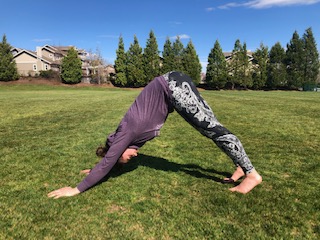
Woman doing yoga on cliff

Did you know that you are a rare commodity, a one-of-a-kind, irreplaceable, and priceless being worth more than the rarest treasure? You are! And so am I.

You are magic, an energy field that can be balanced, growing, and improving just like a well-managed financial portfolio. You are also fragile, an energy field that can be out of balance, stunted, and depleted just like an overdrawn account.

Where your energy goes, just like your money, can either support you or stress you.  Your energy can be managed smartly or it can leak out throughout your day and, just like wasting money on things you do not need, you will be left without a reserve when you need it most.

Managing your energy in a positive way can actually be quite intuitive.  Your body talks to you all the time, we just need to learn to listen.  The same thing happens when we spend our money on unnecessary things, our inner voice tells us we really should not do it.

It is easy to tune in, just listen to your true self. The next time you feel tired I bet you will hear your body say “please do not go out, let’s get to bed early” and if you listen, you are balancing your energy in a positive way! Your account is increasing!


When you balance your checkbook and check your bank statements you can also balance your energy accounts and review what “interests” you.


Examples of reconciling your energy accounts might include:

  • Loving others more with hugs and kisses to balance out stress and to experience touch.
  • Trying out yoga to restore your body and to balance out hard workouts.
  • Giving thanks for all your blessings to experience gratitude and to balance out your struggles.
  • Saying no to others to own how you feel and to honor yourself when you need time for yourself.
  • Eating healthy food to replenish your energy stores and to balance out and support the body’s healing process.
  • Taking vitamins and minerals to increase your immunity and to balance missed meals. (Take our five-minute science-backed assessment to find out which supplement combo might be right for you.)
  • Speak up and say what you need to say to your friends, to your family to your boss and to yourself. Honesty and truth free you and allow you to accommodate your needs openly.


You can be your body’s best banker as long as you remain your body’s best friend.  Take good care of you.  Investing in yourself pays off more than you could ever imagine.


This information is not intended as a substitute for the advice provided by your physician or other healthcare professional or any information contained on or in any product label or packaging. Do not use the information from this article for diagnosing or treating a health problem or disease, or prescribing medication or other treatment. Always speak with your physician or other healthcare professional before taking any medication or nutritional, herbal or homeopathic supplement, or using any treatment for a health problem. If you have or suspect that you have a medical problem, contact your health care provider promptly. Do not disregard professional medical advice or delay in seeking professional advice because of something you have read in this article.

Find out what supplements are right for you

Take the assessment

7 healthy energy drinks recommended by nutritionists

matcha tea

Can you relate? You wake up and start powering through your day, and then suddenly, your productivity and motivation fades. You’ve hit the dreaded afternoon slump, so you reach for an energy drink to stay alert and finish the day. A lot of us do this, but is it healthy?

Sadly, most energy drinks are full of excess caffeine and sugar, both of which help boost energy temporarily but can have a negative impact on your health over time.1,2 Luckily, there are better options.

We asked our team of Dietitians and Nutritionists to share their recommendations. So rather than grabbing a cocktail of unhealthy ingredients, try one of these instead.  

1) Water  

Tannaz Vandaie, BSN 

It may seem obvious, but the truth is, many of us don’t drink enough water. If you’re feeling lethargic, Tannaz recommends reevaluating your water intake. Water is essential to health. It supports important functions like digestion, fluid electrolyte balance, and joint health, but we’re constantly losing it through breathing, sweat, and urine. If you’re not replacing it as you go, it can lead to dehydration and have a big effect on your energy.  

If you don’t think you’re drinking enough water, try taking a water bottle with you when you head out for the day. You may find it puts that spring back in your step.  

2) Coconut Water  

Gina Ailani, BSN 

If you struggle with plain water and need some extra flavor, try coconut water. It’s lower in sugar compared to other fruit juices and includes antioxidants to boost energy. Coconut water is Gina’s favorite pick-me-up after a tough workout! It’s rich in electrolytes like magnesium and potassium and is a great option if you need to stay active and/or feel fatigued after exercise.  

3) Beet Juice  

Brooke Respondek, RDN 

Drink your veggies? In this case – yes! Beets are loaded with antioxidants and health-promoting properties. Brooke recommends beet juice as a healthy alternative to boost energy for daily activities, and even to enhance athletic performance. Nitrites found in beets are converted to nitric oxide in the body, which helps support blood flow, energy, and endurance. 

Brooke’s pro tip: add a splash of lemon juice for extra flavor. 

4) Kombucha  

Hayley Miller, RDN 

Hailed as a drink to improve health, Kombucha is also Hayley’s favorite natural drink for energy. This fermented tea contains probiotics to support gut health and is packed with antioxidants and B-vitamins to help overcome that midday slump. Kombucha has some caffeine, so it’s better to drink it in the morning and reap the benefits throughout the day.    

5) Coffee  

Sonya Carbajal, BSN 

Let’s be honest, we all love coffee to fuel energy. Thankfully, Sonya gives us the green light to stay loyal to our classic brew. It’s rich in antioxidants and can boost memory, mood, attentiveness, and overall mental function.3 But remember: More isn’t always better. Too many coffee refills can lead to jitters and nervousness or poor sleep. Also be mindful that what you add to coffee may outweigh its benefits. Instead of loading up on cream and sugar, try adding milk or using naturally sweet spices, such as vanilla extract, cinnamon or cocoa powder.   

6 & 7) Green Tea and Matcha 

Mackenzie Propheter, BSN & JoAnne Usdavin, MSN 

Green tea and matcha are touted as among the healthiest drinks out there. Though differences in the way they’re grown and processed make them two separate teas, both share similar health benefits.4 Green tea and matcha are packed with antioxidants, support energy and help improve concentration and mood.5 If you’re like Mackenzie and prefer a light and mild flavor, choose green tea. If you’re like JoAnne and prefer a rich and intense flavor, try matcha. 

JoAnne’s pro tip: Add some milk to make matcha latte. Delicious.  

Gabby is a nutritionist with a master’s degree in strategic communications. She loves using her nutrition-fluency with storytelling to encourage positive change. Before Persona, she worked at a mental health clinic helping clients manage stress, anxiety and other mental health issues through diet.   

Gabby is just one of Persona’s team of qualified nutritionists. Do you have questions about nutrition? Reach out. Our experts would love to help. 

This information is not intended as a substitute for the advice provided by your physician or other healthcare professional or any information contained on or in any product label or packaging. Do not use the information from this article for diagnosing or treating a health problem or disease, or prescribing medication or other treatment. Always speak with your physician or other healthcare professional before taking any medication or nutritional, herbal or homeopathic supplement, or using any treatment for a health problem. If you have or suspect that you have a medical problem, contact your health care provider promptly. Do not disregard professional medical advice or delay in seeking professional advice because of something you have read in this article.  
 

References:

  1. Chacko SM, Thambi PT, Kuttan R, Nishigaki I. Beneficial effects of green tea: a literature review. Chin Med. 2010;5:13. Published 2010 Apr 6. doi:10.1186/1749-8546-5-13 
  2. Boston 677 Huntington Avenue, Ma 02115 +14951000. Energy drinks. The Nutrition Source. 
  3. Smith AP, Brockman P, Flynn R, Maben A, Thomas M. Investigation of the effects of coffee on alertness and performance during the day and night. Neuropsychobiology. 1993;27(4):217-223. 
  4. Kochman J, Jakubczyk K, Antoniewicz J, Mruk H, Janda K. Health benefits and chemical composition of matcha green tea: a review. Molecules. 2020;26(1):85. 
  5. Chacko SM, Thambi PT, Kuttan R, Nishigaki I. Beneficial effects of green tea: A literature review. Chin Med. 2010;5:13. 

Find out what supplements are right for you

Take the assessment

6 energy-boosting tips to beat the winter blues

Winter is here, and with it comes colder days, darker mornings and even darker evenings. If you find this seasonal shift makes you feel sad and sluggish, you’re not alone. The winter blues are a real thing.  

Sunlight triggers the release of serotonin, a feel-good chemical that keeps your brain up to speed and helps put you in a good mood. When the days get shorter, your serotonin production drops and you release more melatonin, a hormone linked to sleep.1  This chemical change can leave you feeling tired and more than a little down. So what can you do? Here are some tips to help you beat the winter blues.   

1) Shake a leg 

When you’re feeling down, the last thing you may want to do is move. But movement and regular exercise can help relieve stress, improve mood and increase energy, so it’s important to keep up your physical activity—even in winter. There’s no one-size-fits-all exercise routine, so focus on an activity that makes you feel good, and that you know you can maintain over time.  

2) Skip the junk food 

Food is fuel for your body, and what you eat influences how you feel. Eat regular meals to keep your blood sugar stable and include a variety of foods: Whole grains and veggies, lean proteins, and healthy fats will help keep up your mood and energy. Limit intake of junk food and sugary snacks. 

3) Catch those Z’s 

Make your sleep schedule a priority. Sleep allows your mind and body to rest and restore. Getting too little or too much sleep can amplify your irritability and make it hard to think and focus. Try to get 7-9 hours at the same time every night. You may find you feel a lot better. 

4) Get some fresh air 

Try to go outside as often as you can, especially on brighter days. Since the winter blues are linked to a shortage of sunlight, it’s not surprising that more light can help. It may be cold, but it’s worth it. Bundle up, step outside and get some sunlight and fresh air. You may find your energy improves, your stress is reduced and you start to get better sleep.  

5) Take the right vitamins  

If you’re not getting the vitamins and nutrients you need, it can affect your mood and energy. Vitamin D, folic acid, magnesium, and others are linked to better emotional and mental health. Supplementing with vitamins can help fill nutrition gaps that can be hard to fill with food alone. Take Persona’s 5-minute assessment to find a personalized program for you. 

6) Practice self-care  

Take some time for yourself. Prioritize the things that make you feel good and keep you motivated. Meditate to help manage stress, find an activity that makes you laugh, and be intentional about surrounding yourself with people who support you and bring out your best.  


About Gabby

Gabby is a nutritionist with a master’s degree in strategic communications. She loves using her nutrition-fluency with storytelling to encourage positive change. Before Persona, she worked at a mental health clinic helping clients manage stress, anxiety, and other mental health issues through diet.   

Gabby is just one of Persona’s team of qualified nutritionists. Do you have questions about nutrition? Reach out. Our experts would love to help. 


This information is not intended as a substitute for the advice provided by your physician or other healthcare professional or any information contained on or in any product label or packaging. Do not use the information from this article for diagnosing or treating a health problem or disease, or prescribing medication or other treatment. Always speak with your physician or other healthcare professional before taking any medication or nutritional, herbal or homeopathic supplement, or using any treatment for a health problem. If you have or suspect that you have a medical problem, contact your health care provider promptly. Do not disregard professional medical advice or delay in seeking professional advice because of something you have read in this article. 

References:

1. Kent ST, McClure LA, Crosson WL, Arnett DK, Wadley VG, Sathiakumar N. Effect of sunlight exposure on cognitive function among depressed and non-depressed participants: a REGARDS cross-sectional study. Environ Health. 2009;8:34. Published 2009 Jul 28. doi:10.1186/1476-069X-8-34 

Find out what supplements are right for you

Take the assessment

5 Healthy Snacks to Boost Your Energy

bananas spread out

You know that special time of day when your morning coffee wears off and your blood sugar starts to tank? You’re not alone. That afternoon slump is a real issue for a lot of people. Fortunately, it’s nothing a well-balanced snack can’t fix. Here are 5 healthy snack ideas that will help refresh your mind and boost your productivity. 


Fancy Banana  

Smear some peanut butter on a banana and sprinkle with your favorite granola or nut mixture. The result? A crunchy, creamy, snackable bite that’s high in fiber, vitamins and healthy fats.  

Why it’s our go-to: Fiber and healthy fats keep you full. Nutrients like B6 and magnesium fuel your brain and support healthy blood sugar levels. 


Savory Popcorn 

Create a spice mix of nutritional yeast, spirulina, garlic powder, cayenne, turmeric, salt and pepper. Toss it over prepackaged or home-popped popcorn. Yum. 

Why it’s our go-to: Popcorn is a whole grain and a great source of fiber. Nutritional yeast and spirulina add protein which make this snack even more filling and nutritious.  


No-Bake Date Bites 

Blend dates, almonds and dark chocolate chips in a food processor until the mixture is sticky. Roll into balls and coat with coconut. Freeze for 1-2 hours.  

Why it’s our go-to: Dates and almonds provide fiber that fills you up, and the dark chocolate packs an antioxidant rich punch. Satisfy your sweet tooth without the afternoon sugar crash.   


Papayacht 

Cut a papaya in half and scoop out the seeds. Load it up with Greek yogurt and top with cinnamon, honey, bee pollen and granola.  

Why it’s our go-to: Fresh fruit, creamy yogurt and crunchy granola is a perfect combo of fiber, proteins and nutrients like vitamin C and potassium.  


Baked Chickpeas 

Blot chickpeas, toss in olive oil and season with garlic salt & cayenne pepper. bake for about 30-40 min (mix once in between). 

Why it’s our go-to: This crunchy, salty snack is sure to satisfy. Take it on the go for an easy source of plant-based protein that is rich in fiber and iron.  


Need an extra energy boost to go with that healthy snack? Supplements might help. Take our assessment and see which energy boosting supplements are right for you.

Find out what supplements are right for you

Take the assessment

6 natural ways to beat the bloat

Meals aren’t fun when you cap them off with bloating, heartburn or indigestion. The good news is: There are things you can do to get your tract back on track.


This month, we’ve put together a list of simple lifestyle changes that can ease your digestion naturally.


1. Tee up the mint tea

Peppermint tea has been used as a digestive remedy for centuries. It turns out our ancestors were on to something. Peppermint contains natural compounds that can help relax your digestive tract, easing the symptoms of gas, bloating and indigestion. So grab a cup, get that pinky up and sip your way to comfort!


2. Watch out for gas makers

If gas is an issue, try cutting back on gas-making foods like broccoli, beans, onions and apples. Pay attention to the result, mark down the ones that make a difference. Not all culprits are obvious, so it’s worth doing a little research before you start your experiment.


3. Favor fermented foods

Fermented foods like probiotic yogurt, sauerkraut, sourdough and miso contain good bacteria that can help your gut do its job. Try working some of these into your diet to see if they quiet your insides.


4. Fill up on fiber

Fiber keeps your gut healthy by bulking up stool, absorbing water and feeding your good gut bacteria. Make sure you get plenty of fiber-rich foods like fruits, veggies, whole grains, lentils, oat bran and other tasty plant parts to keep everything moving along smoothly.


5. Ease up on deep-fried foods

Fatty foods take longer for your body to digest. If you notice you feel bloated or burning after rich meals, try going easy on the chips, burgers and other fatty fare. Your gut may just thank you.


6. Get the right supplements

Certain natural supplements like aloe, ginger root, apple pectin and chamomile can also ease you digestion. If you’re not sure you have the right blend in your Persona pack, book a free consult with one of our nutritionists. They’ll work with you one-one-one to get you on track.


About Claire:

Claire, a Michigan native, graduated from Michigan State University with a Bachelor of Science in Nutrition and Dietetics. She’s passionate about food, yoga, volleyball and changing lives through nutrition.


As a Persona customer, you have unlimited free access to a team of qualified nutritionists just like Claire. Got questions about your supplements? Need to update your pack? Book a free consult today.


This information is not intended as a substitute for the advice provided by your physician or other healthcare professional or any information contained on or in any product label or packaging. Do not use the information from this article for diagnosing or treating a health problem or disease, or prescribing medication or other treatment. Always speak with your physician or other healthcare professional before taking any medication or nutritional, herbal or homeopathic supplement, or using any treatment for a health problem. If you have or suspect that you have a medical problem, contact your health care provider promptly. Do not disregard professional medical advice or delay in seeking professional advice because of something you have read in this article.


Find out what supplements are right for you

Take the assessment

Low FODMAP diet for IBS

Irritable Bowel Syndrome (IBS) is considered a functional disorder, so there is no test for diagnosis. IBS includes a complex mixture of symptoms such as constipation, diarrhea and abdominal pain accompanied by periods of normal digestion. For this reason, it can be difficult to diagnose and treat but fortunately, a low FODMAP diet may provide relief for some.


Why low FODMAP might work

A low FODMAP diet limits foods containing hard to digest sugars. Some examples of high FODMAP foods includes apples, cashews, and beans. One study found that limiting high FODMAP foods improved symptoms in 3 out of 4 participants (2).


Low FODMAP basics

  • Elimination phase: The first step is to eliminate high FODMAP foods from your diet. This is typically recommended for a 6-8 week period.
  • Reintroduction phase: After the elimination period, you will begin to reintroduce foods in your diet one at time. During this phase, you will want to keep a food journal to track your diet and any symptoms you may be experiencing.
  • Maintenance phase: Your food journal should help you identify which foods triggered any symptoms. You will likely want to remove these trigger foods from your diet. Work with a Registered Dietitian to ensure you’re addressing any gaps in your nutrition.


Before you get started

The low FODMAP diet may not be the right choice for everyone. Since a lot of foods are off limits on this diet, it may be hard to get all the nutrients your body needs. In some cases, supplementing with a high-quality multivitamin may help. Set up an appointment with a Registered Dietitian to see if this diet may be right for you.

Do you have questions about nutrition? Reach out. Our experts would love to help.


This information is not intended as a substitute for the advice provided by your physician or other healthcare professional or any information contained on or in any product label or packaging. Do not use the information from this article for diagnosing or treating a health problem or disease, or prescribing medication or other treatment. Always speak with your physician or other healthcare professional before taking any medication or nutritional, herbal or homeopathic supplement, or using any treatment for a health problem. If you have or suspect that you have a medical problem, contact your health care provider promptly. Do not disregard professional medical advice or delay in seeking professional advice because of something you have read in this article.

References:

  1. Mahan, L. K., & Raymond, J. L. (2017). Krauses food & the nutrition care process. St. Louis, MO: Elsevier.
  2. Gibson, P. R. (2011), Food intolerance in functional bowel disorders. Journal of Gastroenterology and Hepatology, 26: 128–131. doi:10.1111/j.1440-1746.2011.06650.x

Find out what supplements are right for you

Take the assessment

3 worst foods for your digestion

Food should not only taste good, but it should also leave you feeling good throughout the day. If you’re left feeling a bit sluggish, blocked up or just downright uncomfortable after meals, it could be time to take a look at the foods you’re eating. A few simple changes to your diet can help soothe those tummy troubles and help you enjoy your meals again.

Fried food

Fried food is low in fiber and high in fat. Unfortunately, this combo is a recipe for stomach upset, like diarrhea. Sticking to smaller portions of fried foods can help you enjoy them without the unpleasant side effects.

Artificial sweeteners- sucralose, aspartame, saccharin, xylitol

For some people, artificial sweeteners can contribute to abdominal cramps and diarrhea. Artificial sweeteners are common in ‘low calorie’ or ‘diet’ food and drink and are best avoided if they trigger any discomfort.

Alcohol

Alcohol can be irritating to the digestive tract and it may even reduce the diversity of helpful bacteria that live in your gut. Chronic, excessive alcohol use can lead to inflammation, organ damage, and nutrient deficiencies. Stick to alcohol in moderation. That’s one drink per day for women and two drinks per day for men.

Looking for more ways to support your digestive health? Personalized supplements can help. Take our five-minute science-backed assessment to find out which supplement combo might be right for your digestive health.


This information is not intended as a substitute for the advice provided by your physician or other healthcare professional or any information contained on or in any product label or packaging. Do not use the information from this article for diagnosing or treating a health problem or disease, or prescribing medication or other treatment. Always speak with your physician or other healthcare professional before taking any medication or nutritional, herbal or homeopathic supplement, or using any treatment for a health problem. If you have or suspect that you have a medical problem, contact your health care provider promptly. Do not disregard professional medical advice or delay in seeking professional advice because of something you have read in this article.

References:

  1. Eales J, Gibson P, Whorwell P, et al. Systematic review and meta-analysis: the effects of fermented milk with CNCM I-2494 and lactic acid bacteria on gastrointestinal discomfort in the general adult population. Therap Adv Gastroenterol. 2017;10(1):74-88.
  2.  Slavin J. Fiber and prebiotics: mechanisms and health benefits. Nutrients. 2013;5(4):1417-3

Find out what supplements are right for you

Take the assessment

10 tips for tackling heartburn without antacids

Do you find yourself popping Pepto after big meals? You’re not alone. A lot of heartburn sufferers turn to medications to cut down the unpleasant effects of acid reflux. But there’s a catch: Over the long term, treatment with antacids can have some nasty health effects, including nutrient deficiencies and stomach upset.

Luckily, you have more natural options for heartburn relief. Some simple changes to your diet and lifestyle can go a long way to stopping heartburn in its tracks.


  1. Zero in on your dietary triggers

Heartburn is often triggered by a handful of hard-to-digest foods & drinks: Alcohol, caffeine, chocolate, peppermint, citrus, tomatoes, onions, fried foods and hot spices are some of the top offenders.

Try cutting these out of your diet and reintroducing them one at a time to zero in on the ones causing your problem. Put those on your hit lit and send them packing—permanently.

  1. Stay upright after meals

We all love to plunk down on the couch after a nice meal, but it could be making your heartburn worse. If you recline right after eating, the acidic mixture in your stomach can sometimes flow into your esophagus where it will cause that uncomfortable burning sensation.

Make sure you eat your last meal no less than 3 hours before going to bed, and if you have a habit of reclining on the sofa after dinner, try sitting up instead. It will give your body time to digest before you get horizontal.

  1. Try smaller meals more often

Eating too much at once is a big heartburn trigger. When you fill your stomach to brimming, the mixture inside can sometimes get out. So rather than eating three big meals a day, try cutting down your portion sizes and eating 5 or 6 times.

  1. Put down the smokes

It’s no secret that smoking is a big health no-no, but not everyone realizes it can contribute to heartburn by impairing the muscle that keeps acids in your stomach. If you can bring yourself to Butt out, you may find your food goes down easier—and stays down.

  1. Ditch the skinny jeans

Tight clothes put extra pressure on your abdomen, which can make it easier for stomach acid to escape. Try wearing looser-fitting clothes to keep your digestive system happy.

  1. More fiber, more water

The microbes in your digestive tract are your friends; if you treat them well, they’ll return the favor. Make sure you eat plenty of fiber (their favorite food) and drink lots of water throughout the day to keep them healthy, so they can keep everything moving along.

  1. Say no to screens at mealtime

Who hasn’t fiddled with their phone at mealtime? Believe it or not, this habit can contribute to heartburn by making you eat too much too fast—and there’s science top back this up. Turn off the TV, put down your phone and slow down to enjoy your meal.

  1. Get your body moving (but not right after eating)

Regular workouts are a great thing: They help your heart, improve your sleep and come with a host of other benefits. But running right after a big meal is likely to spell heartburn trouble. Wait at least of 1  1/2 hours after eating before doing any hard exercise.

  1. Tilt your bed (really)

If your acid reflux triggers when you lie down at night, try raising the head of your bed 4-6 inches with a wedge pillow. This will help prevent your stomach acid from escaping into your esophagus when you’re trying to sleep.

  1. Get the right supplements

If switching up your diet isn’t doing the trick, you can get a helping hand from supplements: Digestive enzymes may help you breakdown food, and if you’re using antacids, you may need some extra vitamin B12, since antacids can make it harder to absorb.


Interested in supplements, but not sure where to start? Take our 5-minute assessment to find out which supplement combo is right for you.


This information is not intended as a substitute for the advice provided by your physician or other healthcare professional or any information contained on or in any product label or packaging. Do not use the information from this article for diagnosing or treating a health problem or disease, or prescribing medication or other treatment. Always speak with your physician or other healthcare professional before taking any medication or nutritional, herbal or homeopathic supplement, or using any treatment for a health problem. If you have or suspect that you have a medical problem, contact your health care provider promptly. Do not disregard professional medical advice or delay in seeking professional advice because of something you have read in this article.

References:

  1. Changes in prevalence, incidence and spontaneous loss of gastro-oesophageal reflux symptoms: a prospective population-based cohort study, the HUNT study.
  2. Gut. 2012 Oct ;61(10):1390-7. doi: 10.1136/gutjnl-2011-300715. Epub 2011 Dec 21 .

Find out what supplements are right for you

Take the assessment

Digestion Vitamin 101

5 min read

The 4 best foods to get your digestion back on track


Your digestive system is an incredible thing. When it’s in balance, it can help you feel your best day after day, but when it gets out of whack, it can leave you feeling sluggish, blocked up or just downright uncomfortable.

If you think your digestion has gone off course, I have some good news: You may be just a few good food choices away from getting your tract back on track.


Fermented foods – yogurt, kimchi, sauerkraut, kefir, kombucha, miso, and pickled cucumbers.

These foods contain probiotics, which help to balance healthy bacteria in your gut and protect against harmful bacteria. Adding fermented foods to your diet can provide many health benefits and help to decrease gas and bloating (1).

Whole grains – whole wheat, oats, barley, buckwheat, brown rice, quinoa, and popcorn.

Whole grains contain prebiotics, which are the food for the healthy bacteria in your gut. High in nutrients and fiber, whole grains help to bulk the stool and prevent constipation (2).

Fruits – apples, pears, bananas, raspberries, and papayas.

Fruits are high in fiber and are packed with vitamins and minerals that aid in digestion. Eating a wide variety of fruits will encourage regular bowel habits and ease digestive symptoms.

Tea – peppermint, ginger, dandelion, fennel, and chamomile.

Drinking hot tea after a meal may relieve many digestive symptoms such as bloating, gas, nausea, stomach cramps, and heartburn. Ingredients like ginger and peppermint may also help to relax muscles in the digestive system.


About Allie 

Allie is a spin-class-teaching, triathlon-winning nutritionist who loves to help others. She has a master’s degree in nutrition and has published academic research on improving food access for underserved populations.  

Allie is just one of Persona’s team of qualified nutritionists. Do you have questions about nutrition? Reach out. Our experts would love to help. 


This information is not intended as a substitute for the advice provided by your physician or other healthcare professional or any information contained on or in any product label or packaging. Do not use the information from this article for diagnosing or treating a health problem or disease, or prescribing medication or other treatment. Always speak with your physician or other healthcare professional before taking any medication or nutritional, herbal or homeopathic supplement, or using any treatment for a health problem. If you have or suspect that you have a medical problem, contact your health care provider promptly. Do not disregard professional medical advice or delay in seeking professional advice because of something you have read in this article.


Find out what supplements are right for you

Take the assessment

Clean Eating for Beginners: 5 Simple Tips

Fad diets often fail because they are rigid and restrictive and following them often requires doing a complete 180 to our current routines. Clean eating is no different. Luckily, when it comes to building new habits, a little flexibility can go a long way. Take these simple tips along on your clean eating journey and you will find that starting a new diet may be easier than you thought!  


 1) Eat more whole foods 

Whole foods like fruits and vegetables are the obvious go-to but preparing them can be cumbersome. Try store bought popcorn, hummus, apple sauce, or peanut butter which are convenient options that are nutritionally very similar to their homemade counterparts.  

2) Cook at home.  

Taking on clean eating means you will be spending a little more time in your kitchen. This can intimidating, especially if you are used to take-out. Pre-chopped veggies and spice blends can be helpful shortcuts. Try mastering a few simple recipes that can be whipped up in 20 minutes or less. 

 Remember, the more you practice cooking, the quicker and more convenient it will become!  

3)  Explore new flavors   

Eating more whole foods can get boring if you buy the same three vegetables every week. A balance between routine and exploration can be key for sustaining clean eating long term. Try incorporating one new vegetable or cooking method in to your routine each week. You might discover a new favorite!  

4) Be mindful of your eating  

Succeeding at a new diet means will require you to turn off auto-pilot to make more conscious food choices. Instead of viewing this break from routine as a headache, embrace the mindfulness that every new diet demands. Start by planning out a few meals each week as you make your grocery list.  

5) Better Hydration 

Sodas, flavored coffee and other sugary beverages are off limits if you’re sticking to clean eating. You’ll be looking for other ways to hydrate. Flavored water, low sugar electrolyte drinks, and seltzer are all great options if you’re used to drinking more sugary beverages. 


About Allie 

Allie is a spin-class-teaching, triathlon-winning nutritionist who loves to help others. She has a master’s degree in nutrition and has published academic research on improving food access for underserved populations.  

Allie is just one of Persona’s team of qualified nutritionists. Do you have questions about nutrition? Reach out. Our experts would love to help. 

Find out what supplements are right for you

Take the assessment

Fitness Immunity

5 min read

How Antioxidants Can Support Your Workout

Finding your exercise motivation

Exercising is an essential part of staying healthy. Consistent exercise benefits have been studied for decades and is linked to healthy cardiovascular systems, improved muscle function, optimal cognitive processing, and a healthy weight. Many of us know we could use more exercise in our week, but finding our motivation isn’t as easy.


Personally, I’ve gone through many different exercise “phases” in my life. My first experience with consistent exercise as a child was forced upon me by my parents as a PE credit. I had to hike to the top of a small mountain by my house two to three times every week. I absolutely hated it. I cried, I threw fits, and questioned my parent’s sanity. I tried just about everything to make it more enjoyable including listening to music, distracting myself with mental games, and just plainly complaining until I was exhausted.


Over the years, though, I noticed that something magical was happening; whenever I finished my hike, I felt euphoric. My mood was radically changed after a workout. As a teenager, I only thought exercise was a means to obtain the model body I idolized (which never happened, by the way). I tried hours of plain cardio, then swapped to weightlifting, then tried aerobic dance, or kickboxing, then yoga… you get the idea. Now in my late twenties, I’m leaning into that post-exercise high I’ve enjoyed for so many years and my exercise habits are driven by my mental health. I simply start each morning with a brisk walk and top it off with light weights at home. Just enough to maintain my strength, and plenty to boost my mood.


No matter our exercise type, we all experience physiological stress

Whatever your reason for working out is, whether you’re training for a marathon, are a bodybuilder, a dog walker, a yogi, or just want to ease the stress of everyday life like me, there is one universal truth to exercise; the mechanics and biological processes that our bodies undergo during exercise are the same. We all have little proteins called myosin and actin that work together to contract our muscles, we all have increased blood circulation during heavy movement, and we all increase production of reactive oxygen species (ROS) during our workout.1


When our body produces reactive oxygen species, we can take on damage to proteins, lipids, and DNA.2 Reactive oxygen species include free radicals. This isn’t to drive you away from exercise; free radical production is simply part of the normal metabolic process of living. Thankfully, our amazing body also has tools to protect us from free radicals and the nutrients that we consume are part of that antioxidant defense system. Vitamins like vitamin E and C, for example, function as antioxidants to fight damage left by free radicals.


The role of nutrition and defense against free radicals

A new and interesting ingredient recently highlighted for its antioxidant-rich benefits is marine phytoplankton. Marie phytoplankton is a type of microscopic marine algae. The National Ocean Service states, “Phytoplankton, also known as microalgae, are similar to terrestrial plants in that they contain chlorophyll and require sunlight in order to live and grow. Most phytoplankton are buoyant and float in the upper part of the ocean, where sunlight penetrates the water. Phytoplankton also require inorganic nutrients such as nitrates, phosphates, and sulfur which they convert into proteins, fats, and carbohydrates.”3 Phytoplankton provide food for many types of sea creatures as the base of many food webs. You may benefit from phytoplankton too, according to new data.

One human pilot trial gave participants 25mg of Oceanix™ brand marine phytoplankton for 30 days. Participants noticed benefits in peak performance, physiological response, and body composition.4 These benefits are thought to be a result from phytoplankton’s antioxidant-rich composition. Not only is phytoplankton a good source of antioxidants, but it’s also naturally clean and easy to add to your nutrition routine. You can toss it in a smoothie, sprinkle it over a salad, or take it in a supplement form. Oceanix™ is naturally derived, non-GMO, vegan, and sustainably cultivated as well.


Aside from supplements, you can support your post-workout recovery and performance by increasing antioxidant intake in your diet.  Try adding these top USDA tested superfoods to your routine for the best post-workout recovery5:

  • Kidney beans
  • Pinto beans
  • Blueberries
  • Cranberries
  • Artichokes
  • Red delicious apples
  • Pecans
  • Russet potatoes
  • Dark leafy greens


References:

  1. Cooper GM. The Cell: A Molecular Approach. 2nd edition. Sunderland (MA): Sinauer Associates; 2000. Actin, Myosin, and Cell Movement.Available from: https://www.ncbi.nlm.nih.gov/books/NBK9961/
  2. Kawamura T, Muraoka I. Exercise-Induced Oxidative Stress and the Effects of Antioxidant Intake from a Physiological Viewpoint. Antioxidants (Basel). 2018;7(9):119. Published 2018 Sep 5. doi:10.3390/antiox7090119.
  3. What are phytoplankton? National Ocean Service. https://oceanservice.noaa.gov/facts/phyto.html. Accessed September 8, 2021.
  4. Discover Marine Phytoplankton. Lonza. https://www.capsugel.com/consumer-health-nutrition-products/meet-oceanix-the-new-wave-ingredient-for-performance-nutrition. Accessed September 8, 2021.
  5. Top 20 Foods High in Antioxidants. St. Johns Health. Accessed September 8, 2021.

Find out what supplements are right for you

Take the assessment

2021 Back to School Guide: An In-Depth Look

Boy with a mask on sneezing

Written by Our Medical Advisory Board

Keep your family healthy as your kids head back to class

After months stuck at home, kids across the country are finally heading back to class. Busy lunchrooms, classrooms, bathrooms, and busses will expose them to pathogens old and new—just as they’re taking on the stressors that come with full-time school. And if your kids get sick, the whole household is put at risk.

So, what can parents do? It turns out: A lot. Persona’s Medical Advisory Board, a team of nine leading experts from across the U.S, have put together a list of simple steps you can take to keep your loved ones well in the face of a taxing back-to-school season.


No. 1 – Sleep: the miracle cure

Sleep is like a free nightly tune-up for your child’s body and mind. Disrupting that tune-up can lead to a host of problems, from memory and behavioral issues to weight gain—and it can also impair their immune system.

To keep your child’s defenses at full power, help them get a solid night’s sleep every night. That means 9-12 hours for kids 6-12, and 8-10 hours for teens—starting at a regular time (and no, “catching up” on the weekend doesn’t work perfectly). So how do you make regular sleep happen? By practicing good sleep hygiene:

  • Set a routine: regular waking time, mealtime, study time and bedtime.
  • Get moving: Help your child get plenty of exercise—outdoors if possible.
  • Hold the phones: Turn off all screens at least 60 minutes before bedtime.
  • Lights out: Create a dim, cool, soothing sleep environment.
  • Z’s only: Make the bed a place to sleep, not to work and play.
  • Ease into it: Summer skew their schedule? Shift it back in small steps.
  • Walk the walk: Model these good habits yourself!

No. 2 – Ease their mind

Chronic stress can weaken your immune system: It thins out your infection-fighting cells, hampers the ones that remain, curbs the signaling molecules that help your body spot invaders, and even decreases the molecules that clean up after the fight.

To keep your kids healthy, watch out for signs of stress: trouble sleeping, loss of appetite, irritability, mood changes and other red flags. If you spot them, take action to ease their minds:

  • Shake a leg: Exercise lowers your kids’ stress hormones.
  • Write it down: Writing out worries can quiet a buzzing brain.
  • Go outside: Get them out in daylight to bump their feel-good dopamine.
  • Cuddle someone! Good physical contact is a stress killer.
  • Socialize: Hanging with friends helps them unwind.
  • Take three deep breaths: It may sound silly, but it works!


No. 3 – Wash those hands

Germs get into your body through your eyes, nose and mouth, so keeping kids’ hands clean is key to keeping them healthy. This means teaching (and reminding) little ones to wash their hands before meals, after going to the bathroom, after blowing their nose and when they return home from school.

Make sure you show them how to do it properly: Wet their hands and apply soap, rub their hands to together vigorously for 20 seconds (front, back and between the fingers), rinse thoroughly and dry. If a favorite song helps them reach that 20-second mark, sing along! And if a good scrub isn’t possible, encourage them to use the hand sanitizer you tucked in their backpack or coat pocket.


No. 4 – Check those shots

Over the past year and a half, public health restrictions have caused a big drop in visits to the doctor’s office, which has in turn made families fall behind on immunization. That gap leaves us all open to old-fashioned invaders like meningitis, measles, tetanus and whooping cough.

Before your kids head back to school, check with your doctor to make sure they’re caught up on their vaccines (including that annual flu shot). We may have forgotten about those old-school illnesses, but they haven’t forgotten about us.


No. 5 – Fuel up at breakfast

Your parents weren’t making it up: Breakfast really is an important meal. Fueling kids up on well-balanced food sets them up for success: better memory, better test scores, better mood, healthier body weight, better overall health—and a stronger immune system.

So what makes a healthy breakfast? A mix of three things: Whole grains to charge their batteries; protein to help them feel full (and keep their blood sugar consistent), and fruits or veggies for added nutrients and fiber. Avoid sugary treats. A few ideas:


Avoid sugary foods for breakfast, encourage a balanced breakfast instead


No. 6 – Pack a lunch that packs a punch

No single food will optimize your child’s immune system, but a nutrient rich diet will go a long way to curbing obesity, nutrient deficiencies and other health issues over the long term.

As with breakfast, your child’s lunch should include a mix of whole grains, protein, fruits and veggies. Some of the breakfast ideas listed above would do the trick, as would whole grain wraps or sandwiches that include those three key components. Steer clear of prepackaged foods (including granola bars!), since they tend to be loaded with sugar.

If you’re looking to give their immune system a bump, throw in some citrus fruit (a good source of vitamin C), green and orange veggies (beta carotene) or berries (polyphenols), all of which help maintain their body’s defenses.


No. 7 – Water, water every day

Your kids need water to stay healthy. It keeps their blood flowing and gets everything to where it needs to go. If they don’t get enough, it can impact their body’s functions—including their immune system.

For young ones, thirst isn’t always a clear indicator, so how do you know they’re getting enough? Look for the signs of dehydration: fatigue, mood swings and dark urine. If you think they’re low on fluids, tuck an extra water bottle in the lunch bag and encourage them to drink water. Avoid soft drinks, fruit juice, energy drinks and other sugary liquids; they’ll do more harm than good.


No. 8 – Stretch those legs

The connection between exercise and immune health is still being studied, but one thing is certain: kids need to move to stay healthy—and that means at least an hour of moderate to vigorous physical activity each day. How do you help them hit that mark? A few pointers:

  • Choose the right place: Take kids to the park, the beach, the YMCA or another environment that makes them want to move.
  • Screen out screens: Limit TV, computers, video games and phone time to an hour a day. Use the extra time to get outside.
  • Use your weekends: Plan an outdoor activity every weekend—hiking, basketball, volleyball, mountain biking or even a trip to the zoo.
  • Ditch your wheels: Leave the car at home whenever you can and walk together to your destination.
  • Exercise as a family: Work out at the gym with your teen; play outside with your little ones.


No. 9 – Supplement their diet 1

Persona’s immunity gummies for kids, teens & parentsYour immune system needs certain nutrients to stay strong, but it’s hard to get them all through your diet—especially if you’re low on veggies. To keep up your family’s defenses, consider enriching your diet with key supplements like vitamin C, vitamin D3, zinc, probiotics and mushroom extracts. Not sure where to start? Check out Persona’s immunity gummies for kids, teens & parents. Or better yet, talk to one of our nutritionists: It’s free!


References:

i Benton D, Maconie A, Williams C: The influence of the glycaemic load of breakfast on the behavior of
children in school. Physiology & Behavior 2007;92:717-724.

Ingwersen J, Defeyter M, Kennedy D, et al: A low glycaemic index breakfast cereal preferentially prevents children’s cognitive performance from declining throughout the morning. Appetite 2007;49:240-244.

Farshchi H, Taylor M, Macdonald I: Deleterious effects of omitting breakfast on insulin sensitivity and fasting lipid profiles in healthy lean women. American Journal of Clinical Nutrition 2005;81:388-396.

Mahoney C, Taylor H, Kanarek R, et al: Effect of breakfast composition on cognitive processes in elementary school children. Physiology & Behavior 2005;85:635-645.

Smith A, Clark R, Gallagher J: Breakfast cereal and caffeinated coffee: Effects on working memory, attention, mood, and cardiovascular function. Physiology & Behavior 1999;67:9-17.

Smith A, Bazzoni C, Beale J, et al: High fibre breakfast cereals reduce fatigue. Appetite 2001;37:249-250.

Smith K, Gall S, McNaughton S, et al: Skipping breakfast: Longitudinal associations with cardiometablic risk factors in the Childhood Determinants of Adult Health Study. American Journal of Clinical Nutrition 2010;92:1316-1325.

ii https://www.healthychildren.org/English/healthy-living/fitness/Pages/Making-Fitness-a-Way-of-
Life.aspx


1 These statements have not been evaluated by the Food and Drug Administration. This product is not
intended to diagnose, treat, cure, or prevent any disease. As with any dietary supplement, you should
advise your healthcare practitioner of the use of this product.

Find out what supplements are right for you

Take the assessment

Find out what supplements are right for you

Take the assessment

Habit Stacking: The Easiest Way to Build New Habits

Habit Stacking Can Help Build Habits Easily

Is it just me or is it harder to build a habit the older we get? My inability to stop hitting the snooze button approximately 11 times every morning leads me to think, “Well, I guess the habits I have now are the only ones I will ever have for the rest of my life.” Our reliable friend science will tell you one portion of this thinking is correct, and the other is, well, a bit dramatic. It is in-fact harder to form new habits as an adult, but still possible!

But why is it so hard to form new habits?

New habits are harder to form as we age thanks to this little-terrifying-sounding-thing called synaptic pruning. Synaptic pruning is your brain’s way of making sure you can do things like take a shower, turn off lights, pour a glass of water, etc. without thinking twice (impressive!). Of course, getting really good at tasks you perform daily leaves less brain space for things you do less frequently- like remembering to send your friend a birthday card so it arrives before their actual birthday (it’s not me it’s my synapses!).

To summarize, we have lots of pathways in play for all our daily habits, and to solidify new habits, we need to make new pathways. This can be a lot of work for our dusty old adult brains, but luckily there are tricks we can use to make the process a little easier. Here are 6 simple habit hacks from Persona’s very own nutritionists. 

1. Allie’s tip: Practice habit stacking

Believe it or not, we can actually use synaptic pruning to our advantage when we attach new behaviors to existing ones with habit stacking. Here’s how: First, pick a new habit you’re trying to build, like taking your vitamins daily. Next, pick a behavior you already do everyday without thinking, like brushing your teeth. Now, stack em’. After you brush your teeth, take your vitamins. After you have your coffee,  meditate. After you close your laptop for the day, put on your walking shoes. You get it. Try this exercise with a new habit you have in mind. With a little self-awareness and planning, habit stacking is an easy trick to help you become more successful in your behavior change.

2. Gina’s tip: Link your new habit to an existing routine.

Working out (pre-pandemic) was a social activity for me. When the pandemic hit, it was a struggle to remain active. To get back at it, I started to associate my workouts with other aspects of my day. The second I’m done with work, it’s time for a quick caffeine boost and into my workout clothes. That means no scrolling through reels, and absolutely no Netflix. Getting into my workout gear right when I’m done with work (and before feeling the tiredness kick in) helped me to follow through and stick to my exercise goals. 

3. Hayley’s tip: Tackle your most daunting task first. You won’t regret it!

Working out in the morning helps me set my day up for success. I hop out of bed and head to the gym within 10 minutes, that way, I don’t have the time to dread the workout all day or put it off. I always lay my workout clothes out before bed and fill up my water bottle to just grab it and go in the morning. Working out in the morning helps me have a productive day.

4. Mackenzie’s tip: Look for patterns in your daily routine to help take existing habits and create new ones.

Working from a desk all day can make it hard to find time to get up and move. I really wanted to increase my daily steps, so I committed to taking walks on my lunch break to get my body moving. Now, this is a daily habit that I look forward to. It has helped increase my energy, allows me to get my daily dose of Vitamin D and gets me closer to my step goals! 

5. Claire’s tip: plan! Think of one thing you can do to make your habit easier to accomplish and do it!

Set small goals at the beginning of the week and take time on day one to put things in place for you to be successful at that goal. When I wanted to start drinking more water, I made sure to get a 64 oz jug that I could fill up every morning and keep at my desk. 

6. Karina’s tip: Set up visual cues, an aptly placed post-it note can go a long way.  

I use little written notes or post-its to remind myself to do things. When I couldn’t remember to take my vitamins, I wrote “VITAMINS” in marker on my toothbrush. It ended up being super reliable and now I take my vitamins morning and evening. 

If you’re struggling with taking your supplements, read 5 tips to make swallowing pills easier to help you out.

About Allie 

Allie is a spin-class-teaching, triathlon-winning nutritionist who loves to help others. She has a Master’s degree in nutrition and has published academic research on improving food access for underserved populations. 

Allie is just one of the many experts at Persona who are here to accelerate your wellness journey. If you have questions about nutrition or your personalized program, reach out now or book a free appointment with Allie or another of our amazing nutritionists. 

This information is not intended as a substitute for the advice provided by your physician or other healthcare professional or any information contained on or in any product label or packaging. Do not use the information from this article for diagnosing or treating a health problem or disease, or prescribing medication or other treatment. Always speak with your physician or other healthcare professional before taking any medication or nutritional, herbal or homeopathic supplement, or using any treatment for a health problem. If you have or suspect that you have a medical problem, contact your health care provider promptly. Do not disregard professional medical advice or delay in seeking professional advice because of something you have read in this article. 

Find out what supplements are right for you

Take the assessment