Bloating is a common complaint for many people. Studies show that 15-30% of the population experiences bloating symptoms.1 Bloating is the uncomfortable expansion of the abdomen with varying associated symptoms. Some individuals feel pain during bloating, while others might only notice distension. There are many root causes of bloating as well as many false opinions that bloating treatment is one-size-fits-all. There isn’t one food or supplement that will relieve bloating, because everybody’s bloat is unique. If you experience this uncomfortable chronic condition, here are 4 causes of bloating you may want to ask your doctor about.
You don’t produce enough stomach acid or digestive enzymes
Stomach acid, or gastric juice, is responsible for the breakdown of food. Stomach acid is comprised of digestive enzymes, hydrochloric acid, and other substances. The body produces 3-4 liters of stomach acid every day.2 Stomach acid also helps to kill bacteria. In addition, digestive enzymes are produced by the pancreas and help to split proteins. Low stomach acid or enzymes can lead to undigested or improperly digested food and sluggish gut movement. While not a common disease, pancreatic insufficiency is a disease of the pancreas that leads to low enzyme production. Low stomach acid can also have many etiologies such as mineral deficiencies or ongoing stress. If you have digestive symptoms including abdominal pain, bloating, loss of appetite, feelings of fullness, or diarrhea, talk to your doctor.3
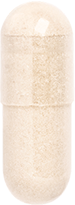
Try our Digestive Enzymes
Our proprietary blend of enzymes aids digestion for abdominal comfort and enhanced nutrient absorption.*
Food intolerances are common, especially as our food becomes more processed. Common trigger foods include lactose (milk, yogurt, and some cheeses) and gluten (breads, pastries, and pasta). It is important to note that food allergies and intolerances are two different conditions. According to the GI Society, “In contrast to food allergy, food intolerance does not involve the body’s immune system. Intolerance is an adverse reaction to a food, likely to originate in the gastrointestinal system, usually caused by a limited ability or an inability to digest or absorb certain foods or their components.”4 Food intolerances can cause bloating, abdominal pain, and bowel changes. Food intolerances, unlike food allergies, are difficult to test for. You can keep a food journal with symptoms to identify your trigger foods. You can then test with an elimination diet to find out which foods are causing your symptoms. Talk to your doctor or a nutritionist for more information.
You haven’t been tested for SIBO
Small Intestinal Bacteria Overgrowth occurs when the small intestine experiences an overgrowth of bacteria. While the bacteria may not necessarily be “bad”, the small intestine is not meant to house large amounts of bacteria, regardless of if they are beneficial or not. Overgrowth of bacteria in the small intestine can lead to inappropriate fermentation of foods that lead to chronic bloating that doesn’t resolve on its own. Symptoms of SIBO can be reduced by adhering to a low FODMAP diet, a diet low in fermentable oligo-, di-, mono-saccharides, and polyols. High FODMAP foods include apples, blackberries, watermelon, garlic, beans, onions, broccoli, and many types of grains. While a low FODMAP diet is great to reduce symptoms before or during treatment, it can cause long-term vitamin, mineral, and fiber restriction. Treatment options should first include finding the root cause of SIBO (low gut motility or abdominal adhesions, for example) and then treating with antibiotics or antimicrobial herbs. Treatment should be closely monitored to ensure SIBO does not return. If you are interested in testing, ask your doctor for more information on breath tests.
You are chronically stressed
Stress doesn’t just impact the mind, it can also physically attack the body and nervous system. In fact, stress that directly causes digestive upset happens via the “brain-gut axis”. Yes, your brain is directly related to your intestines! Harvard Health describes how the brain-gut axis can lead to digestive upset; “In response to less severe stress, such as public speaking, the digestive process may slow or be temporarily disrupted, causing abdominal pain and other symptoms of functional gastrointestinal disorders. Of course, it can work the other way as well: persistent gastrointestinal problems can heighten anxiety and stress.”5 Slow and sluggish digestion can lead to symptoms such as bloating. If you experience both chronic bloating and chronic stress, try taking at least 5 deep breaths before and after every snack and meal. You can also implement daily stress reduction practices such as walking before eating or starting your day with a calming yoga class.
In addition to the solutions above, using digestive supplements can support your search for the root cause of your bloating. Using motility-activating supplements such as Ginger is a great way to improve your digestion if you have slow gut movement. If you are low in digestive enzymes, try a supplemental Digestive Enzyme. If you experience gas along with your bloating, try finishing your meals with Peppermint Oil. To find out exactly what your body needs, you can take Persona’s personalized questionnaire.
As George Herbert once said, “A good digestion turneth all to health”.
Want to find supplements that are right for you? Take our free assessment for personalized vitamin recommendations based on your health, diet, lifestyle, and prescription medications. The highest quality vitamins are delivered to you every month in convenient daily packs.
Sources:
Lacy BE, Gabbard SL, Crowell MD. Pathophysiology, evaluation, and treatment of bloating: hope, hype, or hot air?. Gastroenterol Hepatol (N Y). 2011;7(11):729-39.
InformedHealth.org [Internet]. Cologne, Germany: Institute for Quality and Efficiency in Health Care (IQWiG); 2006-. How does the stomach work? 2009 Dec 31 [Updated 2016 Aug 21]. Available from: https://www.ncbi.nlm.nih.gov/books/NBK279304/
Pancreatic Insufficiency. Medical University of South Carolina. http://ddc.musc.edu/public/diseases/pancreas-biliary-system/pancreatic-insufficiency.html. Accessed February 27, 2020.
Food Allergy vs. Intolerance. GI Society Canadian Society of Intestinal Research. https://badgut.org/information-centre/health-nutrition/food-allergy-vs-intolerance/. Published 2011. Accessed February 27, 2020.
Stress and the sensitive gut. Harvard Health. https://www.health.harvard.edu/newsletter_article/stress-and-the-sensitive-gut. Published August 2010. Accessed March 2, 2020.
How Stress Affects Digestion (and What to Do About It) In today’s fast-paced world, stress is more than just a mental burden; it has tangible effects on our bodies, especially on our digestive system. If you’ve ever felt your
Many of us are familiar with the benefits of probiotics, the good bacteria found in fermented foods like yogurt, kimchi and kombucha. But while probiotics get a lot of the spotlight when it comes to gut health, their lesser-known
Do you ever get hungry right after a meal? Or find yourself snacking all day without feeling satisfied? It’s a frustrating problem but a common one, and it’s probably rooted in your daily habits. Here are 6 reasons you might
As everyone is anticipating the start of spring, in reality we are still knee deep in cold and flu season. You should be mindful of protecting yourself against germs and supporting your body’s immunity system throughout the year, but especially in the months from November through April.
When people are together there is always going to be a higher likelihood of exposure to bacteria and viruses. Whether you’re in the gym, catching a flight or meeting friends for drinks, you’re in close contact with other people.
There are a number of different ways you can minimize your exposure to germs and support your body’s own immunity system. Here are my top seven ways.
Sleep is extremely important as it refreshes the immune system. The length of sleep is variable per person, but typically the sweet spot is between 6-8 hours. If you’re sleep depleted, you’re much more likely to get a cold.
Wash up whenever you can, but especially before and after eating. Also, it’s better to use antibacterial soap for at least 20 seconds instead of gel hand sanitizers. However, if you don’t have the option for soap and water, you should use what you have available.
Clean your seat, headrest, armrest and table trays too. When you’re traveling be sure to pack antibacterial towelettes so you can easily wipe down the space you’ll be occupying for the next few hours. If you are flying, turn the overhead air nozzle all the way up and direct slightly away from you to create a laminar airflow away from you.
Support your immunity by finding just the right balance of exercise – the key is not to overdo it as over-exercise can make you more vulnerable to most viral illnesses.
Nutrition research points to the use of some dietary supplements to help support overall health and wellness, especially for those who aren’t getting at least five servings of fresh fruits and vegetables daily – more than 80 percent of us. For instance, if you have a slight deficiency in vitamin D, you may be more susceptible to contracting influenza according to a study published in the BMJ. Curcumin is another nutrient that supports health, and may have anti-viral and anti-bacterial properties. If you couple it with black pepper, it can help elevate curcumin levels. Tip: Persona offers vitamin D3 in its foundational multivitamin as well as curcumin coupled with black pepper in its foundational formula.
Use a sauna, if you have access to one, 2-3 times per week as it can support immunity.
It’s now socially acceptable to replace the traditional handshake greeting with an elbow bump. And, turn the other way when you see someone coughing.
Don’t underestimate the power of your body’s immunity system. It’s important to take measures to optimize it throughout the year and especially during peak cold and flu season.
Spring Reset: The Best Supplements to Recharge Energy, Immunity, and Mood As winter fades and daylight increases, many people expect to feel instantly energized. Instead, it is common to experience spring fatigue, low motivation,
Fall Immune Boost: Stay Healthy This Season Strengthen your immunity this fall with simple lifestyle tips and immune supplements that support long-term wellness. As the weather cools and cold and flu season picks up, your immune
Whether it’s the heart of sniffle season or the peak of summer, life is busy, and you want your immune system to keep up. Getting a good night’s sleep, eating healthy foods, and managing your stress are all crucial ways
Small Intestinal Bacterial Overgrowth, also known as “SIBO,” is a condition where excessive amounts of bacteria are present in your small intestine rather than the large intestine where they are normally found. The human gut flora has 10 times more bacteria in the body than cells (crazy, right?) and the majority of these bacteria are usually located in the colon. These bacteria ferment carbohydrates which can cause various digestive symptoms and even nutritional deficiencies in some cases.
What causes SIBO?
SIBO can be the result of several underlying conditions including irritable bowel syndrome (IBS), inflammatory bowel disease (IBD), celiac disease and a variety of other conditions. It can also result from a reduction of naturally occurring stomach acid or from an immune system that isn’t functioning properly. The truth is, SIBO is not yet well understood, but trends in associated conditions, symptoms and treatment have been identified.
Common symptoms?
The signs and symptoms of SIBO can be caused by the malabsorption of nutrients and/or the inflammation that can arise from the fermentation occurring in the small intestine. The digestive symptoms result from the gas produced by the fermentation going on in the small intestine. Studies show that the most common symptoms of SIBO are bloating, gas, abdominal distension, diarrhea and abdominal pain (1).
How do you know if the symptoms you are experiencing are due to SIBO?
See your practitioner if you have any symptoms of SIBO. Doctors often diagnose with a breath test. The premise of the breath test is that since SIBO causes your small intestine to produce methane/hydrogen gas from breaking down sugar in your small intestine, measuring levels of these gases in the breath can help diagnose. (Breath is measured after you are given a highly fermentable drink).
How can you treat SIBO?
Once diagnosed, it’s important to work with your practitioner to get the right treatment for SIBO. SIBO can be treated with a combination of antibiotics and diet changes. Antibiotic treatment is meant to directly kill the bacteria in the small intestine and introducing diet changes can help to indirectly starve the bacteria to death. It’s also important to treat any nutritional deficiencies that may have occurred.
Dietary approach:
Foods containing FODMAPs are often removed as a dietary approach to managing SIBO. These are a group of carbohydrates that your gut has a harder time absorbing properly. Studies have shown that a Low FODMAP diet can help to alleviate GI symptoms and reduce gas production. (2) It’s important to stress that low FODMAP is meant to be followed short-term (typically 4 to 8 weeks) to manage SIBO symptoms and decrease bacterial overgrowth. Long term is not recommend because it can restrict important and beneficial nutrients.
FODMAP stands for:
Fermentable
Oligosaccharides
Disaccharides
Monosaccharides
And
Polyols
Examples of foods you may eliminate on a low FODMAP diet include:
Polyols (sugar alcohols, mushrooms, cauliflower, avocados, stone fruits)
Supplementation:
Adding a digestive enzyme into your supplementation routine can help to break down the fat, carbohydrates, and protein that you eat and helps ease bloating associated with SIBO. Our Happy Gut Formula contains Digestive Enzymes and Peppermint Plus to help with bloating and improve digestion. Want to support your digestive health custom-tailored supplements? Take our free assessment for personalized recommendations based on your unique needs.
References:
Pimentel M, Saad RJ, Long MD, Rao SSC. ACG Clinical Guideline: Small Intestinal Bacterial Overgrowth. Am J Gastroenterol. 2020 Feb;115(2):165-178.
Bellini M, Tonarelli S, Nagy AG, Pancetti A, Costa F, Ricchiuti A, de Bortoli N, Mosca M, Marchi S, Rossi A. Low FODMAP Diet: Evidence, Doubts, and Hopes. Nutrients. 2020 Jan 4;12(1). pii: E148.
How Stress Affects Digestion (and What to Do About It) In today’s fast-paced world, stress is more than just a mental burden; it has tangible effects on our bodies, especially on our digestive system. If you’ve ever felt your
Many of us are familiar with the benefits of probiotics, the good bacteria found in fermented foods like yogurt, kimchi and kombucha. But while probiotics get a lot of the spotlight when it comes to gut health, their lesser-known
Do you ever get hungry right after a meal? Or find yourself snacking all day without feeling satisfied? It’s a frustrating problem but a common one, and it’s probably rooted in your daily habits. Here are 6 reasons you might
It is projected that by 2030, more than 40% of the US adult population will have some form of cardiovascular disease (1). Thankfully, a healthy diet and lifestyle are strong weapons to fight it! It’s no secret that a diet high in fruit and vegetable intake can lower your risk of heart disease — But, let’s get a little more specific. Here’s a look at 5 foods that work hard to support your heart.
Leafy greens
Leafy green vegetables have a great reputation for overall health, but there has been more recent interest in how they can benefit cardiovascular health. Phylloquinone, the major dietary source of vitamin K, is found abundantly in dark-green leafy vegetables and has been shown to reduce risk factors for cardiovascular disease (2).
Here are a few ideas to get your greens in each day:
Add a handful of spinach to your smoothie (You probably won’t even taste it!)
Swap your next rice-based burrito bowl for a greens-based taco salad
Stir a cup of kale into a soup or stew during the last 3-5 minutes of cooking
Whole grains
Whole grains are a great source of nutrients that play a role in supporting heart health and include fiber, B vitamins, and some trace minerals such as iron, magnesium and zinc. The recommendation in the US and Canada is that all adults eat at least half of their grains as whole grains (that’s at least 3 servings per day of whole grains).
Here are some examples of whole grains you can try incorporating into your diet.
Whole-grain bread, preferably 100% whole-wheat bread or 100% whole-grain bread
High-fiber cereal with 5 g or more fiber in a serving
Whole grains such as brown rice, barley and buckwheat
Whole-grain pasta
Oatmeal (steel-cut or regular)
Healthy fats
Heart-healthy poly- and monounsaturated fats have been linked to a lower risk of heart disease by lowering bad LDL cholesterol levels and triglycerides and increasing good HDL cholesterol. These fats also provide essential fatty acids your body needs but can’t produce.
Try incorporating these healthy fats into your diet:
Avocado – try it on toast, on top or your salad, or in a smoothie!
Berries
Berries pack a punch when it comes to nutrients and antioxidants! Anthocyanin-rich berries have demonstrated a variety of benefits to human health, including reducing oxidative stress and inflammation that contribute to heart disease (3).
Here are some tips to boost your berry intake:
Add a handful of blueberries into your morning oatmeal
Throw some frozen mixed berries into your smoothie
Toss them into your whole-grain pancake batter or on top of your waffle
Make a them a sweet addition to your next salad
Beans
Beans and legumes have been gaining attention as an important part of a healthy diet for many reasons – they are high in fiber and several beneficial micronutrients and phytochemicals. Studies are now showing that they may protect against coronary heart disease, diabetes, high blood pressure and inflammation (4).
Here are some delicious ways to add more beans into your diet:
Try adding white beans into your pesto pasta
Prepare a soup or stew that features beans/legumes
Toss them into your salad
Add hummus to an egg sandwich or avocado toast!
Want to start taking supplements to support heart health? Take our free assessment to get personalized vitamin recommendations based on your health, diet, lifestyle, and prescription medications. Get your custom recommendations.
References:
Aune D, et al. Fruit and vegetable intake and the risk of cardiovascular disease, total cancer and all-cause mortality-a systematic review and dose-response meta-analysis of prospective studies. Int J Epidemiol. 2017 Jun 1;46(3):1029-1056.
Douthit MK, et al. Phylloquinone Intake Is Associated with Cardiac Structure and Function in Adolescents. J Nutr. 2017 Oct 1;147(10):1960-1967.
Safra-Stone S, et al. Berry anthocyanins as novel antioxidants in human health and disease prevention. Mol Nutr Food Res. 2007 Jun;51(6):675-83.
Bouchenak M, Lamri-Senhadji M. Nutritional quality of legumes, and their role in cardiometabolic risk prevention: a review. J Med Food. 2013 Mar;16(3):185-98.
Heart Health After 40: Tips for Women and Men Turning 40 does not mean your heart health has to decline. It does mean that paying closer attention to your cardiovascular health becomes increasingly important. As we age, certain
Rebalance Your Life: Sometimes Less Is Exactly What You Need Rebalance Your Life Through Simplifying Have you ever looked at your routine and wondered why you still feel overwhelmed, even when you are doing your best to take care
Nasal Breathing Benefits for Better Health Breathing is something we do more than 20,000 times every day, without thinking about. The way we breathe can influence how our body responds to stress, movement, and everyday demands.
Do you love winter and outdoor sports but suffer from dry, itchy skin or cracked nails? Don’t worry, I have some simple suggestions and supplements to help support your skin needs.
With the winter season upon us, cold weather can bring about dry skin, hair, and even nails due to temperature changes, reduction in humidity, and using heat in your house. Washing your hands can also make it difficult to keep your skin hydrated and soft. Constant exposure to hot water and soap, hand sanitizers, and other harsh chemicals can strip oils from your skin.
Best supplements for dry skin
One way to help support healthy skin is to reduce inflammation. Omega-3 fatty acids are vital for reducing inflammation within the body and are being researched for many other health benefits as well. We mainly find these healthy fats in wild-caught salmon, sardines, cod, walnuts, and flaxseeds. While these are a great addition to a healthy diet, it can be hard for food alone to provide enough omega-3 fatty acids to your diet to get the full benefits. One way to meet those needs is to take an omega-3 fatty acid supplement. Omega-3 fish oil, vegan DHA, and evening primrose oil are all dietary supplements that help to support a healthy inflammatory response to promote skin health.
Both omega-3 and omega-6 play a protective role in the barrier and integrity of the skin. These fatty acids also provide strength in the dermal and epidermal layers of the skin by modulating the inflammatory response. If you are deficient in essential fatty acids, you can lose moisture in your skin, which may lead to rashes, dry skin, and itchiness.
Need healthy skin support?
If you want to support your skin health and you think you may not be getting enough healthy fats in your diet, consider supplementing with essentials fatty acids including omega 3, DHA, or evening primrose oil.
Want to find supplements to support clear, radiant skin all year long? See which high-quality vitamins we recommend to support healthy, hydrated skin. Get Recommendations.
Correction to Lancet Child Adolesc Health 2019; published online Nov 27. https://doi.org/10.1016/S2352-4642(19)30342-6. Lancet Child Adolesc Health. 2019;
Available at: http://lpi.oregonstate.edu/mic/health-disease/skin-health/essential-fatty-acids#content-availability. Accessed January 12, 2020.
Available at: http://www.medicinenet.com/dry_skin/article.htm. Accessed January 12, 2020.
This information is not intended as a substitute for the advice provided by your physician or other healthcare professional or any information contained on or in any product label or packaging. Do not use the information from this article for diagnosing or treating a health problem or disease, or prescribing medication or other treatment. Always speak with your physician or other healthcare professional before taking any medication or nutritional, herbal or homeopathic supplement, or using any treatment for a health problem. If you have or suspect that you have a medical problem, contact your health care provider promptly. Do not disregard professional medical advice or delay in seeking professional advice because of something you have read in this article.
Hey there, skincare enthusiasts! Have you ever wondered if those trendy treatments and age-old advice for flawless skin hold up under scientific scrutiny? Today, we’re diving deep into the world of skincare to explore three
Skin health goes well beyond having a great routine to achieve glowing skin. Yes, using a great face/body washes, moisturizers and SPFs that works well with your skin is important, but did you know that you can nurture your skin
Whether you have long, short, straight or curly hair, you probably put it through the wringer daily. Over time that rough treatment takes a toll. While hair serums and glossing treatments may help, the best thing you can do is treat
It’s common to experience countless stressors in our daily life from our environment, relationships, emotional stress, physical stress, etc. Though stress isn’t always a bad thing when short-lived, prolonged stress is more challenging to cope with overtime and is hard on us both physically and mentally. Thankfully, there are multiple ways to manage stress, including meditation, yoga, music, art, and adaptogens!
What are adaptogens?
Adaptogens are a group of plants that work with the body’s stress response system to adapt to our needs. They are herbs, roots, and fungi that have gained popularity recently in the wellness culture and can be found as supplements, powders, or in juice bars, tonic beverages, and food. Though some of us have just recently learned of all the benefits, it has been used for thousands of years in both Chinese and Aryurvedic medicine to help support the body to cope with stress and other health goals.1
What do adaptogen herbs do?
Clinical trials have found that adaptogens support our mental and physical health by combating against fatigue and stress.2 Adaptogens aid the body to restore homeostasis both physically and mentally by adjusting the release of our stress hormones from the adrenal glands. It can help influence and adjust different organs and tissues in the body to reach balance. Some adaptogens help boost energy, immunity, stamina, the ability to focus, while others may help to support calming anxiety and depression.1,2
The different types of adaptogen herbs
Though there are numerous different types of adaptogenic herbs, we’ll go over four different ones – Ashwagandha, Rhodiola, Panax ginseng (Asian ginseng), and Cordyceps.
Ashwagandha
Ashwagandha is a versatile adaptogenic herb that adapts to your needs to help regulate balance – it is known as one of the most important herbs and has been used for thousands of years in traditional medicine to support immunity, vitality, stamina, and energy, but also supports overall calmness and sleep if needed. It helps reduce inflammation, manages cortisol and can help stabilize your whole hormonal system, while supporting the function of your thyroid and adrenals.3
Rhodiola
Rhodiola helps enhance physical and mental endurance and is popular among athletes to support performance and ease their recovery. Like all adaptogens, Rhodiola works to help reduce stress and lower cortisol levels. It supports mental alertness and clarity and can provide a boost of energy.4
Panax ginseng
Panax ginseng (Asian ginseng) is a root that is known as one of the most stimulating adaptogens. It supports the ability to concentrate, improve memory, enhances physical stamina, and immunity. Panax ginseng also helps prevent age-related cognitive decline, ease anxiety and depression and supports hormonal health.5
Cordyceps
Cordyceps is a medicinal mushroom that supports the body in multiple ways. It provides support in immunity, reduces inflammation, and is known to support normal blood sugar levels. Cordyceps is also known to increase both physical and mental endurance.6
Customized personal vitamin packs
Want to find adaptogens to support your body’s stress response? We’ve got you covered. Take our assessment for a personalized daily vitamin packs tailored to your needs. Get custom recommendations.
References:
Panossian A, Wikman G. Effects of Adaptogens on the Central Nervous System and the Molecular Mechanisms Associated with Their Stress-Protective Activity. Pharmaceuticals (Basel). 2010;3(1):188-224.
Liao LY, He YF, Li L, et al. A preliminary review of studies on adaptogens: comparison of their bioactivity in TCM with that of ginseng-like herbs used worldwide. Chin Med. 2018;13:57.
Singh N, Bhalla M, De jager P, Gilca M. An overview on ashwagandha: a Rasayana (rejuvenator) of Ayurveda. Afr J Tradit Complement Altern Med. 2011;8(5 Suppl):208-13.
Li Y, Pham V, Bui M, et al. an herb with anti-stress, anti-aging, and immunostimulating properties for cancer chemoprevention. Curr Pharmacol Rep. 2017;3(6):384-395.
Available at: http://nccih.nih.gov/health/asianginseng/ataglance.htm. Accessed February 1, 2020.
Tuli HS, Sandhu SS, Sharma AK. Pharmacological and therapeutic potential of Cordyceps with special reference to Cordycepin. 3 Biotech. 2014;4(1):1-12.
Why One-Size-Fits-All Vitamins Don’t Work (and What to Do Instead) As a nutritionist, part of my job is watching the shelf — in stores and online. I want to see what’s trending, what new brands claim, and whether
Staying Consistent With Healthy Habits When Life Gets Busy Staying consistent with healthy habits is one of the biggest challenges people face, not because they don’t know what to do, but because life gets busy. Most people
Stress Management Without Burning Out Even in the most well-intentioned routines, stress can quietly build over time. This is why stress management without burning out matters for long term health and emotional wellbeing. Between
Nutrigenomics is the study of how nutrition impacts genes, with a specific interest in how the diet may contribute to or prevent disease. The study of genetics in general has been of interest to scientists for many years but has more recently sparked interest in the public as consumer testing is now available in easy, take-home kits. With one quick saliva sample you can discover your genetic disease risk, relatives, and country of origin. Expanding beyond just the basics, nutrigenomic testing is now widely available as well. Companies are offering basic suggestions on foods that fit best with your genetic makeup, such as foods that may contribute to weight gain or digestive upset, or genetic predispositions to certain types of nutrient deficiencies. Nutrigenomics is taking personalized nutrition to the extreme. So, what exactly do we know about nutrigenomics?
Nutrigenomics is relatively new to the public market
The topic of nutrigenomics is quickly becoming popular in the United States and around the world. Scientists Neeha and Kinth point out, “…there is an urgent need to boost more research in this field to help people in understanding the relationship between diet and health, and to ensure that everyone benefits from the genomic revolution.”1 However, the application of gene and nutrition technologies were mostly untried and untested in the early 2000s.2 Even though that was 20 years ago, bringing a new scientific technology to the consumer market takes time. It has only been in the past couple of years that the average person could pick up a genetic and nutrition kit online or at the pharmacy.
This raises the question – is it too early to jump into genetic/genomic testing? Perhaps not, but test results should be digested with a few key points in mind.
Genetic results should only be interpreted by trained professionals
Just like any other type of specialist, the study of genetics and genomics is best understood by a specialist. A geneticist, a genetic counselor, or a medical provider who specializes in genetics and genomics is best equipped to help an individual understand results.3 Without proper interpretation, results could be confusing or even alarming. Just like if your doctor drew your blood and sent you home with results but no consultation, you likely won’t understand what is truly important and what isn’t. Many “abnormal” results still can easily be dealt with. If you are interested in trying genetic testing for yourself, purchase an all-inclusive kit from a reputable company, or ask your primary care provider for a referral.
Genetic tests raise ethical issues
Your genes tell the unique story of you. However, they tell a story about you that even you may not be familiar with. Looking into individual genes is almost something right out of a sci-fi movie; you can now get a glimpse into your future. Are you likely to develop Alzheimer’s? A genetic test can tell you. Although, that may not be something you really want to know. On the other hand, it might give you the option to take preventative steps now, like improving your diet. Ultimately, it’s up to you to decide if you are interested in having an in-depth look into your health.
Nutrigenomics is debunking the “one-size-fits-all” philosophy
Food science is constantly evolving and is often confusing to consumers. The food pyramid today looks entirely different than the food pyramid in the 1990s. It’s difficult to keep up with the trends; keto, intermittent fasting, paleo, dairy-free, gluten-free, vegan, flexitarian, are just a few diets that have become very popular just in the last 5 years. The future of nutrigenomics will help to answer the questions, “Are all foods really healthy?” and “Are any foods really bad”? Rather than blindly following the latest dietary trends, each individual can have access to understanding their own unique dietary needs. Imagine everybody eating for the benefit of their own body rather than spending time becoming frustrated when the diet their friend is finding success on doesn’t work for them. Nutrigenomic research shows even generalized micro- and macronutrient recommendations do not affect every individual in the same way.4 Scientists now even believe that diseases like obesity can be addressed on a molecular and metabolic level.5 As nutrigenomics continues to develop over the next few decades, we are sure to see a complete disruption of the current nutrition industry.
If you are interested in personalizing and optimizing your nutrition, speak to your doctor about what genetic testing options would be best for you.
If you know you want a personalized supplement program but aren’t ready to dive into nutrigenomics, try taking our online assessment. You’ll receive supplement recommendations tailored to your diet, health, lifestyle, and prescription medications. Find out what your body really needs
Sources:
Neeha VS, Kinth P. Nutrigenomics research: a review. J Food Sci Technol. 2013;50(3):415-28.
Astley SB. An introduction to nutrigenomics developments and trends. Genes Nutr. 2007;2(1):11-3.
Why might someone have a genetic consultation? National Institutes of Health. https://ghr.nlm.nih.gov/primer/consult/reasons. Published January 21, 2020. Accessed February 10, 2020.
Peña-romero AC, Navas-carrillo D, Marín F, Orenes-piñero E. The future of nutrition: Nutrigenomics and nutrigenetics in obesity and cardiovascular diseases. Crit Rev Food Sci Nutr. 2018;58(17):3030-3041.
Joffe YT, Houghton CA. A Novel Approach to the Nutrigenetics and Nutrigenomics of Obesity and Weight Management. Curr Oncol Rep. 2016;18(7):43.
Why One-Size-Fits-All Vitamins Don’t Work (and What to Do Instead) As a nutritionist, part of my job is watching the shelf — in stores and online. I want to see what’s trending, what new brands claim, and whether
Staying Consistent With Healthy Habits When Life Gets Busy Staying consistent with healthy habits is one of the biggest challenges people face, not because they don’t know what to do, but because life gets busy. Most people
Stress Management Without Burning Out Even in the most well-intentioned routines, stress can quietly build over time. This is why stress management without burning out matters for long term health and emotional wellbeing. Between
Are you getting your daily dose of caffeine from coffee? Energy drinks? Soft drinks? Those may get the job done, but they don’t do anything more. Filled with artificial flavors and sugar, they may even be doing more harm than good.
Yerba Mate Tea may be the game changer.
This tea, from the yerba mate ilex paraguariensis leaf, originates from Southern America, and was traditionally used for numerous health benefits, such as alleviating fatigue, providing antioxidant properties, and supporting cardiovascular health. Over the past few decades, it has made its way across the world and has become increasingly popular in the United States. (1)
Continue reading to find out the reasons why yerba mate may be worth a try.
Yerba mate is mostly recognized for its caffeine content. If you are tired of the same old coffee in the morning, yerba mate is a great alternative; it contains nearly the same amount of caffeine as brewed coffee and contains significantly more than black and green tea.
Brewed Coffee (8 fl oz.): 95mg caffeine
Yerba Mate Tea (8 fl oz.): 85mg Caffeine
Black Tea (8 fl oz.): 42mg caffeine
Green Tea (8 fl oz.): 30 mg caffeine
What is it about “caffeine” that gives us that energy boost? Caffeine is a stimulant, which stimulates the activity of the central nervous system, giving you that rush of adrenaline and energized feeling.
The effects of caffeine peak roughly about an hour after consumption and last anywhere from 4-6 hours which is just enough to get you through the morning, through a workout, study session whatever it is you are looking to be alert and awake for!
Antioxidants are substances that inhibit oxidation, which is a chemical reaction that leads to the formation of free radicals—cancer causing agents. Oxidation is caused by many things in our everyday lives including stress, pollution, alcohol, exercise, intake of carcinogens, smoking and more.
While antioxidants are found in many plant-based items, mate tea has a higher antioxidant capacity when compared to green and black tea due to the nature and the processing methods of the mate leaves. (3)
Heart Health Benefits
Mate tea may also affect lipid metabolism according to some studies. In some animal studies, it was shown to lower atherosclerosis which is caused by the build up of plaque near and around the heart, related to the consumption of high cholesterol.
Hand in hand with lowering the risk of atherosclerosis other studies suggest that yerba mate may be capable of vasorelaxation, which causes the arteries to dilate allowing blood to flow.
These effects suggest that the tea may help lower the risk of heart disease such as heart attacks.
Weight Loss and Appetite Control
Yerba Mate also shows some promise in weight loss benefits. In various studies YM has shown to increase fat oxidation, after continuous use, leading to weight loss.
In other studies, the tea shows to increase feelings of being full and a suppressed appetite, which will result in reduced intake.
Side Effects
While there is some evidence to support these health benefits, as with most things, it’s best to enjoy yerba mate in moderation. There are some potential side effects if consumed in large amounts. Those with caffeine sensitivity may want to be extra cautious as the tea does contain a generous amount of caffeine. Excess caffeine may cause dehydration as it is a diuretic, as well as headaches, and anxiety symptoms.
Women who are pregnant and children should also take extra precautions with the consumption of the tea. If taking any medications, consult with your physician before consuming to make sure there are no drug nutrient interactions.
Customized Personal Vitamin Packs
If you’re looking for a daily energy boost, antioxidants, heart health or appetite support, daily vitamins and supplements may be just what you need. Take our online assessment to see what’s right for you at PersonaNutrition.com.
Resources:
1) Barroso MV, Graça-reis A, Cattani-cavalieri I, Gitirana LB, Valenca SS, Lanzetti M. Mate tea reduces high fat diet-induced liver and metabolic disorders in mice. Biomed Pharmacother. 2019;109:1547-1555.
2) Alkhatib A, Atcheson R. Yerba Maté (Ilex paraguariensis) Metabolic, Satiety, and Mood State Effects at Rest and during Prolonged Exercise. Nutrients. 2017;9(8)
3) Heck CI, De mejia EG. Yerba Mate Tea (Ilex paraguariensis): a comprehensive review on chemistry, health implications, and technological considerations. J Food Sci. 2007;72(9):R138-51.
5) Souza SJ, Petrilli AA, Teixeira AM, et al. Effect of chocolate and mate tea on the lipid profile of individuals with HIV/AIDS on antiretroviral therapy: A clinical trial. Nutrition. 2017;43-44:61-68.
7) Katherine Zeratsky RD. Is yerba mate your cup of tea? Mayo Clinic. https://www.mayoclinic.org/healthy-lifestyle/nutrition-and-healthy-eating/expert-answers/yerba-mate/faq-20058343. Published January 15, 2019. Accessed February 3, 2020.
Rebalance Your Life: Sometimes Less Is Exactly What You Need Rebalance Your Life Through Simplifying Have you ever looked at your routine and wondered why you still feel overwhelmed, even when you are doing your best to take care
Nasal Breathing Benefits for Better Health Breathing is something we do more than 20,000 times every day, without thinking about. The way we breathe can influence how our body responds to stress, movement, and everyday demands.
Red, White, and Blue Foods for the 4th of July | Healthy Summer Nutrition Summer is the time of year to fill your plate with fresh, seasonal produce from farmers’ markets, community gardens, and even your own backyard. This
Research shows that consuming a Mediterranean style diet reduces cardiovascular disease risk, can lower inflammation, weight, and even blood sugar levels (1,2). Daily, this includes a generous amount of colorful vegetables, beans, nuts, herbs, spices, fruits, olive oil, whole grains, and fish (2).
Cook Time
20 Minutes
Ingredients for bowl
1 small cucumber or ½ large cucumber
1/2 bell pepper chopped in bite sized pieces
2 cups of spring greens (can also use spinach or arugula)
¼ cup of tahini sauce (can also use hummus)
½ cup canned chickpeas
Ingredients for sauce
1/2 cup tahini
1/2 cup fresh lemon juice
2 tablespoon olive oil
2 pinches of ground cumin
1/2 teaspoon sea salt
2 tablespoons water
Instructions
Dressing:
In a small bowl, whisk the tahini, lemon juice, olive oil, cumin, and sea salt. Stir in the water, small amounts at a time, and whisk until creamy. You may need more or less water to get the right consistency.
Chickpeas:
Preheat the oven to 400F. Make sure to drain and rinse the chickpeas.
Using a paper towel, spread the chickpeas to dry them off. Move them onto a baking sheet with foil or parchment paper and drizzle it with a small amount of olive oil, a pinch of sea salt, and cumin.
Roast them for 15-20 minutes, they should be crispy.
For the bowl:
Put all ingredients together in a bowl and top with chickpeas, then drizzle with tahini dressing.
References:
Preventing Heart Disease. (2019, January 30). Retrieved from https://www.hsph.harvard.edu/nutritionsource/disease-prevention/cardiovascular-disease/preventing-cvd/
Diet Review: Mediterranean Diet. (2019, May 22). Retrieved from https://www.hsph.harvard.edu/nutritionsource/healthy-weight/diet-reviews/mediterranean-diet/
Red, White, and Blue Foods for the 4th of July | Healthy Summer Nutrition Summer is the time of year to fill your plate with fresh, seasonal produce from farmers’ markets, community gardens, and even your own backyard. This
With busy schedules and a towering to-do list, setting aside time to make a home-cooked meal is often the last thing you want to do. But cooking doesn’t always have to be time-consuming or hard. Here are 3 easy dinners you can
Though there’s no such thing as a magical fountain of youth to keep skin young forever, there are things you can add to your diet to keep your skin healthy, hydrated and glowing. Your diet plays a significant role in your skin



 Account Login