It’s no secret that maintaining a healthy weight is beneficial to your health – it helps reduce the risk of certain health conditions, improve energy and may even help you feel more confident in your own skin. Nowadays, we hear about so many fad diets and quick tricks on how to lose weight fast, but the reality is: sustainable weight loss takes time! In fact, the slower you lose weight, the more likely you are to keep that weight off for good. So, to help you fully embrace that slow burn, here’s 4 tips that can help you lose weight- and keep it off!
1. Maintain healthy testosterone levels
If you’re eating well and staying active, but still struggling to shed those last few pounds, it could be your testosterone level. Up to about 40% of adult men experience low testosterone – and while your body naturally produces less testosterone with age, levels below the normal range may be associated with weight gain.1 Maintaining normal testosterone levels may be a key factor in promoting and sustaining weight loss in men according to some studies.2 If you’re experiencing low testosterone (some symptoms include fatigue, reduced muscle mass, low sex-drive and hair loss), it’s best to check-in with your healthcare provider. Keep your testosterone levels in check by managing your stress, exercising and getting a good night’s sleep. In some cases, supplements like ashwagandha and vitamin D can also help keep you balanced.
2. Eat protein to maintain lean muscle
There are many factors that can help tip the scale towards your weight loss goal, but changes to your diet might be the most important. While eating fewer calories than your body uses is key – it’s also important to make sure you’re eating enough, especially protein. Not only does protein help you feel fuller longer, but it helps your body maintain lean muscle mass (especially if you’re in an overall calorie deficit). Lean muscle mass is important for weight loss because it increases your basal metabolic rate (BMR), meaning the amount of calories you burn while at rest).3 How? Because your body uses more energy for muscle tissue than fat.
Bottom line: Eating a diet high in protein can help build lean muscle mass in men and boost metabolism. To add more lean protein in your diet, pack your plate with ground turkey, chicken breast, fish or lean cuts of beef. Following a vegetarian diet? Tofu, nuts and beans are healthy options.
3. Maintain healthy thyroid levels
This might be surprising, but your thyroid plays an essential role in your BMR.4 An underactive thyroid may slow metabolism and lead to weight gain. And if left unmanaged, it may be nearly impossible to lose weight until your thyroid is functioning properly. While an underactive thyroid impacts only about 5% of the population (and another 5% undiagnosed) age 12 and over, if you’ve experienced sudden weight gain, it may be a good idea to check with your doctor about your thyroid levels.
Keep your levels up by grabbing a handful of almonds, adding shrimp to your favorite salad or enjoying a yogurt parfait; these are rich in selenium and zinc, which are essential nutrients to promote proper thyroid function.
4. Limit Alcohol
You probably already know that not all calories are equal. You can be doing everything right but might be sabotaging your diet with too many drinks of alcohol. Sure, a few drinks here and there isn’t going to make a difference, but limiting alcohol may help with maintaining weight loss. Excessive alcohol intake contributes to a higher caloric intake. Not only does alcohol itself contain excess calories, but it may also stimulate hunger, causing you to overeat.5 But that doesn’t mean you can’t still enjoy guy’s night out- just scale back on the amount of alcohol you normally drink. If you’re drinking 5-6 beers on a typical weekend, try cutting it down to 1-2.
Watch 5 supplements to support stress-related weight gain.
About Author
Natalie is a nutritionist with a Bachelor’s in Nutrition and Dietetics from the University of North Florida. Natalie believes that proper nutrition doesn’t have to be complicated and is determined to help others reach their health goals.
*These statements have not been evaluated by the Food and Drug Administration. This product is not intended to diagnose, treat, cure, or prevent any disease.
This information is not intended as a substitute for the advice provided by your physician or other healthcare professional, or any information contained on or in any product label or packaging. Do not use the information from this article for diagnosing or treating a health problem or disease, or prescribing medication or other treatment. Always speak with your physician or other healthcare professional before taking any medication or nutritional, herbal, or homeopathic supplement, or using any treatment for a health problem. If you have or suspect that you have a medical problem, contact your health care provider promptly. Do not disregard professional medical advice or delay in seeking professional advice because of something you have read in this article.
References:
Anaissie J, DeLay KJ, Wang W, Hatzichristodoulou G, Hellstrom WJ. Testosterone deficiency in adults and corresponding treatment patterns across the globe. Transl Androl Urol. 2017;6(2):183-191. doi:10.21037/tau.2016.11.16
Traish AM. Testosterone and weight loss: the evidence. 2014;21(5):313-322. doi:10.1097/MED.0000000000000086
Leidy HJ, Clifton PM, Astrup A, et al. The role of protein in weight loss and maintenance. Am J Clin Nutr. 2015;101(6):1320S-1329S. doi:10.3945/ajcn.114.084038
Heart Health After 40: Tips for Women and Men Turning 40 does not mean your heart health has to decline. It does mean that paying closer attention to your cardiovascular health becomes increasingly important. As we age, certain
Rebalance Your Life: Sometimes Less Is Exactly What You Need Rebalance Your Life Through Simplifying Have you ever looked at your routine and wondered why you still feel overwhelmed, even when you are doing your best to take care
Build Lasting Healthy Habits by Adding, Not Subtracting Most people begin their health journey by focusing on what to eliminate—sugar, fried foods, and carbs—but this mindset often leads to frustration and burnout. What if,
Most of us will casually discuss the health of our heart, liver, or even gut. But when it comes to prostate health, most men tend to be a bit shy. So here is your reminder: the prostate is like every other trusty organ in your body. Prostate health is important and experiencing prostate changes is common, especially with age. In fact, most men will experience prostate related issues (most commonly urinary discomfort) at some point in their lives.
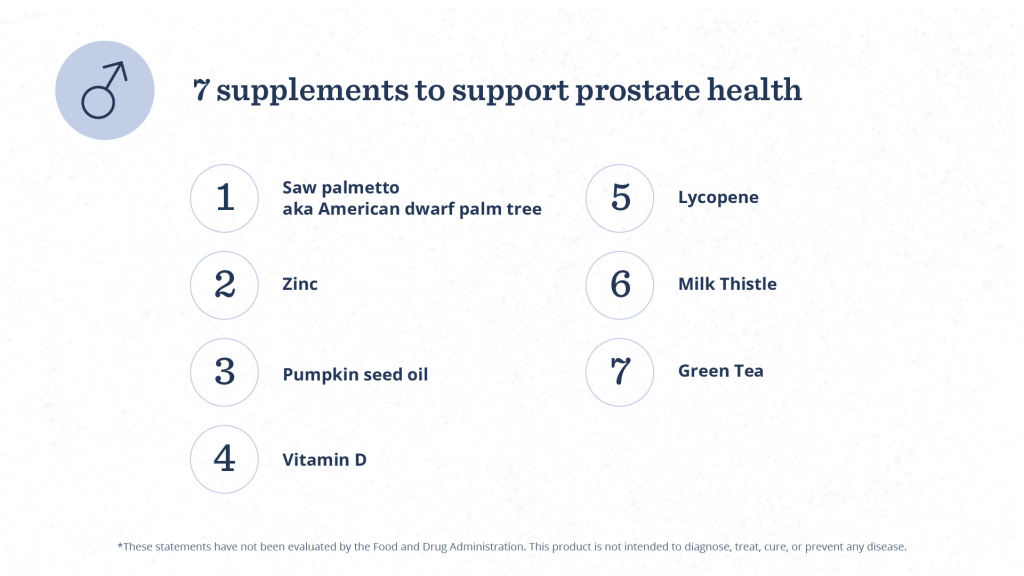
Just like you eat fruits and veggies to keep your heart healthy, there are steps you can take to keep your prostate healthy as well. Shifts in diet and lifestyle habits can make a big difference. Supplements can also lend their support. In this article, you’ll find our take on 7 supplements that can support a healthy prostate.
But first, what is the prostate?
If biology wasn’t your best subject, here’s a quick refresher: The prostate gland is roughly the size of a walnut and is responsible for maintaining sperm health. It’s an essential biological part of a male’s urinary and reproductive system located between the bladder and penis. Some men can experience prostate problems caused by bacterial infection, genetics, diet or lifestyle habits, but the most common reason is due to age.
How does it impact men’s health?
With age, the prostate gland often increases in size (even up to the size of a lemon) – a process known as benign enlargement hyperplasia (BPH), which impacts about 50% of men in their 50’s, nearly 80% of men in their 70’s, and more than 90% of men 80 and over. And while BPH is often harmless, some men will experience symptoms of urinary discomfort including:
Difficulty urinating
Increased frequency and urgency
Weak flow
Incomplete emptying
Adjusting your diet and lifestyle may help alleviate some symptoms, but if you’re experiencing pain or discomfort for a prolonged period, it’s best to check with your healthcare provider.
Now some prostate-friendly supplements:
1. Saw palmetto aka American dwarf palm tree
If you’ve ever googled what’s good for your prostate – saw palmetto almost always makes the list. If you’re not familiar, it’s a type of palm tree that’s native to the coast of the southeastern U.S. with a long history of use in traditional medicine – mostly for reproductive and urinary tract issues.
Saw palmetto is thought to support a healthy prostate by keeping certain hormone, like testosterone, in check. More research is needed to better understand how it exactly works, but it’s theorized to decrease the activity of 5-alpha reductase – an enzyme responsible for converting testosterone to DHT, a male sex hormone that plays a part in the development of BPH. The berries and extracts from saw palmetto can be eaten whole, dried, made into tea or taken as a supplement.
2. Zinc
Small but noteworthy – zinc is an essential trace mineral that plays a major role in over 300 enzymatic functions in your body, including in your prostate. Interestingly, your prostate gland stores small amounts of zinc and lower zinc stores have been linked to an increased risk for prostate enlargement. For most people, getting enough zinc via diet isn’t hard, it’s found in oysters, cashews and chickpeas, but because of its many roles and functions in your body, it’s worth keeping tabs on your intake to ensure you’re getting enough.
3. Pumpkin seed oil
The seeds from Fall’s favorite squash (sorry, butternut) are loaded with a slew of vital nutrients, including zinc. The oil from the seeds is believed to have health benefits for the bladder, kidneys and prostate. Pumpkin seeds contain phytosterol, a protective compound that may help reduce the prostate gland from enlarging. While research on the prostate specific benefits of pumpkin seed oil supplements is still unfolding, there’s no harm in chomping down on some pumpkin seeds. So when you’re carving a pumpkin for some spooks or making pumpkin pie this year, be sure to save the seeds! The benefits are all treats – no tricks.
4. Vitamin D
The sunshine vitamin works like a hormone in your body and delivers a myriad of health benefits. And while vitamin D is fairly well-known for its immunity, mood and bone health benefits, many don’t realize that the essential vitamin is critical for prostate health as well. Low levels of vitamin D have been linked to low levels of testosterone, a hormone that is essential for maintaining the health of your prostate.
Unfortunately, despite being able to get this vitamin from the sun, about 42% of us worldwide aren’t getting enough. And unlike most other vital nutrients, Vitamin D is difficult to get from food sources. One way to up your vitamin D intake is to take a supplement.
5. Lycopene
Good news: when you’re cooking up a large batch of fresh marina or salsa – you’re not just doing your palate a favor, but your prostate too. Red (especially tomatoes), orange and green fruits and vegetables are rich sources of lycopene. It’s a type of carotenoid, a powerful antioxidant that helps protect your prostate cells from damage caused by free radicals. These are nasty substances that can cause harm when they build up in your body. Fresh, canned or dried fruits and vegetables are all great sources of lycopene. Lycopene can also be found in supplement form, though research on the link between lycopene supplementation and prostate health is still unfurling.
6. Milk Thistle
Most often saluted for its liver health promoting benefits – milk thistle has some impressive benefits for your prostate too. It’s a flowering herb native to the Mediterranean area with potent flavonoids (antioxidants) that help balance hormone levels and support prostate health. The most noteworthy flavonoid behind milk thistle’s benefits is silymarin which seems to have protective effects for cells in the prostate gland. At this point in the research though, it’s unclear how beneficial taking a milk thistle supplement is for your prostate health.
7. Green Tea
There’s no denying that sipping green tea has a multitude of health benefits. It’s been used in traditional medicine for thousands of years. Green tea is rich in catechin antioxidants, specifically epigallocatechin-3-gallate (EGCG), which is believed to support the health of the prostate gland and support healthy urine flow, according to some research. Not a fan of the bitter notes that are in green tea? Try it as iced or in supplement form.
About Gabby
Gabby is a nutritionist with a master’s degree in strategic communications. She loves using her nutrition-fluency with storytelling to encourage positive change. Before Persona, she worked at a mental health clinic helping clients manage stress, anxiety and other mental health issues through diet.
Do you have questions on how you may benefit from supplements? Reach out to one of our experts, or take Persona’s free nutrition assessment, and learn exactly what you need to take your wellness to the next level.
*These statements have not been evaluated by the Food and Drug Administration. This product is not intended to diagnose, treat, cure, or prevent any disease.
This information is not intended as a substitute for the advice provided by your physician or other healthcare professional, or any information contained on or in any product label or packaging. Do not use the information from this article for diagnosing or treating a health problem or disease, or prescribing medication or other treatment. Always speak with your physician or other healthcare professional before taking any medication or nutritional, herbal, or homeopathic supplement, or using any treatment for a health problem. If you have or suspect that you have a medical problem, contact your health care provider promptly. Do not disregard professional medical advice or delay in seeking professional advice because of something you have read in this article.
References:
Prostate enlargement (Benign prostatic hyperplasia) | niddk. National Institute of Diabetes and Digestive and Kidney Diseases.
Hong H, Kim CS, Maeng S. Effects of pumpkin seed oil and saw palmetto oil in Korean men with symptomatic benign prostatic hyperplasia. Nutr Res Pract. 2009;3(4):323-327. doi:10.4162/nrp.2009.3.4.323
Pilz S, Frisch S, Koertke H, et al. Effect of vitamin D supplementation on testosterone levels in men. Horm Metab Res. 2011;43(3):223-225. doi:10.1055/s-0030-1269854
Sauer AK, Vela H, Vela G, Stark P, Barrera-Juarez E, Grabrucker AM. Zinc Deficiency in Men Over 50 and Its Implications in Prostate Disorders. Front Oncol. 2020;10:1293. Published 2020 Aug 6. doi:10.3389/fonc.2020.01293
Heart Health After 40: Tips for Women and Men Turning 40 does not mean your heart health has to decline. It does mean that paying closer attention to your cardiovascular health becomes increasingly important. As we age, certain
Why a Multivitamin Still Matters Even with a balanced diet, many adults still fall short on essential nutrients. This is why a multivitamin still matters for supporting everyday health. Factors like aging, medication use, and dietary
Ways to naturally improve low sex drive for men and women Karina C., Nutritionist, BSN If you suffer from low libido, you are not alone. Low sex drive affects about 43% of women and 31% of men(1). It is something that can
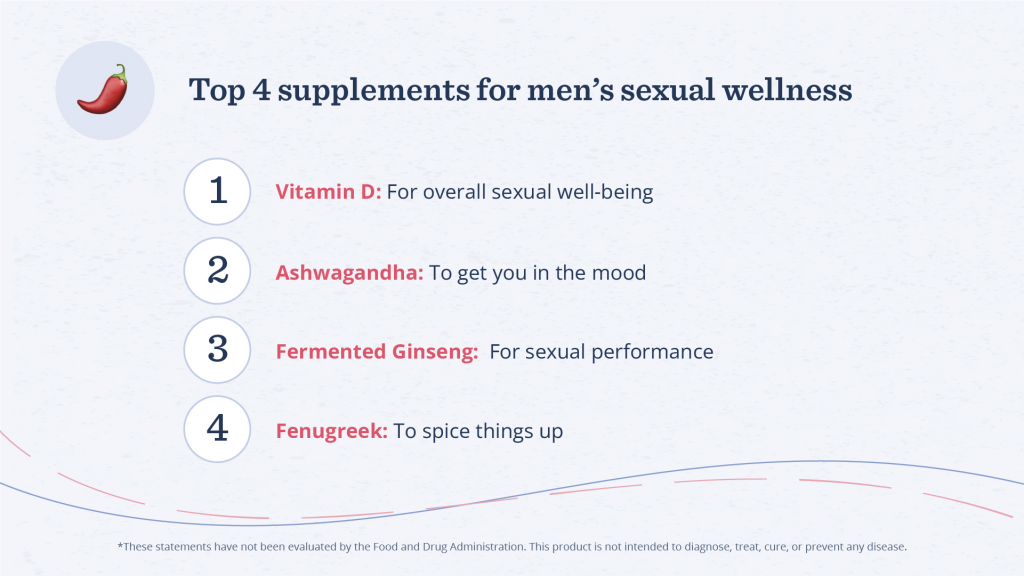
It’s normal to experience ups and downs in your sexual wellness. Stress, hormones and aging can all create fluctuations in your sex life. While a healthy diet, exercise and lifestyle reign supreme when it comes to maintaining your sexual wellness, certain supplements might also be the perfect wingman. But, like romance, the vitamin aisle can be tricky to navigate. So, we got to researching and well, one thing led to another and… we rounded up the top (supplement) performers for sexual wellbeing.
1. Vitamin D for overall sexual well-being
Snuff out that Allspice scented candle and open those shades. The best mood lighting is sunlight! Why? Because those rays give off Vitamin D (or rather your body converts UVB sunrays to vitamin D), which has been linked to sexual desire and sexual pleasure.
The facts: Individuals who are deficient in vitamin D may have lower rates of erectile function, orgasm function and sexual desire, according to one small study. Vitamin D indeed. These findings are especially important because 41% of people across the globe are vitamin D deficient.
Bottom line: While more research is needed to make any definitive conclusions about the link between vitamin D and sexual function, it’s a vitamin to keep at top of your mind if you’re looking to maintain your sexual wellness.
2. Ashwagandha to get you in the mood
Ashwagandha is a type of adaptogen that’s growing in popularity thanks to its stress easing properties. But it might have another use- supporting a healthy sex drive.
The facts: Ashwagandha is thought to work by increasing testosterone; low levels are often related to sexual dysfunction and lower sex drive.
Bottom line: If you want to get busy – getting busy – ashwagandha might be a good option to try.
3. Fermented ginseng for sexual performance
If you’ve ever turned to the supplement aisle in search of an energy fix, you’ve likely encountered ginseng. But here’s a lesser-known ginseng fact: it may support your energy between the sheets, though more research is needed to confirm its effectiveness.
The facts: It’s thought to work by supporting the release of nitric oxide (NO), a chemical that supports a healthy erection. Literally. NO helps your blood vessels dilate to promote blood flow and activate smooth muscle (i.e penile tissue).
Bottom line: If you’re looking for a supplement to help maintain healthy sexual performance, fermented ginseng may be one to keep in your back pocket (or wallet, if that’s your thing). However, stronger and larger research studies are needed.
4. Fenugreek to spice things up
Need to spice things up in the bedroom? Supplementing with Fenugreek might hold some promise. This popular herb may also be an aphrodisiac that supports healthy libido and orgasm function.
The facts: Fenugreeks claim to fame is its testosterone promoting effects which could result in healthy arousal and sexual function. Several studies have investigated and 4 out of 6 of them showed promising results.
Bottom line: That perfect bowl of curry might be a turn on- so long as you remember to add fenugreek.
About Allie
Allie has a master’s in nutrition science from Framingham State University. She has worked as a Health Educator and Personal Trainer, and has a passion for helping people lead happier, healthier lives.
*These statements have not been evaluated by the Food and Drug Administration. This product is not intended to diagnose, treat, cure, or prevent any disease.
This information is not intended as a substitute for the advice provided by your physician or other healthcare professional, or any information contained on or in any product label or packaging. Do not use the information from this article for diagnosing or treating a health problem or disease, or prescribing medication or other treatment. Always speak with your physician or other healthcare professional before taking any medication or nutritional, herbal, or homeopathic supplement, or using any treatment for a health problem. If you have or suspect that you have a medical problem, contact your health care provider promptly. Do not disregard professional medical advice or delay in seeking professional advice because of something you have read in this article.
References:
B; KRSAO. The effect of low vitamin D status on sexual functioning and depressive symptoms in apparently healthy men: A pilot study. International journal of impotence research. https://pubmed.ncbi.nlm.nih.gov/29973697/#:~:text=Compared%20with%20healthy%20men%2C%20subjects,scores%20only%20for%20erectile%20function. Accessed September 19, 2022.
Forrest KYZ, Stuhldreher WL. Prevalence and correlates of vitamin D deficiency in US adults. Nutrition Research. 2011;31(1):48-54. doi:10.1016/j.nutres.2010.12.001
Chauhan, Sanjaya, Manoj K. Srivastava, and Anklesh K. Pathak. Effect of standardized root extract of ashwagandha (Withania somnifera) on well‐being and sexual performance in adult males: A randomized controlled trial. Health Science Reports. 2022 5 (4):741.
Lee HW, Lee MS, Kim TH, Alraek T, Zaslawski C, Kim JW, Moon DG. Ginseng for erectile dysfunction. Cochrane Database Syst Rev. 2021; 19 (4):CD012654. doi:10.1002/14651858.CD012654.pub2. PMID: 33871063; PMCID: PMC8094213.
Srivatsav A, Balasubramanian A, Pathak UI, et al. Efficacy and safety of common ingredients in aphrodisiacs used for erectile dysfunction: A Review. Sexual Medicine Reviews. 2020;8(3):431-442. doi:10.1016/j.sxmr.2020.01.001
Heart Health After 40: Tips for Women and Men Turning 40 does not mean your heart health has to decline. It does mean that paying closer attention to your cardiovascular health becomes increasingly important. As we age, certain
Why a Multivitamin Still Matters Even with a balanced diet, many adults still fall short on essential nutrients. This is why a multivitamin still matters for supporting everyday health. Factors like aging, medication use, and dietary
Ways to naturally improve low sex drive for men and women Karina C., Nutritionist, BSN If you suffer from low libido, you are not alone. Low sex drive affects about 43% of women and 31% of men(1). It is something that can
Ever wonder which state is the happiest? What about the sleepiest? Is your state as chill as Hawaii or as high-strung as New York? These may seem like trivial questions, but they get to the heart of an important reality: Americans struggle with all kinds of wellness issues, and their incidence can depend on where you live.
At Persona, we believe it’s important to map out this wellness landscape: It’s only when we understand how we’re doing that we can find a way to do better. That’s why we created our annual Health and Happiness Index—a unique, state-by-state snapshot of our nation’s physical and emotional wellbeing.
What is the Health & Happiness Index?
Every day, thousands of Americans take Persona’s online health and nutrition assessment, a 5-minute questionnaire that looks at diet, lifestyle, health goals and other factors to help respondents design a personal nutrition plan.
Using anonymized data from the questionnaire, we can build a picture of our nation’s health and lifestyle status: Which states are doing better in a given domain, and which could use a helping hand. This year’s index analyzed responses collected from January through May in eight key areas: happiness, energy, stress, sleep, fitness, diet, digestion and joint health.
Some unexpected findings
The results are as interesting as they are surprising: Would you have guessed Delaware is the happiest state? Or that Connecticut is the most stressed out? Or that Mississippians are the sleepiest—by a long shot? Take a look at this year’s results to see where your state ranks. The answer might surprise you.
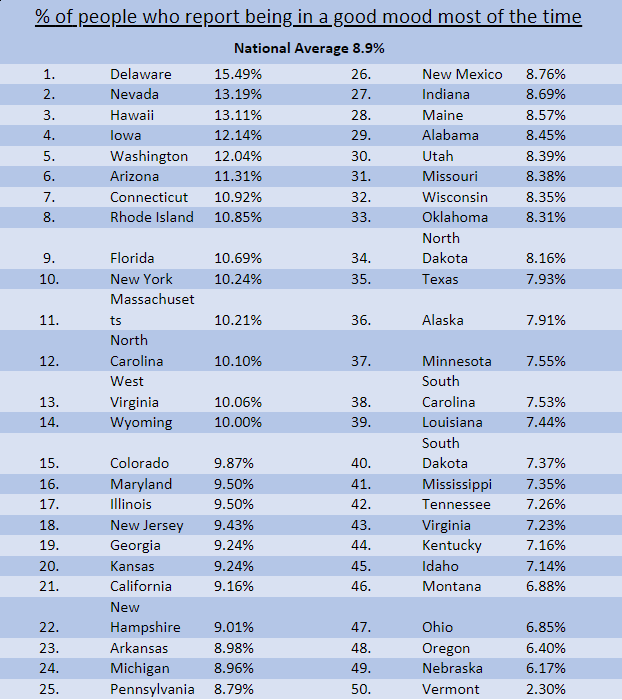
Which state has the happiest Americans? Delaware topped our rankings with 15.5% of people saying they’re in a good mood most of the time (peach pie makes us happy too!). The second happiest state is Nevada with 13.2% and Hawaii is in third with 13.1%.
How is it that the birthplace of Ben & Jerry’s could feel so down in the mouth? With just 2.3% of respondents saying they have no complaints about their mood, Vermont is officially America’s least happy state (we’re thinking of you guys!). Meanwhile, if you have friends in Nebraska and Oregon, you might want to send them some love too—they’re doing just slightly better than the Green Mountain State.
Foods to help your mood
When you’re feeling down, it’s tempting to turn to foods like ice cream or cookies for comfort. But be careful: High-sugar foods may lift your mood at first, it won’t take long for you to crash. In fact, a diet packed with junk foods can make you feel worse over time. Real comfort comes from a healthier place–complex carbs, healthy fats, fruits and veggies help elevate mood and an overall sense of well-being. Fruit with yogurt, cheese and apple slices, or a handful of trail mix could be great options.
Sleepiest states
Sleep is a top concern for every state—about 78% of respondents across the country say they feel tired all the time—but if you live in Mississippi, West Virginia or Alaska, you might be feeling especially sluggish. More than 85% of Mississippians say they feel constantly out of gas—the highest number in the nation. If you count yourself in that category—whether from stress, interrupted sleep or another reason—know that you’re not alone. Even America’s least drowsy states—Rhode Island (66.7%) and Wyoming (73.0%)—more than half of respondents have a hard time getting shuteye.
There’s no denying that sleep is important—it affects almost every system in your body. But what you eat can make all the difference. Kiwi, for instance, has a high concentration of serotonin, a compound that helps regulate your sleep cycle, while nuts have essential minerals like magnesium and zinc to help your muscles relax. Rolling these foods into your diet, alongside lifestyle changes—like limiting caffeine, setting a regular bedtime and keeping screens out of the bedroom—can help bring those Z’s back in reach.
Highest energy states
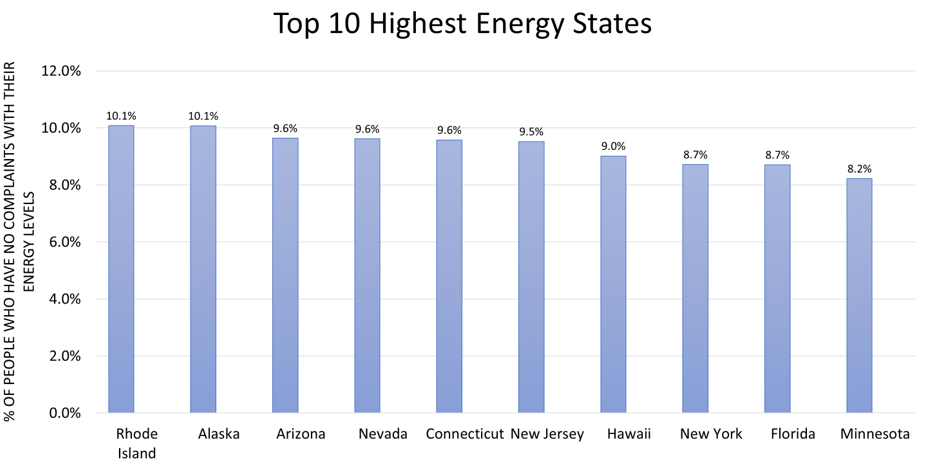
Believe it or not, the most bright-eyed and bushy-tailed Americans live in our smallest and largest states. Rhode Island ranks first with about 10.1% of respondents and Alaska in second with 10.1% of respondents say they have no complaints about their energy levels. They’re doing just slightly better than the national average of 6.39%. (Yes, Americans have low energy, unfortunately!)
So, which Americans struggle the most with energy? Apparently the fresh air and bracing walks aren’t doing a lot for the people of Vermont and Idaho. Both states are known for their beautiful mountain hikes, but only 3.45% of respondents in Vermont and 3.57% of respondents in Idaho say energy isn’t an issue.
Foods to boost your batteries
Feeling drained on a daily basis? Instead of reaching for that second (…or third) cup of coffee, try revving up your engine with some nutrient-dense foods like whole grains, fruits, veggies and nuts. Whole grains give your body its preferred source of fuel—carbohydrates—mixed with fiber to help balance blood sugar and a rich source of vitamins and minerals. Fruits and veggies are packed with antioxidants and vital nutrients for energy, and nuts like almonds or walnuts are a great source of omega-3 fatty acids that promote brain health.
Most stressed-out states
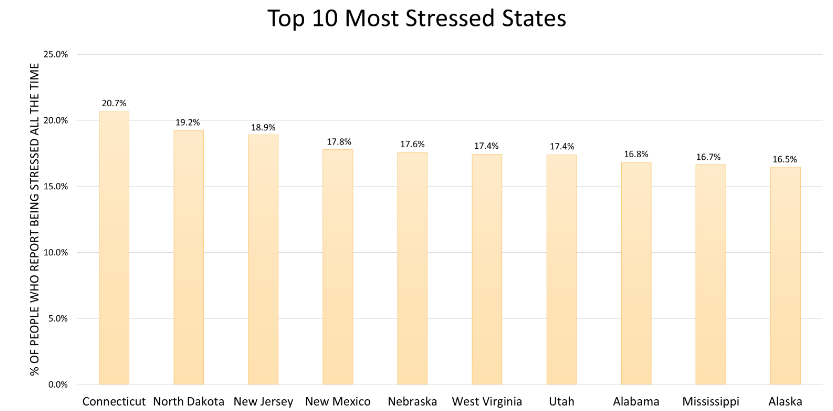
2022 was a rough start for Connecticut, with 20.7% of respondents saying they feel strung out all the time, well above the national average of 14.2%. Connecticut, we’re wishing you better days in the second half of the year! We’re also sending good vibes to North Dakota and New Jersey, where about 19% of respondents are struggling with constant stress.
When it comes to managing tension, all of us could learn a thing or two from South Dakota. Their energy may be low, but they’ve got laid-back on lock: Only 4.3% of South Dakotans say they feel stressed all the time.
Managing stress with good nutrition
Life is stressful! When times are tough, your body makes that infamous stress hormonecortisol. Left unmanaged, it can lead to long-term inflammation and an array of health issues that impact your sleep, your mood, even your immune health. A healthy diet—along with regular exercise and rest—can help you keep these effects in check. This includes certain foods that promote a healthy inflammatory response: Berries, salmon and avocado (yes, please!) can help keep cortisol levels under control.
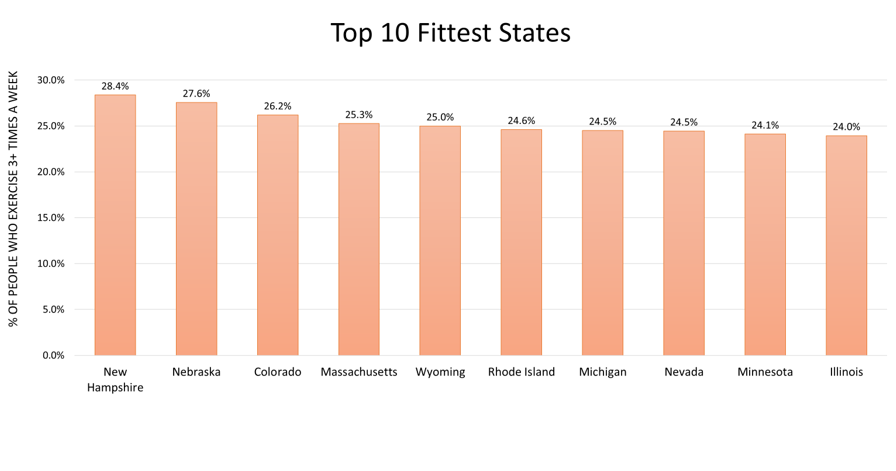
Fittest states
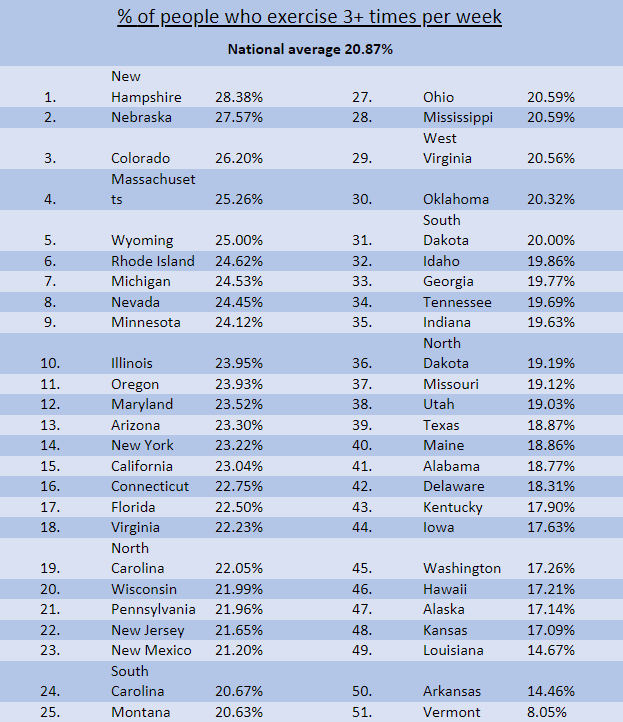
Maybe it’s their Live Free or Die ethos—or maybe it’s their year-round access to the great outdoors—but in New Hampshire, 28.4% of respondents say they exercise at least 3 times a week. The runners up in this category might also surprise you: Nebraska (27.6%) and Colorado (26.2%) round out the top three.
Unfortunately, Vermont lacks the energy to get moving, they’re America’s least active state with only 8.0% of people exercising regularly.
Food to feed your fitness
Whether you’re an athlete, a gym enthusiast or a sometime-power walker, exercise and diet go hand in hand to support your health. Depending on what type of movement you do, your nutrition needs will vary, but the golden rule is: Be well-fueled going into—and out of—a workout. Carbohydrates like bananas, sweet potatoes or oatmeal are good sources of energy to help with performance. While a peanut butter sandwich, a fruit smoothie or chicken with veggies can help with exercise recovery after the fact.
Best eaters in the Union
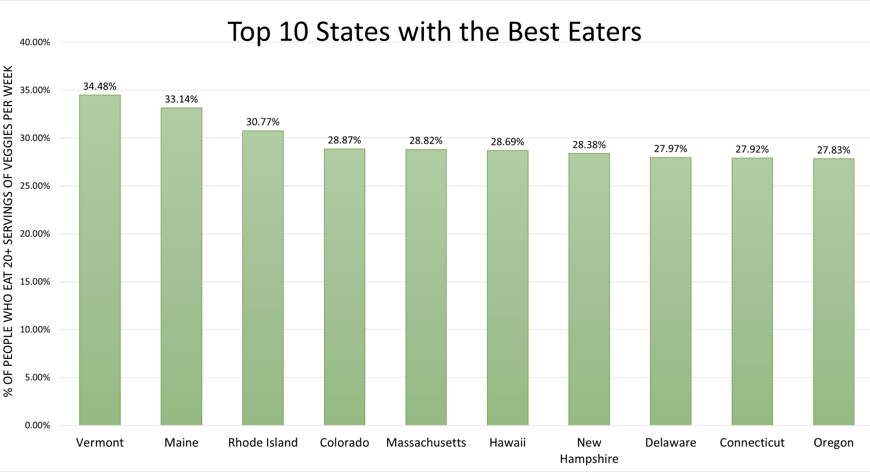
Fruits and veggies are a vital part of a balanced diet; they provide important vitamins, minerals and fiber to keep us healthy. Experts recommend that Americans eat 5 servings of fruits and vegetables per day, but according to our survey only about 23.4% of us are meeting this goal (yikes!). But while none of us are acing our eating habits, some states are doing better than others. Vermont and Maine are America’s best eaters, with 34.48% and 33.14% of people getting 20+ servings of fruits and veggies per week.
Alabama, Mississippi, Oklahoma, Kentucky and Louisiana could all use a hand with meal prepping: Less than 20% of respondents in these states are getting all their servings of fruits and vegetables!
Pointers for plant-phobes
Giving your body the nutrients it needs is vital to your health; deficiencies can increase your risk of brain fog, poor gut health, fatigue and other issues. So even if fruits and vegetables aren’t your favorite, it’s important to find ways to include them. You can roast veggies with your favorite herbs, hide the greens in soup or blend them into a smoothie with your favorite yogurt—you won’t even be able to taste it! If you’re still having trouble getting all 5 servings in, adding a multivitamin can also help you fill that nutrient gap. But remember: Your multi isn’t a shortcut to health! It should complement a healthy diet.
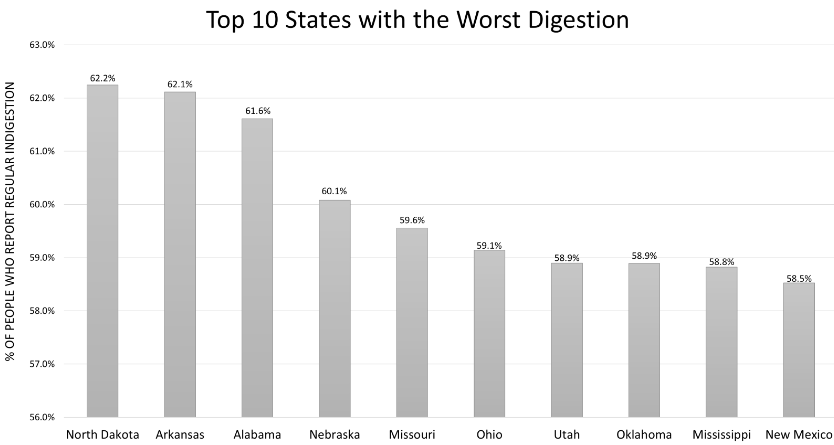
Worst digestion in the Union
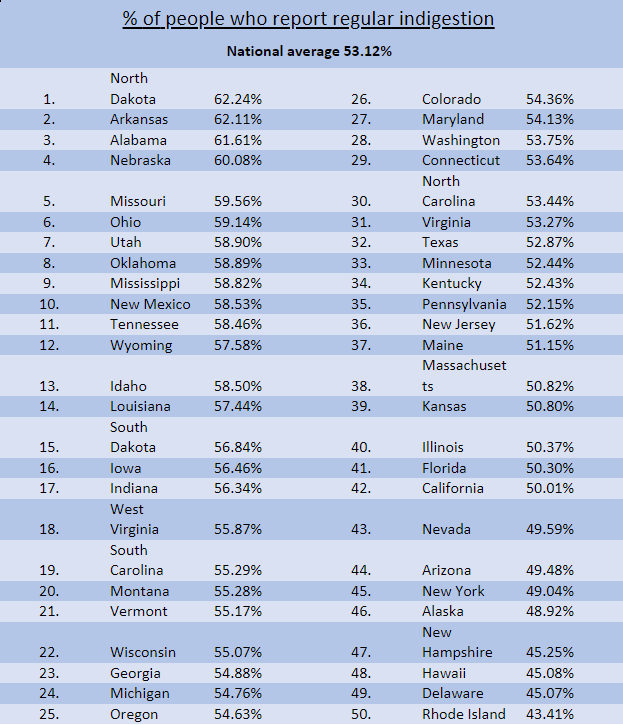
North Dakota leads the nation in the production of wheat and honey—but also in gut woes, with 62.2% of respondents from the state reporting regular indigestion. It’s closely followed by Arkansas (62.1%) and Alabama (61.6%). They’re in good company, though, as more than half of Americans (53.1%) say gut discomfort is an ongoing issue.
Rhode Island and Delaware’s guts are doing a little better than the rest of America, with 43.4% of Rhode Island and 45.07% of Delaware having digestion troubles.
Gut-friendly foods
Did you know your gut is sometimes called your second brain? A healthy gut isn’t just about staying regular or preventing bloating; it plays an incredibly important role in immunity, skin health, mood and a lot more! That’s why probiotics—the healthy bacteria in fermented foods like yogurt, kimchi or kombucha—don’t just maintain a healthy gut environment, but also your overall health!
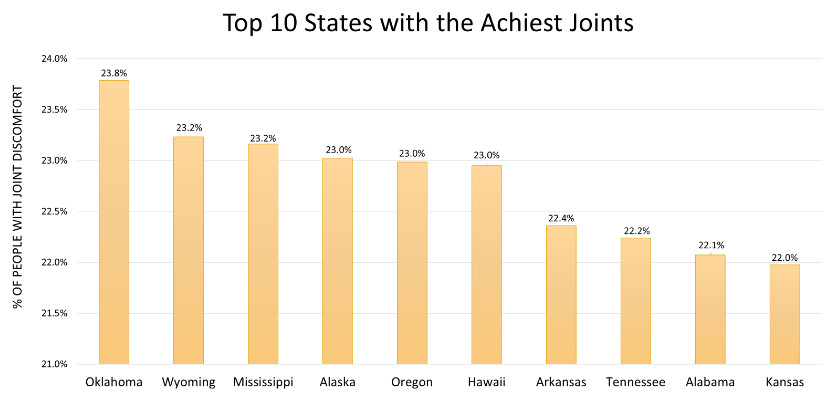
Achiest joints in the Union
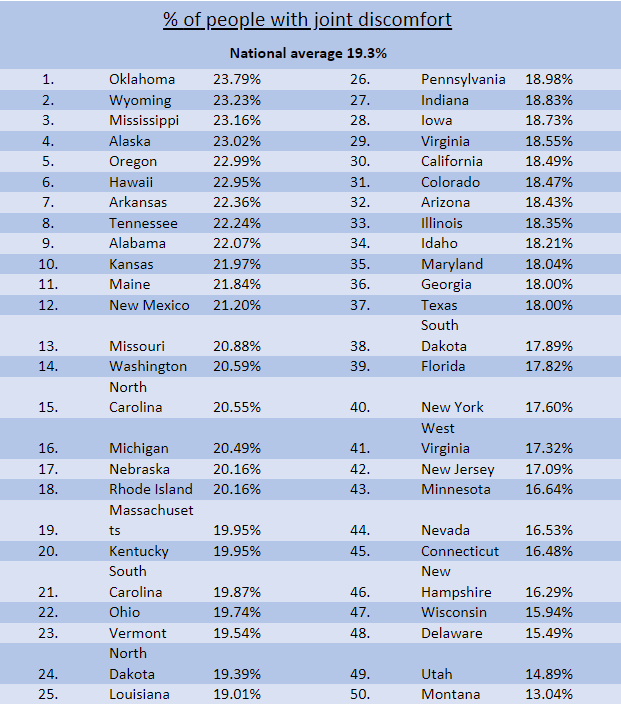
If you live in Montana, you may well be doing yoga into your golden years, as your state has the lowest proportion of people who report having achy joints (13.0%). Compare this to the much achier Oklahoma (23.8%) and Wyoming (23.2%). Here’s to you, Montana. Stay bendy!
Achy joints may come naturally with age—and can be related to genetics—but what you put on your plate can also play a role. Some foods worsen inflammation, while others help reduce it, such as fruits and vegetables, healthy fats, whole grains and legumes. If you’re eating a well-rounded diet and your knees still feel sore standing, supplements like omega-3s, collagen and MSM may help by promoting a healthy inflammatory response and supporting joint health.
About Persona Nutrition
Customized daily vitamins, tailored to your needs
At Persona, we believe good nutrition is the foundation of wellness, and that for each of us that foundation looks different. We all have unique diets, a unique lifestyles, unique health goals. So to be truly well, we each need a unique nutrition solution. That’s why we built Persona: to meet this need with a science-based, personalized vitamin plan and one-one-one expert support. We all deserve to live healthy, happy lives. Persona exists to make that a reality.
How Persona works
Every day, thousands of Americans take Persona’s online health and nutrition assessment, a 5-minute questionnaire that looks at diet, lifestyle, health goals and other factors to help each of them build a customized vitamin plan tailored to their unique needs—whether that’s more energy, better sleep, help with digestion or some combination or issues. With a few clicks, you get personalized daily vitamin packs delivered right to your door each month—and free one-on-one coaching from a team of qualified nutritionists. No more bottles. No more guesswork. Just the right nutrients, at the right dose, every day.
*Washington D.C. was excluded from data due to sample size.
*As with any survey, the results aren’t necessarily definitive—no sample is perfect, and an individual’s responses can vary day to day—but it does paint a broad picture that we believe is useful as a way to spark a much-needed conversation about our nation’s health.
Why One-Size-Fits-All Vitamins Don’t Work (and What to Do Instead) As a nutritionist, part of my job is watching the shelf — in stores and online. I want to see what’s trending, what new brands claim, and whether
Staying Consistent With Healthy Habits When Life Gets Busy Staying consistent with healthy habits is one of the biggest challenges people face, not because they don’t know what to do, but because life gets busy. Most people
Stress Management Without Burning Out Even in the most well-intentioned routines, stress can quietly build over time. This is why stress management without burning out matters for long term health and emotional wellbeing. Between
Whether you’re looking to ease those occasional bouts of tummy turmoil or just wanting to optimize your wellness- improving your gut health is a good place to start. A healthy digestive tract has been linked to lower risk for conditions like colon cancer, IBS and indigestion, as well as better mental health. So, what can you do to start reaping the benefits of a healthy digestive system? Don’t just go with your gut on this one. Check out these science-backed ways to improve your digestive health.
Gut health basics
Before we dive into the how-to of gut health, let’s break down the basics. Your gut is made up of all the organs in your digestive system but primarily the small and large intestines. The intestines contain trillions of tiny bacteria referred to as your microbiome – that play various roles in your health. Some of these bacteria are good for you while others may be harmful. So, when we talk about improving gut health, we often mean creating an environment where good bacteria can thrive. A thriving microbiome consists of many different types of good bacteria referred to as microbiome biodiversity.
Don’t skimp on fiber
We’ve got 99 reasons for you to eat fiber and gut health is one. Fiber is a carbohydrate found in fruits, vegetables and whole grains. Your body can’t digest fiber, so instead, it makes its way into your colon where it’s broken down by the bacteria in your gut (and we haven’t even gotten to the good part yet). This breakdown process produces methane (yes, sometimes this leads to gas) but also something called short chain fatty acids (SFCA). SCFA have loads of health benefits including keeping the good, health promoting bacteria in your gut flourishing.
Most of us are only eating 10-15 g of fiber a day. That’s less than half of the 38 grams a day recommended for men over 50 –but adding fiber to your diet can be simple. Toss a handful of oats into your morning smoothie or cook up your favorite pasta dish using whole wheat pasta.
Keep it moving
Your body that is. Regular exercise can benefit your digestion in more ways than one. First, low intensity exercise is linked to higher gut motility (i.e. stool moves through your colon faster i.e.i.e. you poo faster). Why is quicker moving stool a good thing? Because the bacteria that live in your colon breaks down nutrients in your waste, creating byproducts, which have the potential to be harmful, the longer your waste sits in your colon. Exercise has also been linked to a higher diversity of gut bacteria which can mean good things for your digestive system and overall health. Bottom line: staying active helps keep your gut in good shape. Aim for 30 minutes of low or moderate intensity exercise per day.
Drink up
The term ‘beer belly’ just got a whole lot sexier thanks to new research that found a link between beer consumption and gut health. Hold our kombucha, please. A study done on male beer drinkers found that those who drank 1 beer a day over a 4-week period had an increase in gut microbiome diversity. That is to say, the beer drinkers had healthier guts than the non-beer drinkers. This result could, in part, be because of the high polyphenol content of beer. Polyphenols are plant sourced nutrients with health benefits, including promoting biodiversity in your gut. But before you make a sloshy toast to your gut health, more research is needed to make any definitive statements about the health benefits of beer. If you’re choosing between a soda and a non-alcoholic beer though… you’re better off grabbing a cold one.
Meditate
Keeping your stress levels in check is easier said than done but finding your zen can have a big impact on your digestive health. When you’re stressed (either mentally or physically) your body goes into fight or flight mode, signaling the release of stress hormones that can interfere with the healthy bacteria that reside in your gut. Meditation can help lessen your body’s stress response- keeping your gut bacteria healthy and happy. If you’re part of the 88.2% of men that have never meditated- start with an app like headspace or set a timer for 1 minute and focus on your breathing.
About Allie
Allie has a master’s in nutrition science from Framingham State University. She has worked as a Health Educator and Personal Trainer, and has a passion for helping people lead happier, healthier lives.
*These statements have not been evaluated by the Food and Drug Administration. This product is not intended to diagnose, treat, cure, or prevent any disease.
This information is not intended as a substitute for the advice provided by your physician or other healthcare professional, or any information contained on or in any product label or packaging. Do not use the information from this article for diagnosing or treating a health problem or disease, or prescribing medication or other treatment. Always speak with your physician or other healthcare professional before taking any medication or nutritional, herbal, or homeopathic supplement, or using any treatment for a health problem. If you have or suspect that you have a medical problem, contact your health care provider promptly. Do not disregard professional medical advice or delay in seeking professional advice because of something you have read in this article.
References:
Francesca De Filippis, Nicoletta Pellegrini, Lucia Vannini, Ian B Jeffery, Antonietta La Storia, Luca Laghi, Diana I Serrazanetti, Raffaella Di Cagno, Ilario Ferrocino, Camilla Lazzi, Silvia Turroni, Luca Cocolin, Patrizia Brigidi, Erasmo Neviani, Marco Gobbetti, Paul W O’Toole, Danilo Ercolini. High-level adherence to a Mediterranean diet beneficially impacts the gut microbiota and associated metabolome. Gut, 2015; gutjnl-2015-309957 DOI: 10.1136/gutjnl-2015-309957
Mansour SR, Moustafa MAA, Saad BM, Hamed R, Moustafa AA. Impact of diet on human gut microbiome and disease risk. New Microbes New Infect. 2021 Feb 2;41:100845. doi: 10.1016/j.nmni.2021.100845. PMID: 34035924; PMCID: PMC8138677.
Quagliani D, Felt-Gunderson P. Closing America’s Fiber Intake Gap: Communication Strategies From a Food and Fiber Summit. Am J Lifestyle Med. 2016 Jul 7;11(1):80-85. doi: 10.1177/1559827615588079. PMID: 30202317; PMCID: PMC6124841.
Azzouz LL, Sharma S. Physiology, Large Intestine. [Updated 2021 Aug 9]. In: StatPearls [Internet]. Treasure Island (FL): StatPearls Publishing; 2022 Jan-. Available from: https://www.ncbi.nlm.nih.gov/books/NBK507857/
Monda V, Villano I, Messina A, Valenzano A, Esposito T, Moscatelli F, Viggiano A, Cibelli G, Chieffi S, Monda M, Messina G. Exercise Modifies the Gut Microbiota with Positive Health Effects. Oxid Med Cell Longev. 2017;2017:3831972. doi: 10.1155/2017/3831972. Epub 2017 Mar 5. PMID: 28357027; PMCID: PMC5357536
Marques, Cláudia, et al. “Impact of Beer and Nonalcoholic Beer Consumption on the Gut Microbiota: A Randomized, Double-Blind, Controlled Trial.” Journal of Agricultural and Food Chemistry (2022).
Quesada-Molina M, Muñoz-Garach A, Tinahones FJ, Moreno-Indias I. A New Perspective on the Health Benefits of Moderate Beer Consumption: Involvement of the Gut Microbiota. Metabolites. 2019 Nov 9;9(11):272. doi: 10.3390/metabo9110272. PMID: 31717482; PMCID: PMC6918268.
Konturek PC, Brzozowski T, Konturek SJ. Stress and the gut: pathophysiology, clinical consequences, diagnostic approach and treatment options. J Physiol Pharmacol. 2011 Dec;62(6):591-9. PMID: 22314561.
Heart Health After 40: Tips for Women and Men Turning 40 does not mean your heart health has to decline. It does mean that paying closer attention to your cardiovascular health becomes increasingly important. As we age, certain
Rebalance Your Life: Sometimes Less Is Exactly What You Need Rebalance Your Life Through Simplifying Have you ever looked at your routine and wondered why you still feel overwhelmed, even when you are doing your best to take care
How Stress Affects Digestion (and What to Do About It) In today’s fast-paced world, stress is more than just a mental burden; it has tangible effects on our bodies, especially on our digestive system. If you’ve ever felt your
If you’re an endurance athlete, you already know glycogen is your best friend. If you’re just getting into the arena, understanding what glycogen can do for your physical performance will help take you a long way. So, let’s break it down!
What is Glycogen?
Put simply: glycogen is stored glucose (sugar) – a main source of energy for your body.
Your body stores single glucose molecules by branching them together to form a larger molecule that can later be broken down when energy is needed.
Where does it come from?
When you eat a meal, the carbohydrates in your meal break down into individual glucose molecules and are released into your blood stream. If there’s an immediate need for energy, this glucose is used right then, otherwise your body stores it as glycogen to use later.
Where is it stored?
Glycogen is mainly stored in your muscles and liver, but the amount saved in these cells can vary depending on your diet, activity level and how much energy is burned while resting.
Glycogen kept in muscle is typically used by the muscles themselves – it’s the primary fuel source for skeletal muscle tissue during prolonged strenuous exercise. Think: training for sports like powerlifting, weightlifting or competitive fitness. And those stored in the liver are spread throughout your body, but mainly to your brain and spinal cord.
In general, your body can store up to 100 grams of glycogen in your liver, which is around 400 calories. And about 350 grams in your skeletal muscles, which is about 1600 calories worth.
How does it get used?
Your liver glycogen stores are mainly used to help regulate your blood sugar levels. For example, if you haven’t eaten in a while and your blood sugar is low, the liver says, “I have some energy over here I can break down and share with the blood.”
Glycogen works in the muscles a little differently by providing energy directly for the muscle itself to contract during physical activity.
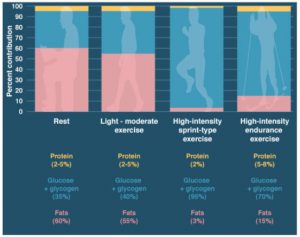
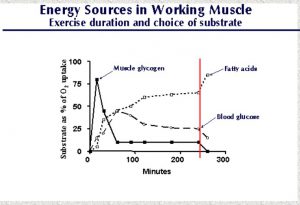
During exercise, your body taps into all its energy sources, including fat and glycogen – but at varying levels. It’ll first prioritize the glycogen saved in your muscle and liver since it’s easier to break down than fat.
When you’re doing intense, aerobic exercises (cardiovascular endurance) where your body transports oxygen to your muscles, quick and easy energy is ideal. And if you’re breaking a sweat longer than two hours, you’ve most likely burned through these stores, so it’ll then access free fatty acids and blood glucose (blood sugar) for energy.
At this time, to generate more glucose, your body will begin gluconeogenesis, the process of converting non-glucose substrates (such as fat and protein) into glucose to be used for energy. This process is anaerobic, meaning it does not use oxygen. But it’s not ideal, as it’s not an efficient pathway and creates less energy.
VO2 max, or maximal oxygen consumption, is the maximum amount of oxygen that your body can use during intense or maximal exercise. This measurement is used to describe cardiovascular fitness and aerobic endurance. The more oxygen you can use during exercise, the more energy you can produce.
When athletes compete at high VO2 percentages, their energy source may become somewhat anaerobic, and they’ll no longer be able to use fat efficiently and will mainly rely on glycogen and blood glucose as energy sources.
Diets low in carbohydrates will deplete liver and muscle glycogen stores fast, so including enough is beneficial to support your exercise.
If you’re an athlete, to ensure adequate glycogen stores, it’s recommended to consume:
At least 300-400 grams of carbohydrates per day during training and leading up to an event.
On event day, you should consume a meal of 150-300 grams of carbohydrates around 3-4 hours before competition.
About 60-120 grams of a carbohydrate snack an hour before competition.
And around 50 grams of carbohydrate immediately before competition.
During exercise, athletes should consume at least 30-60 grams of carbohydrate per hour, ideally consumed in smaller amounts every 10-15 minutes throughout competition as well as training to avoid depletion and to maximize performance.
How do I replenish glycogen after a workout?
After an intense session, replenishing glycogen stores is essential for tissue repair, initial recovery and also helps you bounce back for the next workout. Glycogen synthesis is a somewhat slow process, so to maximize this, a carbohydrate supplement immediately after exercise with protein is a good practice. A good rule of thumb is to consume 4 grams of carbohydrates to 1 gram of protein. Try chocolate milk or a banana and peanut butter, there’s a reason you always see these snacks at the end of races!
*These statements have not been evaluated by the Food and Drug Administration. This product is not intended to diagnose, treat, cure, or prevent any disease.
This information is not intended as a substitute for the advice provided by your physician or other healthcare professional, or any information contained on or in any product label or packaging. Do not use the information from this article for diagnosing or treating a health problem or disease, or prescribing medication or other treatment. Always speak with your physician or other healthcare professional before taking any medication or nutritional, herbal, or homeopathic supplement, or using any treatment for a health problem. If you have or suspect that you have a medical problem, contact your health care provider promptly. Do not disregard professional medical advice or delay in seeking professional advice because of something you have read in this article.
Sources
Alghannam A, Gonzalez J, Betts J. Restoration of Muscle Glycogen and Functional Capacity: Role of Post-Exercise Carbohydrate and Protein Co-Ingestion. MDPI. http://www.mdpi.com/2072-6643/10/2/253/htm. Published February 23, 2018. Accessed May 30, 2018.
Berg JM, Tymoczko JL, Stryer L. Fuel Choice During Exercise Is Determined by Intensity and Duration of Activity. Biochemistry. https://www.ncbi.nlm.nih.gov/books/NBK22417/. Published 2002. Accessed May 30, 2018
Berg JM. Glycogen Metabolism. Advances in pediatrics. https://www.ncbi.nlm.nih.gov/books/NBK21190/. Published January 1, 1970. Accessed May 30, 2018.
Ivy JL. Muscle Glycogen Synthesis Before and After Exercise. Sports Medicine. 1991;11(1):6-19. doi:10.2165/00007256-199111010-00002.
Ivy JL. Regulation of Muscle Glycogen Repletion, Muscle Protein Synthesis and Repair Following Exercise. Journal Sports Science Medicine . 2004;3(3):131-1385. https://www.ncbi.nlm.nih.gov/pmc/articles/PMC3905295/. Accessed May 30, 2018.
McCulloch D. How Our Bodies Turn Food Into Energy. How Our Bodies Turn Food Into Energy. https://wa.kaiserpermanente.org/healthAndWellness?item=/common/healthAndWellness/conditions/diabetes/foodProcess.html. Published March 1, 2014. Accessed May 30, 2018.
Rebalance Your Life: Sometimes Less Is Exactly What You Need Rebalance Your Life Through Simplifying Have you ever looked at your routine and wondered why you still feel overwhelmed, even when you are doing your best to take care
Nasal Breathing Benefits for Better Health Breathing is something we do more than 20,000 times every day, without thinking about. The way we breathe can influence how our body responds to stress, movement, and everyday demands.
Recharge: How to Restore Real Energy This Summer The bright days of summer feel like they should come with more energy, not less. Longer days, more time outdoors, and different ways to move can feel motivating at first. Yet many
Regardless of your age or life stage- nurturing your brain is essential. And while many factors play an important role in your brain health, like quality sleep, exercise and managing stress, proper nutrition can also have a major impact. Here’s 4 B-vitamins that play a vital role in ensuring a healthy brain: folate, vitamin B12, riboflavin, and thiamine.
But first, what are B-vitamins?
B-vitamins are a family of 8 vitamins that play many critical roles in your body, including energy metabolism, blood cell formation – and you guessed it – proper brain function.1 They’re water-soluble, meaning any B-vitamins that your body does not need immediately, get excreted in your pee. Since your body does not have any B-vitamin reserves to dip into, it’s important to meet your daily needs through diet or supplements.
1. Folate (folic acid) – vitamin B9
Folate, also known as vitamin B9, is essential for preserving brain health. It’s a key building block for neurotransmitters – brain chemicals like dopamine and serotonin which impact your mood and memory.2,3 Low levels of folate can lead to increased irritability, brain fog and fatigue. Keep those blah days at bay by piling your plate with folate rich foods including leafy greens, fruits, eggs, beans and nuts. Taking a folate supplement may be necessary if you have certain digestive disorders, are deficient, or are pregnant or breastfeeding. When shopping for a supplement- you’ll likely see folate listed in its synthetic form- folic acid. Don’t let the word ‘synthetic’ deter you. Folic acid is a well absorbed, acceptable form of folate.*
2. Cobalamin – vitamin B12
Of all the B vitamins to support brain health, vitamin B12 is probably the most well-known. This celebrity vitamin helps produce red blood cells that carry much needed oxygen to your brain. Vitamin B12, like its partner in crime folate, is also needed to churn out those “happy” chemicals that impact your mood.5 Good sources of vitamin B12 are beef, clams, salmon, and eggs. If you’re on a strict vegetarian or vegan diet, adding nutritional yeast or a B12 supplement can help ensure you’re getting enough.*
3. Riboflavin – vitamin B2
You may already be familiar with the eye-promoting benefits of riboflavin, but it also plays a role in keeping your brain healthy. Riboflavin assists enzymes in your cells to carry out important brain functions and helps keep your brain chemicals in check.6 Riboflavin may also help combat mild headaches and discomfort, which are thought to be caused by imbalances in brain chemicals, though more research is needed.4 Riboflavin can be found in beef, milk, almonds, eggs, and fortified oats.*
4. Thiamine – vitamin B1
Thiamine is vital for keeping up your mental strength and mood. It plays an incredibly important role in converting nutrients into energy for your brain cells to work properly. While 94% of people get enough thiamine in their diet- confusion and short-term memory loss are often the first signs of deficiency.7 Pork chops, mussels, tuna, black beans, and acorn squash are great sources of thiamine.*
About Author
Natalie is a nutritionist with a Bachelor’s in Nutrition and Dietetics from the University of North Florida. Natalie believes that proper nutrition doesn’t have to be complicated and is determined to help others reach their health goals.
*These statements have not been evaluated by the Food and Drug Administration. This product is not intended to diagnose, treat, cure, or prevent any disease.
This information is not intended as a substitute for the advice provided by your physician or other healthcare professional, or any information contained on or in any product label or packaging. Do not use the information from this article for diagnosing or treating a health problem or disease, or prescribing medication or other treatment. Always speak with your physician or other healthcare professional before taking any medication or nutritional, herbal, or homeopathic supplement, or using any treatment for a health problem. If you have or suspect that you have a medical problem, contact your health care provider promptly. Do not disregard professional medical advice or delay in seeking professional advice because of something you have read in this article.
References:
Kennedy DO. B Vitamins and the Brain: Mechanisms, Dose and Efficacy–A Review. Nutrients. 2016 Jan 27;8(2):68. doi: 10.3390/nu8020068. PMID: 26828517; PMCID: PMC4772032.
Ma, F., Wu, T., Zhao, J. et al. Folic acid supplementation improves cognitive function by reducing the levels of peripheral inflammatory cytokines in elderly Chinese subjects with MCI. Sci Rep 6, 37486 (2016). https://doi.org/10.1038/srep37486
Miller AL. The methylation, neurotransmitter, and antioxidant connections between folate and depression. Altern Med Rev. 2008 Sep;13(3):216-26. PMID: 18950248.
Soh Y, Lee DH, Won CW. Association between Vitamin B12 levels and cognitive function in the elderly Korean population. Medicine (Baltimore). 2020 Jul 24;99(30):e doi: 10.1097/MD.0000000000021371. PMID: 32791746; PMCID: PMC7387066.
Marashly ET, Bohlega Riboflavin Has Neuroprotective Potential: Focus on Parkinson’s Disease and Migraine. Front Neurol. 2017 Jul 20;8:333. doi: 10.3389/fneur.2017.00333. PMID: 28775706; PMCID: PMC5517396.
Thompson DF, Saluja HS. Prophylaxis of migraine headaches with riboflavin: A systematic review. J Clin Pharm Ther. 2017 Aug;42(4):394-403. doi: 10.1111/jcpt.12548. Epub 2017 May 8. PMID: 28485121.
Valizadeh M, Valizadeh N. Obsessive compulsive disorder as early manifestation of B12 deficiency. Indian J Psychol Med. 2011 Jul;33(2):203-4. doi: 10.4103/0253-7176.92051. PMID: 22345852; PMCID: PMC3271502.
Heart Health After 40: Tips for Women and Men Turning 40 does not mean your heart health has to decline. It does mean that paying closer attention to your cardiovascular health becomes increasingly important. As we age, certain
Rebalance Your Life: Sometimes Less Is Exactly What You Need Rebalance Your Life Through Simplifying Have you ever looked at your routine and wondered why you still feel overwhelmed, even when you are doing your best to take care
Nasal Breathing Benefits for Better Health Breathing is something we do more than 20,000 times every day, without thinking about. The way we breathe can influence how our body responds to stress, movement, and everyday demands.
Whether you consider yourself at the pinnacle of health or a work in progress, you may be searching for ways to keep your body at its best. While eating balanced meals, exercising and managing your stress are always the best ways to support your health, supplements can also lend a helping hand. In this article, we’ve rounded up the top supplements for men’s health.
1) Ashwagandha
If you’re like most men, the hustle of daily life can occasionally leave you feeling worn down and stressed out. Ashwagandha, a type of herb, can help you keep your cool when life is anything but. By keeping your stress hormones in check, ashwagandha may help combat some of the fatigue and restlessness that accompany stress. And while we usually think of our mental load when it comes to stress, ashwagandha may actually help with physical stress as well. Its use has been linked to benefits in muscle strength and workout recovery. So, whether your grind is at work or in your workout, ashwagandha might be your perfect match.
2) Omega-3
If fish is not making a regular appearance on your plate, consider adding an omega-3 supplement to your vitamin cabinet. Omega-3 is an essential fatty acid found in fish, nuts and seed oils that plays a vital role in maintaining your heart, brain and eyes. But despite all its accolades, two-thirds of adults aren’t getting enough. Look for a supplement that contains DHA and EPA, the specific type of omega-3 fatty acids that most of our diets are missing.
3) Vitamin C
Ever been accused of having the ‘man flu’? There may be some truth to it. Thanks to differences in hormones and genetics, men’s immune systems work differently from women’s. Some studies have shown that men may actually be more susceptible to certain infections. Regardless of your sex chromosomes, supporting your immune system is a no-brainer. Vitamin C helps your body repair tissue, form collagen and ward off infection. While mega-doses won’t give your immune system any superpowers, a vitamin C supplement can help keep you covered in times when your diet isn’t up to snuff.
4) Calcium
There’s a reason your mom used to nag you about drinking milk. It’s essential for strong bones. But your need for calcium doesn’t stop just when you finish growing. As we age, our bones naturally lose their density. A lack of calcium can accelerate this density loss and increase the risk for fractures and breakage. As vital as this mineral is, a whopping 39% of adults don’t get enough of it from their diet. Adding a calcium supplement to your routine can help fill in those gaps (you know…for days when you forget to drink your milk).
5) Vitamin D
Like Maverick and Goose, Vitamin D and calcium go hand in hand. Yet vitamin D is good for more than just strong bones. You need it for proper immune functioning, muscle strength and the regulation of hormones. In fact, vitamin D status has been linked to performance in sports and: Pssttt….not getting enough may keep you from crushing leg day (because you never skip leg day…right?). Since vitamin D isn’t found in many foods, most of us get the bulk of our vitamin D from the sun. But soaking in those rays doesn’t always mean you’re soaking in vitamin D. If you live above the 34th latitude (anywhere north of San Francisco and Pittsburg), you’ll have trouble getting enough vitamin D between October and March, when the sun’s rays are weaker. If you’re a northern dweller, consider adding a vitamin D supplement to your winter survival kit.
About Allie
Allie has a master’s in nutrition science from Framingham State University. She has worked as a Health Educator and Personal Trainer, and has a passion for helping people lead happier, healthier lives.
*These statements have not been evaluated by the Food and Drug Administration. This product is not intended to diagnose, treat, cure, or prevent any disease.
This information is not intended as a substitute for the advice provided by your physician or other healthcare professional, or any information contained on or in any product label or packaging. Do not use the information from this article for diagnosing or treating a health problem or disease, or prescribing medication or other treatment. Always speak with your physician or other healthcare professional before taking any medication or nutritional, herbal, or homeopathic supplement, or using any treatment for a health problem. If you have or suspect that you have a medical problem, contact your health care provider promptly. Do not disregard professional medical advice or delay in seeking professional advice because of something you have read in this article.
References:
Wankhede S, Langade D, et all. Examining the effects of Withania somnifera supplementation on muscle strength and recovery: a randomized controlled trial. 2015 Nov; 12:43. doi: 10.1186/s12970-015-0104-9. PMID 26609282
Murphy RA, Devarshi PP, Ekimura S, et al. Long-chain omega-3 fatty acid serum concentrations across life stages in the USA: an analysis of NHANES 2011–2012. BMJ Open 2021;11:e043301. doi: 10.1136/bmjopen-2020-043301
Klein, Sabra L., and Katie L. Flanagan. “Sex differences in immune responses.” Nature Reviews Immunology 16.10 (2016): 626-638.
Książek A, Zagrodna A, Słowińska-Lisowska M. Vitamin D, Skeletal Muscle Function and Athletic Performance in Athletes—A Narrative Review. Nutrients. 2019; 11(8):1800. https://doi.org/10.3390/nu11081800
Heart Health After 40: Tips for Women and Men Turning 40 does not mean your heart health has to decline. It does mean that paying closer attention to your cardiovascular health becomes increasingly important. As we age, certain
Why a Multivitamin Still Matters Even with a balanced diet, many adults still fall short on essential nutrients. This is why a multivitamin still matters for supporting everyday health. Factors like aging, medication use, and dietary
Ways to naturally improve low sex drive for men and women Karina C., Nutritionist, BSN If you suffer from low libido, you are not alone. Low sex drive affects about 43% of women and 31% of men(1). It is something that can
A new school year is exciting for most families, except for one nasty detail: colds. Thanks to a perfect storm of cooler weather, tightly packed kids and shared school supplies, classrooms are a sniffly hotbed of germs—chief among them the common cold, the main reason that students miss class each year.1 Luckily there are things you can do to protect your little ones as they head back to class. Aside from the obvious—handwashing, coughing into their elbow, not sharing food—you can also reinforce their defenses through diet. Here are 6 foods you can add to your child’s diet to support a healthy immune system.
1. Kefir: The probiotic you’ve never heard of
If you’ve never heard of Kefir, consider it your new replacement for Go-Gurt. Kefir is fermented milk—a little runnier than yogurt—that comes packed with a slew of healthy ingredients like good fats, protein, calcium and vitamin D. It’s also full of probiotics, friendly living microbes that support your child’s digestion. How does that help them ward off the sniffles? About 70% of your child’s immune system is in their gut. By sending in millions of tiny reinforcements, probiotic foods like Kefir shore up their defenses against nasty invaders. Kefir comes in a variety of flavors and is easy to serve with fresh fruit and granola for a healthy breakfast.
2. Red bell peppers: a surprising source of C
This one might be surprising, but red bell peppers are one of the best sources of vitamin C, packing more than twice the punch of oranges.2,3 Vitamin C is incredibly important for your immune system: It helps your body produce white blood cells called lymphocytes and phagocytes, that fight harmful germs and infections. What’s more, red bell peppers also contain 75% of your recommended daily value of vitamin A—another vital nutrient that helps your immune system ward off germs. Red bell peppers are great roasted, stuffed, tossed in a salad or served up as sticks with hummus—a great lunch box addition.
3. Berries: favorite of kids, bane of free radicals
With their vibrant colors, kid-approved sweetness and good-for-you ingredients, berries have earned their place as one best superfoods out there. They’re rich in antioxidants that combat free radicals—nasty natural substances that can damage cells and cause harm in large amounts. They also have anti-viral and anti-bacterial properties that can help keep colds at bay.4 So snag some berries and add them to your child’s yogurt, mix them with nuts or serve them plain!
4. Garlic: keep colds—and vampires—at bay
A favorite among parents—but not always among kids – garlic is a powerful immune support food that has been used in medicine for centuries. One of its main compounds, allicin has strong antibacterial, antiseptic and antifungal properties that help keep your kid’s immune system strong. The sulfur in allicin—the source of its potent smell—can make garlic tough to take by itself, but it’s also an amazing flavor enhancer for almost any dish. Toss it into family meals like soups, stir-fries, pastas and more to give your kids healthy helper they’ll love.
5. Eggs: Lay on the Vitamin D
Start your kid’s morning with a breakfast staple that helps their immune system too. Eggs are one of the few foods that naturally have vitamin D, an essential vitamin that encourages your body to produce immune cells. They’re also a tasty source of protein, vitamin A, vitamin B12 and selenium, all vital nutrients that play a part in immune health. Plus, eggs are versatile and easy to cook, giving you dozens of delicious ways to sneak them into your kids’ diet.
6. Nuts: Crazy good for your immune cells
Enjoy them roasted, candied, in trail mix or crumbled—nuts like almonds, cashews and walnuts are one of the best snacks for your kids in cold season. They’re packed with vitamin E, selenium and manganese, a powerful trio that promotes the production of natural killer cells, a type of immune cell that helps your body fight intruders. Nuts are also rich in antioxidants to promote a healthy inflammatory response and fend off harmful free radicals.
About Gabby
Gabby is a nutritionist with a master’s degree in strategic communications. She loves using her nutrition-fluency with storytelling to encourage positive change. Before Persona, she worked at a mental health clinic helping clients manage stress, anxiety and other mental health issues through diet.
*These statements have not been evaluated by the Food and Drug Administration. This product is not intended to diagnose, treat, cure, or prevent any disease.
This information is not intended as a substitute for the advice provided by your physician or other healthcare professional, or any information contained on or in any product label or packaging. Do not use the information from this article for diagnosing or treating a health problem or disease, or prescribing medication or other treatment. Always speak with your physician or other healthcare professional before taking any medication or nutritional, herbal, or homeopathic supplement, or using any treatment for a health problem. If you have or suspect that you have a medical problem, contact your health care provider promptly. Do not disregard professional medical advice or delay in seeking professional advice because of something you have read in this article.
Sources:
Common Colds: Protect Yourself and Others. Centers for Disease Control and Prevention. Updated February 12, 2018.
Spring Reset: The Best Supplements to Recharge Energy, Immunity, and Mood As winter fades and daylight increases, many people expect to feel instantly energized. Instead, it is common to experience spring fatigue, low motivation,
Fall Immune Boost: Stay Healthy This Season Strengthen your immunity this fall with simple lifestyle tips and immune supplements that support long-term wellness. As the weather cools and cold and flu season picks up, your immune
Whether it’s the heart of sniffle season or the peak of summer, life is busy, and you want your immune system to keep up. Getting a good night’s sleep, eating healthy foods, and managing your stress are all crucial ways


 Account Login