
Posts

Can supplements help manage your weight?

Summer is approaching, and many of us may be daydreaming of being outside in the hot sun with a refreshing drink in hand! Whether you’re sunbathing on vacation or in your backyard, the warmer weather often sparks us to get in shape. After all, what’s better than soaking up the sun in a summer bod you feel good about? 

Hitting the gym and eating a balanced diet can go a long way to achieving this goal, but the right supplements may also play a role. Let’s take a look at some of your best options. 

  1. Chromium Picolinate

When you eat carbohydrates like bread or pasta, your body breaks them down into glucose (a kind of sugar), which then enters your bloodstream. If you wind up with too much glucose floating around in your blood—a blood sugar imbalance—it can cause dysregulation and potentially contribute to weight gain.1 Chromium can help with this issue by acting as a safety guard for your body, regulating your glucose to help achieve normal blood sugar levels and supporting your weight loss goals.* 

  1. Ashwagandha

Feeling tightly wound? It might be stress that’s getting in the way of shedding those unwanted pounds—and even leading to weight gain. This is because cortisol, aka the stress hormone, is produced in response to prolonged stress. This can increase your appetite and make it harder to lose weight. Ashwagandha, an ancient super root, helps regulate your stress response by keeping your cortisol levels under control. Ashwagandha may be the supplement you didn’t know you needed for both appetite and stress!2* 

  1. Appetite Support

If you have trouble resisting those office treats or late-night sugar cravings, the Appetite Support supplement might be able to help. It contains Gymnema sylvestre, an herb that helps reduce your consumption of high-sugar foods by decreasing your desire for sweets and the satisfaction you feel after eating them.3  Other ingredients, including chromium and Phase 2® Carb Controller™ may also help by decreasing the absorption of carbohydrates.* 

  1. Blood Sugar Balance

Do you find yourself eating a lot of bread, pasta, desserts and other sugary foods? Though delicious, these are high in carbohydrates, which can lead to blood sugar spikes, and over time may increase the risk of accumulating stored fat. Blood Sugar Balance contains a blend of benfotiamine and alpha-lipoic acid (ALA). Benfotiamine is an essential B Vitamin that plays a critical role in glucose metabolism, while ALA promotes energy production in your cells. This powerful combination helps balance and maintain normal blood sugar levels to promote a healthy weight.*  


About Hayley  

Hayley is a Licensed Registered Dietitian Nutritionist (RDN) with a Bachelor of Science in Dietetics from Florida State University and a Master of Science in Dietetics from the University of Rhode Island. Hayley is dedicated to empowering individuals to achieve their nutritional goals through evidence-based practices. 

Interested in supplements, but not sure where to start? Reach out to one of our experts, or take our free nutrition assessment, to learn exactly what nutrients would work best for your diet and lifestyle. 


*These statements have not been evaluated by the Food and Drug Administration. This product is not intended to diagnose, treat, cure, or prevent any disease. 
This information is not intended as a substitute for the advice provided by your physician or other healthcare professional, or any information contained on or in any product label or packaging. Do not use the information from this article for diagnosing or treating a health problem or disease, or prescribing medication or other treatment. Always speak with your physician or other healthcare professional before taking any medication or nutritional, herbal, or homeopathic supplement, or using any treatment for a health problem. If you have or suspect that you have a medical problem, contact your health care provider promptly. Do not disregard professional medical advice or delay in seeking professional advice because of something you have read in this article.   

Sources:

  1. Broadhurst CL, Domenico P. Clinical studies on chromium picolinate supplementation in diabetes mellitus–a review. Diabetes Technol Ther. 2006 Dec;8(6):677-87. doi: 10.1089/dia.2006.8.677. PMID: 17109600.
  2. Choudhary D, Bhattacharyya S, Joshi K. Body Weight Management in Adults Under Chronic Stress Through Treatment With Ashwagandha Root Extract: A Double-Blind, Randomized, Placebo-Controlled Trial. J Evid Based Complementary Altern Med. 2017 Jan;22(1):96-106.
  3. Turner S, Diako C, Kruger R, et al. Consuming Gymnema sylvestre Reduces the Desire for High-Sugar Sweet Foods. Nutrients. 2020;12(4):1046. Published 2020 Apr 10. doi:10.3390/nu12041046
114

Interested in learning what supplements are right for you? Take our free assessment.

START ASSESSMENT

6 supplements to help you kick cravings

Sitting on your couch thinking about all the chocolate in your house? Believe me when I say, we’ve all been there. Food cravings are a common issue that can be brought on by all kinds of things: emotional hardship, stress, PMS, boredom and a host of other factors. Resisting those cravings can sometimes feel impossible.  

But don’t despair! Just like most processes in your body, cravings are the result of chemical signals. And like any chemical process, they can be managed. Here are 6 supplements that can help get your hunger under control. 

1) 5-HTP 

5-hydroxytryptophan—5 HTP to its friends—is a natural substance our bodies use to make serotonin. Known as our “happy chemical” for its role in mood and sleep, serotonin also plays a key role in regulating appetite by working with other chemicals to turn off our hunger signal once we’re done eating. How does 5-HTP fit into this picture? Well, since serotonin is produced from 5-HTP, our bodies need a ready supply to ensure our hunger off-switch is working as it should. For this reason, a 5-HTP supplement may be beneficial if you’re looking for help to naturally regulate your food intake. 

2) ALA 

Alpha Lipoic Acid is a fatty acid and antioxidant that does its work at the other end of the hunger cycle. Where 5-HTP supports our hunger off-switch, ALA interferes with the switch that turns hunger on. It does this by interacting with an enzyme called AMPK. AMPK’s job is to increase hunger signals when our bodies think it’s time to eat. When ALA shows up on the scene, it reduces AMPK activity, meaning it may ease appetite as a result. 

And it comes with an added bonus: ALA can accelerate the process of turning blood sugars into energy, helping to keep our bodies from storing that sugar for later use, potentially slowing the creation of fat. 

3) Blood Sugar Balance 

You may be wondering what blood sugar has to do with food cravings, but it’s actually very important. When blood sugars are low, they can trigger a signal that tells your brain to eat carbs to get those blood sugars back up. The Blood Sugar Balance supplement eases this problem with two helpful compounds: Benfotiamine and ALA, which work together to help your body control blood sugar levels and prevent those sugar-crash cravings.  

4) Chromium Picolinate 

This small supplement deserves your attention when looking for something to ease cravings. Chromium is an essential mineral that helps your body process carbohydrates and fats. Though more research is needed, chromium picolinate is believed to reduce hunger and cravings by enhancing insulin activity. When you eat, insulin tells your cells to take sugar out of your blood and make use of it one way or another; chromium helps this process by increasing the cell receptors insulin needs to do its work. In this way it appears to play a role in maintaining healthy blood sugar levels and thus keep cravings in check. 

5) Appetite Support 

This lesser-known supplement has some interesting ingredients, one of them being  Phaseolus vulgaris, an extract from white kidney beans that helps slow down the digestion of carbs, an effect that may help you feel full longer. Slower digestion also helps stabilize blood sugar levels to prevent them from dropping too fast and giving you the munchies. 

For the best results, take this supplement with a meal containing carbs. 

6) Borage w/Saffron 

Those of you experiencing cravings due to PMS may want to put this supplement on your list. One of its main ingredients is gamma-linoleic acid, or GLA. When you’re short of this natural compound, it can intensify craving for sweets and increase your overall appetite, meaning supplementation may be a good idea. Bonus benefit: It can also help with other PMS symptoms.   

About Jadelyn 

Jadelyn is a nutritionist and personal trainer with a bachelor’s degree in dietetics. She loves teaching others about nutrition and exercise, and weight management is just one of her favorite topics.  

Do you have questions on how you may benefit from supplements? Reach out to one of our experts, or take Persona’s free nutrition assessment, and learn exactly what you need to take your wellness to the next level.  


*These statements have not been evaluated by the Food and Drug Administration. This product is not intended to diagnose, treat, cure, or prevent any disease. As with any dietary supplement, you should advise your healthcare practitioner of the use of this product. 
This information is not intended as a substitute for the advice provided by your physician or other healthcare professional, or any information contained on or in any product label or packaging. Do not use the information from this article for diagnosing or treating a health problem or disease, or prescribing medication or other treatment. Always speak with your physician or other healthcare professional before taking any medication or nutritional, herbal, or homeopathic supplement, or using any treatment for a health problem. If you have or suspect that you have a medical problem, contact your health care provider promptly. Do not disregard professional medical advice or delay in seeking professional advice because of something you have read in this article.    

References:

  1. 5-HTP: A Brain Serotonin Precursor. Douglas Laboratories. 2003.  https://www.thenatural.com/media/Ingredients/ProductSheets/DL/5HTP.pdf 
  2. TargonskyD, Dai F, Koshkin V, Karaman G. T, Gyulkhandanyan A. V, Zhang Y, Chan C. B, Wheeler M. B. α-Lipoic acid regulates AMP-activated protein kinase and inhibits insulin secretion from beta cells. Diabetologia 49, 1587-1598 (2006). https://doi.org/10.1007/s00125-006-0265-9 
  3. Barrett, Marilyn L. and Udani, Jay K. A proprietary alpha-amylase inhibitor from white bean (Phaseolus vulgaris): A review of clinical studies on weight loss and glycemic control. Nutrition Journal. 10:24 (2011). http://www.nutritionj.com/content/10/1/24 
  4. Grimm, Nathan. Liposomal Encapsulated Alpha-Lipoic Acid, Benfotiamine and Curcumin Prevent Overfeeding Mediated Increases in Waist Circumference. Colorado State University. (2017). https://mountainscholar.org/bitstream/handle/10217/181336/Grimm_colostate_0053N_14052.pdf?sequence=1&isAllowed=y 
  5. Anton, S. D., Morrison, C. D., Cefalu, W. T., Martin, C. K., Coulon, S., Geiselman, P., Han, H., White, C. L., Williamson, D. A. Effects of chromium picolinate on food intake and satiety. Diabetes technology & therapeutics, 10(5), 405-412. (2008). https://doi.org/10.1089/dia.2007.0292 
  6. Peskin, Scott. A New Method For Lowering Blood Glucose Levels While Satisfying Cravings for Sweets. Townsend Letter. (2016). http://brianpeskin.com/pdf/publications/townsend-june-2016.pdf
1

Interested in learning what supplements are right for you? Take our free assessment.

START ASSESSMENT

Going keto? You may be missing out on 4 key nutrients

When your best friend is telling you how the keto diet has completely changed her life, she may be leaving out something important: the keto flu! It’s a side effect of the diet that includes symptoms like digestive issues, low energy, brain fog, headaches and poor sleep (Yikes!). Sure, these might go away after a while, but they’re a sign that there’s a problem. Restrictive diets like keto leave your body short of certain nutrients it needs to function properly. You should know what these are—and understand the consequences—before you join that friend on the keto train.   

But first: What exactly is a Keto diet? 

Simply put, Keto is an extremely low carb, high fat diet. It started as a way to help children with epilepsy1—there’s strong evidence that it reduces the frequency of seizures—but has since gained massive popularity as a way to shed weight.  

Keto diets vary, but they basically work like this: Your body’s preferred source of energy is glucose (carbohydrates), but when your carb intake drops, your body uses up its stored glucose (called glycogen) and resorts to breaking down amino acids (protein) and ketones (molecules produced by your liver from fat) for fuel. When this happens, you enter a fat-burning state called ketosis.2 

Using fat for energy? Sounds like a weight-loss wonder, but it’s actually pretty tough on your body. A keto diet lacks variety, and chances are you’ll be missing out on some key nutrients. Here are four big ones: 

  1. B Vitamins

You’re probably familiar with vitamin B-12, biotin and folate, but did you know there are actually 8 essential B-vitamins? These play a critical role in many processes in your body, including energy production, brain function, digestion, nerve function, cell metabolism and more. While you can get some B vitamins from animal fat, you get most of them from eating carbohydrates like: 

  • whole grains,
  • legumes,
  • fruits,
  • fortified cereals. 

When you cut these in the name of Keto, you’re probably cutting your B vitamins too. 

  1. Electrolytes

Electrolytes are essential minerals that control your body’s fluid balance and play a key role in nerve, muscle, heart and brain function. On keto, your body can run short of some key electrolytes like sodium, calcium, magnesium and potassium. This is partly because foods allowed on keto tend to be lower in these electrolytes, but more importantly, a Keto diet makes your body expel them faster.3 As you restrict carbs, your insulin (the hormone that regulates blood sugar levels) stays low, and when insulin is low, it sends a signal to your kidneys to increase the excretion of water and electrolytes. And that makes it harder for your body to do its (many) jobs.  

  1. Fiber

What else is missing with Keto? A bit of roughage. As your body switches from burning carbs to burning fat, it’s common to experience digestive issues like occasional constipation. High-fat foods lack fiber, a type of indigestible carbohydrate that plays a vital role in digestion and helps you to stay regular.4 Fiber is mostly found in plant products like fruit, vegetables, legumes and whole grains, but on a keto diet, these gut-friendly foods tend to be shown the door, raising the odds of a problem. 

  1. Antioxidants

Free radicals, nasty little compounds that hurt your health, are constantly forming in your body as a result of exercise, pollution, smoking, stress and certain foods. Left unchecked, they can cause oxidative stress, a process that damages cells and sometimes leads to illness. Your body’s main defense against these destructive molecules are antioxidants, natural compounds that wander around your cells mopping up free radicals and keeping cell damage in check.5 Fruits and vegetables are the best sources of antioxidants in your diet. Cutting them back, as you do on keto, may give free radicals free rein.  

Bottom Line 

There are a lot of reasons to follow a diet like keto, but before you commit, consider what you might be cutting out and how that may impact your health. Do some research to make sure you’re getting all the nutrients you need—whether from food or from supplements—to prevent any risks to your health.   

About Yaquelin    

Yaquelin is a Registered Dietitian Nutritionist. Her passion is helping others live healthier and happier lives. She enjoys learning about new supplements, working out and baking sweet treats. 

Yaquelin is just one of Persona’s team of qualified nutritionists. Do you have questions about nutrition? Reach out. Our experts would love to help. Book a free appointment


*These statements have not been evaluated by the Food and Drug Administration. This product is not intended to diagnose, treat, cure, or prevent any disease. As with any dietary supplement, you should advise your healthcare practitioner of the use of this product. 
This information is not intended as a substitute for the advice provided by your physician or other healthcare professional, or any information contained on or in any product label or packaging. Do not use the information from this article for diagnosing or treating a health problem or disease, or prescribing medication or other treatment. Always speak with your physician or other healthcare professional before taking any medication or nutritional, herbal, or homeopathic supplement, or using any treatment for a health problem. If you have or suspect that you have a medical problem, contact your health care provider promptly. Do not disregard professional medical advice or delay in seeking professional advice because of something you have read in this article.    

References:

  1. Martin-McGill KJ, Jackson CF, Bresnahan R, Levy RG, Cooper PN. Ketogenic diets for drug-resistant epilepsy. Cochrane Database Syst Rev. 2018 Nov 7;11(11):CD001903. doi: 10.1002/14651858.CD001903.pub4. Update in: Cochrane Database Syst Rev. 2020 Jun 24;6:CD001903. PMID: 30403286; PMCID: PMC6517043. 
  2. Masood W, Annamaraju P, Uppaluri KR. Ketogenic Diet. [Updated 2021 Nov 26]. In: StatPearls [Internet]. Treasure Island (FL): StatPearls Publishing; 2022 Jan-. Available from: https://www.ncbi.nlm.nih.gov/books/NBK499830/ 
  3. Shrimanker I, Bhattarai S. Electrolytes. 2021 Jul 26. In: StatPearls [Internet]. Treasure Island (FL): StatPearls Publishing; 2022 Jan–. PMID: 31082167. 
  4. Barber TM, Kabisch S, Pfeiffer AFH, Weickert MO. The Health Benefits of Dietary Fibre. Nutrients. 2020;12(10):3209. Published 2020 Oct 21. doi:10.3390/nu12103209 
  5. Antioxidants: in depth. NCCIH. https://www.nccih.nih.gov/health/antioxidants-in-depth 


0

Interested in learning what supplements are right for you? Take our free assessment.

START ASSESSMENT

5 best supplements for brain health

You know the feeling: You walk into a room and immediately forget what you went in there for. Or maybe it’s been taking you longer to learn new things, or to remember where you put your keys. You’re not alone. Mild forgetfulness affects about 40% of people 65 and over1. But while memory impairment may come with the territory, you’re not powerless to keep it in check. There are things you can do for your brain health as you age—including some key supplements: 

1) Turmeric/Curcumin 

Turmeric—and its derivative Curcumin—has long been recognized for its antioxidant, anti-inflammatory and antimicrobial properties. Now, multiple studies have shown it also promotes brain health, helping to improve focus and memory performance2, 3. It seems to do this by supporting two key parts of the brain: the amygdala, which is involved in memory processing; and hypothalamus, which connects the nervous system to the endocrine system (the network of glands that regulate hormones). For this reason, taking turmeric daily may be a boon for the brain.* 

Heads up: Curcumin is lipophilic, meaning it binds to fats. To maximize its benefits, take it with a full meal or check the label to make sure it’s already paired with a healthy fat.  

2) Omega 3 fatty acids 

Few supplements have achieved the celebrity status of Omega-3 fatty acids, and for good reason. These polyunsaturated fats—especially in two forms called DHA and EPA—are credited with a host of benefits, including healthy brain function in older adults. Numerous studies have shown that Omega-3s support the health of nerve cells and have anti-inflammatory properties that can help promote a healthy immune response in the brain.* 

And it’s not just seniors who can reap the brain-boosting benefits of these famous fatty acids. According to a systematic review, they may be especially beneficial to infant brain development in pregnant and breastfeeding parents4. 

But there’s a catch: Your body doesn’t naturally make Omega-3’s, so they have to be consumed through your diet. Fatty fish are a good source, but if you don’t eat a lot of seafood, a supplement might be the way to go. 

3) Gingko Biloba 

Gingko Biloba, derived from the oldest tree in the world, has been used for its medicinal properties for centuries. Although it’s been around for hundreds of millions of years (literally!), scientists are just now uncovering all the potential therapeutic uses of this amazing plant. The compounds in Gingko Biloba have antioxidant, anti-inflammatory and antiapoptotic (anti-cell-death) properties5,6. It may also increase blood circulation and help protect nerve cells. That last one is key to healthy aging: Gingko Biloba appears to preserve brain receptors that are prone to age-related damage, enhancing neuron plasticity and promoting neuron health. All this to say it’s a great supplement to add to your plan as you get older.* 

4) Nicotinamide riboside (Tru Niagen) 

Nicotinamide riboside is a lesser-known form of vitamin B3 that serves as a precursor to NAD+, one of the most crucial molecules involved in cellular processes. Higher levels of NAD+ may help cells resist stress and increase the activity of enzymes that can protect them from damage7. Importantly, it can be used by the brain, meaning these protective effects may apply to neurons. Nicotinamide riboside is found in small amounts in just a few foods, meaning many people find it easier to use supplements like Tru Niagen to get a decent dose of this unique and powerful compound.*  

5) Ginseng 

Ginseng has long been used medicinally in Eastern and North American cultures. As an adaptogen, it supports the hormonal control center that manages cortisol—the fight-or-flight hormone—meaning it may promote a healthy response to stress 8. It’s also an antioxidant, meaning it supports cell health9 and, importantly, has a well-studied positive effect on memory. For all these reasons, ginseng is worth considering if you’re interested in healthy aging.* 

Bonus tip: Lifestyle choices 

Don’t forget, lifestyle choices play a vital role in memory and brain health. To keep your mind in shape as you age, look for ways to reduce stress, get regular exercise, eat a healthy, balanced diet and engage in mental activity. 


About Laura 

Laura is a nutritionist and an International Board Certified Lactation Consultant with a Bachelor of Science in Dietetics from Ball State University and a Master of Science in Health Sciences with a public health concentration from Indiana State University.  She is a competitive distance runner who loves to support individuals in achieving their goals. 

Laura is just one of Persona’s team of qualified nutritionists. Do you have questions about nutrition? Reach out. Our experts would love to help. Book a free appointment here. 


*These statements have not been evaluated by the Food and Drug Administration. This product is not intended to diagnose, treat, cure, or prevent any disease.  
This information is not intended as a substitute for the advice provided by your physician or other healthcare professional, or any information contained on or in any product label or packaging. Do not use the information from this article for diagnosing or treating a health problem or disease, or prescribing medication or other treatment. Always speak with your physician or other healthcare professional before taking any medication or nutritional, herbal, or homeopathic supplement, or using any treatment for a health problem. If you have or suspect that you have a medical problem, contact your health care provider promptly. Do not disregard professional medical advice or delay in seeking professional advice because of something you have read in this article. 

References:

Sources 

  1. Small GW. What we need to know about age related memory loss. BMJ. 2002;324(7352):1502-1505. doi:10.1136/bmj.324.7352.1502 
  2. Bhat A, Mahalakshmi AM, Ray B, et al. Benefits of curcumin in Brain Disorders. BioFactors. 2019;45(5):666-689. doi:10.1002/biof.1533 
  3. Small GW, Siddarth P, Li Z, et al. Memory and brain amyloid and tau effects of a bioavailable form of curcumin in non-demented adults: A double-blind, placebo-controlled 18-month trial. The American Journal of Geriatric Psychiatry. 2018;26(3):266-277. doi:10.1016/j.jagp.2017.10.010 
  4. Derbyshire E. Brain health across the lifespan: A systematic review on the role of omega-3 fatty acid supplements. Nutrients. 2018;10(8):1094. doi:10.3390/nu10081094 
  5. Barbalho SM, Direito R, Laurindo LF, et al. Ginkgo biloba in the aging process: A narrative review. Antioxidants. 2022;11(3):525. doi:10.3390/antiox11030525 
  6. Singh, S.K., Srivastav, S., Castellani, R.J. et al. Neuroprotective and Antioxidant Effect of Ginkgo biloba Extract Against AD and Other Neurological Disorders. Neurotherapeutics 16, 666–674 (2019). https://doi.org/10.1007/s13311-019-00767-8
  7. Chi Y, Sauve AA. Nicotinamide riboside, a trace nutrient in foods, is a vitamin B3 with effects on energy metabolism and neuroprotection. Current Opinion in Clinical Nutrition and Metabolic Care. 2013;16(6):657-661. doi:10.1097/mco.0b013e32836510c0 
  8. Kim H-J, Jung S-W, Kim S-Y, et al. Panax ginseng as an adjuvant treatment for alzheimer’s Journal of Ginseng Research. 2018;42(4):401-411. doi:10.1016/j.jgr.2017.12.008 
  9. Lee S, Rhee DK. Effects of ginseng on stress-related depression, anxiety, and the hypothalamic-pituitary-adrenal axis. J Ginseng Res. 2017;41(4):589-594. doi:10.1016/j.jgr.2017.01.010


1

Interested in learning what supplements are right for you? Take our free assessment.

START ASSESSMENT

6 surprising nutrients for bone health (other than calcium)

Remember the campaigns: Got milk? Or Milk does a body good? If you’re like me, you probably had a glass of milk a day as a kid to help you grow tall and keep your bones strong. Even now, when you think about nutrients to support your bones, calcium is probably first to come to mind, and then maybe vitamin D. The campaigns weren’t wrong – both calcium and vitamin D are vital for your bones, but there are other nutrients that also play a major part in your bone health. 

But first: Let’s look beyond the bare bones 

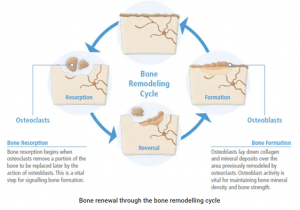
A common misconception about your bones is that they’re dead. (Not true!) Your bones are living tissue that’s continually remodeled in phases—resorption and formation—to stay healthy and strong. In resorption, your body breaks down old and damaged bone with cells called osteoclasts; during formation, it does the opposite: Cells known as osteoblasts build new bone. This process of remodeling is incredibly important and any imbalances, like cells being broken down too fast, can increase the risk for certain health conditions related to bone loss.  

Image from the International Osteoporosis Foundation 

Your bones have a dense network of blood vessels, nerves, and cells, and it’s important to keep every part of this network healthy, so it can give your bones what they need to build and maintain mass and density. 

Here are 6 nutrients we need to help keep your bones moving. 

  1. Magnesium 

Interesting fact: magnesium is the second most abundant mineral in cells—and about 60% of it is stored in your bones (that’s no small amount!). It’s there for good reason, as magnesium has two active roles in bone health: It regulates a mineral called hydroxyapatite and helps convert vitamin D to a form that can assist with calcium absorption. You’ll find magnesium in foods like pumpkin seeds, legumes and spinach, but cooking tends to reduce it significantly. For this and other reasons, about 48% of Americans don’t get enough in their diet, according to a 2013 – 2016 analysis 

Adding a magnesium supplement to your daily regime can help fill this gap. Magnesium glycinate may be preferred since it is easier to absorb than some other forms and has fewer side effects like diarrhea, according to research 

  1. Vitamin K 

This one might be surprising, as vitamin K is typically known for its role in blood clotting. Research shows that vitamin K helps manage resorption of osteoblasts (cells that build new bone). Your body also relies on vitamin K to build and activate certain proteins like osteocalcin, which binds calcium to bones, giving them their strength and flexibility. Of the 3 forms of vitamin K, vitamin K2 is considered the all-star—the most effective for bone health. It’s found in foods like natto, sauerkraut, and beef liver. 

Good news: for postmenopausal women taking a bisphosphate medication to slow bone loss, there’s growing evidence that taking vitamin K2 with your medication has better results, preventing fractures and supporting bone health. 

  1. Vitamin A 

Vitamin A plays a vital role in our vision, reproduction, immunity, and cellular health. Though more research is needed, it’s also believed to support your bones—particularly in the hip, thigh, and lower back. So if you’re interested in bone health, it might be worth seeking out.  

There are 2 forms of vitamin A you can obtain from your diet: retinol and carotenoids. Retinol, the active form of vitamin A, is the easiest for your body to absorb and use right away. It’s found in animal-based foods like whole milk, animal liver and eggs. Carotenoids, which your body has to convert to activate, can be found in plant-based foods like carrots, leafy greens and sweet potatoes. 

Regardless of which you choose, remember that getting too much of a good thing isn’t always better. Research shows that excessive amounts of vitamin A can actually have the opposite effect on your bones, increasing risks for hip fractures. So if you opt for a vitamin A supplement, it’s best to stay within the recommended daily dose, unless your doctor says otherwise. 

  1. Protein 

Your bones are made of four things: minerals, lipids (fats), water and protein. That last one, protein, falls into two categories: collagen and non-collagen. Collagen, the main protein found in your body, plays a vital role in supporting the strength and structure of your bones, while non-collagen proteins support them with signaling and movement. For this reason, eating protein is vital to your bone health.  

But before you start heaping your plate with steak, be sure to consider the quality and amount of protein you are consuming—more isn’t always better. In extreme amounts, protein can actually damage your bone health by causing calcium to be excreted in the urine, according to a review in The American Journal of Clinical Nutrition. In general, it’s best to aim for moderate protein intake: 1-1.5 grams per kilogram of body weight per day.  

  1. Phosphorus 

Phosphorus is a mineral involved in producing energy, bone growth, and bone mineralization. It’s often used as a food additive and preservative, so it’s easy to get enough of it in your diet—and in fact a lot of people to get too much. Excess levels can leech calcium from bones and worsen bone health, so keeping phosphorus at the right level is extremely important. 

If you’re trying to lower your phosphorus levels, be mindful about how much processed foods you’re eating. Avoid inorganic phosphorus as a preservative, and choose protein-rich, whole foods like soybean, meat and eggs. 

  1. Potassium 

If you love cereal, sugar, high-protein and processed foods—and tend to avoid fruits and vegetables—I have bad news: Your diet might be too acidic. The acid-ash hypothesis suggests that the high acidity may be weakening your bones. The good news is, there’s a way to fight back: potassium citrate and other alkaline potassium salts are thought to counteract that acidity and protect against bone loss. It’s possible that this is a result of potassium’s role as a kind of buffer that keeps your body at a healthy pH between 7.35 and 7.45—but whether this is the explanation behind potassium’s apparently positive effect on bones is still being researched.  

About Ruby 

Ruby is a registered pharmacist, board certified-medication management specialist, and personal chef. She believes that whole health creates more vibrant living and is a strong advocate for integrative wellness.  

Do you have questions on how you may benefit from supplements? Reach out to one of our experts, or take Persona’s free nutrition assessment, and learn exactly what you need to take your wellness to the next level. 


This information is not intended as a substitute for the advice provided by your physician or other healthcare professional, or any information contained on or in any product label or packaging. Do not use the information from this article for diagnosing or treating a health problem or disease, or prescribing medication or other treatment. Always speak with your physician or other healthcare professional before taking any medication or nutritional, herbal, or homeopathic supplement, or using any treatment for a health problem. If you have or suspect that you have a medical problem, contact your health care provider promptly. Do not disregard professional medical advice or delay in seeking professional advice because of something you have read in this article.    

References:

  1. Rondanelli, M., Faliva, M.A., Tartara, A. et al. An update on magnesium and bone health. Biometals 34, 715–736 (2021). https://doi.org/10.1007/s10534-021-00305-0 
  2. Wen L, Chen J, Duan L, Li S. Vitamin K dependent proteins involved in bone and cardiovascular health (Review). Mol Med Rep. 2018;18(1):3-15. doi:10.3892/mmr.2018.8940 
  3. Maresz K. Proper Calcium Use: Vitamin K2 as a Promoter of Bone and Cardiovascular Health. Integr Med (Encinitas). 2015 Feb;14(1):34-9. PMID: 26770129; PMCID: PMC4566462.
  4. König D, Oesser S, Scharla S, Zdzieblik D, Gollhofer A. Specific Collagen Peptides Improve Bone Mineral Density and Bone Markers in Postmenopausal Women-A Randomized Controlled Study. Nutrients. 2018 Jan 16;10(1):97. doi: 10.3390/nu10010097. PMID: 29337906; PMCID: PMC5793325.
  5. Robert P Heaney, Donald K Layman, Amount and type of protein influences bone health, The American Journal of Clinical Nutrition, Volume 87, Issue 5, May 2008, Pages 1567S–1570S, https://doi.org/10.1093/ajcn/87.5.1567S 
  6. Phosphorus and your diet. National Kidney Foundation. https://www.kidney.org/atoz/content/phosphorus#:~:text=High%20phosphorus%20levels%20can%20cause,lungs%2C%20eyes%2C%20and%20heart. 
  7. Nicoll R, McLaren Howard J. The acid-ash hypothesis revisited: a reassessment of the impact of dietary acidity on bone. J Bone Miner Metab. 2014 Sep;32(5):469-75. doi: 10.1007/s00774-014-0571-0. Epub 2014 Feb 21. PMID: 24557632. 
6

Interested in learning what supplements are right for you? Take our free assessment.

START ASSESSMENT

Going Paleo? You may be missing out on these nutrients

The Paleo diet is one of the most popular diet trends. Based on the eating habits of our distant ancestors (or at least what we assume were their eating habits), the so-called caveman diet typically emphasizes meat and gives the boot to grains, dairy and processed foods. Paleo promoters say this is a healthier way to live, since it delivers only the foods we evolved to eat over millions of years.  

But here’s the thing: we aren’t fighting off dinosaurs anymore! Since we invented farming, we’ve evolved different needs from our caveman ancestors 1, meaning going Paleo may result in the loss of some nutrients you need to stay healthy. So before you trade rice bowls for a rib eye, make sure you have a way to fill these nutrient gaps:  

Grains 

Since our ancestors didn’t have the ability to prep overnight oats or raid the aisles of Trader Joe’s for cauliflower gnocchi, grains are restricted on the paleo diet. But grains are a source of carbohydrates—an essential component of your diet that fuels your brain. Sure, the Paleo diet still gives you carbs in the form of fruits and vegetables. But by excluding grains, you’ll miss out on some essential B Vitamins. Grains are naturally high in the B Vitamin Thiamin, which helps your body convert food to energy, and cereals are often fortified with the B Vitamin folate, essential for healthy growth and function. In this sense, going Paleo might actually take the wind out of your sails.  

Dairy 

Our ancestors weren’t out milking woolly mammoths, so a paleo diet also restricts dairy—an excellent source of calcium. Calcium, one of the most abundant minerals in the human body, is essential for strong bones, making up the bulk of their mass.  

This lack of dairy will also make you miss out on the B Vitamin riboflavin, essential for red blood cell production—and your ability to breathe! In fact, the reason milk is packaged in an opaque container is that riboflavin is extremely sensitive to light. The opaque container helps to ensure the riboflavin doesn’t get destroyed, showing you just how important it is. Maybe the lack of dairy in their diet was the reason cavemen had such short life expectancies? 2 

Legumes 

Unfortunately for cavemen, they didn’t have the pleasure of opting for veggie burgers as their diet lacked legumes. Legumes, a type of vegetable that includes beans, peas, and lentils, are nutrient powerhouses, packed with protein, vitamins, minerals and—importantly—fiber. A single serving contains about 7 g of fiber, almost one-third of the recommended daily intake. This is an essential nutrient that expands in the stomach, helps keep you full longer and helps maintain regularity, preventing dreaded constipation. Cutting out legumes may deprive you of these gut-friendly benefits.  

Oh, and be warned: Legumes are a big component of some of your favorite vegetarian treats, so if you love a good veggie burger or a chicken-less nugget, you may want to think twice before going Paleo. 

Takeaway 

The Paleo diet definitely has its pros and cons. If you decide to try it, you’ll want to make sure you aren’t missing out on key nutrients—and that may mean supplementation to fully support your health.  

Persona has you covered with all the vitamins and minerals you need to help fill any nutritional gaps. You can the free online assessment to learn what supplements will best support you! 


About Hayley 

Hayley is a Licensed Registered Dietitian Nutritionist (RDN) with a Bachelor of Science in Dietetics from Florida State University and a Master of Science in Dietetics from the University of Rhode Island. Hayley is dedicated to empowering individuals to achieve their nutritional goals through evidence-based practices. 


This information is not intended as a substitute for the advice provided by your physician or other healthcare professional or any information contained on or in any product label or packaging. Do not use the information from this article for diagnosing or treating a health problem or disease, or prescribing medication or other treatment. Always speak with your physician or other healthcare professional before taking any medication or nutritional, herbal or homeopathic supplement, or using any treatment for a health problem. If you have or suspect that you have a medical problem, contact your health care provider promptly. Do not disregard professional medical advice or delay in seeking professional advice because of something you have read in this article.   

References:

  1. Luca F, Perry GH, Di Rienzo A. Evolutionary adaptations to dietary changes. Annu Rev Nutr. 2010;30:291-314. doi:10.1146/annurev-nutr-080508-141048 
  2. Alain Menzel, Bernard Weber, Genetik und Epigenetik des Alterns, Präventionsmedizin und Anti-Aging-Medizin, 10.1007/978-3-662-61417-4, (209-246), (2022).  
2

Interested in learning what supplements are right for you? Take our free assessment.

START ASSESSMENT

What to look for in a gummy vitamin

You may have noticed gummy vitamins are taking over store shelves and filling up your social feed. They’re getting huge and for good reason. While supplements are important, not everyone is a fan of pills, making gummies the next best (and tastiest) thing. 

But here’s the catch: Not all gummies are created equal. If you’re not careful, you may end up with more junk than nutrients. So to steer you clear of pitfalls, we’re breaking down the top five things you need to know to find a gummy that delivers genuine goodness.  

1) Look for low sugar 

At the risk of pointing out the obvious: Vitamins should be good for you. But most gummy vitamins have just as much sugar as their candy counterparts. The American Heart Association recommends that men consume less than 36 grams of the sweet stuff per day, and women 25 grams. Yet, American adults consume on average a whopping 77 grams of added sugar daily, and kids even more.1 That’s nearly three times the recommended limit.  

Most gummy vitamins only add to this problem, typically packing about 2-4 grams of added sugar per serving, That may not seem like a lot, but those numbers add up fast. Look for gummies with minimal added sugar—the less the better. Better yet, find a brand that’s sweetened with a natural alternative like inulin. 

2) Read the nutrient numbers 

Gummy vitamins’ chewy goodness comes at a cost: The truth is, you can’t fit the same amount of nutrition into a gummy that you can into a pill (and still have it taste good), so it’s important to be selective. Look for nutrients that you know you need more of—vitamin D for example—and make sure your gummies provide at least 50% of the recommended daily value. If you can, find gummy vitamins that target your specific health needs, like saffron for mood, magnesium for stress or elderberry for immune health.* 

3) Find the fiber  

Fiber in a gummy? You read that right. Most of us only eat half the recommended amount of fiber per day—25 grams for women and 38 grams for men.2 Fiber, especially a prebiotic fiber like inulin, is a source of food for the good bacteria that live in your gut. A healthy gut supports digestion, regularity, and a healthy immune system. But that’s not all: Fiber also works to slow digestion, helping you feel full longer to maintain a healthy weight. Check the supplement facts and choose a gummy with a few grams of fiber per serving.  

4) Insist on clean ingredients  

We all know that candy is full of artificial ingredients like preservatives, artificial flavors and color additives, but that doesn’t have to be the case with your gummy vitamins. They can still taste good without all the junk! To see if your gummies measure up, check the ingredients just below the Supplement Facts panel on the side of the box. You’ll find all the other ingredients listed in descending order (from most to least). Choose a gummy vitamin that gets its color from natural sources and its taste from natural flavors. 

5) Enhance your habit with convenient packaging  

Last but not least, convenience is everything. After all, your vitamins won’t work if you forget to take them. Find gummy vitamins that are packaged in a way that works best with your lifestyle. If you’re always on the run, try a convenient daily pouch that’s easy to enjoy on the go. If you find that it’s too tempting to overindulge on gummy vitamins (don’t do it!), a pre-portioned pack is also a smart way to stick to the recommended serving size.  

Need help with gummy vitamins? 

Ok, full disclosure: Persona makes amazing gummy vitamins that check all these boxes (guilty as charged!). However, the reality is these tips hold true for any gummy vitamin product. Before you make your pick, take care to do your homework, compare your options and choose a gummy vitamin that’s right for you.  

Shop Persona Gummies at Target. 


About Emily  

Emily is a registered dietitian with a master’s degree in health communications. She is a self-proclaimed nutrition nerd and has a knack for translating nutrition science into everyday tips and resources.  If you’d like to chat with an expert like Emily, Persona’s team of nutritionists are available to chat 7 days a week. Reach out. 


This information is not intended as a substitute for the advice provided by your physician or other healthcare professional or any information contained on or in any product label or packaging. Do not use the information from this article for diagnosing or treating a health problem or disease, or prescribing medication or other treatment. Always speak with your physician or other healthcare professional before taking any medication or nutritional, herbal or homeopathic supplement, or using any treatment for a health problem. If you have or suspect that you have a medical problem, contact your health care provider promptly. Do not disregard professional medical advice or delay in seeking professional advice because of something you have read in this article.   

References:

2

Interested in learning what supplements are right for you? Take our free assessment.

START ASSESSMENT

Do I need an iron supplement?

“Tired? Maybe you need more iron.” 

If you’ve heard those words before, you’re not alone. Iron supplements have been touted as a fatigue fighter since the 1940s, when the US government first promoted them to the American public as key to good health. Today, iron still features prominently in the USDA’s My Plate school program, and it comes up all the time in discussions of diet, energy and women’s health. 

But as with any supplement, iron isn’t right for everyone. Age, gender, genetics, diet and a long list of other factors can affect your body’s need for iron supplementation—and getting it wrong can have consequences for your health.  

So how do you know if an iron tablet should be part of your daily routine? By asking the experts. Here, our nutrition professionals have put their heads together to give you the low-down on this celebrity supplement: Whether you’re likely to need it, how to know for sure and—if you do add iron to your regimen—how to get the most from it. 


But first: What does iron do, exactly? 

Your body uses iron to make hemoglobin, the special protein in red blood cells that carries oxygen from your lungs to the other parts of the body, where it keeps your cells’ power generators humming. 

When you’re low on iron, your body won’t make enough hemoglobin to carry out that crucial work, which may lead to fatigue, headaches, poor concentration, dizziness and feelings of weakness—a condition known as iron deficiency anemia (IDA). So if you’re feeling sluggish, does that mean you should you be gobbling down iron supplements? Maybe, maybe not. 

The reality is most of us get plenty of iron from our diets, meaning low iron might not be behind your lack of energy. What’s more, if you are getting enough iron from your food, an iron supplement might actually push you over the daily recommended intake. That could lead to a whole other set of health effects, including digestive issues and reduced absorption of nutrients like zinc. 

So how do you know if you’re low on iron? By looking at a number of factors. 


How do you know if you’re at risk of low iron? 

Different people need different amounts of iron to stay healthy. Men aged 19+ need about 8mg of iron per day, according to the NIH, while women aged 19-50 need about 18mg (this drops to 8mg daily after menopause). 

While most of us get these amounts—or more—from our food, a significant minority of people, primarily women, fall short for a number of reasons. You may be iron deficient if: 

  • You’re pregnant: It takes a lot to build a baby—including hemoglobin. To ensure your body has the material it needs to support your baby’s development and keep it well supplied with oxygen, an iron supplements is often recommended throughout pregnancy; 
  • You get heavy periods: This can deplete your body’s iron stores on a regular basis; 
  • You’ve lost blood from a health condition like ulcers or cancer—or because you donate blood frequently. Your body may need some extra iron to help it restock; 
  • You have a disorder that impacts iron: There are a number of chronic health issues that can impact your body’s ability to absorb or retain iron (ask your doctor about these); 
  • You’re taking certain drugs: Some medications interfere with iron absorption, preventing your body from getting what it needs from your food; 
  • You have a low-iron diet: Many foods—including red meat, pork, poultry, seafood, peas, beans, lentils, whole wheat bread, brown rice, eggs, tofu, spinach, raisins and apricots—are rich in iron, but not everyone gets enough of these to reach their recommended daily intake. This is often the case with vegans and vegetarians. 


How do you know for sure? 

While these factors will put you at risk of low iron—and symptoms like fatigue and weakness may offer another clue—the only way to know for sure is to talk to your doctor. They may recommend a blood test to determine your iron levels with precision, and recommend you supplement as needed. 


How do you get the most from your iron supplement? 

If it turns out you do need an iron supplement, there are things you can do to make sure you’re getting as much nutrition from it as possible: 

  • Don’t take it with calcium: Calcium supplements and calcium-rich foods like milk can get in the way of iron absorption, so avoid taking them together;
  • Don’t wash it down with coffee: The polyphenols in coffee and tea can similarly interfere with iron absorption, so try to go easy on them while supplementing—and definitely don’t wash down your capsule with a cup of Joe;
  • Get a helping hand from OJ: Vitamin C helps your body absorb iron, so taking your supplement with a glass of orange juice may actually augment its effects;
  • Consider an Iron/vitamin C combo: If you don’t want to drink OJ every day, an iron supplement that includes vitamin C can also be a great solution.


If iron is right for you, it may just be one part of a larger supplement plan tailored to your diet and health goals. To learn more about the nutrients that would fit your needs, try taking our nutrition assessment. It takes about five minutes, and will design a daily plan to fit your lifestyle.


About Gabby   

Gabby is a nutritionist with a master’s degree in strategic communications. She loves using her nutrition-fluency with storytelling to encourage positive change. Before Persona, she worked at a mental health clinic helping clients manage stress, anxiety and other mental health issues through diet.    

Gabby is just one of Persona’s team of qualified nutritionists. Do you have questions about nutrition? Reach out. Our experts would love to help. 


This information is not intended as a substitute for the advice provided by your physician or other healthcare professional or any information contained on or in any product label or packaging. Do not use the information from this article for diagnosing or treating a health problem or disease, or prescribing medication or other treatment. Always speak with your physician or other healthcare professional before taking any medication or nutritional, herbal or homeopathic supplement, or using any treatment for a health problem. If you have or suspect that you have a medical problem, contact your health care provider promptly. Do not disregard professional medical advice or delay in seeking professional advice because of something you have read in this article.   

References:

  1. Ods.od.nih.gov. 2022. Office of Dietary Supplements – Iron. Available at: https://ods.od.nih.gov/factsheets/Iron-HealthProfessional/ 
  2. Iron & oral supplements for anemia: types & benefits. Cleveland Clinic. https://my.clevelandclinic.org/health/articles/14568-oral-iron-supplementation 
  3. Lynch SR, Cook JD. Interaction of vitamin C and iron. Ann N Y Acad Sci. 1980;355:32-44. doi: 10.1111/j.1749-6632.1980.tb21325.x. PMID: 6940487. 
6

Interested in learning what supplements are right for you? Take our free assessment.

START ASSESSMENT

Top 5 supplements for women in their 30’s

Welcome to your fourth decade!  

There are a lot of amazing things that happen in your 30’s: You get to know yourself better, you hit your financial stride, you come to recognize the friendships that matter and all the small things that don’t. But your 30’s also come with a downside: You might find yourself with less energy, a slower metabolism, a few wrinkles where you didn’t have them before—maybe even thinning hair. These natural changes happen to everyone—there’s not much you can do to avoid them—but with a healthy lifestyle and the right nutrients, you can take steps to manage them. Here are 5 supplements we recommend to keep your 30’s healthy and happy: 

1) Collagen 

If you start seeing a few fine lines and wrinkles after your 30th birthday, welcome to the club! Wrinkles are the result of lost collagen, the scaffolding that makes up your skin, hair, nails, joints and tendons. Your natural collagen production slows in your twenties, making it harder for your body to replace the estimated 1-1.5% of collagen you lose each year to sun damage, poor sleep, stress, hormones, diet and pregnancy1. This is where collagen supplements can help. They promote collagen production, support skin hydration and giving your tissues the amino acid building blocks they need to stay healthy.* 

2) Ashwagandha  

Chores, kids and work responsibilities tend to pile up in your 30’s. In fact, millennial women spend two more hours per day on chores than men who work the same number of hours2. It’s no wonder that women in their 30’s are more stressed than ever. When the stress piles up, your body produces cortisol, the main stress hormone that can lead to high blood pressure, tension and weight gain. Ashwagandha helps you combat this by regulating cortisol, making it easier to cope with the demands of physical, mental and emotional stress.*  

3) Borage & Saffron 

Three out of four women are not-so-lucky enough to experience pesky symptoms of PMS like cravings, irritability and blemishes at some point during their reproductive years. If you’re one of those three women, borage oil and saffron—taken together—might just be your best friend. Borage contains a fatty acid called GLA, which works to maintain the protective barrier on your skin, helping you keep a healthy complexion all month long. Saffron meanwhile helps curb cravings and supports mood too.* 

4) Calcium & vitamin D 

While your younger years are all about building that bone mass, your 30’s are all about maintaining it. Calcium and vitamin D, taken together, can help. Calcium, the most common mineral in your bones, gives them their strength and structure. Vitamin D helps get this vital mineral where it needs to go by helping your body make a protein called calbindin, which works to shuttle calcium across the wall of your intestines and into your bloodstream. Working hand in hand, this duo gives your body the nutrients it needs to ward off bone loss. 

5) Magnesium 

You know you’ve hit your 30’s when being in bed by 10pm suddenly sounds more appealing than partying into the wee hours. That’s because the hormones that regulate your sleeping patterns change with age. In fact, the quality of your sleep declines each decade until you hit your 60’s. While there are plenty of sleep aides that can help, a simple magnesium supplement is a good place to start. Magnesium, especially magnesium glycinate, helps calm your mind and soothes tense muscles, making it easier to settle in for a good night’s rest. Most people don’t get enough of this mineral from diet alone, so a supplement may be helpful. 

Need help with supplements?   

The reality is, when it comes to supplements in your 30’s, there’s no one-size-fits all solution. Depending on your diet, lifestyle, and health goals, your supplement needs might be different. If you’re not sure where to start, take Persona’s free nutrition assessment, and learn exactly what you need to fit your wellness goals in the best way. 


About Madison 

Madison is a nutritionist with a degree in Nutritional Sciences from Texas A&M University. She has a zeal for women’s health and establishing positive relationships with both body image and food. Madison has worked in the supplement industry for the past three years, performing nutritional counseling, research analysis and protocol development. 

Madison is just one of Persona’s team of qualified nutritionists. Do you have questions about nutrition? Reach out. Our experts would love to help. 


This information is not intended as a substitute for the advice provided by your physician or other healthcare professional or any information contained on or in any product label or packaging. Do not use the information from this article for diagnosing or treating a health problem or disease, or prescribing medication or other treatment. Always speak with your physician or other healthcare professional before taking any medication or nutritional, herbal or homeopathic supplement, or using any treatment for a health problem. If you have or suspect that you have a medical problem, contact your health care provider promptly. Do not disregard professional medical advice or delay in seeking professional advice because of something you have read in this article.   

References:

  1. Reilly DM, Lozano J. Skin collagen through the lifestages: importance for skin health and beauty. Plastic and Aesthetic Research. 2021;8:2. 
  2. Hayes J,Ph.DCH, Ahmed T. Providing unpaid household and care work in the United States: uncovering inequality. IWPR. 
  3. U.S. Department of Agriculture, Agricultural Research Service. Usual Nutrient Intake from Food and Beverages, by Gender and Age, What We Eat in America, NHANES 2013-2016; 2019 


8

Interested in learning what supplements are right for you? Take our free assessment.

START ASSESSMENT

5 tips to make swallowing pills easier

You’re doing your best to take care of your health—exercising, eating a balanced diet, drinking water and taking supplements… well, kind of. That last one can be challenging if you hate swallowing pills. It’s not your fault; it’s a real struggle for many of us. But before you decide to throw in the towel, there are some tricks out there that can help you out.

Here are 5 that we recommend: 

1) Drink (lots of) water 

Start with a few swigs of water before taking your supplements. It might sound a little silly, but it gives your body a few practice runs while also lubricating your throat. When your mouth is dry, it’s harder to swallow and it raises the chance of feeling the pills go down. Make sure to have another few gulps after taking your supplements, so they reach your stomach without any discomfort.  

2) Try thick liquids 

You might have better success with drinks that have a thicker consistency. We’re often told only to take our supplements with water, but switching to liquids that have a higher viscosity like smoothies, milk or pulp juice can make a world of difference. Thick liquids slow down your swallowing process and help prevent the pills and liquid from separating, making it easier to swallow. Their gooeyness also helps mask the feeling of pills in your mouth—and some of these drinks can even give your supplements a leg up to improve absorption. 

3) Hide it in food 

Sometimes it’s our head that gets in the way. We think too much about it. Normally, when we eat or drink, we’re able to swallow without any thought, but when it comes to pills, we’re suddenly very aware of what we’re doing. We think about swallowing and every step that goes into it. And the more we think about it, the harder it gets.  

If this is your struggle, tricking yourself into thinking you’re eating something else can help. Hide your supplements in food, such as applesauce, a banana or yogurt. You may find that you’re able to swallow your pills without thinking—out of sight, out of mind.  

Heads up: It might be tempting to open the capsules or crush the pills when mixing it with food but it’s best to avoid this. The taste can be off-putting and may just increase your aversion to pills. More importantly, many supplements are time released with a special coating. Changing their form can reduce their effectiveness. 

4) First, water 

If your issue is that you don’t like the feeling of pills in your mouth before you wash them down, a simple solution might be tweaking your steps. Instead of putting the supplements in your mouth first, start with water. Take a sip, hold the water in your mouth, then plop the pill in and swallow.  

5) Separate your floats from your non-floats 

Use your body to help you out. You’ll notice some supplements are capsules that float in water, while others are heavier tablets that sink. There’s a special movement for swallowing each of these pill types that may make it easier: 

For the capsules that float in water, use the lean-forward method: Start by placing the supplements on your tongue, take a sip of water and as you swallow, slowly tilt your head down toward your chest and lean forward.  

For the non-floats, try the pop bottle method: You’ll first need a water bottle with a narrow opening. Start by placing the tablets on your tongue, then close your lips around the opening, tilt your head back slightly, and swallow.  

If you don’t have success with these the first time, don’t stress. Like anything, it can take a few practice rounds to find what works best for you. In the end, if nothing else works, there are other ways of supplementing your diet, like with powders and gummies. But when considering these pill alternatives, make sure they’re not packed with fillers or sugar. Persona’s foundation multivitamin powder and gummy packs are great options (if you don’t mind me saying… 😊). 


About Gabby   

Gabby is a nutritionist with a master’s degree in strategic communications. She loves using her nutrition-fluency with storytelling to encourage positive change. Before Persona, she worked at a mental health clinic helping clients manage stress, anxiety, and other mental health issues through diet. 

Gabby is just one of Persona’s team of qualified nutritionists. Do you have questions about nutrition? Reach out. Our experts would love to help. 

This information is not intended as a substitute for the advice provided by your physician or other healthcare professional or any information contained on or in any product label or packaging. Do not use the information from this article for diagnosing or treating a health problem or disease, or prescribing medication or other treatment. Always speak with your physician or other healthcare professional before taking any medication or nutritional, herbal or homeopathic supplement, or using any treatment for a health problem. If you have or suspect that you have a medical problem, contact your health care provider promptly. Do not disregard professional medical advice or delay in seeking professional advice because of something you have read in this article.   
4

Interested in learning what supplements are right for you? Take our free assessment.

START ASSESSMENT

We use cookies to ensure that we give you the
best experience on our website. Learn more.