Posts

Why You Need Ginger in Your Diet: 10 Health Benefits of Ginger

Ginger is much more than a tasty culinary spice. There is a long list of ginger benefits that are worth exploring. It has been used for thousands of years in Ayurvedic medicine and traditional Chinese medicine. Recent research shows that many of the health benefits of ginger in traditional medicine are found to be effective in controlled studies as well.  You can enjoy many of the health benefits of ginger by adding it to food, making ginger tea, and drinking lemon ginger water. If you want to take advantage of the therapeutic properties of ginger, but dislike the taste, it is also available as an extract in liquid or capsule form. Below are explanations of ten of the top health benefits of ginger.

Health Benefits of Ginger

1. Ginger may help support you in reaching your weight loss goals

In a review of the literature, researchers found that ginger shows promise when it comes to losing weight across multiple studies. A study that included 80 obese women between the ages of 18 and 45 found that ‘ginger consumption has potential in managing obesity.’

2. Ginger has anti-inflammatory properties

In several studies, ginger has shown promise as an anti-inflammatory. Patients dealing with chronic issues like osteoarthritis who used ginger reported less stiffness and improved physical functioning. Chronic inflammation is associated with a number of serious conditions including heart disease, diabetes, bowl diseases, and arthritis. The health benefits of ginger as an anti-inflammatory have the potential to be far reaching.

3. Ginger may help protect your oral health

Gingivitis and periodontitis are inflammatory gum diseases that can cause a number of problems for your oral and overall health. Components found in ginger have been shown to inhibit the growth of the pathogens that cause gum disease. For people who are prone to gum disease, ginger benefits may extend to your overall oral health.

4. Ginger may help relieve gastrointestinal distress

Ginger has been used to treat symptoms of gastrointestinal distress in Asian medicine for centuries. Modern research is exploring the effectiveness of ginger to provide relief in this area. Research shows that ginger may help relieve constipation and reduce flatulence.

5. Ginger may help lower your LDL cholesterol

Supplementing with ginger or adding it into your diet may have a positive impact on your LDL cholesterol. This is the type of cholesterol that is associated with plaque building up in your arteries. An animal study found that ginger extract consumption significantly reduced LDL cholesterol in participants.

6. Ginger may ease nausea

Ginger has long been used to help ease nausea and vomiting. In a double blind study, researchers found that patients who took ginger before major surgery experienced less nausea and vomiting after the procedure than those who took a placebo. Ginger has also been shown to help reduce morning sickness and nausea in pregnant women.

7. Ginger has potential for the prevention of disease

A study of almost 5,000 adult participants found that ginger has a ‘potential preventative property against some chronic diseases.’ In the study, the probability of diseases like hypertension and coronary heart disease went down as the level of daily ginger intake increased.

8. Ginger may help reduce pain

Multiple studies have found that supplementing with ginger or adding it to your diet can have help reduce pain. One study found that ginger was as effective as ibuprofen in managing swelling and pain after oral surgery.

9. Ginger may support brain health

There is exciting research that investigates the possibility of using components in ginger to develop better treatment for Alzheimer’s disease. Other research has found that ginger benefits include increased cognitive function and improved working memory.

10. Ginger may help prevent or reduce allergy symptoms

An animal study found that components in ginger may help prevent or alleviate allergy symptoms like stuffiness, sneezing, runny nose, and itchy, watery eyes.

Ways to Consume Ginger in Your Daily Diet

You can experience ginger benefits by adding it to food while you cook. Ginger is a popular spice in Asian-inspired savory dishes and holiday inspired baked goods. Other options for consuming ginger in your daily diet include taking a ginger supplement and drinking ginger tea or lemon ginger water.

1. Ginger Supplement

If you do not like the taste of ginger or simply do not cook enough with it to experience all of the health benefits of ginger, consider adding a daily ginger supplement.  A high-quality ginger supplement can provide you with all of the ginger benefits that are available.

2. Ginger Tea (Check out our recipe)

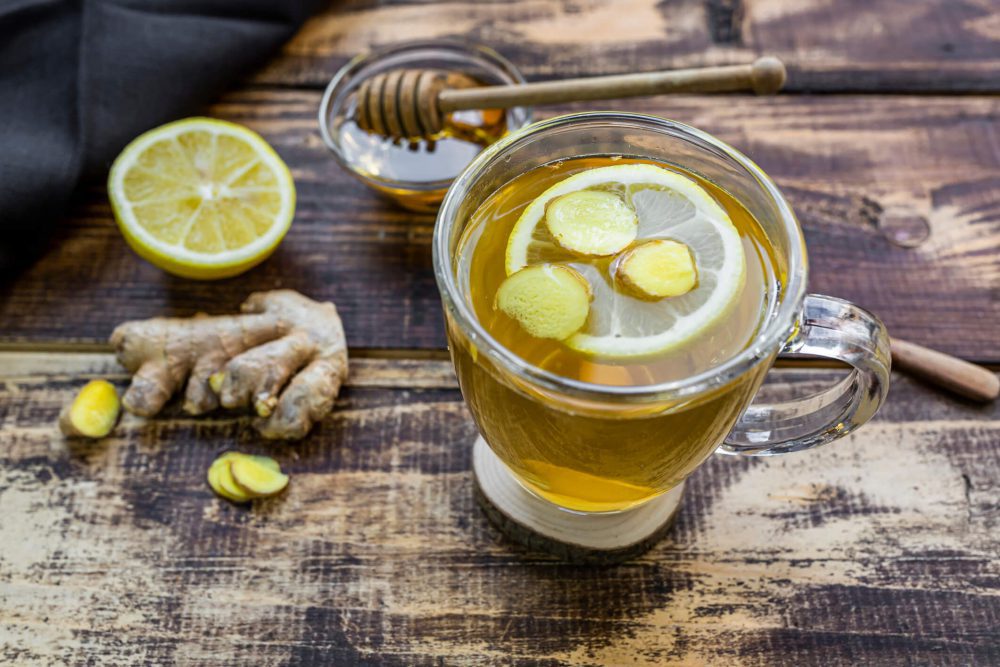
Ginger tea is another way to add ginger to your daily diet. Ginger tea benefits include nausea relief, reduced inflammation, improved circulation, and several more. Check out our simple and delicious ginger tea recipe and experience all of the lemon ginger tea benefits for yourself.

3. Lemon Ginger Immune Boost

The combination of lemon and ginger can pack a tasty and powerful punch to your diet. If you are looking for a natural and delicious way to feel your best and boost your immunity, check out Lemon Ginger Immune Boost.

What are the benefits of ginger and lemon?

Ginger and lemon benefits may help support your immune system, fight free radicals, and support a healthy inflammatory response. Drinking lemon ginger water is a simple and tasty way to experience the benefits that ginger and lemon have to offer.

Why choose Persona for supplement intake?

Persona nutrition simplifies the process of choosing and taking supplements. Your wellness goals and health concerns are unique. Because of this, taking a one-size-fits-all supplement will not provide you with the results you want. The Persona Nutrition assessment is designed to help you find the unique combination of supplements that are right for you. Take our assessment and discover the combination of supplements that will help you move toward achieving your wellness goals and feeling your best. Persona also makes it easy to take your daily supplements. You will receive a customized daily supplement packs that you simply open and take. This eliminates the complicated and time-consuming task of separating out your supplements each day.

Ginger is much more than a tasty culinary spice. There is a long list of ginger benefits that are worth exploring. It has been used for thousands of years in Ayurvedic medicine and traditional Chinese medicine. Recent research shows that many of the health benefits of ginger in traditional medicine are found to be effective in controlled studies as well.  You can enjoy many of the health benefits of ginger by adding it to food, making ginger tea, and drinking lemon ginger water. If you want to take advantage of the therapeutic properties of ginger, but dislike the taste, it is also available as an extract in liquid or capsule form. Below are explanations of ten of the top health benefits of ginger.

If you are looking for the highest quality Vitamin and Mineral Supplements personalized for you, please go to www.personanutrition.com and take their on-line questionnaire providing individualized vitamin and mineral recommendations. Persona is the only Science Based supplement provider on the web today! Take advantage of their knowledge and use it to your health’s benefit!
This information is not intended as a substitute for the advice provided by your physician or other healthcare professional or any information contained on or in any product label or packaging. Do not use the information from this article for diagnosing or treating a health problem or disease, or prescribing medication or other treatment. Always speak with your physician or other healthcare professional before taking any medication or nutritional, herbal or homeopathic supplement, or using any treatment for a health problem. If you have or suspect that you have a medical problem, contact your health care provider promptly. Do not disregard professional medical advice or delay in seeking professional advice because of something you have read in this article.

7

Interested in learning what supplements are right for you? Take our free assessment.

START ASSESSMENT

Health Benefits of Apple Cider Vinegar: Hair, Weightloss, Detox

One of the hottest nutritional supplements currently on the market is apple cider vinegar. If you have noticed the excitement, you may be asking the question, ‘What is apple cider vinegar good for?’ Apple cider vinegar has been used for thousands of years to treat a number of common ailments. Current research shows that it also has properties that can have a positive impact on your overall wellness and long-term health.

What is apple cider vinegar?

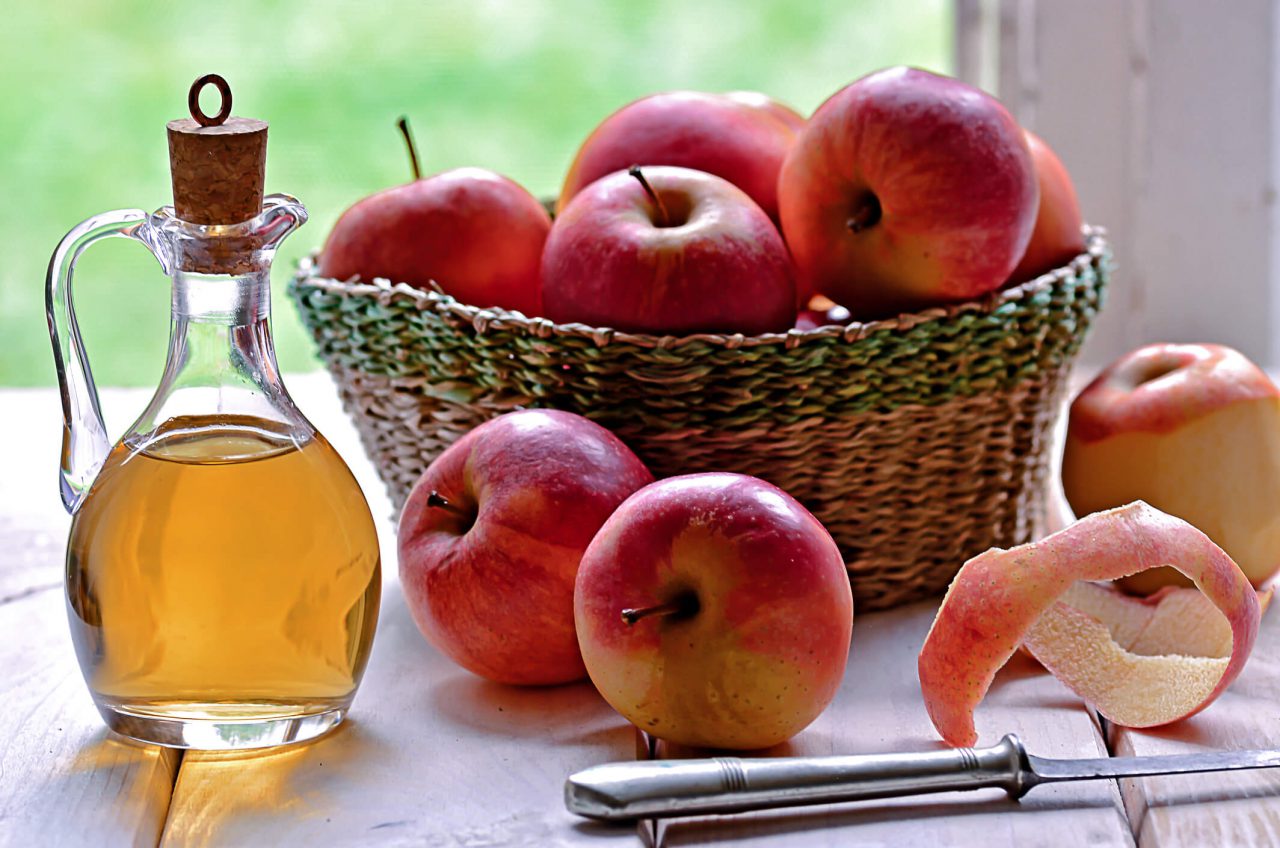
Apple cider vinegar is apple juice that has been fermented using yeast. When the yeast is introduced, the natural sugars in the apple juice ferment. This changes the makeup of the juice from sweet to acidic. The change that apple juice undergoes during the fermentation process is also what gives apple cider vinegar its beneficial properties.

Why you should drink apple cider vinegar.

Drinking apple cider vinegar can provide you with a number of health and wellness benefits. It is worth exploring the range of health benefits that apple cider vinegar can provide to determine if it is something that can improve your health and quality of life.

What is the ‘Mother’ in apple cider vinegar drinks?

Apple cider vinegar with mother simply means that yeast and healthy bacteria used in the fermentation process are still present in the apple cider vinegar. If you notice that the apple cider vinegar looks murky at the bottom of the bottle, the murkiness you are seeing is the ‘mother’.

Apple cider vinegar health benefits

  1. Apple cider vinegar may help support you in reaching your weight loss goals.

Apple cider vinegar weight loss is possible because ACV may help you feel full. Research shows that supplementing with vinegar may increase the feeling of fullness after eating. An apple cider vinegar diet that includes daily consumption of ACV may help with weight gain and weight loss.

  1. Apple cider vinegar is a probiotic.

The yeast and bacteria found in apple cider vinegar have probiotic properties. This means that there are live, beneficial bacteria in apple cider vinegar. There is a mountain of research on the benefits of probiotics when it comes to gut health. Apple cider vinegar with mother has proteins, enzymes, and friendly bacteria that can be used in the prevention or treatment of conditions that range from irritable bowel syndrome to the recurrence of bladder cancer.

  1. Apple cider vinegar can help the look of your hair.

Apple cider vinegar for hair care is something that is gaining popularity. Many modern hair products are being blamed for hair and scalp issues including dry hair, frizzy hair, and dandruff. When the pH of your scalp gets out of whack, it can cause your hair to look frizzy and allow dandruff-causing bacteria to grow. Apple cider vinegar can be used to aid the natural pH of your scalp.

  1. Apple cider vinegar can reduce blood pressure.

Components in apple cider vinegar have been found to reduce blood pressure in animal studies.

  1. Apple cider vinegar can impact cholesterol.

Adding apple cider vinegar to your diet can have a positive impact on your cholesterol. A randomized, clinical trial found that introducing apple cider vinegar into your diet can help reduce bad cholesterol (LDL).

  1. Apple cider vinegar can be used as a natural cleaning and preservation agent.

If you are concerned about the potential impact of commercial home cleaning or food preservation products on the environment and your health, apple cider vinegar is a natural alternative.

What are some helpful nutrients in apple cider vinegar?

On its own, apple cider vinegar does not have high levels of vitamins or minerals. However, apple cider vinegar does come with strands of proteins, enzymes, and good bacteria that all contribute to its many health benefits.

Check out our apple cider vinegar gummies!

If you are convinced that incorporating apple cider vinegar into your life can provide benefits, check out our apple cider vinegar gummies!

What are the benefits of apple cider vinegar gummies?

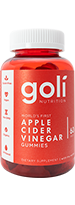
It can be difficult to handle the harsh taste of drinking apple cider vinegar on its own. Because of this, many people try to consume it daily by adding it to water, tea, or food. The extra steps required to fit in apple cider vinegar makes it difficult to use it consistently. Persona Nutrition has solved that problem by offering apple cider vinegar gummies.  Goli Apple Cider Vinegar Gummies can provide you with health benefits of apple cider vinegar in an easy-to-take gummy form.

Are there any potential side effects of apple cider vinegar?

The worst potential side effects of apple cider vinegar come from consuming it as a liquid. Undiluted apple cider vinegar may erode the enamel of your teeth and potentially cause burns in your throat. Taking too much apple cider vinegar can also potentially lead to bone loss. It is important to consume apple cider vinegar in the appropriate form and at the appropriate levels.

How often should you drink apple cider vinegar or take the gummies?

Getting the appropriate amount of apple cider vinegar is an important part of enjoying the benefits without experiencing negative side effects. The recommended dose of apple cider vinegar is 1-2 tablespoons per day or 1-2 gummies, three times daily. No matter how you decide to consume apple cider vinegar, be sure and follow the recommended dosage and the advice of your doctor.

There is no easier way to get in your daily dose of apple cider vinegar than to take them in gummy form. Persona Nutrition has great tasting apple cider vinegar gummies that can complement the other supplements in your personalized lineup. Add apple cider vinegar gummies to your next delivery and experience them for yourself!

5

Interested in learning what supplements are right for you? Take our free assessment.

START ASSESSMENT

Daphne Oz, “The Little Choices I Make to Protect My Own Happiness” as Heard on Off the Gram Podcast

Persona’s nutrition ambassador, Daphne Oz, was on today’s Off the Gram podcast with the show’s hosts, including Jamie Hess and Christine Bibbo-Herr.  In this segment, Daphne talks about the one woman who has influenced her life, the little choices she makes every day to protect her own happiness, the importance of body positivity especially in front of her kids, the importance of confidence and what her daily routine looks like.

The hosts are “sweating” Persona as a product in their daily lives and reveal which vitamins are in their custom packs, and Daphne shares what attracted her to this personalized nutrition company.

Hear more by listening HERE.


About Daphne Oz

Daphne Oz is an Emmy Award-winning television host, New York Times-bestselling author, chef, and entrepreneur focused on innovation in food and beverage, beauty, wellness, fashion and media. She is the newest judge to join renowned chefs Gordon Ramsay and Aaron Sanchez on FOX’s MasterChef Junior. Daphne also cohosts The Dish on Oz (a weekly series airing Wednesdays on The Dr. Oz Show), where she brings the latest in food news, family-friendly recipes, expert tricks, and social media-worthy indulgence to the small screen. Daphne was previously cohost of ABC’s The Chew for six seasons.  She cohosts the chart-topping podcast Mom Brain, where she shares candid conversations about parenting and how to raise happy, confident kids with trusted experts, doctors, celebrities and friends. Daphne’s delicious and refreshingly realistic approach to balanced living has made her an in-demand speaker on all things food, wellness, motherhood and lifestyle. A graduate of Princeton University, The Institute for Integrative Nutrition, and The Natural Gourmet Institute, Daphne and her husband have four children.

You can follow Daphne on Instagram, Facebook and Twitter @DaphneOz.

15

Interested in learning what supplements are right for you? Take our free assessment.

START ASSESSMENT

Is Everyone as Tired as I am?

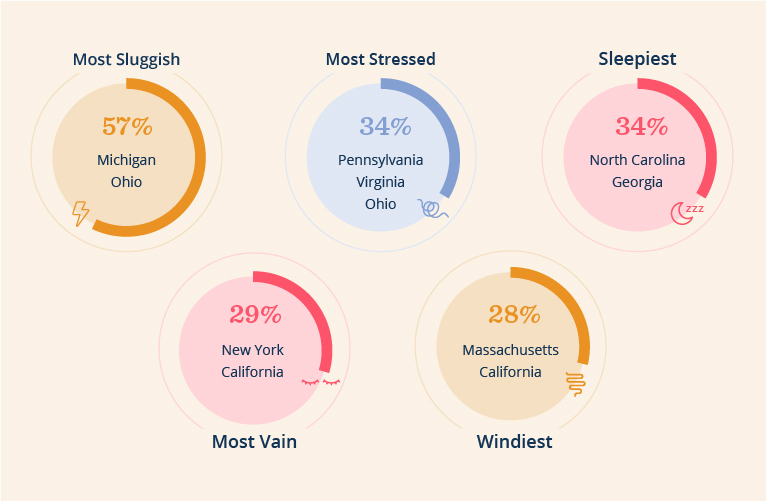
This past year has been a very strange time in our lives. If your stressors are the same as mine, you may be trying to balance working a full-time job while caring for and educating children in the next room. Americans are worn out and our concerns are being reflected in our health. You may be wondering if your health concerns are the same as others, and we were too!


Persona Nutrition conducted its first-ever Health Needs Index. This looked at the nation’s top health concerns in 2020 and was analyzed by our team of data scientists. Our team analyzed our free online nutritional assessments, completed more than 1 million times in the U.S. From this review, we found that American’s top health concerns in 2020 were


  1. Energy,
  2. Stress,
  3. Sleep,
  4. Beauty (hair, skin, and nails), and
  5.  Digestion


We break down the top states for each of these health concerns and provide foods and nutrients that can help support these health goals. Take a look – even if you don’t hail from one of these states – in addition to the tips you’ve set aside for a morning workout, you’ll likely learn something new that you can incorporate into your daily diet.


#1 The Most Sluggish States = 57% of Michigan and Ohio survey takers listed Energy as a top focus

In addition to adding physical fitness to your daily routines, you can turn to fiber-rich foods, including oats, buckwheat, seeds, apples and berries as well as dietary supplements with the following vitamins and nutrients – fermented ginseng, green tea, vitamin B-12, and cordyceps.


#2 The Most Stressed States = 34% of Ohio, Pennsylvania, and Virginia survey takers listed Stress as a top focus

You can try adding more foods rich in B vitamins, zinc, omega-3s, and vitamin C and consider supplementing your diet with a combination of a high-quality multivitamin plus ashwagandha, cordyceps, DHA omega-3, and fermented ginseng.


#3 The Sleepiest States = 34% of Georgia and North Carolina survey takers listed Sleep as a top focus

Melatonin is made naturally in the body and can also be added through rotating supplement programs to help achieve sleep goals. In addition, nutrients such as herbs, trace minerals, and amino acids can support sleep naturally.


#4 The Most Vain States = 29% of New York and California survey takers listed Beauty as a top focus

What we see on the outside starts from the inside, so nutrition plays a key role in the health of hair, skin, and nails. Nutrients like collagen, horsetail extract, vitamin C and CoQ10 can help support beauty from within.


#5 The Windiest States = 28% of California and Massachusetts survey takers listed digestion as a top focus

Gut health woes are top of mind for many, as 70 percent of our immunity resides in our gut. Adding foods and beverages that promote the growth of good bacteria, like kefir, yogurt, and kombucha, as well as a daily probiotic can help those with gut health challenges.


Looking for supplements that are created just for you? Take our free assessment for personalized vitamin recommendations based on your health, diet, lifestyle, and prescription medications. The highest quality vitamins are delivered to you every month in convenient daily packs.

6

Interested in learning what supplements are right for you? Take our free assessment.

START ASSESSMENT

Persona, Moms Meet, and Honest Opinions

When trying to decide on a new product or purchasing from a new company, we tend to ask ourselves a few questions: Does this product actually work? Is this a company I can trust? Is it worth trying? With so many options available on the market, it can be overwhelming to choose the right one. Fortunately, we can look to those who have tried the product to help us decide. We trust reviews, ratings, the success people have had, and their experience with a brand.

At Persona, we celebrate feedback from our customers. We’re proud of what we’ve accomplished so far – our algorithm is doctor-designed, our products are backed by science and the latest research, and we have a team of nutritionists to support you. Ultimately though, people are at the center of everything we do, and our goal is to promote health and wellness that works for you. So, we also listen and are focused on doing what’s right for you. We appreciate feedback and continuously use it to evolve and improve what we do.

Who are Moms Meet?

Recently, we had the opportunity to partner with Moms Meet, an online community-based platform that empowers moms and parents to connect and support one another. We were especially excited about this collaboration because both Persona and Moms Meet support a similar mission to promote healthier and happier lives for individuals and communities. We’d like to thank all the Moms Meet bloggers who took the time to try Persona and share their experience on the platform.

People can sign up online to join Moms Meet, then groups of members are selected to sample various products and services in exchange for a blog post with their honest opinion about it. Other moms and users on the platform who didn’t sample the product can turn to their posts for guidance with the assurance that the feedback is coming from a community they trust.

Here is what 15 Moms Meet bloggers had to say after trying Persona:

  • “Meet Persona Nutrition, your new ally and advocate. They don’t just bundle together a bunch of popular pills and send you on your way.” – BitterSweet


  • “Even though I’ve only been using [Persona] for a few weeks, I already feel like I have a little energy boost each day.” – The 413 Mom


  • “The bottom line for me… Persona took the guesswork out of which supplements I should take to address my body’s changing needs. I love that they give me easy access to real nutritionists, who can answer my specific questions.” – The Style Files


  • “Persona is a wellness solution to help you feel good, find more energy, and sleep better.” “I slept much deeper and I fell asleep much quicker. I also had more energy and I did not feel that afternoon slump that I typically felt.” – Cook with 5 Kids


  • “I have to tell you that it was awesome to not have tons of bottles to store in my medicine cabinet. Plus, having daily vitamin and supplement packs makes it a lot easier to keep on track with taking them.” – The Fun Learning Life


  • “Sometimes it is hard to know what your body needs for optimal health. I recently found Persona Nutrition and I love their approach to personalized health.” – Ginger Casa


  • “I had a great experience with Persona nutrition vitamin packs and would recommend them to anyone looking to better their health and need supplements for their specific needs.” – Dawn and Hope


  • “I love that my vitamins were picked specifically for my needs, and that they were delivered right to my front door. I found that it was convenient, and honestly just worry free.” – Crazy Little Love Birds


  • “Persona makes it super easy for you to keep track of your vitamins program, orders, and everything else right at your fingertips.” – Nicki’s Random Musings


  • “Persona provides a convenience, long-term nutritional supplement solution tailored precisely to you and your family’s needs.” – Bored Mom


  • “I am already noticing what a difference in energy I am feeling after three weeks taking the supplements. This in itself is worth it” – Guide4moms


  • “Persona offers such an easy way to love yourself a little extra each day.” – Nanny to Mommy


  • “Being able to take a quiz about what you are looking for and then it is delivered is so key, especially when it comes to vitamins.” – Teach Workout Love


  • “Trying out Persona Nutrition was an interesting experience. It showed me that it IS possible for me to have an established supplement routine.” – Lim by Lim
3

Interested in learning what supplements are right for you? Take our free assessment.

START ASSESSMENT

Why you might need more than a multivitamin

Did you know multivitamins were created during World War II, in order to help Americans address food shortages during the war? And multivitamins have been popular ever since, helping people make up for nutritional and dietary deficiencies. Not everyone is successful at getting all the nutrients they need from the food they eat, so multivitamins seem like a reasonable catch-all to stay healthier.

But the science of nutrition has changed a lot since the 1940s, and the fact is, multivitamins are a one-size-fits-all approach to an extremely individualized issue — your body and its unique needs. What you may require to best support your personal well-being is unlikely to be the same as what your neighbor needs.

A new survey for Persona Nutrition by Wakefield Research reveals that almost half (47%) of Americans say it’s even more important to take a daily multivitamin now than last year. Most people look to multivitamins for specific health challenges, including:

  • 53% for supporting their immune system
  • 44% to have more energy
  • 26% to maintain a healthy weight
  • 24% to support a good night’s sleep
  • 24% to maintain a healthy stress level


However, a multivitamin might not contain the exact nutrients to help all people with those health concerns. In addition, vitamin supplements can also have a potentially negative effect on — or interaction with — other medications you may be taking.


How to determine your vitamin and supplement needs

Answering simple questions about your health history, lifestyle and medications in the online assessment at PersonaNutrition.com will reveal your personalized plan for recommended vitamins and supplements in 3-5 minutes.

“At 50, I’ve learned that I need more than a multivitamin to tackle my sleep and digestion challenges, so I love having all of my vitamins and supplements – like melatonin, peppermint, vitamin D, ginger, omega-3 and probiotic – organized with my multivitamin in daily packs,” said Kelly Ripa, award-winning host and executive producer of LIVE with Kelly and Ryan. “It’s reassuring to connect with Persona’s nutritionists whenever I have a question or want to try a new combination of vitamins – they really take the guesswork out of my vitamin routine.”

The company’s proprietary algorithm used for the assessment is based on scientific research reviewed by a team of doctors and nutritionists, factoring in your lifestyle, individual needs and current prescription medications to provide doctor-formulated vitamin and supplement recommendations that are as unique as you are.

“Especially for those with specific health concerns, whether stress and sleep problems, energy levels or immunity concerns, a multivitamin alone is not going to supply sufficient or targeted nutrition,” said Courtney Jackson, MPH, CN, director of nutrition research at Persona Nutrition. “We feature daily nutrition coaching from on-staff nutritionists, a robust database to scan for potential drug-nutrient side effects — and we complement our high-quality multivitamin with specific nutritional supplements that are aimed at supporting each person’s health issues and diets.”


Top health concerns

Jackson points out the company’s approaches to address three of the primary health concerns of Americans right now.

  • Your immune system. Health-conscious consumers today are looking for ways to support their immunity. “It’s important to remember that the immune system is just that — a system,” says Jackson. “Your multivitamin should be paired with good lifestyle habits and complemented by immune-supporting supplements like quercetin, garlic or even additional vitamin D, when needed.”
  • Fatigue. Vitamin deficiencies can lead to fatigue. If you are already regularly taking a multivitamin, you might consider having bloodwork done at your next wellness visit to look for other issues. If you have done so and still experience low energy levels, it may be a good time to compliment your multivitamin with natural nutrients, including fermented ginseng or adaptogenic cordyceps.
  • Sleep problems. During challenging times, getting enough sleep is even more important than ever. While vitamins and minerals can play a role in your ability to fall asleep and sleep soundly, taking a multivitamin alone likely isn’t doing the trick. Consider supplementing your vitamin with sleep-inducing ingredients such as L-Theanine, hops extract and melatonin to support sleep quality and reduce the amount of time it takes to fall asleep.


It’s time to swap your one-size-fits-all multivitamin for a more scientific, personalized approach to your nutrition, so you can give your body what it truly needs, not what your neighbor needs.

3

Interested in learning what supplements are right for you? Take our free assessment.

START ASSESSMENT

Orange Cranberry Pistachio Biscotti

During the winter season, I always seem to be reaching for a warm cup of hot chocolate, hot latte, or hot matcha. Sometimes we just want a little snack to go with these yummy drinks! What better way than to make some biscotti to dip into our warm drinks? This orange cranberry pistachio biscotti will be a great recipe to please people with multiple food restrictions, it’s both vegan and gluten-free!


I like to choose ingredients that will fuel me and provide important nutrients, even with sweet treats like this! Not only does it taste amazing, but also supports your health as well. Let’s highlight some of these ingredients:


Ingredient Highlights


Cranberries

    • As most of us know, cranberries are a great way to support urinary tract health. The polyphenols in cranberries can also support healthy aging! (1) They’re full of antioxidants and vitamins to nourish our bodies. (2)
    • You can view our cranberry supplement here.


Sweet Potato

    • Sweet potatoes are packed with quercetin which helps with heart health and maintaining a healthy inflammatory response. (3) They are also rich in antioxidants such as beta-carotene and carotenoids.
    • You can view our quercetin and antioxidant supplements here.


Oat Flour

    • Oats have higher amounts of protein, phytochemicals and fiber. (4) Oat flour also contains no gluten which is a great choice for people with gluten allergies or celiac disease. (4)


orange-cranberry-pistachio-step-1

Orange Cranberry Pistachio Biscotti

Prep Time: 30 minutes

Cook Time: 2 hours

Total Time: 2.5 hours

Yield: 20-25 Biscotti

Allergens: Gluten-Free, Lactose-free, Vegan, Oil-free


Ingredients:

  • 5C gluten-free AP flour
  • .5 C oat Flour
  • .5C almond butter
  • .5 C cane sugar
  • .5 C pureed sweet potato (+extra ¼ c)
  • Pinch of salt
  • .5C pistachio
  • .5C dried cranberries
  • 1 tablespoon of orange zest
  • Melted dark chocolate if desired


Instructions:

1. Preheat the oven to 350F

2. Mix the almond butter, cane sugar, sweet potato, and orange zest, make sure they are thoroughly combined.

3. Sift together the AP flour, oat flour, and salt.

4. Combine the wet mixture with the dry flour mixture until well mixed.

5. Fold in the dried cranberries and pistachios until evenly mixed.

6. Add more sweet potato puree if it’s too dry and crumbly.

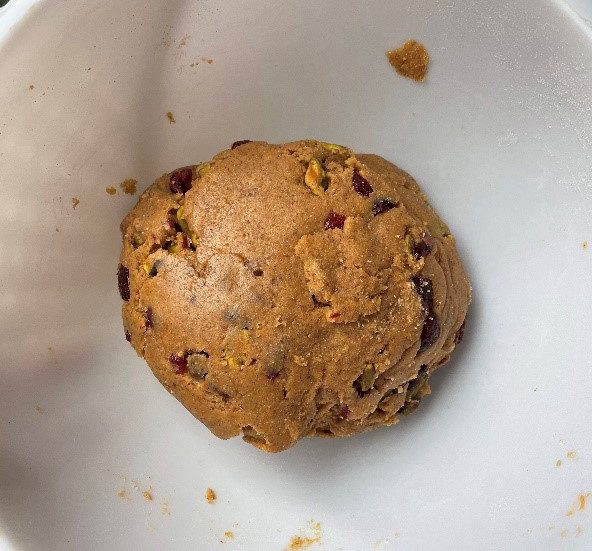
7. Split the dough in half and shape each half into a long thin log.

orange-cranberry-pistachio-step-3

8. Line a baking sheet with a baking mat or parchment paper.

9. Place the dough onto the sheet and bake for 25-30 minutes or just until it is a nice golden brown.

10. Allow them to cool on the baking sheet about 30 minutes.

11. Cut the loaf into desired size, usually about ¾ inch.

12. Rotate the biscotti onto the side so the inside of the biscotti is facing up. Bake these for 15 minutes on each side.

13. Allow the biscotti to cool about (about 30 minutes)

14. If you would like to add a dark chocolate coating, you can melt dark chocolate and dip these in.


orange-cranberry-pistachio-step-4

Storage:

  • You can store these in an airtight container for 3-4 days or 1 month in the freezer. Easy to reheat and enjoy with a warm cup of hot cocoa.

References:

  1. Harkins K. What’s the use of cranberry juice? Age Ageing 2000;29:9-12.
  2. Howell AB, Vorsa N, Foo LY, et al. Inhibition of the Adherence of P-Fimbriated Escherichia coli to Uroepithelial-Cell Surfaces by Proanthocyanidin Extracts from Cranberries (letter). N Engl J Med 1998;339:1085-6.
  3. Mohanraj, R., & Sivasankar, S. (2014). Sweet Potato (Ipomoea batatas [L.] Lam)-A valuable medicinal food: A review. Journal of medicinal food17(7), 733-741
  4. ChauhaN, D., Kumar, K., Kumar, S., & Kumar, H. (2018). Effect of incorporation of oat flour on nutritional and organoleptic characteristics of bread and noodles. Current Research in Nutrition and Food Science Journal6(1), 148-156.
9

Interested in learning what supplements are right for you? Take our free assessment.

START ASSESSMENT

Holiday Chocolate Peppermint Espresso Martini Bark

“Hayley the Dietitian, what’s your favorite holiday recipe?” (If you didn’t get that reference, stop what you’re doing and go watch Elf). Anything with chocolate and peppermint screams the holiday season to me. Add in some espresso and little liquor and now it’s a holiday party.

I think we could all agree, we are all in need of a little extra cheer this holiday season. This Dark Chocolate Peppermint Espresso MARTINI Bark, yes, I said martini, is a guaranteed way to add some holiday joy to your day!


Dark Chocolate Peppermint Espresso Martini Bark

Ingredients

½ cup crushed dark chocolate covered espresso beans

½ cup crushed candy canes

2 dark chocolate bars

2 tsp coconut oil

1 tsp vanilla

2 oz’s of Vodka

1 oz of Kahlua

Sea Salt

Parchment Paper


Directions

  1. Soak the espresso beans in 1 oz of Vodka and 1 oz of Kahula for about 2-3 hours in the fridge.
  2. Soak the crushed canes in 1 oz Vodka for about 2-3 hours in the fridge.
  3. Once the espresso beans and crushed candy canes have finished soaking strain the liquid over a fine-mesh sieve and a cup below the sieve. It’s important to get most of the liquid out of the espresso beans and candy canes as liquor does not freeze, the bark may not form properly if you do not strain it completely.
  4. Save the liquid, you’ll use this to make a peppermint espresso martini.
  5. Melt the dark chocolate bars with coconut oil and vanilla in the microwave for about 1 minute, stir, and then return to the microwave for another minute. You may need to do more and less depending on your microwave wattage.
  6. Line a baking pan with parchment paper. Pour the melted chocolate onto the baking pan, spreading evenly. Top with the crushed espresso beans and crushed candy canes. Sprinkle with sea salt and freeze for 1-2 hours until frozen.
  7. While the bark is freezing, use the leftover liquid from soaking the espresso and candy canes to make a martini. Combine the liquid with 1 oz of espresso in a shaker glass full of ice, shake, and strain over a martini glass.
  8. Once frozen, break the bark apart, turn on some holiday tunes and enjoy with your martini!


*Note you can make this recipe without the alcohol simply skip to step 5 of the recipe.

2

Interested in learning what supplements are right for you? Take our free assessment.

START ASSESSMENT

Your Ultimate Immunity Health Guide: Supplements, Nutrition, Sleep and More

Why is immunity important and how does it work?

Well, the first question is simple: immunity keeps us healthy and allows our body to fend off pathogens that could otherwise wreak havoc on our bodies or at worst, end our life. The answer to the second question is not so simple: to answer that question fully we may need to write a 5,000-page book on the topic because that is how complex and sophisticated the immune system is! Although a lot is known about the immune system, to this day researchers and scientists are still rigorously working to understand the immune response in its’ full capacity. For now, we won’t focus on the unknowns, but rather the knowns about the immune system. Having a basic understanding of immunity will help us understand specifically how nutrition impacts its’ ability to function properly.


Your immune system is comprised of 3 different layers: The first is physical which includes barriers, both internal and external. These include your skin and the epithelial lining of your GI tract and your respiratory tract. (2) The second layer is biochemical which is made of secretions and gastric acids. The third layer of immune protection comes from the cellular level such as B cells, T cells, antibodies and granulocytes to name a few (2). All of these layers work in conjunction together as either an innate response or an adaptive response. These are the 2 main branches of the immune system in terms of function. The innate system is the first and immediate response to a threat to our body. The innate system uses phagocytes, neutrophils, eosinophils, mast cells and dendritic cells to function. (1) This response is immediate which is important in addressing pathogens right away, but it is not specialized which is where the adaptive system shines. The adaptive system, as you may guess, adapts over time to different pathogens. This system recognizes pathogens, learns them and remembers them for future use so that if the pathogen invades your body again your immune system will know how to protect you. The adaptive immune system uses T cells and B cells to mediate the immune response (8) Nonetheless, both systems are imperative for a healthy immune response.

While the world battles against Covid-19, maintaining a great immune system has become a constant struggle and also a top priority for almost everybody across the globe. Several health companies have come up with products – whether herbal or medicinal, that claim to keep this virus at bay. How much of their claim is true? Only time will tell! But until then, it is our primary job to do the best we can; to protect ourselves. While you are doing your absolute best, Persona is here to help you do better! Here are some great supplements you can take, to support your natural immunity.


  1. Immune Support: This is an amazing blend of astragalus root extract, Andrographis and Reishi Mushrooms. A combination of these 3 powerful herbs not only promotes immunity at a cellular level, but also provides anti-inflammatory and antioxidant properties to this supplement. Taking our Immune Support consistently also helps maintain a harmonious balance of the organs and systems in our bodies.


  1. Vitamin C with Bioflavonoids: This is an essential vitamin, which means that our bodies do not produce it. This gives us more reason to make sure we nourish our bodies with Vitamin C regularly. It is a powerful antioxidant and helps our body’s defense mechanism by supporting the functions of our immune system (1). Along with immunity, regular consumption of Vitamin C has also been shown to reduce wound healing (2), provide hydrolyzed collagen support and improve our oral health.


  1. Fermented Ginseng: An extremely diverse supplement, Ginseng is an adaptogen that helps relieve our bodies from physical, mental and emotional stress. But most importantly, Ginseng has been shown to maintain an equilibrium of the immune system and enhances our resistance to illness (3). The enzyme used by us is the fermented form of Korean Ginseng, which works much faster than the other kinds of ginseng.


  1. Antioxidant: Antioxidants have been well known in the world of nutrition as the agents that act as barriers for environmental toxins. Our Antioxidant supplement contains a powerful blend of essential vitamins and minerals that helps improve our overall immunity and support a healthy inflammatory response in the body. Not only that, this supplement also supports cardiovascular, brain and skin health.


  1. Quercetin Plus: Quercetin is a plant pigment (flavonoid), which is present in fruits and vegetables like onions, broccoli, apples, berries, grapes. This supplement is widely known for its properties to stimulate the immune system and it’s strong anti-inflammatory capacities (4), which might help reduce inflammation in the body, kill cancer cells, balance blood sugar and support a healthy heart.


We’ve all heard the phrase “An apple a day keeps the doctor away,” but is there actually some truth to this and if so, how does this work? Well, to be fair, you do need much more than just an apple to be healthy and to stay out of the doctor’s office, but the overall theme here is that a nutritious diet can keep you healthy for longer and that is true! But what is the actual science behind this concept? How does your nutritional intake really impact your health and more specifically, your immune function? We will explore how nutrition affects you on a cellular level, but first, we have some important questions to answer about immunity below.

Why is nutrition important?


The relation to immunity and nutrition has been clearly established in the sense that the immune response is compromised when nutrition is not adequate. This can lead to an increased chance that you will develop an infection or illness. (6) An overall healthy diet is important for immune function, but more specifically is the importance of caloric intake, micronutrients and gut health.


When you think of a difficult workout you are going to embark on, you usually consider what you have eaten for the day and evaluate if what you have eaten is going to be enough for you to have a successful workout- your immune function is no different! When getting ready to “gear up” to address infection, your body must have proper nutrition to carry out all of the complex functions it needs to address the infection or illness properly. When your immune system is activated it requires a much higher need for energy for optimal function. Proper nutrition during times of infection or illness allows for your cells to function at their highest capacity on the cellular level, increasing the likelihood that your body will be able to properly address and eliminate the pathogen or threat to your body. Without proper nutrition your immune response will not be as strong as it requires which can lead to longer recovery times and ongoing infection and illness. (5)


Not only is your immune system impacted by the amount of calories you consume, but the type of calories and foods you consume matters just as much! Micronutrients have been widely known to have a positive influence on health and be necessary for the prevention of disease. Regardless of your age, it has been established that Vitamins A, C, D, E, B2, B6, B12, folic acid, beta carotene, iron, selenium and zinc all have an imperative role in immunity. (6) Examples of how specific micronutrient deficiencies can alter the response of the immune system can be seen with zinc, vitamin A and vitamin C. A deficiency of vitamin C can increase the likelihood of developing infections like pneumonia due to the absence of the antioxidant effects addressing the oxidative stress the infection is causing. A zinc deficiency can lead to a reduction of lymphocytes, one of the main immune cells, and it can also increase inflammation and oxidative stress. This is due to its’ effect on cytokine production, an important component of modulation of the immune response. (6) A deficiency of Vitamin A can lead to a reduction or alteration of function for macrophages, T cells, B cells and neutrophils; all important cells that assist in immune function. Evidence suggests that supplementation for these specific examples of micronutrients discussed can improve outcomes and immune response. (6)


The bacteria in your gut have a strong influence on your immunity as they are closely linked together. The gut microbiome is so complex that researchers are having a hard time making exact conclusions on how the gut microbiome is related to immunity, but we do know that there is a link and it is important to consider when discussing nutrition and immune function.


The epithelial walls of our gut serve as one of the layers of immunity that we discussed earlier. This is considered part of the physical and biochemical aspects of our immunity. Our gut is filled with trillions of bacteria, some good and some bad, however, we need to have an abundance of good bacteria to act as a first-line defense of foreign pathogens that may enter our body and to eliminate them appropriately without doing us much harm. If you do not have a healthy gut microbiome you may develop leaky gut syndrome; a condition that may lead to outside pathogens entering you fully instead of being eliminated through your digestive tract- this may lead to immune responses such as inflammation and other diseases. (15). Focusing on fermented foods such as yogurt, kefir and kombucha can help replenish the good bacteria in your gut due to their probiotic content. Supplementation with a daily probiotic can also help replenish the good bacteria in your gut.


Overall, we can see how important nutrition is for our immune function! The best thing to remember is that there is no one food that is going to be the key to preventing disease and supporting your immune system. It’s important to focus on a wide range of foods full of different nutrients! Be sure to get plenty of colorful fruits and vegetables throughout your day and consider supplementation if you are not meeting your needs through diet alone.

Foods to boost your immune system

However, it’s still important to keep your immune system strong and healthy by supporting it with nutrient-dense, whole foods and supplements. Did you know that many foods, spices, and herbs can boost your immune system and help protect against colds, flus, and viruses?

Garlic, mushrooms, oregano, fermented foods, leafy green vegetables, green tea, citrus fruits, and raw honey are just a few superfoods that can strengthen your immune system to ward off illness.


Garlic

Garlic and its health benefits have been used for centuries as it has a variety of valuable effects for the immune and cardiovascular system, as well as providing anti-inflammatory, anti-bacterial, and anti-microbial support. Garlic works by modulating the immune system and reducing inflammatory cytokines, which are released by the immune system.

Garlic is a wonderful ingredient to keep in the kitchen to spruce up any dish, spread, or salad dressing. When using garlic in your cooking, it’s best to chop it and let it sit for 10-15 minutes to boost the nutritional properties and its benefits. Garlic is in the sulfur family and letting it rest allows the enzymes to be activated, which are inactivated when heating it immediately after cooking it.


Mushrooms

Mushrooms have been studied for years for their immune support benefits including anti-cancer, anti-inflammatory, anti-microbial and more. Similar to garlic, mushrooms can also modulate cytokine activity increasing production of beneficial T-helper cells.

Not only do mushrooms boost the immune system but they also help reduce inflammation. Even though mushrooms taste delicious raw, cooking them increases the antioxidant activity. With B vitamins, zinc, and selenium, they are great sources of antioxidants and a healthy food to add to your diet.

Fermented foods provide numerous benefits that are loaded with probiotics, which support gut health and immunity. Adding fermented foods like refrigerated sauerkraut or kimchi to your food, once it’s been cooked is a great way to add spice, a salty component (instead of adding salt), and a nutritional punch to your dish. In addition, chopped herbs, including oregano spice up a dish with great flavor, health benefits, and boosts your immune system.


Sleep and Immunity: How They Affect One Another

Sleep is an important process that regulates the body’s physiological processes and promotes recovery. During an illness, sleep patterns commonly change and can lead to reduced, disrupted, or even improved sleep.18 Besides the obvious that we feel tired when we do not sleep enough, other physiological processes are also negatively affected in the body. When the immune system is stimulated, an inflammatory response is triggered, and sleep duration usually increases.18  Other symptoms of fatigue, poor mood, increased sensitivity to pain, and decreased appetite follow as a response from the central nervous system.18 Although not very fun, these symptoms can actually help begin the healing process in the body to conserve energy and instead promote recovery.18


What Happens if We are Not Sleeping Enough?

The immune response is regulated by our sleep cycle, and inflammatory mediators can increase when sleep is decreased.18 The duration and quality of sleep are linked to the body’s response to inflammation. Therefore, increased sleep loss can weaken the body’s immune system which makes us more susceptible to infection.18


What Does the Research Say?

Cytokines are proteins secreted by cells of the immune system, and they help regulate immunity.19,20 In cases of sleep loss related to insomnia, alcoholism, stress, and during a period of aging, pro-inflammatory cytokines were enhanced, meaning the body had an increased response to inflammation.19  Hormone levels such as cortisol (plays an important role in the body’s response to stress) also fluctuated in the morning after sleep loss.19 Sleep not only impacts acute infection (cold, flu, etc.) but also is involved the body’s response to allergies and more chronic diseases such as cardiovascular, metabolic, and neurodegenerative disease, cancer, and other forms of chronic pain.19 Addressing the issue of sleep is very important in the treatment of these issues.

How Much Sleep Do We Need to Boost Our Immune System?

We all know that it is ideal to sleep 7-8 hours per night, and this continues to be true to best support the body’s immune system.21 If you are not able to hit the goal of 8 hours, naps can be beneficial to help boost immunity.21 A thirty-minute nap in the morning or evening (or both!) can still benefit the body’s immune system and make-up for missed sleep by reversing some of the negative effects that result from sleep deprivation.21  


Tips to Improve Sleep

Creating a “sleep routine” can be very beneficial to improve sleep quality. Just as you have your routine in the morning, establish a couple simple steps that help you wind down for the night. One important step could be to try to stay off your phone directly before bed and even consider putting it in a separate room at night so that it is not a distraction. The main goal is to lower stress, wind down, and create and environment and mindset for restful sleep. Some ideas could include meditation, prayer, stretching, listening to calm music, or even making some decaffeinated tea. Sleep supplements can also be beneficial to help promote a restful state and ensure good sleep. Quality sleep is so important and implementing a few simple steps can make a huge difference in your overall health and immunity!

The Connection Between Vitamin D and Immunity

With the world in a global health pandemic, cold and flu season approaching, and the changing seasons, immunity is at the forefront of most of our minds. Vitamin D has been gaining popularity for its proposed benefits in terms of immune health. But does the science support the claims regarding vitamin D and immunity?

Vitamin D

To understand the role of Vitamin D within the immune system we must first understand exactly what Vitamin D is. Vitamin D is one of four fat-soluble vitamins, meaning it is absorbed and transported through the body in fat globules. Fat-soluble vitamins are stored in the body within cells and tissues.

Vitamin D has two forms, Vitamin D2 (ergocalciferol) and Vitamin D3 (cholecalciferol). Vitamin D2 is typically man-made and added to foods or supplements. While Vitamin D3 is the natural form, often referred to as the “sunshine vitamin”; we can naturally synthesize Vitamin D3 from the sunlight when it hits our skin. About 10-15 minutes of sun exposure multiple times per week is sufficient for adequate Vitamin D3 absorption. However, several factors can hinder the absorption of Vitamin D3 such as skin color, time of day, UV strength, season, geographic location, and use of sunscreen. Despite the ability to naturally obtain Vitamin D from the sunlight. Vitamin D deficiency remains quite prevalent among the world’s population, especially in the winter months and northern hemisphere.22

Some Vitamin D may be found in dietary sources like Cod Liver Oil, egg yolks, and butter.  However, most of our Vitamin D is synthesized in a chemical reaction within the body which requires our skin (especially upper torso, arms, and face) to be exposed to sunlight.


The role of the Immune System

Vitamin D is most widely known for its role in the formation and maintenance of normal bones and the metabolism of calcium and phosphorous. However, over 50 genes are be known to regulated by Vitamin D, most of which are unrelated to mineral metabolism.23 Emerging research shows the role and importance of Vitamin D within the immune system.

The proposed role of Vitamin D within the immune system is its ability to stimulate a greater production of T cells.24 Increased production of T cells may help to increase the production of anti-inflammatory cells and decrease the production of inflammatory cells.This may help the body fight against infections and foreign invaders. 24

Recent research has shown that Vitamin D supplementation may also be helpful in preventing, treating, or managing symptoms of numerous other disease states, such as Crohn’s disease, cystic fibrosis, asthma, burn therapy, Celiac disease, depression and Seasonal Affective Disorder (SAD), epilepsy, high blood pressure, low back pain, tension and migraine headaches, diabetes and diabetic neuropathies, alcohol withdrawal, skin disorders (acne, eczema, vitiligo), Parkinson’s Disease and Multiple Sclerosis (MS).  It may also help in maintaining healthy immune function during cold and flu season, or in instances where you may be exposed to a number of unfamiliar pathogens, such as during a hospital stay.

An exciting new study conducted in Boston and published in the American Journal of Clinical Nutrition went back and looked at the medical records of 2135 adult patients admitted to two Boston-area teaching hospitals from 1993-2010 (Quraishi S A, 2013 October).  All of these patients had had their blood levels of Vitamin D checked before they were admitted to the hospital.  They were then followed to see if they developed a common hospital-acquired blood infection during their stay.  The patients who entered the hospital with low blood levels of Vitamin D had a significantly higher incidence of contracting the hospital-acquired blood infection.  The incidence of infection dropped significantly for patients who had adequate Vitamin D levels at the time they were admitted to the hospital.

Obviously, further study is needed, but the implications here could be far-reaching and encouraging: maintaining adequate levels of Vitamin D could give your immune system the boost it needs to fight off all sorts of insidious infections.  If it could be helpful to people in a weakened hospital state to fight off a hospital-borne bacterial blood infection, imagine what kind of boost it could give you in fighting off illnesses in your everyday life.


The COVID Connection

Several studies have found a correlation between Vitamin D deficiency and testing positive for COVID–19. Given the role of Vitamin D in the immune system, it is plausible to associate a Vitamin D deficiency with a decreased immune system possibly increasing the susceptibility to illness. However, further research is needed to determine the role of Vitamin D in the prevention and treat of COVID-19.

Some Additional Tips To Strengthen Your Immune System Naturally

Ok, here we go!  Simple tips to get your body working and feeling great! Don’t be overwhelmed by your day to day, you can nails these easy steps that will make all the difference.  In 2014, get a wee bit selfish and make time to take care of yourself!  If you do not take the time to care and nurture yourself, who will? Simple solutions that truly increase and boost immunity, energy and all the “feel good” chemicals in your body.

  1. Reach For It!  Yep, you read it right, reach and stretch to increase energy and to get your brain and body boosted.  Practicing a daily dose of yoga will increase your overall energy, focus and ability to learn new things.
  2. Take a Walk Already! Stop putting it off, grab your shoes and go!  A brisk walk does wonders for energy, mood, and overall well-being.
  3. Eat Your Breakfast.  Eating a healthy protein dense meal early in the morning does wonders for energy and mood.  If you fuel early, your body will respond with vim and vigor.
  4. Hop on the Scale.  Don’t be afraid, hopping on the scale will clue you in to where you need to be in terms of activity and activity increases energy! Seeing those numbers will prompt you to exercise and to make healthy choices. Maybe you’ll try the striking clam shell exercise!
  5. Ban the Couch!  After work make it routine to NOT sit on the couch. Sitting zaps energy and that is the last thing anyone needs after a work day of sitting. Place books on your couch to remind you that you do not need to sit.  Go outside.  Run, jump rope, bike, stroll or jog.  All activity increases energy and boots stress to the curb.
  6. Meditate! Close your eyes and just breathe! Meditating for 5 – 20 minutes a day will clear your brain, decrease anxiety and increase energy.
  7. De-Clutter.  Cleaning house and getting organized makes us feel good and boosts our energy. Having a de-cluttered space gives satisfaction, peace, and room to play.  So go ahead and make your home an “Om” home!
  8. Take a “Selfie”.  Grab your camera and get real.  The motivation created from looking at ourselves honestly and making goals for what we want to become produces a drive that increases our energy.  When we make goals and have a plan it is great to become “gung-ho” and we are more likely to stay active and committed to daily exercise.  Daily exercise increases energy!!!
  9. Take a nap.  A little cat nap will replenish the body, mind and spirit and will give the added boost needed to get through the day. No caffeine needed, just a comfy place to lay down and zone out!
  10. Eat Healthy Food!  Talk about an energy boost, practicing a healthy diet rich in plants and protein will catapult your energy to the next level.  Ditch the processed crap and get going with real, whole and energy-providing foods! Drink plenty of fluids every day and add a probiotic to your daily routine. Good immunity starts in the gut, and there’s nothing like a good probiotic to benefit your intestine.


Take home message

There is much to learn about the role of Vitamin D within the immune system. Adequate amounts of Vitamin D may help to promote a healthy immune system. The recommended amount of Vitamin D an adult should consume daily is 600 IU. Supplementing with the active form of Vitamin D3 (cholecalciferol) may help to provide you with an adequate amount of Vitamin D to help prevent nutritional deficiencies from occurring if you are at risk. Remember, Vitamin D is a fat-soluble vitamin, there is a risk for toxicity with intakes greater than 4000 IU per day.

Although, doing all of this may sound a little challenging and time constraining on a regular basis. But think about the importance of your health and family, who you support every day! If you take good care of your body, your body will thank you by taking good care of you in return.

References:


  1. Anita Carr and Silvia Maggini. Vitamin C and Immune Function. Nutrients, Nov 2017.
  2. Katherine J Desneves,  Bree E Todorovic, Ann Cassar, Timothy C Crowe. Treatment With Supplementary Arginine, Vitamin C and Zinc in Patients With Pressure Ulcers : A Randomized Controlled Trial. National Library of Medicine. Dec;24(6):979-87.doi: 10.1016/j.clnu.2005.06.011. Clinical Nutrition 2005 Nov 15.
  3. Soowon Kang and Hyeyoung Min. Ginseng, The Immunity Boost : The Effects of Panax Ginseng On Immune System. J Ginseng Res. 2012 Oct; 36(4): 354–368
  4. Jiri Mlcek, Tinde Jurikova, Sona Srovankova, Jiri Sochor. Molecules. May 2016; 21(5) : 623.
  5. Childs CE, Calder PC, Miles EA. Diet and Immune Function. Nutrients. https://www.ncbi.nlm.nih.gov/pmc/articles/PMC6723551/. Published August 16, 2019. Accessed October 6, 2020.
  6. Maggini S, Pierre A, Calder PC. Immune Function and Micronutrient Requirements Change over the Life Course. Nutrients. https://www.ncbi.nlm.nih.gov/pmc/articles/PMC6212925/. Published October 17, 2018. Accessed October 6, 2020.
  7. Institute of Medicine (US) Committee on Military Nutrition Research. Nutrition and Immune Responses: What Do We Know? Military Strategies for Sustainment of Nutrition and Immune Function in the Field. https://www.ncbi.nlm.nih.gov/books/NBK230970/. Published January 1, 1999. Accessed October 6, 2020.
  8. Nutrition and Immunity. The Nutrition Source. https://www.hsph.harvard.edu/nutritionsource/nutrition-and-immunity/. Published July 23, 2020. Accessed October 6, 2020.
  9. How does the immune system work? InformedHealth.org [Internet]. https://www.ncbi.nlm.nih.gov/books/NBK279364/. Published April 23, 2020. Accessed October 6, 2020.
  10. Klemm Rby S. Support Your Health With Nutrition. EatRight. https://www.eatright.org/health/wellness/preventing-illness/support-your-health-with-nutrition. Accessed October 6, 2020.
  11. Belkaid Y, Hand TW. Role of the microbiota in immunity and inflammation. Cell. https://www.ncbi.nlm.nih.gov/pmc/articles/PMC4056765/. Published March 27, 2014. Accessed October 6, 2020.
  12. Alberts B. The Adaptive Immune System. Molecular Biology of the Cell. 4th edition. https://www.ncbi.nlm.nih.gov/books/NBK21070/. Published January 1, 1970. Accessed October 6, 2020.
  13. Fields H. The Gut: Where Bacteria and Immune System Meet. https://www.hopkinsmedicine.org/research/advancements-in-research/fundamentals/in-depth/the-gut-where-bacteria-and-immune-system-meet. Accessed October 6, 2020.
  14. Zanteson L. Gut Health and Immunity – It’s All About the Good Bacteria That Can Help Fight Disease. Today’s Dietitian. https://www.todaysdietitian.com/newarchives/060112p58.shtml. Published 2012. Accessed October 6, 2020.
  15. Mu Q, Kirby J, Reilly CM, Luo XM. Leaky Gut As a Danger Signal for Autoimmune Diseases. Frontiers in immunology. https://www.ncbi.nlm.nih.gov/pmc/articles/PMC5440529/. Published May 23, 2017. Accessed October 6, 2020.
  16. Arreola R, Quintero-fabián S, López-roa RI, et al. Immunomodulation and anti-inflammatory effects of garlic compounds. J Immunol Res. 2015;2015:401630. Available at: http://www.eatingwell.com/article/9749/health-benefits-of-garlic/. Accessed May 10, 2020.
  17. Comeau DC, Wei CH, Islamaj doğan R, Lu Z. PMC text mining subset in BioC: about three million full-text articles and growing. Bioinformatics. 2019;35(18):3533-3535. Available at: http://http//www.medicaldaily.com/health-benefits-mushrooms-best-way-cook-your-fungi-order-reap-most-nutrients-417631. Accessed May 10, 2020.
  18. Asif N, Iqbal R, Nazir CF. Human immune system during sleep. Am J Clin Exp Immunol. 2017;6(6):92-96. Published 2017 Dec 20.2
  19. Besedovsky L, Lange T, Haack M. The Sleep-Immune Crosstalk in Health and Disease. Physiol Rev. 2019;99(3):1325-1380. doi:10.1152/physrev.00010.2018
  20. Ibarra-Coronado, E., Pantaleón-Martínez, A., Velazquéz-Moctezuma, J., Prospéro-García, O., Méndez-Díaz, M., Pérez-Tapia, M., Pavón, L. and Morales-Montor, J., 2015. The Bidirectional Relationship Between Sleep And Immunity Against Infections.
  21. Besedovsky, L., Lange, T. and Haack, M., 2019. The Sleep-Immune Crosstalk In Health And Disease | Physiological Reviews. [online] Journals.physiology.org. Available at: <https://journals.physiology.org/doi/full/10.1152/physrev.00010.2018> [Accessed 21 September 2020].
  22. Sizar O, Khare S, Goyal A, et al. Vitamin D Deficiency. [Updated 2020 Jul 21]. In: StatPearls [Internet]. Treasure Island (FL): StatPearls Publishing; 2020 Jan-. Available from: https://www.ncbi.nlm.nih.gov/books/NBK532266/
  23. Omdahl JL, Morris HA, May BK. Hydroxylase enzymes of the vitamin D pathway: expression, function, and regulation. Annu Rev Nutr. 2002;22:139-66. doi: 10.1146/annurev.nutr.22.120501.150216. Epub 2002 Jan 4. PMID: 12055341.
  24. Louise Saul, Iris Mair, Alasdair Ivens, Pamela Brown, Kay Samuel, John D. M. Campbell, Daniel Y. Soong, Nadine Kamenjarin, Richard J. Mellanby. 1,25-Dihydroxyvitamin D3 Restrains CD4 T Cell Priming Ability of CD11c Dendritic Cells by Upregulating Expression of CD31. Frontiers in Immunology, 2019; 10 DOI: 3389/fimmu.2019.00600
  25. Aranow C. Vitamin D and the Immune System. Journal of Investigative Medicine 2011: 59:881-886.
6

Interested in learning what supplements are right for you? Take our free assessment.

START ASSESSMENT

The Basics of Disease and Well-Being

Now, more than ever, people are wondering how they can maintain or improve their health to prevent disease. Whether you currently experience disease yourself, have experienced it in the past, know a loved one with a disease or have lost loved ones to disease, it’s safe to say that all of us in some capacity, have experience with it. So, what are diseases and why is good health so important? Well, the latter is self-explanatory – no one wants to be diagnosed with a disease and we all want to maintain our health to live long lives, but what are they specifically and what can we do to ward off poor health?


What is it?


Disease is defined in the dictionary as “a condition of the living [human]…or of one of its parts that impairs normal functioning and is typically manifested by distinguishing signs and symptoms.” (16) There are 2 main categories of disease: chronic and acute. Chronic diseases are conditions that last 1+ years and require ongoing medical treatment. They can also be defined as conditions that limit activities of daily living. (7) Acute diseases are illnesses or conditions that have a rapid onset and last a shorter period and are usually caused by viruses or infections. They can also represent short term conditions such as required hospitalization after an accident. (8)


We’ll focus on the prevention of chronic diseases


In the United States today, chronic diseases such as heart disease, stroke, diabetes and cancer account for most of the health issues, according to the CDC. Many of these diseases are preventable as they are linked to lifestyle choices such as lack of physical exercise, excessive alcohol use, unhealthy diets and tobacco use. According to the CDC and World Health Organization chronic diseases are the leading cause of disability and death in the US and by 2020, two-thirds of all disease will be from lifestyle choices. (4) The 3 top major chronic diseases recognized by the CDC are diabetes, cancer and heart disease and stroke. Other chronic diseases include obesity, Alzheimer’s, arthritis, epilepsy and tooth decay. The major risk factors for these diseases recognized by the CDC include tobacco use, poor diet, lack of physical activity and excessive alcohol use. (7)


What happens in the body when disease occurs?


While diseases have many etiologies and can be influenced by factors outside our control such as genetic predisposition, about 70% of diseases in the US are caused by lifestyle factors. Type 2 diabetes occurs when the body no longer recognizes the insulin hormone, or the pancreas stops producing insulin. Insulin is needed to control blood sugar levels in the body. Without insulin being produced or recognized blood sugar levels go uncontrolled which can have dangerous consequences. Cancer, in general, occurs when there is unchecked cell division and growth although there are numerous types with different behaviors of spread and treatments. (10) Heart disease encompasses many different heart conditions, but the most common is when there is a decreased blood flow to the heart which can lead to a heart attack. This can occur due to plaque buildup in the arteries. (11)


How Is It Prevented?


There are 3 types of prevention when it comes to diseases: primary, secondary and tertiary. Primary prevention is defined as intervening before health effects occur. This action is taken before a disease is present. This can include things like getting vaccinated and changing lifestyle habits to mitigate risk. Secondary prevention also takes place before a disease is present, but it includes regular screenings to identify a disease in the early stages of it. Examples include mammograms or regular blood draws. Tertiary prevention is when the disease is already present and includes management to stop or slow progression. This can include chemotherapy, additional screenings or surgeries. (17)


Primary prevention for the most common chronic diseases: taking action & mitigating risk


Factors such as age, genetics, family history, carcinogen exposure, environmental factors and race among others are outside of our control and all may have an influence on disease development. Since these are uncontrollable let’s focus on what we can control:


  1. Exercise: Aim for 30-60 minutes of moderate physical activity or 15-30 minutes of vigorous physical activity per day. Your total minutes of exercise per week should equal 150. (9) Your risk of developing diabetes is higher when your activity is low. Physical activity helps to maintain your weight, makes your body more sensitive to insulin and uses glucose as energy. (9) Studies have shown that those who engage in 150 minutes of exercise per week also have a reduced cancer risk. (14) Exercise also increases and supports cardiovascular health which can reduce heart disease and stroke risk.
  2. Eat Healthy and manage weight: Focus on a diet high in fruits, vegetables, whole grains, lean meat and dairy. Overweight and obesity have been linked to at least 13 different types of cancer. (15) Eating a diet high in fiber, fruits, vegetables, lean meats and dairy helps to manage weight and gives your body plenty of antioxidants and nutrients to maintain health and reduce risk.
  3. Avoid or reduce smoking: Avoiding smoking or tobacco use entirely is ideal, but reducing use can also have health benefits. Smoking and tobacco use has been clearly linked to certain kinds of cancer so it’s best to completely avoid or find a solution that works for you by working with your healthcare provider.
  4. Avoid or reduce alcohol consumption: Alcohol has been linked to many different types of cancer such as breast, kidney, liver and colon among others. Women should only consume 1 drink per day and men should only consume 2 drinks per day to follow the dietary guidelines. (12) Find a solution that works for you and work with your healthcare provider on ways to reduce alcohol consumption.


Disease prevention is extremely complex as there is no one size fits all approach and there are many factors outside of our control. While we can only control so much, there are many choices people have that can help mitigate their risk. Since no one can entirely prevent disease the best route of action is to prioritize your health through activities and choices that make you feel fulfilled such as finding an exercise you love or ways to incorporate healthy foods into your diet.

References:

  1. Scully JL. What is a disease?. EMBO Rep. 2004;5(7):650-653. doi:10.1038/sj.embor.7400195
  2. Campbell EJ, Scadding JG, Roberts RS. The concept of disease. Br Med J. 1979;2(6193):757-762. doi:10.1136/bmj.2.6193.757
  3. Franz, MS, RDN, LDN, M., 2020. Nutrition, Inflammation, And Disease. [online] Todaysdietitian.com. Available at: <https://www.todaysdietitian.com/newarchives/020314p44.shtml> [Accessed 28 November 2020].
  4. Retelny, RDN, LDN, V., 2020. Using Food As Lifestyle Medicine – Today’s Dietitian Magazine. [online] Todaysdietitian.com. Available at: <https://www.todaysdietitian.com/newarchives/1217p36.shtml> [Accessed 28 November 2020].
  5. The Nutrition Source. 2020. Disease Prevention. [online] Available at: <https://www.hsph.harvard.edu/nutritionsource/disease-prevention/> [Accessed 28 November 2020].
  6. who.int. 2020. WHO EMRO | Health Promotion And Disease Prevention Through Population-Based Interventions, Including Action To Address Social Determinants And Health Inequity | Public Health Functions | About WHO. [online] Available at: <http://www.emro.who.int/about-who/public-health-functions/health-promotion-disease-prevention.html> [Accessed 28 November 2020].
  7. gov. 2020. About Chronic Diseases | CDC. [online] Available at: <https://www.cdc.gov/chronicdisease/about/index.htm> [Accessed 28 November 2020].
  8. 2020. Acute VS Chronic Diseases – Healthy Aging Blog | NCOA. [online] Available at: <https://www.ncoa.org/blog/chronic-versus-acute-disease/> [Accessed 28 November 2020].
  9. Mayo Clinic. 2020. Type 2 Diabetes – Symptoms And Causes. [online] Available at: <https://www.mayoclinic.org/diseases-conditions/type-2-diabetes/symptoms-causes/syc-20351193#:~:text=Type%202%20diabetes%20develops%20when,seem%20to%20be%20contributing%20factors.> [Accessed 28 November 2020].
  10. org. 2020. What Is Cancer?. [online] Available at: <https://www.cancer.org/cancer/cancer-basics/what-is-cancer.html> [Accessed 28 November 2020].
  11. Centers for Disease Control and Prevention. 2020. Heart Disease Resources | Cdc.Gov. [online] Available at: <https://www.cdc.gov/heartdisease/about.htm> [Accessed 28 November 2020].
  12. gov. 2020. Drinking Too Much Alcohol Can Harm Your Health. Learn The Facts | CDC. [online] Available at: <https://www.cdc.gov/alcohol/fact-sheets/alcohol-use.htm> [Accessed 28 November 2020].
  13. Mayo Clinic. 2020. 7 Healthy Habits That Can Reduce Your Risk Of Cancer. [online] Available at: <https://www.mayoclinic.org/healthy-lifestyle/adult-health/in-depth/cancer-prevention/art-20044816> [Accessed 28 November 2020].
  14. Net. 2020. Physical Activity And Cancer Risk. [online] Available at: <https://www.cancer.net/navigating-cancer-care/prevention-and-healthy-living/physical-activity-and-cancer-risk> [Accessed 28 November 2020].
  15. gov. 2020. Poor Nutrition | CDC. [online] Available at: <https://www.cdc.gov/chronicdisease/resources/publications/factsheets/nutrition.htm> [Accessed 28 November 2020].
  16. Merriam-webster.com. 2020. Definition Of DISEASE. [online] Available at: <https://www.merriam-webster.com/dictionary/disease> [Accessed 28 November 2020].
  17. gov. 2020. [online] Available at: <https://www.cdc.gov/pictureofamerica/pdfs/picture_of_america_prevention.pdf> [Accessed 28 November 2020].


4

Interested in learning what supplements are right for you? Take our free assessment.

START ASSESSMENT

We use cookies to ensure that we give you the
best experience on our website. Learn more.