Posts

Digestion IBS Support

5 min read

Natural Treatment and Diet for IBS and a Spastic Colon

Person holding up a sign with a frown

If you are one of the thirty-million Americans who have Irritable Bowel Syndrome (IBS), you know how challenging and frustrating it can be to manage your condition. Irritable bowel syndrome, also known as spastic colon, is a disorder that leads to abdominal pain and cramping along with changes in bowel movements.

IBS is sometimes confused with Inflammatory Bowel Disease (IBD), which includes the autoimmune conditions of Crohn’s Disease and Ulcerative Colitis. In these conditions, the body’s own immune system attacks elements of the digestive system. Individuals who suffer from IBS have similar symptoms to IBD, but the conditions are entirely different because IBS does not cause inflammatory changes to the digestive system.


Characteristics and Causes of IBS

Some characteristic symptoms of IBS include: abdominal pain and distention; frequent bowel movements; constipation; diarrhea; excessive production of mucus in the colon; flatulence; nausea; anxiety and depression. Diarrhea or constipation symptoms often predominate, and sometimes alternate with each other.

The causes for IBS are not always clear, but often there are physical and/or emotional triggers. In my clinical practice, I have seen patients suffering from IBS triggered by undiagnosed food allergies. Given that there is no general agreement on the cause of IBS, it comes as no surprise that no single treatment is currently regarded as being universally applicable to the management of all IBS patients.


How to Manage Irritable Bowel Syndrome (IBS) Symptoms

Although IBS can be painful and challenging, in many cases IBS can be controlled by managing diet, lifestyle, and stress. Here are my top ten tips for managing your IBS symptoms so that you can help your gut heal and live a happy pain-free life:

1. Eat small balanced meals, at regular times.

Stomach sensitivity may increase with prolonged periods of not eating, so please don’t skip meals! High fat meals can sometimes be difficult to digest, so ensure that you are eating mostly high quality fats such as those found in nuts, avocados, seeds, fish, and olive oil, along with adequate protein and complex carbohydrates.

2. Chew thoroughly and eat at a leisurely pace.

Many people do not chew their food thoroughly enough. With our busy lifestyles, it can be easy to get caught up and not take the time and attention our body requires when eating. Not chewing well can lead to food not being broken down and digested properly. Avoid “eating-on-the-run” or standing when eating. If you must eat in a hurry, eat a small amount at a time and drink plenty of water.

3. Identify food allergies and intolerance.

It is estimated that up to two-thirds of patients suffering from IBS have some type of food intolerance or allergy exacerbating their symptoms. Common food intolerances include gluten, dairy, eggs, and chocolate. Talk to your nutritionist about identifying potential food allergens.

4. Restore your healthy gut bacteria with probiotics.

IBS sufferers need to heal their gut by repopulating healthy bacteria. Probiotic foods containing live bacterial cultures can help restore the beneficial bacteria. Some foods to include are quality dairy yogurts (if tolerated) and fermented foods such as miso, kefir, tempeh, sauerkraut, and kimchi. Supplementing with a high-quality probiotic with Lactobacillus and Bifidobacterium is also often helpful for restoring healthy gut bacteria.

5. Gradually increase your intake of fiber and drink lots of water.

Fiber functions like a sponge by attracting water into the digestive tract, softening stools and preventing constipation. Fiber is also useful for adding bulk to stool which is helpful when diarrhea is present. Gradually increase your fiber intake and drink lots of water to help the fiber move through the intestinal tract. Over time your body will acclimate to your increased fiber intake.

6. Exercise regularly.

30 to 60 minutes of moderate exercise every day can help reduce stress and promote healthy bowel tone. Even a brisk daily walk can help promote healthy digestion!

7. Avoid carbonated beverages, spicy food, chewing gum, and artificial sweeteners.

These foods can exacerbate symptoms by causing irritation and the swallowing of air. I know one IBS sufferer who used to chew sugar-free gum all day long and just giving up that habit alone greatly reduced her gassy symptoms.

8. Include more bitter foods in your diet.

Bitter foods can improve your digestive function and enhance the absorption of nutrients by stimulating the flow of digestive juices. Try adding chicory, endive, radicchio, and dandelion greens to your meals.

9. Use herbs to reduce your symptoms.

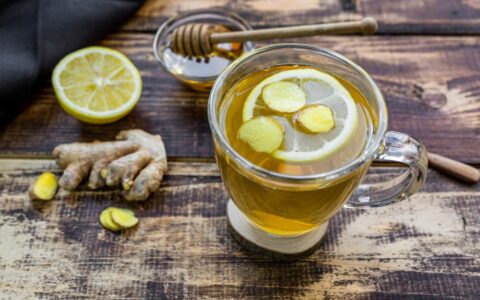
Many people find that their symptoms can be supported with botanicals. Aloe vera juice, peppermint tea, and chamomile tea can help calm inflammation and relax gut spasms. Ginger is tasty as a tea or added to meals and can help relieve nausea and cramping. Try having natural ginger or natural peppermint candies on hand after eating to support digestion. Psyllium and slippery elm may also be used to soften and add bulk to stools.

10. Manage your stress and emotions!

The best nutrition in the world can only do so much if you don’t manage your stress or get adequate sleep! Increased contractions of the colon and uncomfortable symptoms have been shown to occur in patients with IBS in response to stressful situations. Various methods of treatment may be helpful to reduce depression, anxiety, grief, and fatigue, such as individual counseling, guided imagery, meditation, or Tai Chi. If necessary, seek the help of a professional to manage stress or other emotional factors that may be contributing to your IBS symptoms.

Although managing IBS can be challenging, many people begin to notice an improvement in their symptoms rather quickly after making lifestyle changes. Try incorporating these top ten tips so that you can take back control and begin living a happy pain-free life!

If you are looking for the highest quality Vitamin and Mineral Supplements personalized for you, take our online questionnaire providing individualized vitamin and mineral recommendations. Persona is the only Science Based supplement provider on the web today! Take advantage of our knowledge and use it to your health’s benefit!

This information is not intended as a substitute for the advice provided by your physician or other healthcare professional or any information contained on or in any product label or packaging. Do not use the information from this article for diagnosing or treating a health problem or disease, or prescribing medication or other treatment. Always speak with your physician or other healthcare professional before taking any medication or nutritional, herbal or homeopathic supplement, or using any treatment for a health problem. If you have or suspect that you have a medical problem, contact your health care provider promptly. Do not disregard professional medical advice or delay in seeking professional advice because of something you have read in this article.

Find out what supplements are right for you

Take the assessment

Digestion Fitness

5 min read

World Health Day

World Health Day

April 7th marks the annual celebration of World Health Day, which was first celebrated in 1950 to bring awareness to relevant health concerns as established by the World Health Organization (WHO).1 Past themes of World Health Day have included topics such as mental health, children’s health, and environmental concerns. National Today points out three major benefits of celebrating World Health Day2:

  1. Encourage wide-scale awareness
  2. Open conversation for multiple health topics
  3. Help you understand your own health

This year, the World Health Organization is focusing on accessible health care for all. Receiving quality primary health care is essential to lifelong health, but health care isn’t easily accessible for all individuals. According to WHO, at least half of the people in the world cannot get the health services they need. There are ongoing attempts to implement large-scale health insurance in countries such as the Philippines, Thailand, Chile, Namibia, and South Africa with some progress, but there’s still a long distance to go.3

Health care coverage limitations aren’t just in third world countries, but also exist in America. By advocating for health insurance improvement, we can all raise awareness of the increased need for quality health care.

The WHO states, “Universal health coverage means that all people have access to the quality health services they need, when and where they need them, without financial hardship. We believe this is possible and it starts with strong primary health care. Primary health care is a whole-of-society approach to health and wellbeing centered on the needs and preferences of individuals, families and communities.”4 For such a large call to action, how can we get started?

Here are a few simple ideas for the general public, health workers, and policy makers alike to help make universal health coverage a reality:

  • Discuss your health care needs with your local health worker. If you aren’t receiving the care you need or need other service options that better fit your budget, you can contact a healthcare worker by reaching out to the closest Public Health Department in your county.
  • Speak to a political representative in your county about issues you are facing with your current health care and ideas you have that could improve your service. Change doesn’t happen without speaking up!
  • If you are a healthcare worker, discuss ways to improve your service with your peers and local leaders. It is equally important to empower patients to improve health on their own.
  • If you see a need, address it! Health care doesn’t just refer to visits with your primary care physician, but also the steps you take to prevent disease before it happens. Is your community lacking physical activity programs? Consider starting one yourself. Or, bring health concerns to your local town hall meetings.
  • If you currently work in politics, advocate to invest resources into primary health care as well as gathering more data so that resources can be implemented where they are needed.

For more ideas, visit the WHO campaign page at https://www.who.int/campaigns/world-health-day/world-health-day-2019/about-the-campaign. Together, we can make a difference!

If you are looking for the highest quality Vitamin and Mineral Supplements personalized for you, please go to www.personanutrition.com and take our online questionnaire providing individualized vitamin and mineral recommendations. Persona is the only Science Based supplement provider on the web today! Take advantage of our knowledge and use it to your health’s benefit!

Sources:

  • World Health Day. World Health Organization. https://www.who.int/westernpacific/news/events/world-health-day. Accessed April 1, 2019.
  • World Health Day – April 7, 2019. National Today. https://nationaltoday.com/world-health-day/. Accessed April 1, 2019.
  • Spaan E, Mathijssen J, Tromp N, et al. The impact of health insurance in Africa and Asia: a systematic review. World Health Organization. https://www.who.int/bulletin/volumes/90/9/12-102301/en/. Published June 13, 2012. Accessed April 1, 2019.
  • World Health Day 2019 Campaign Essentials. World Health Organization. https://www.who.int/docs/default-source/documents/campaign-essentials-whd19.pdf?sfvrsn=bda11f0f_2. Accessed April 1, 2019.
This information is not intended as a substitute for the advice provided by your physician or other healthcare professional or any information contained on or in any product label or packaging. Do not use the information from this article for diagnosing or treating a health problem or disease, or prescribing medication or other treatment. Always speak with your physician or other healthcare professional before taking any medication or nutritional, herbal or homeopathic supplement, or using any treatment for a health problem. If you have or suspect that you have a medical problem, contact your health care provider promptly. Do not disregard professional medical advice or delay in seeking professional advice because of something you have read in this article.

Find out what supplements are right for you

Take the assessment

Diabetes Causes, Symptoms, Prevention & Treatment

Diabetes Causes, Symptoms, Prevention & Treatment

American Diabetes Alert Day is here! The fourth Tuesday of March is observed to raise awareness about the risk and seriousness of Type 2 diabetes.

Over 30 million Americans are affected by diabetes, a disease that causes blood glucose (sugar) levels to rise. About 1 in 4 adults don’t even know they have diabetes. Another 84 million Americans have prediabetes, when blood glucose levels are slightly elevated but not enough to be diagnosed as diabetes. And nearly 9 in 10 adults with prediabetes don’t know they have it.

It is important to know the risks so that you can take steps to prevent and manage this condition as soon as possible to stay healthy. Today is the day for a “wake-up call!”

Diabetes Causes and Risks

Type 2 diabetes is a chronic condition where the body doesn’t use insulin properly. Insulin is a hormone secreted from the pancreas that facilitates sugar to enter the cells for energy, therefore maintaining blood glucose levels in the bloodstream. When the body becomes resistant to insulin or is unable to produce enough, blood sugars run high, then leading to prediabetes and type 2 diabetes.

You are at higher risk of diabetes if you have a family history, are overweight, or not physically active. If you tend to store more fat in the abdomen than other areas of the body, you also have greater risk.

Symptoms of Diabetes

Symptoms of type 2 diabetes often progress slowly, and many people will have the disease for years and not know it. The longer it goes untreated, the higher the chances of serious complications. Here are some symptoms to watch for:

  • Increased thirst
  • Increased hunger
  • Frequent urination
  • Unexplained weight loss
  • Fatigue
  • Blurred vision

Complications of Diabetes

Controlling blood sugars can help to prevent long-term complications of diabetes. In the early stages you might feel fine, but it’s important not to ignore this condition and take the steps for treatment. Complications can become life-threatening over time. When blood sugars continuously run high and uncontrolled, it can cause damage to many parts of the body. Some of these problems may include:

  • Heart disease – increased risk of stroke, high blood pressure, and narrowing of blood vessels (atherosclerosis).
  • Nerve damage (neuropathy) – tingling, numbness, or pain in the toes or fingers. Also nerve damage to internal organs such as the stomach (gastroparesis).
  • Kidney damage – diabetes is the leading cause of kidney failure.
  • Eye damage –increased risk of damage to small blood vessels of the retina (retinopathy), glaucoma, cataracts, and vision loss.
  • Slow healing – untreated cuts and blisters can become serious infections.

Prevention and Lifestyle

Changes in diet and lifestyle choices can prevent or help to control type 2 diabetes. Whether you’re type 2 diabetic, prediabetic, or your family members are diabetic, here are some things you can put into practice to stay on top of your health:

Get active
Regular physical activity helps with weight loss, blood sugar spikes, and prevention of type 2 diabetes. Moderate to high intensity exercise has shown to increase insulin sensitivity by 51-85% (1). This means that less insulin is needed to control blood sugar. Find an activity that you enjoy so you’re likely to stick with it!

Eat healthy
Eat high fiber foods that include lots of vegetables, fruits, legumes, whole grains, and nuts. It’s best to limit refined sugars and carbs, which don’t have fiber and will spike blood sugar (this includes sugary beverages and soda). Include protein and healthy fats in each meal, which will curb hunger and keep blood sugar consistent.

Watch your weight
Not all type 2 diabetics are overweight, but the majority are. Studies have shown weight loss to reduce risk and decrease blood sugar and insulin levels (2). Start getting active and eating healthy, and weight loss will follow.

See your doctor
Please see your doctor if you’re not feeling well or experiencing any of the above symptoms. The American Diabetes Association recommends a blood glucose screening every 3 years after age 45. If diagnosed with diabetes, there are various types of drugs that your doctor may recommend, or possibly have you control blood sugars exclusively with diet and exercise in the early stages.

Supplements to Treat Symptoms of Diabetes

The National Center for Complementary and Integrative Health notes several supplements are currently being studied for their impact of blood sugar levels and the complications of diabetes, like neuropathy.Some supplements have shown promise in supporting the way the body processes glucose. In addition to glucose support, these supplements might help reduce sugar cravings and maintain a healthy weight, both of which are essential in preventing disease progression for prediabetics.

Blood Sugar Balance – contains 2 powerful ingredients shown to help improve glucose metabolism: benfotiamine (an underappreciated form of vitamin B1 shown to lessen damage from high glucose levels) and alpha lipoic acid (an antioxidant that may lower blood sugar).

Chromium Picolinate – an essential mineral that supports blood sugar levels by enhancing the action of insulin. It is directly involved in carbohydrate, fat, and protein metabolism. Diets high in sugar can decrease chromium in the body as well as infection, exercise, pregnancy, and stress.

Bilberry – full of flavonoids that have powerful antioxidants that support vision. It may fight oxidative stress while increasing circulation and supporting blood vessels in the retina.

Alpha-lipoic acid – studies indicate alpha-lipoic acid may be helpful in improving insulin sensitivity and reducing symptoms of diabetic neuropathy4,7

Chromium – studies indicate that chromium may be helpful in improving blood sugar control by helping the body process glucose5,7

Gymnema sylvestre – studies indicate that gymnema sylvestre may be helpful in improving blood sugar control and reducing sweet cravings6,7

Unfortunately, despite their best efforts, some patients do develop diabetes and require medication to manage their blood sugar and other health effects of the disease. Starting a medication regimen to regulate blood sugar does not mean they should abandon the lifestyle changes they have already implemented. Diet and exercise are still beneficial in patients with diabetes, and they might even be able to continue their supplements. A healthcare provider can evaluate a medication and supplement regimen and make sure there are not drug-nutrient interactions that could result in side effects, in this case dangerously low blood sugar or hypoglycemia.3,7 In addition to your healthcare provider, Persona’s online assessment cross-references their supplements with more than 2000 prescription medications, including medications commonly used to manage diabetes, and evaluates these combinations for drug-nutrient interactions.

If you are looking for the highest quality Vitamin and Mineral Supplements that can help support your Blood Sugar, please go to www.personanutrition.com and take our on-line questionnaire providing individualized vitamin and mineral recommendations. Persona is the only Science Based supplement provider on the web today! Take advantage of our knowledge and use it to your health’s benefit!

Sources:

  1. Rynders CA, Weltman JY, Jiang B, et al. Effects of exercise intensity on postprandial improvement in glucose disposal and insulin sensitivity in prediabetic adults. J Clin Endocrinol Metab. 2014;99(1):220-8.
  2. Hamman RF, Wing RR, Edelstein SL, et al. Effect of weight loss with lifestyle intervention on risk of diabetes. Diabetes Care. 2006;29(9):2102-7.
  3. National Center for Complementary and Integrative Health. Diabetes and Dietary Supplements. https://nccih.nih.gov/health/diabetes/supplementsAccessed 10/25/2019
  4. Singh U, Jialal I: Alpha-lipoic acid supplementation and diabetes. Nutrition Reviews.2008;66:646–657
  5. Suksomboon N, Poolsup N, Yuwanakorn A. Systematic review and meta-analysis of the efficacy and safety of chromium supplementation in diabetes. Journal of Clinical Pharmacy and Therapeutics. 2014;39(3):292-306.
  6. Baskaran K, Kizar Ahamath B, Radha Shanmugasundaram K, Shanmugasundaram ER. Antidiabetic effect of leaf extract from Gymnema sylvestre in non-insulin-dependent diabetes mellitus patients. J Ethnopharmacol 1990;30:295-300.
  7. Birdee GS, Yeh G. Complementary and Alternative Medicine Therapies for Diabetes: A Clinical Review. Clinical Diabetes2010 Oct;28(4): 147-155.
This information is not intended as a substitute for the advice provided by your physician or other healthcare professional or any information contained on or in any product label or packaging. Do not use the information from this article for diagnosing or treating a health problem or disease, or prescribing medication or other treatment. Always speak with your physician or other healthcare professional before taking any medication or nutritional, herbal or homeopathic supplement, or using any treatment for a health problem. If you have or suspect that you have a medical problem, contact your health care provider promptly. Do not disregard professional medical advice or delay in seeking professional advice because of something you have read in this article.

Find out what supplements are right for you

Take the assessment

Fitness Vitamins

5 min read

How to Prevent Nutrient Deficiencies After Bariatric Surgery

Almonds and milk

Success after bariatric surgery is dependent on several factors including diet, exercise, and overall lifestyle. Since your body has gone through physiological changes that affect absorption, one of the most important routines for you is keeping up with a high-quality diet rich in protein, fruits and vegetables. Daily vitamins and supplements are important to further prevent nutrient deficiencies.

Although gastric bypass and duodenal switch surgeries are known for the greatest potential for malabsorption risks, gastric sleeve and band surgeries are also associated with deficiencies. There are a couple of reasons for this: First, patients eat less than they used to and second, they don’t absorb as much because of the physiological changes in their body. A few common deficiencies after surgery are protein, iron, vitamin b12, calcium, vitamin k. Here are some foods to pay attention to eating daily to prevent problems down the road.

Protein

It can be difficult to consume the recommended amount of protein each day after surgery, so patients often supplement with protein powder. Examples of some high protein foods include animal products like eggs, meats, fish, poultry; and dairy products like cottage cheese and yogurt. Tofu, soy milk, nuts and nut butters are some vegan sources. To make sure you are getting these foods in, it can be helpful to consume them before other foods on your plate like vegetables and fruits. UCSFhealth.org recommends at least 65 to 75 grams of protein daily after surgery.

Iron

Red meat is high in iron, but patients usually have a hard time tolerating it. This is why a supplement is usually recommended, especially for menstruating women. Foods moderately high in iron include beans, lentils, pumpkin seeds, quinoa, tofu, dark leafy greens, prunes, and dark chocolate.

Vitamin b12

Vitamin B12 is partially responsible for DNA and nervous system functioning. It is one of the most common deficiencies after bariatric surgery because of the alteration of their digestive tracts interfering with absorption. Animal products including fish, meat, poultry, eggs, and dairy products all contain vitamin b12.

Calcium

Calcium deficiency is another very common problem after weight loss surgery. 1000mg-1300mg is typically recommended daily. Good sources of calcium include dairy products like milk, yogurt, and cheese, almonds, broccoli, kale, and beans.

Vitamin k

Vitamin K is important for blood clotting and bone health. Vitamin K is made from healthy bacteria in the gut, however this becomes compromised after bariatric surgery. Not obtaining enough can lead to bone problems such as osteoporosis. Some vitamin K rich foods include green leafy vegetables like kale and chard. It’s also found in fish, fermented cheeses, meat and eggs.


Persona offers doctor-approved, personalized Bariatric supplements based on your type of surgery and lifestyle delivered to your door. Our recommendations meet the guidelines of the American Society of Metabolic and Bariatric Surgery (ASMBS) and we cross-check your medications against a database of over 850 medications to ensure there are no drug-nutrient interactions. To start  your program today, visit our Bariatric page here : https://www.personanutrition.com/products/bariatric-vitamins/

If you are looking for the highest quality Vitamin and Mineral Supplements personalized for you, please go to www.personanutrition.com and take our on-line questionnaire providing individualized vitamin and mineral recommendations. Persona is the only Science Based supplement provider on the web today! Take advantage of our knowledge and use it to your health’s benefit!

Sources:

  1. Vitamin B12 Deficiency Can Be Sneaky. Harvard Health Publishing Harvard Medical School. https://www.health.harvard.edu/blog/vitamin-b12-deficiency-can-be-sneaky-harmful-201301105780 Accessed October 31, 2018.
  2. Bavaresco M, Paganini S, Lima TP, et al. Nutritional Course of Patients Submitted to Bariatric Surgery. Obes Surg. 2008 [PubMed]
  3. Vitamin B-12. Mayo Clinic. https://www.mayoclinic.org/drugs-supplements-vitamin-b12/art-20363663 Accessed October 31, 2018.
  4. ASMBS American Society for Metabolic and Bariatric Surgery. Estimate of Bariatric Surgery Numbers, 2011-2017. https://asmbs.org/resources/estimate-of-bariatric-surgery-numbers. Accessed October 31 2018.
  5. Andrès E, Loukili NH, Noel E, et al. Vitamin B12 (cobalamin) deficiency in elderly patients. CMAJ. 2004;171(3):251-9.
  6. Peterson LA, Zeng X, Caufield-noll CP, Schweitzer MA, Magnuson TH, Steele KE. Vitamin D status and supplementation before and after bariatric surgery: a comprehensive literature review. Surg Obes Relat Dis. 2016;12(3):693-702.
  7. Life After Bariatric Surgery. UCSF Medical Center. https://www.ucsfhealth.org/education/life_after_bariatric_surgery/. Accessed March 15, 2019.
This information is not intended as a substitute for the advice provided by your physician or other healthcare professional or any information contained on or in any product label or packaging. Do not use the information from this article for diagnosing or treating a health problem or disease, or prescribing medication or other treatment. Always speak with your physician or other healthcare professional before taking any medication or nutritional, herbal or homeopathic supplement, or using any treatment for a health problem. If you have or suspect that you have a medical problem, contact your health care provider promptly. Do not disregard professional medical advice or delay in seeking professional advice because of something you have read in this article.

Find out what supplements are right for you

Take the assessment

Best Supplements for Endometriosis

Person with heat pack on abdomen

Whether you are new to a diagnosis or longtime sufferer of endometriosis, you are likely here to learn a little more about how you can get some relief.

Endometriosis is both an autoimmune and hormonal imbalance of excess estrogen. This condition in which tissue that makes up the uterine lining, endometrium, is present in places outside of where it should be, which causes pain and discomfort. These tissues are usually found inappropriately in the abdomen and/or pelvic region, but can be found anywhere in the body.

What Are the Causes and Symptoms of Endometriosis Pain?

This condition has a lot of pain associated with it. Some of the causes include retrograde menstruation, where monthly menstrual blood wonders in the body and causes cells to attach at abnormal locations in the body. Another cause could be surgery in the abdominal area, especially C-sections. Again, this could be from wandering endometrium cells or tissue detaching from the uterus lining and end up attached to scar tissue or abdominal wall. Along with the irregular menses, pain, and infertility, there is also immune system and GI problems.

Some research shows successful results from a select few supplements. These herbs, vitamins, and supplements can reduce the inflammation, help metabolize and regulate excess hormones, and even ease pain associated with this condition.

Here are a Few Supplements Shown to Reduce Pain and Symptoms from Endometriosis:

Evening primrose oil

The oil from this wonderful flower has anti-Inflammatory properties and inhibits growth of abnormal tissue. Some of the tumor growths are caused by prostaglandins. The GLA in primrose oil evens out prostaglandin production and can reduce pain from uterine contractions. (1)

Milk thistle

This herb has amazing anti-inflammatory properties and supports liver function. Excess estrogen that causes paint and menstrual irregularities is processed and removed from the body by the liver. Supporting proper liver function is essential to endometriosis sufferers. (2)

B6 (in our multi)

This vitamin helps in a similar way to the milk thistle, supporting the liver and balancing excess estrogen in the body by promoting progesterone production.  Pyridoxine, aka b6, also boosts immune system while preventing autoimmune response. (4) (3)

You are not alone and there are options to help you deal with the pain and irregularities that come along with Endometriosis. Diet, supplements, and support is an individualize combination to combat your symptoms. If you are looking for the highest quality Vitamin and Mineral Supplements personalized for you, please take our on-line questionnaire providing individualized vitamin and mineral recommendations. Persona is the only Science Based supplement provider on the web today! Take advantage of our knowledge and use it to your health’s benefit!

If you have questions about your packs or would like to add more support for endometriosis or other conditions our Nutritionists are always happy to help you find the pack that fits your needs. You can reach us via chat on site, email (customercare@personanutrition.com), or call us at 800-983-3887.

Sources:
  1. Obgyn.ucla.edu. (2019). Endometriosis: What is Endometriosis? Endometriosis Symptoms, Treatment, Diagnosis – UCLA. [online] Available at: http://obgyn.ucla.edu/endometriosis. Accessed 13 Mar. 2019.
  2. G, F. (2019). Silymarin in the prevention and treatment of liver diseases and primary liver cancer. – PubMed – NCBI. [online] Ncbi.nlm.nih.gov. Available at: https://www.ncbi.nlm.nih.gov/pubmed/21466434. Accessed 15 Mar. 2019.
  3. Palmas W. Effects of short-term supplementation with ascorbate, folate, and vitamins B6 and B12 on inflammatory factors and estrogen levels in obese postmenopausal women. [online] Int J Vitam Nutr Res. 2006;76(1):34-8. Accessed 15 Mar. 2019.
  4. DP, R. (2019). The interactions between vitamin B6 and hormones. – PubMed – NCBI. [online] Ncbi.nlm.nih.gov. Available at: https://www.ncbi.nlm.nih.gov/pubmed/217175. Accessed 16 Mar. 2019.
This information is not intended as a substitute for the advice provided by your physician or other healthcare professional or any information contained on or in any product label or packaging. Do not use the information from this article for diagnosing or treating a health problem or disease, or prescribing medication or other treatment. Always speak with your physician or other healthcare professional before taking any medication or nutritional, herbal or homeopathic supplement, or using any treatment for a health problem. If you have or suspect that you have a medical problem, contact your health care provider promptly. Do not disregard professional medical advice or delay in seeking professional advice because of something you have read in this article.

Find out what supplements are right for you

Take the assessment

Energy Healthy Aging

5 min read

Does Stress Affect Sleep?

Most of us are familiar with the immediate effects stress can have on our lives including headache, muscle tension, fatigue, and stomach upset. Chronic stress can have even larger effects on the body like a higher risk of heart disease, high blood pressure, and a weakened immune system.

Many people who experience stress throughout the day are not aware of its impact on our sleep once it’s time to slow down and rest. If you have a lot going on, you may not be able to turn off your brain at bedtime, making it impossible to fall asleep. This problem can often become cyclical, with those who suffer from chronic stress having worse sleep quality overall making it more difficult to function during the day.

If you aren’t sleeping enough at night and are more tired during the day, your body will continue to produce even more stress hormones. Those stress hormones interrupt your normal sleep cycle, making you more tired the next day, producing more hormones and so on. These hormones can peak in the afternoon and early evening which can disrupt sleep even more.

How do you know if your sleep problems are related to stress? Take a look at your lifestyle. Did the sleep problems happen around the time of a big event like a promotion at work or family issue? Do you notice your sleep improve on the weekends or when you take a vacation? The good news is, there are some things you can do to help alleviate stress and improve your sleep.

Way to Reduce Stress for Better Sleep

  1. Remove electronics – We are very connected these days, at all times of the day. Looking at your work email right before bed is never going to contribute to restful sleep. Try setting a cutoff time for yourself 30 minutes before bed when you will set down the phone and not look again until morning. The blue light from electronics can also disrupt our normal sleep cycles.
  2. Make a list – If you’re someone who has a hard time unwinding and tends to worry about everything you need to do the next day, try writing down the things that are top of mind and then setting it aside. Writing things down can be relaxing and getting them out of your mental space before bed can help with stress.
  3. Exercise – Research has long shown the connection with physical activity and improved sleep (1). Poor sleep tends to lead to a reduction in exercise, so these two habits can support each other. Try to get at least 30 minutes of moderate activity or even just go for a quick walk to get those good endorphins going.
  4. Try meditation – Meditation has been shown to help with the body’s stress response, so taking some time at the end of the day to do a calming breathing exercise or visualization can help the body relax and prepare for sleep.
  5. Try an adaptogen – Ashwagandha, an adaptogen and known for its ability to help the body regulate stress and reduce the production of cortisol in the body. Ashwagandha can be taken before bed without sedative properties but can help you relax a bit to fall asleep and sleep more soundly.*

*These statements have not been evaluated by the Food and Drug Administration. This product is not intended to diagnose, treat, cure, or prevent any disease.     

This information is not intended as a substitute for the advice provided by your physician or other healthcare professional or any information contained on or in any product label or packaging. Do not use the information from this article for diagnosing or treating a health problem or disease, or prescribing medication or other treatment. Always speak with your physician or other healthcare professional before taking any medication or nutritional, herbal or homeopathic supplement, or using any treatment for a health problem. If you have or suspect that you have a medical problem, contact your health care provider promptly. Do not disregard professional medical advice or delay in seeking professional advice because of something you have read in this article.

References:

  1. Kline CE. The bidirectional relationship between exercise and sleep: Implications for exercise adherence and sleep improvement. Am J Lifestyle Med. 2014;8(6):375-379
  2. The Best Ways to Relieve Stress and Tension So You Can Sleep Soundly. National Sleep Foundation. https://www.sleepfoundation.org/articles/learn-leave-stress-behind-bedtime.

Find out what supplements are right for you

Take the assessment

Energy Health and Diet

5 min read

The Benefits of Meditation for Stress Management

The Benefits of Meditation for Stress Management

Stress is a normal mental and physical response to the demands of life. On the positive side, stress can make us stronger by motivating us to perform and prepare us for future stressful and anxiety-inducing situations. But when stress becomes unmanageable, whether it be due to trauma, jobs, family issues, life changes, or illness, just to name a few, it can cause detrimental effects to the body. Sickness and chronic disease are often linked to stress, such as heart disease, metabolic syndrome, adrenal fatigue, sleep conditions, digestive problems, and common colds.

There are tools you can starting using today to help cope with stress. Meditation is a practice that has shown significant benefits in stress management with just a few minutes a day.


What exactly is meditation?

Meditation is defined as techniques to focus attention and transform the mind. It has been practiced for thousands of years in many different cultures all over the world. It involves sitting in a relaxing position and either clearing the mind or focusing on one thought. You could focus on breathing, counting, a calming image, or nothing at all. There are many ways to meditate and there is no wrong way. Some people may include a spiritual component and others may not. Mediation can be any length of time and is best without distractions.


How can meditation help with stress management?

Meditation can help reverse the stress response. By relaxing and restoring to a calm state, the body can repair itself and prevent new physical damage from stress. Scientific studies have shown meditation to improve stress, anxiety, depression, pain, and mental health-related quality of life (1). Studies also show meditation to have a positive effect on people with heart disease, post-traumatic stress disorder, and irritable bowel syndrome (2)(3)(4). The relaxation response can result in the following benefits :

  • Lowering blood pressure
  • Decreasing heart rate
  • Reduce cortisol levels
  • Improving blood circulation
  • Stimulate immune function
  • Promote emotional balance
  • May reduce memory loss
  • Reduce negative emotions
  • Increase patience


The great thing is that meditation has absolutely no risk to try, but only the possibility of relief.


A simple meditation practice for beginners

It’s going to be more beneficial to do a small amount of meditation regularly, like just 5 minutes a day, than 30 minutes or more only once per week. Try this basic meditation technique to start out, and you should feel less stressed overall.

  1. Set aside 5 minutes.
  2. Set a timer so you can relax and not worry about missing appointments.
  3. Sit comfortably and close your eyes.
  4. Clear your mind of thoughts and focus on your breath.
  5. Consider trying a guided meditation that includes a body scan
  6. When your mind wanders, just direct your focus back to your breath.
  7. Continue this for 5 minutes and don’t be concerned whether you’re doing it right.
  8. Return to your day feeling more relaxed and refreshed.


Wondering how supplements could help with stress? Check out how Persona can help by starting with our stress page! Persona is the only Science Based supplement provider on the web today! Take advantage of our knowledge and use it to your health’s benefit!

Sources:


  1. Goyal M, Singh S, Sibinga EM, et al. Meditation programs for psychological stress and well-being: a systematic review and meta-analysis. JAMA Intern Med. 2014;174(3):357-68.
  2. Levine GN, Lange RA, Bairey-merz CN, et al. Meditation and Cardiovascular Risk Reduction: A Scientific Statement From the American Heart Association. J Am Heart Assoc. 2017;6(10).
  3. Gallegos AM, Crean HF, Pigeon WR, Heffner KL. Meditation and yoga for posttraumatic stress disorder: A meta-analytic review of randomized controlled trials. Clin Psychol Rev. 2017;58:115-124.
  4. Gaylord SA, Palsson OS, Garland EL, et al. Mindfulness training reduces the severity of irritable bowel syndrome in women: results of a randomized controlled trial. The American Journal of Gastroenterology. 2011;106(9):1678–1688.
This information is not intended as a substitute for the advice provided by your physician or other healthcare professional or any information contained on or in any product label or packaging. Do not use the information from this article for diagnosing or treating a health problem or disease, or prescribing medication or other treatment. Always speak with your physician or other healthcare professional before taking any medication or nutritional, herbal or homeopathic supplement, or using any treatment for a health problem. If you have or suspect that you have a medical problem, contact your health care provider promptly. Do not disregard professional medical advice or delay in seeking professional advice because of something you have read in this article.

Find out what supplements are right for you

Take the assessment

Best Vitamins for Stress

Woman holding pill and water

You hear someone say, “Take a chill pill!”, when things seem to hit the fan, or your head is spinning out of control. According to American Psychological Association, 75% of adults reported experiencing moderate to high levels of stress in the past month and nearly half reported that their stress has increased in the past year.

Stress can wreak havoc on the body, causing muscle tension, pain, stomach upset, and sleep trouble, just to name a few. Stress can also lead to many other health problems that can increase blood pressure, heart disease, obesity, and diabetes.

I’m sure you are wondering if there’s a way you can short circuit your fight or flight response. Before you start taking antidepressants, anti-anxiety medications, sleeping aids, or high blood pressure medications, there are many types of vitamins that can help combat stress and anxiety. While you may be considering the benefits of collagen, these vitamins are probably the closest thing to an actual ‘chill pill’ on the market.

Listed below are the best anti stress and stress relieving vitamins.

Vitamin B5

Also known as pantothenic acid. This vitamin plays a role in the production of adrenal hormones and is known as the “anti-stress” vitamin. When vitamin B5 is present in adequate amounts, it’s able to down-regulate the secretion of cortisol, which helps the body recover.1 Also, pantothenic acid plays a role with Coenzyme-A, which is involved in the synthesis of neurotransmitters, such as, epinephrine, serotonin, and acetylcholine, that affect cognitive function, memory, and mood. You can see how Vitamin B5 has a reputation for reducing, anxiety, stress and, depression.

Vitamin B6

This is also known as pyridoxine which helps with the synthesis of stress hormones epinephrine and norepinephrine. This means that when the body is stressed, there is less B6 to preform its other functions. Vitamin B6 is also great for the formation of the “feel good” neurotransmitters GABA, serotonin, and dopamine. When you don’t have enough GABA in the body, anxiety and stress can worsen. A research study by Swinburne University, Australia, in 2014 revealed that chronic stress depletes levels of vitamin B6 in the body.2 The study also showed a 20% reduction in work-related stress in those consuming higher levels of B vitamins.

Vitamin C

This vitamin is known for its immunity properties because of the high antioxidant content but it also plays an important role with stress. When our bodies are under stress, vitamin C decreases naturally in our body. Think of this, the more cortisol that the body uses, the more vitamin C is used. It is important to note that bioflavonoids are essential for ascorbic acid to be fully metabolized, and utilized by the body, and double the effectiveness of vitamin C, and allows its metabolic process to be more complete.

Omega 3

Fish oils are the best vitamin out there when it comes to helping overcome inflammation in the body. They are the foundation to a healthy nervous system and brain health. Therefore, it would only make sense that they would help cope with stress. One study stated that Omega-3 fatty acid (n-3 PUFA) intake is associated with improved mood and cognition.3

Zinc

Zinc is an excellent supplement that is linked to improved immunity, resistance to infections, improved energy, and reduced fatigue.  Zinc is naturally found in protein-rich foods, especially beef, chicken, and seafood.

Vitamin A and Vitamin E

Vitamin A and Vitamin E play an important role in stress reduction by both fighting the body’s harmful hormonal and biochemical reactions to stress and by inhibiting toxins that make our body feel fatigued. Vitamin A is naturally found in milk, eggs, spinach, carrots, and apricots and vitamin E is naturally found in almonds, mangoes, broccoli, and corn oil. Vitamin A and E when combined with Selenium exhibit greater effectiveness.

Vitamin B-12

Vitamin B-12 is considered one of the top supplements for improved mood and stress management.  Vitamin B-12 affects the release of the feel-good hormones called endorphins, which actually make you feel better and promote a calm and euphoric mental state. Natural sources of vitamin B-12 include beef, eggs, cheese, and shellfish.

Persona Nutrition offers a unique supplement program that’s filled with vitamins to help cope with stress. Get your personalized recommendation by taking our questionnaire at PersonaNutrition.com. Persona is the only Science-Based supplement provider on the web today! Take advantage of our knowledge and use it to your health’s benefit!

References:
1.      Elissa Rodriguez. SpectraCell Laboratories. Why is Vitamin B5 called the anti-stress vitamin,  http://info.spectracell.com/vitaminb5. Accessed March 10th, 2019.
  1. Tamara SimpsonJustine LomasGrace McPheeClare BillingsStephen MyersChris Oliver, andLuke A Downey. Reducing occupational stress with a B-vitamin focused intervention: a randomized clinical trial: study protocol. Nutr J. 2014; 13: 122. https://www.ncbi.nlm.nih.gov/pmc/articles/PMC4290459/. Accessed March 10th, 2019
  2. Giles GE, Mahoney CR, Urry HL, Brunyé TT, Taylor HA, Kanarek RB. Omega-3 fatty acids and stress-induced changes to mood and cognition in healthy individuals. Pharmacol Biochem Behav. 2015;132:10-19. Accessed March 10th, 2019
This information is not intended as a substitute for the advice provided by your physician or other healthcare professional or any information contained on or in any product label or packaging. Do not use the information from this article for diagnosing or treating a health problem or disease, or prescribing medication or other treatment. Always speak with your physician or other healthcare professional before taking any medication or nutritional, herbal or homeopathic supplement, or using any treatment for a health problem. If you have or suspect that you have a medical problem, contact your health care provider promptly. Do not disregard professional medical advice or delay in seeking professional advice because of something you have read in this article.

Find out what supplements are right for you

Take the assessment

The Best Vitamins to Take After Gastric Bypass Surgery

Woman holding smoothie

In 2017, approximately 228,000 Americans underwent a bariatric procedure, including the gastric sleeve, Roux-en-Y bypass, gastric band, balloon, duodenal switch, and revisions.1 Bariatric surgeries don’t only change your appearance but also change the way your body breaks down food and nutrients.

Bariatric surgeries often result in changes in stomach hormones and small intestine absorption. The small intestine is where the magic happens: the majority of fats, carbohydrates, and proteins are digested here.2 When the small intestine is compromised during bariatric surgeries, nutrient absorption is impaired. If the small intestine isn’t altered (as in gastric sleeve or band procedures), nutrient deficiencies can appear for other reasons including reduced food intake or changes in stomach digestion. Because of this, lifelong supplementation is important for living a healthy life after surgery.

What are the Best Vitamins to Take After Bariatric Surgery? Here are some Vitamins to Support Your Health After a Gastric Bypass Surgery.

Bariatric Multivitamin

A bariatric multivitamin is essential to health for those who have had a bariatric procedure. Bariatric multivitamins are much different than a regular multivitamin you would find at a drug store. Bariatric multivitamins should contain higher levels of vitamins and minerals than a typical multivitamin. The American Society for Metabolic and Bariatric Surgery recommends that bariatric patients take a multivitamin with high doses of B1, B12, vitamin A, and vitamin D.3

Iron

For the average person, taking a multivitamin with iron may not be beneficial and could even be dangerous. High levels of iron can be toxic and iron supplements should only be taken regularly for those diagnosed with anemia or who don’t consume meat, such as vegetarians and vegans. Iron supplements can especially be problematic for males because they can’t get rid of excess iron during menses. However, due to impaired absorption, the American Society for Metabolic and Bariatric Surgery recommends that post-procedure patients take at least 18 mg per day. Iron may be found in a bariatric multivitamin or can be taken separately.

Calcium Citrate

The type of calcium bariatric patients consume is important; not all calcium is created equal. Restricted food intake after surgery reduces the amount of available calcium (and other nutrients) for absorption. The most appropriate form of calcium for bariatric patients is calcium citrate. Research compared calcium citrate to calcium carbonate in Roux-en-Y patients and found that calcium citrate resulted in a significantly higher serum calcium level than calcium carbonate.4

Probiotics

A happy gut is a healthy gut! Bariatric surgery can often leave a patient with digestive complications. Probiotics have been used for all types of GI issues including diarrhea, constipation, and dysbiosis. Research shows that the use of probiotics has promising results in improving post-surgery GI symptoms. In fact, the type of bacteria in your gut may even be linked to your body weight. Studies show that gut bacteria play a role in metabolism and appetite, which can support weight loss efforts.6

According to the American Society for Metabolic and Bariatric Surgery, “Vitamin and mineral supplements will be a lifelong requirement.”7 Because bariatric surgery is a permanent procedure, permanent diet changes are necessary to stay healthy and prevent deficiencies. Persona Nutrition offers a unique, full spectrum bariatric supplement program. Get your personalized bariatric recommendation by taking our questionnaire: www.personanutrition.com/bariatric. Persona is the only Science-Based supplement provider on the web today! Take advantage of our knowledge and use it to your health’s benefit!

Sources:

  1. Estimate of Bariatric Surgery Numbers, 2011-2017. American Society for Metabolic and Bariatric Surgery. https://asmbs.org/resources/estimate-of-bariatric-surgery-numbers. Published June 2018. Accessed February 28, 2019.
  2. Chemical Digestion and Absorption: A Closer Look. Lumen Learning. https://courses.lumenlearning.com/suny-ap2/chapter/chemical-digestion-and-absorption-a-closer-look/. Accessed February 28, 2019.
  3. Parrott J, Frank L, Rabena R, Craggs-dino L, Isom KA, Greiman L. American Society for Metabolic and Bariatric Surgery Integrated Health Nutritional Guidelines for the Surgical Weight Loss Patient 2016 Update: Micronutrients. Surg Obes Relat Dis. 2017;13(5):727-741.
  4. Tondapu P, Provost D, Adams-huet B, Sims T, Chang C, Sakhaee K. Comparison of the absorption of calcium carbonate and calcium citrate after Roux-en-Y gastric bypass. Obes Surg. 2009;19(9):1256-61.
  5. Chen JC, Lee WJ, Tsou JJ, Liu TP, Tsai PL. Effect of probiotics on postoperative quality of gastric bypass surgeries: a prospective randomized trial. Surg Obes Relat Dis. 2016;12(1):57-61.
  6. Kobyliak N, Conte C, Cammarota G, et al. Probiotics in prevention and treatment of obesity: a critical view. Nutr Metab (Lond). 2016;13:14. Published 2016 Feb 20. doi:10.1186/s12986-016-0067-0.
  7. Life After Bariatric Surgery. American Society for Metabolic and Bariatric Surgery. https://asmbs.org/patients/life-after-bariatric-surgery. Accessed March 12, 2019.
This information is not intended as a substitute for the advice provided by your physician or other healthcare professional or any information contained on or in any product label or packaging. Do not use the information from this article for diagnosing or treating a health problem or disease, or prescribing medication or other treatment. Always speak with your physician or other healthcare professional before taking any medication or nutritional, herbal or homeopathic supplement, or using any treatment for a health problem. If you have or suspect that you have a medical problem, contact your health care provider promptly. Do not disregard professional medical advice or delay in seeking professional advice because of something you have read in this article.

Find out what supplements are right for you

Take the assessment

The Best and Worst Foods for Digestion

The digestive system is important for breaking down food so nutrients can be absorbed into the body. Many people suffer from a variety of digestive problems, with symptoms ranging from abdominal discomfort and pain to bloating, gas, diarrhea, and constipation. These symptoms may be mild to severe. Conditions such as Irritable Bowel Syndrome, Gastroesophageal Reflux Disease (GERD), Crohn’s Disease, Ulcerative Colitis, and diverticulitis are the cause of many of these symptoms.

Nutrition can often make a significant difference in managing and improving digestion. Here are the top foods that can be helpful, and then others that can make symptoms worse.


Best foods for digestion

Fermented foods – yogurt, kimchi, sauerkraut, kefir, kombucha, miso, and pickled cucumbers.

These foods contain probiotics, which help to balance healthy bacteria in the gut and protect against harmful bacteria. Adding fermented foods to your diet can provide many health benefits and help to decrease gas and bloating (1).

Whole grains – whole wheat, oats, barley, buckwheat, brown rice, quinoa, and popcorn.

Whole grains contain prebiotics, which are the food for the healthy bacteria. High in nutrients and fiber, whole grains help to bulk the stool, which then helps to prevent constipation (2).

Fruits – apples, pears, bananas, raspberries, and papayas. 

Fruits are high in fiber and are packed with vitamins and minerals that aid in digestion. Eating a wide variety of fruits will encourage regular bowel habits and ease digestive symptoms.

Tea – peppermint, ginger, dandelion, fennel, and chamomile. 

Drinking hot tea after a meal may relieve many digestive symptoms such as bloating, gas, nausea, stomach cramps, and heartburn. Tea also helps to breakdown dietary fats, while relaxing abdominal muscles.


Worst foods for digestion

Fried food

Fried food is low in fiber and can cause diarrhea.

Processed food

Processed food is stripped of nutrients, high in sugar, low in fiber, and contains preservatives. These factors can lead to constipation and other digestive problems.

Artificial sweeteners

Artificial sweeteners can contribute to abdominal cramps and diarrhea.

Alcohol

Alcohol can be irritating to the digestive tract and slow it down, effecting acid production and may cause abdominal discomfort.


Supplements that help improve digestion

Digestive Enzymes

Taking a Digestive Enzyme supplement assists the body to breakdown food so nutrients can be more easily absorbed.

Probiotics

Probiotic supplements are live bacteria that are beneficial for the digestive and immune system, helping to replenish healthy bacteria in the gut.

Apple Pectin

As a dietary fiber, Apple Pectin helps to maintain intestinal health and balance glucose levels.

Ginger

Ginger can be beneficial for healthy digestion and occasional upset stomach, helping to eliminate gas and reduce nausea.

Peppermint Oil

Peppermint can help to calm symptoms of Irritable Bowel Syndrome, such as painful bloating and intestinal cramping.


If you are looking for the highest quality Vitamin and Mineral Supplements personalized for you, please go to www.personanutrition.com and take our on-line questionnaire providing individualized vitamin and mineral recommendations. Persona is the only Science Based supplement provider on the web today! Take advantage of our knowledge and use it to your health’s benefit!

Sources:

  1. Eales J, Gibson P, Whorwell P, et al. Systematic review and meta-analysis: the effects of fermented milk with CNCM I-2494 and lactic acid bacteria on gastrointestinal discomfort in the general adult population. Therap Adv Gastroenterol. 2017;10(1):74-88.
  2. Slavin J. Fiber and prebiotics: mechanisms and health benefits. Nutrients. 2013;5(4):1417-3
This information is not intended as a substitute for the advice provided by your physician or other healthcare professional or any information contained on or in any product label or packaging. Do not use the information from this article for diagnosing or treating a health problem or disease, or prescribing medication or other treatment. Always speak with your physician or other healthcare professional before taking any medication or nutritional, herbal or homeopathic supplement, or using any treatment for a health problem. If you have or suspect that you have a medical problem, contact your health care provider promptly. Do not disregard professional medical advice or delay in seeking professional advice because of something you have read in this article.

Find out what supplements are right for you

Take the assessment

Immunity

5 min read

Get Through Cold and Flu Season Unscathed | Persona Blog

Get Through Cold and Flu Season Unscathed

When you think cold and flu season, you likely think about boosting your immune system. The standard go-to items are vitamin C, vitamin D, and zinc to help you prevent and shorten colds. I would say what’s as important, if not more so, is avoiding those immune busters to begin with.

The aforementioned core items are great at boosting the immune system, but another part of whole-body health is avoiding that which can reduce the immune system. Stress, diet, exercise, and sleep are huge factors in immune health and can be a make or break for avoiding illness in the winter season.

5 Ways to Strengthen Your Immune System During Cold and Flu Season

  1. Eat a Healthy Diet.  Whole foods diet with appropriate calorie load. Studies have shown that, restricting calories by little as 10 percent have shown improved immune function. Supplements that can help – Appetite support. This helps with appetite suppression and mental energy. (1)
  2. Avoid Sugar.Avoiding simple added sugars from processed foods is a good start.  Sugar can suppress immune function. Excess sugar can suppress the activity of white blood cells that fight infection by 50 percent. Supplement that can help – Chromium Picolinate.  This helps with carbohydrate cravings, and insulin regulation. (2)
  3. Clock Enough Sleep Not getting solid sleep can negatively impact immune function by causing decrease in T-cells activity and increase in inflammatory cytokines. Supplements that help from our Sound Sleep Program are Herbal rest and melatonin. These can help with getting to sleep and staying asleep, as well as regulating circadian rhythms.  (3)
  4. Reduce Stress.Prolonged stress can increase cortisol levels. Chronically high levels of cortisol can have immunosuppressive effects. Stress management through yoga, exercise, and guided imagery can lower cortisol levels and help boost immunity. Supplements that can help Cordyceps, Astragalus,. These can help with helping the body adapt to stress. (4)
  5. Get Exercise. This one is a combo of some of the above. When you work out you are reducing stress, boosting immune system, and may even improve sleep. Supplements that can help ashwagandha. This helps with muscle recovery and overall energy.

Eat right, sleep well, de-stress, and stay healthy!

If you are looking for the highest quality Vitamin and Mineral Supplements personalized for you, please go to www.personanutrition.com and take our on-line questionnaire providing individualized vitamin and mineral recommendations. Persona is the only Science Based supplement provider on the web today! Take advantage of our knowledge and use it to your health’s benefit!

1. Harvard Health Publishing. (2018, July 16). How to boost your immune system. Retrieved February 21, 2019, from https://www.health.harvard.edu/staying-healthy/how-to-boost-your-immune-system

2. Yu, S., Zhang, G., & Jin, L. (2018, May 01). A high-sugar diet affects cellular and humoral immune responses in Drosophila. Retrieved February 21, 2019, from https://www.sciencedirect.com/science/article/pii/S0014482718302623?via=ihub

3. Besedovsky, L., Lange, T., & Born, J. (2011). Sleep and immune function. Pflugers Archiv : European journal of physiology, 463(1), 121-37.

4. USDA/Agricultural Research Service. (2010, April 29). Less is more when restraining calories boosts immunity. ScienceDaily. Retrieved February 21, 2019 from www.sciencedaily.com/releases/2010/04/100429111015.htm

This information is not intended as a substitute for the advice provided by your physician or other healthcare professional or any information contained on or in any product label or packaging. Do not use the information from this article for diagnosing or treating a health problem or disease, or prescribing medication or other treatment. Always speak with your physician or other healthcare professional before taking any medication or nutritional, herbal or homeopathic supplement, or using any treatment for a health problem. If you have or suspect that you have a medical problem, contact your health care provider promptly. Do not disregard professional medical advice or delay in seeking professional advice because of something you have read in this article.

Find out what supplements are right for you

Take the assessment

Digestion Fitness

5 min read

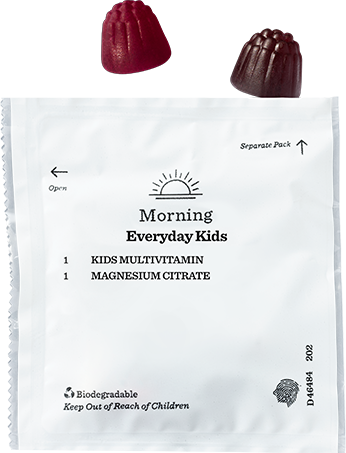
Do Gummy Vitamins Work?

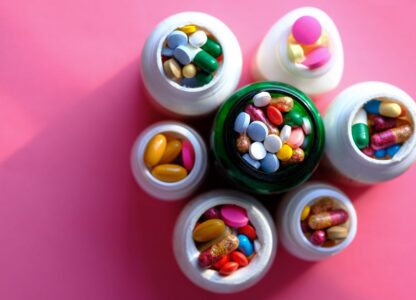
More people are taking supplements every year, with the most recent consumer survey reporting 67% of adults (or more than 170 million people) take dietary supplements every day. (1) The majority of supplement takers consume a multi vitamin. Overall health and wellness top the list for reasons people choose to take supplements.

With a majority of adults looking for easy and convenient ways to get their nutrition, gummy vitamins have become very popular, with gummy products making up $1 billion of all supplement sales, according to IBISWorld. Swallowing pills can be challenging for some and feeling like you have a lot of things to take each day in capsule or tablet form can be a turn off. Gummy vitamins help address both of these concerns by bringing an easy, chewable and tasty supplement option.

So if it was that easy, wouldn’t all companies use gummy vitamins? Not quite. There are some concerns when it comes to the effectiveness of gummy vitamins. For one, they often contain added sugar, and in a western diet often already packed with excess sugar consumption, this could add up if you’re taking a couple of gummies per day. Most gummy vitamins contain 1-2 grams of sugar with some containing up to 8 per day. Both Naturemade Calcium (3) and VitaFusion Hair, Skin & Nail (2) supplements contain 6 grams of sugar per serving.

The American Heart Associated recommends limiting added sugar per day to 25 grams. Gummies can add up quickly in addition to sugar in foods eaten through the day. (5) Gummy vitamins also have a great risk for overdose, especially in children who may seem them as candy. It’s a good idea to always keep supplements, even gummies, somewhere safe and out of reach.

Gummy vitamins also may not be as accurate as their capsule and tablet counterparts when it comes to potency. Tests done by ConsumerLab.com found that many gummy supplements did not contain the amount listed on their labels or contained impurities. (4) Since gummies are manufactured in a similar way as candy products, it can be harder to measure accurate amounts of vitamins and minerals and the ingredients are more likely to degrade, so products are packed with more than is listed on the label to account for this.

Gummy vitamins also contain gelatin which most commonly comes from proteins found in the tendons, ligaments and bones of animal products, typically cows and pigs. This means they are not diet friendly for those following a vegan or vegetarian diet.

If you absolutely cannot swallow supplements, manage your sugar elsewhere and don’t mind the animal products, gummy vitamins might be a good choice for you. Be careful when looking at ingredients to see additional things like corn syrup and check labels to make sure of the dosage since they are not as tightly controlled with gummy supplements.

While gummies might be a good option for some, vitamins and supplements in capsule form are often a better choice for those looking to curb their sugar intake or avoid animal products. Persona offers high quality supplements in capsule and tablet form to optimize absorption, purity and quality. All of our supplements are packaged in pharmaceutical grade plastic meant to ensure product potency, you can check out all of our supplements on our supplements page here : https://www.personanutrition.com/products.cfm

If you are looking for the highest quality Vitamin and Mineral Supplements personalized for you, please go to www.personanutrition.com and take our on-line questionnaire providing individualized vitamin and mineral recommendations. Persona is the only Science Based supplement provider on the web today! Take advantage of our knowledge and use it to your health’s benefit!

This information is not intended as a substitute for the advice provided by your physician or other healthcare professional or any information contained on or in any product label or packaging. Do not use the information from this article for diagnosing or treating a health problem or disease, or prescribing medication or other treatment. Always speak with your physician or other healthcare professional before taking any medication or nutritional, herbal or homeopathic supplement, or using any treatment for a health problem. If you have or suspect that you have a medical problem, contact your health care provider promptly. Do not disregard professional medical advice or delay in seeking professional advice because of something you have read in this article.

Sources:

2017 CRN Consumer Survey on Dietary Supplements. Council for Responsible Nutrition. https://www.crnusa.org/resources/2017-crn-consumer-survey-dietary-supplements. Accessed February 16, 2019.
America’s #1 Gummy Vitamin Brand. Omega-3 DHA | L’il Critters™. http://www.gummyvites.com/en/vitafusion/Products/vitafusion-Gorgeous-Hair-Skin-and-Nails/Supplement-Facts. Accessed February 16, 2019.
Calcium. Prenatal Vitamins with DHA Liquid Softgels| Nature Made®. http://www.naturemade.com/specialty/adult-gummies/calcium-adult-gummies#u9YcE1JxcbXTOxmv.97. Accessed February 16, 2019.
Gummy Vitamins & Related Information. ConsumerLab.com. https://www.consumerlab.com/answers/is-there-a-cause-for-concern-with-gummy-vitamins/gummy_vitamin_concern/. Accessed February 16, 2019.
Sugar 101. About Heart Attacks. https://www.heart.org/en/healthy-living/healthy-eating/eat-smart/sugar/sugar-101. Accessed February 16, 2019.

Find out what supplements are right for you

Take the assessment

What Is Organic Food, and Is It Healthier for You?

What Is Organic Food, and Is It Healthier for You?

As consumers, it’s confusing when trying to decide whether to “go organic.” We want to make the best decisions for our health and our families, but we also must consider our tight budgets. Those that buy organic food do so because they believe it’s healthier. But is it? Here’s some information that will hopefully give you some insight.


What makes food organic?

The word “organic” refers to the way food is grown and produced. There are certain methods and requirements that must be verified in order to put “organic” on a food label. Organic produce and other foods must adhere to the following standards in order to be classified as “organic.”

* No pesticides

* No synthetic fertilizers

* No sewage sludge

* No genetically modified organisms (GMOs)

* No ionizing radiation

* No antibiotics or growth hormones for livestock


What do the labels mean?

100 percent organic – All ingredients are certified organic and has a USDA Organic seal.

Organic – 95 percent of the ingredients are certified organic and has a USDA Organic seal.

Made with organic ingredients – 70 percent of the ingredients are certified organic and does not have the seal.

Organic ingredients – Less than 70 percent of the ingredients are certified organic and does not have the seal.


Is organic food healthier?

There are varying opinions whether organic food is more nutritious. Some studies have shown that organic and conventional produce are very similar in nutritional value. Organic growing practices are costlier for the grower, which then makes buying organic food more expensive for the consumer. Reasons for this are increased labor, slower growing time, and cost of the USDA certification.

If we are talking about pesticides and synthetic fertilizers, then yes, organic food may be safer to consume than conventionally grown foods. Is there a safe limit? That’s an answer we don’t have. But we should talk about how these chemicals can negatively impact our health. Since pesticides are used to kill pests and disease, they can be toxic to humans as well, potentially causing respiratory issues, endocrine disruption, and other health issues (1). Fertilizers can get into water sources and cause contamination and air pollution.


What are the benefits of organic food?

* Less pesticides

* Farming practices better for the environment

* Fresher food because less preservatives

* Animals not given antibiotics or growth hormones


So how do we decide? Do we need to buy everything organic?

The Environmental Working Group (EWG) is a great source to help you make decisions when buying organic produce. They have put together some lists called the “Dirty Dozen” and “Clean Fifteen,” which are updated every year. The “Dirty Dozen” are the more contaminated fruits and vegetables, therefore more pertinent to buy the organic version. The “Clean Fifteen” are the least contaminated, usually because they have thick skins and are therefore more protected. These are fine to buy non-organic. One more tip: Make sure to wash your produce very well.

Many people look to organic foods when trying to make healthier choices. While organic foods are certainly a good path for this, there are other steps you can take to increase overall wellness. Supplements and vitamins, for instance, can help fill the nutrition gaps in your diet that you may not be getting from your food every day.

If you are looking for the highest quality Vitamin and Mineral Supplements personalized for you, please go to www.personanutrition.com and take our on-line questionnaire providing individualized vitamin and mineral recommendations. Persona is the only Science Based supplement provider on the web today! Take advantage of our knowledge and use it to your health’s benefit!

Sources:

1. Toxics Action Center. http://toxicsactionorg.live.pubintnet-dev.org/problems-and-solutions/pesticides. Accessed February 12, 2019.

This information is not intended as a substitute for the advice provided by your physician or other healthcare professional or any information contained on or in any product label or packaging. Do not use the information from this article for diagnosing or treating a health problem or disease, or prescribing medication or other treatment. Always speak with your physician or other healthcare professional before taking any medication or nutritional, herbal or homeopathic supplement, or using any treatment for a health problem. If you have or suspect that you have a medical problem, contact your health care provider promptly. Do not disregard professional medical advice or delay in seeking professional advice because of something you have read in this article.

Find out what supplements are right for you

Take the assessment

How to Promote a Healthy Digestive System for Kids

How to Promote a Healthy Digestive System for Kids

If you are a mom or have ever babysat kids (or been around one during lunch time), you understand that kids can be difficult eaters. They can be picky, don’t always eat on a timely schedule, and create a mess in the process. In American culture, it is common for children to eat less-then-ideal foods including fruit snacks, juices, processed lunch meats, or chicken nuggets. To entice a child to eat, we use artificial dyes and bright, exciting food packaging. For example, have you ever noticed the difference in packaging between children’s yogurt brands and a normal yogurt brand? As a busy parent, it’s easy to turn to quick meals, fast foods, and brands kids are excited to eat. However, the foods that we feed our children have a large impact on their small digestive systems.

Digestive systems are complicated, and as children grow their digestive systems are easily impressionable. Did you know that the bacteria in a child’s gut is transferred from the mother during birth? In fact, the microbes that “seed” the digestive system vary based on the type of birth and impact the development of the immune system.1 A child’s long-term health can be determined in just a few hours! It is important to consider the food we feed our children because their growing body is fragile.

The health of a child’s digestive system can be impacted by multiple factors including the bacteria that lives in the digestive tract itself, allergies, intolerances, or general digestive issues such as diarrhea.2 Dr. Mona Dave, pediatric gastroenterologist states, “Help your digestive system stay healthy by drinking lots of water and eating a healthy diet. Eating foods rich in fiber, and plenty of fruits, vegetables and whole grains will help your body grow properly and stay healthy.”3 Not sure where to start? Here are 3 ways you can promote a healthy digestive system for your little one.


Reduce added sugar

According to the CDC, children aged 6 years and older consumed about 14% of their daily total calories from added sugar in a 2003-2010 study.4 A later study between 2011-2014 found that 6 in 10 youth drank a sugar-sweetened beverage on any given day.5 Sugar can wreak havoc on the digestive system, promoting the growth of unwanted bacteria. There are two main types of bacteria that live in the human digestive system: firmicutes and bacteroidetes. Bacteroidetes love to consume sugar and an overgrowth of this bacteria allows the body to more efficiently store fat and encourage weight gain.6 Cut out added sugar in your child’s diet by reading the label on any packaged product. Packaged foods high in added sugar include yogurt, juices, cereals, sauces (ketchup, BBQ sauce, spaghetti sauce), and even pre-packaged soups. Read the ingredients before you purchase packaged foods and keep an eye out for the alternative names for sugar including corn syrup, high-fructose corn syrup, sucrose, fructose, dextrose, and lactose.7


Introduce fermented foods

Fermented foods are packed full of healthy bacteria that can diversity and improve your gut biome. Fermentation of food must be done using microorganisms, either yeasts or bacteria. Healthy bacteria, or probiotics, have been associated with numerous health benefits including improved digestion and immune function. Great foods you can introduce into their daily diet include plain (or lightly sweetened) yogurt, kefir, probiotic sour cream, natto, miso, and sauerkraut. If your little one is a picky eater, you can start by mixing in small amounts of new foods into their current diet. For example, you can create an easy ranch dip with plain Greek yogurt to pair with sliced vegetables or add miso paste to chicken noodle soup.

Engage in daily activity

The digestive system isn’t just impacted by diet but also by physical changes. For example, stress can bring gut function to a complete halt. In primitive times, slowing digestion in the face of a danger was beneficial as a way to preserve energy. You can physically improve digestion by movement. Low gut motility can be caused by physical inactivity and is easily corrected. At least 60 minutes of physical activity is recommended per day for children. The World Health Organization states, “For children and young people, physical activity includes play, games, sports, transportation, chores, recreation, physical education, or planned exercise, in the context of family, school, and community activities.”8 Lead by example and get moving!

If you are looking for the highest quality Vitamin and Mineral Supplements personalized for you, please go to www.personanutrition.com and take our on-line questionnaire providing individualized vitamin and mineral recommendations. Persona is the only Science Based supplement provider on the web today! Take advantage of our knowledge and use it to your health’s benefit!

Sources:

  1. Neu J, Rushing J. Cesarean versus vaginal delivery: long-term infant outcomes and the hygiene hypothesis. Clin Perinatol. 2011;38(2):321-31.
  2. Common Children’s Digestive Problems. Stanford Children’s Health. https://www.stanfordchildrens.org/en/topic/default?id=common-childrens-digestive-problems-90-P01984. Accessed February 4, 2019.
  3. Child’s Digestive System. Digestive Health & Nutrition in Children. https://childrensgimd.com/childs-digestive-system/. Accessed February 4, 2019.
  4. Know Your Limit for Added Sugars. Center for Disease Control and Prevention. https://www.cdc.gov/nutrition/data-statistics/know-your-limit-for-added-sugars.html. Accessed February 4, 2019.
  5. Get the Facts: Sugar-Sweetened Beverages and Consumption. Center for Disease Control and Prevention. https://www.cdc.gov/nutrition/data-statistics/sugar-sweetened-beverages-intake.html. Reviewed February 27, 2017. Accessed February 4, 2019.
  6. Koliada A, Syzenko G, Moseiko V, et al. Association between body mass index and Firmicutes/Bacteroidetes ratio in an adult Ukrainian population. BMC Microbiol. 2017;17(1):120. Published 2017 May 22. doi:10.1186/s12866-017-1027-1
  7. What Are Added Sugars? United States Department of Agriculture. https://www.choosemyplate.gov/what-are-added-sugars. Updated November 9, 2016. Accessed February 5, 2019.
  8. Physical Activity and Young People. World Health Organization. https://www.who.int/dietphysicalactivity/factsheet_young_people/en/. Accessed February 5, 2019.
    This information is not intended as a substitute for the advice provided by your physician or other healthcare professional or any information contained on or in any product label or packaging. Do not use the information from this article for diagnosing or treating a health problem or disease, or prescribing medication or other treatment. Always speak with your physician or other healthcare professional before taking any medication or nutritional, herbal or homeopathic supplement, or using any treatment for a health problem. If you have or suspect that you have a medical problem, contact your health care provider promptly. Do not disregard professional medical advice or delay in seeking professional advice because of something you have read in this article.

Find out what supplements are right for you

Take the assessment

Show Your Heart Some Love

With Valentine’s Day just around the corner, it’s hard for any of us to escape heart-shaped chocolate boxes and huge stuffed animals lining department and grocery stores all around the country. Valentine’s Day is typically about treating loved ones, but have you ever stopped to think about yourself during the holiday? I’m not talking about taking yourself out for a nice dinner alone; I’m talking about treating your heart.

The human heart is an amazing organ. The first heart cell begins to beat as early as 4 weeks in the womb and a fully developed heart beats 100,000 times every day.1 It works hard to pump blood throughout your entire body without taking a break. Unfortunately, heart disease is the number one cause of death in the United States.2 In fact, half of Americans have or participate in at least one of the three risk factors for heart disease: high blood pressure, high cholesterol, and smoking.3

While the risk for heart disease is partially genetic, there are multiple lifestyle changes you can make to reduce your risk such as exercising, reducing alcohol use, losing weight (if you are currently overweight), and eating to balance your blood sugar.4 In addition, there are supplements you can take to support your journey to better heart health. Here are our top 4 supplements to support a healthy heart.


CoQ10

Coenzyme Q10 is a naturally occurring substance in the body found mostly in the heart, liver, kidneys, and pancreas.5 Coenzyme Q10 works to create a substance called adenosine triphosphate (ATP), which is responsible for cellular energy. It also works as an antioxidant, combating dangerous free radicals.6 Studies show that CoQ10 is beneficial in many heart ailments. A study published in Open Heart found that heart failure patients taking CoQ10 had a significantly reduced risk of a major cardiovascular event compared to those taking a placebo.7 In addition, other studies have concluded that CoQ10 may lower both systolic and diastolic blood pressure without any significant side effects.8


Omega-3

Omega-3 fatty acids can be found naturally in fish and seafood, nuts, seeds, and plant oils including salmon, mackerel, tuna, walnuts, flaxseed, chia seeds, and canola oil. You can also increase your intake of these fatty acids by supplementing your diet with an Omega-3 supplement. A recent study presented at the American Heart Association’s annual conference studied 25,871 men and women over the age of 50 to asses their risk of heart attacks with and without supplementation of omega-3 fatty acids. The study concluded after 5 years that taking an omega-3 supplement reduces the risk of heart attacks. Specifically, fish oil lowered the risk of a heart attack by 28% (40% for those who consumed fish in their diet) and lowered the risk of a fatal heart attack by 50%.9


Garlic

It may be smelly but supplementing your diet with garlic can benefit your blood pressure. Studies show that garlic supplements have the potential to lower blood pressure in those who are currently hypertensive, can regulate cholesterol, and stimulate the immune system.10 Garlic works by inhibiting enzymes involved in the creation of lipids and can decrease platelet aggregation, both of which are factors in heart disease.11


Turmeric

Turmeric isn’t just a tasty curry spice, but also functions as an anti-inflammatory. The polyphenol responsible for turmeric’s bright color is called curcumin. Curcumin has been linked to not only anti-inflammatory properties, but also anti-oxidant, anti-carcinogenic, and anti-thrombotic, and cardiovascular protective effects.12 Because of turmeric’s anti-inflammatory properties, individuals taking turmeric may benefit from a reduced risk of arrhythmias as well. You can also easily add turmeric to your diet by sprinkling some on tea, shaking over popcorn, and seasoning your meats. Turmeric also pairs easily with other spices including cloves, cumin, ginger, and pepper.


Don’t forget to treat yourself this Valentine’s Day. Your heart will thank you for it.


If you are looking for the highest quality Vitamin and Mineral Supplements personalized for you, please go to www.personanutrition.com and take our on-line questionnaire providing individualized vitamin and mineral recommendations. Persona is the only Science Based supplement provider on the web today! Take advantage of our knowledge and use it to your health’s benefit!

This information is not intended as a substitute for the advice provided by your physician or other healthcare professional or any information contained on or in any product label or packaging. Do not use the information from this article for diagnosing or treating a health problem or disease, or prescribing medication or other treatment. Always speak with your physician or other healthcare professional before taking any medication or nutritional, herbal or homeopathic supplement, or using any treatment for a health problem. If you have or suspect that you have a medical problem, contact your health care provider promptly. Do not disregard professional medical advice or delay in seeking professional advice because of something you have read in this article.


Sources:

  1. 24 Amazing Facts About Your Heart. Cleveland Clinic. https://health.clevelandclinic.org/24-amazing-facts-about-your-heart/. Published August 14, 2018. Accessed February 7, 2019.
  2. Leading Causes of Death. Centers for Disease Control and Prevention. https://www.cdc.gov/nchs/fastats/leading-causes-of-death.htm. Updated March 17, 2017. Accessed February 7, 2019.
  3. Heart Disease Facts. Centers for Disease Control and Prevention. https://www.cdc.gov/heartdisease/facts.htm. Reviewed November 28, 2017. Accessed February 7, 2019.
  4. Family History and Other Characteristics That Increase Risk for Heart Disease. Centers for Disease Control and Prevention. https://www.cdc.gov/heartdisease/family_history.htm. Reviewed August 10, 2015. Accessed February 7, 2019.
  5. Coenzyme Q10. National Center for Complementary and Integrative Health. https://nccih.nih.gov/health/coq10. Updated January 17, 2019. Accessed February 7, 2019.
  6. Coenzyme Q10. Oregon State University. https://lpi.oregonstate.edu/mic/dietary-factors/coenzyme-Q10. Accessed February 7, 2019.
  7. Dinicolantonio JJ, Bhutani J, Mccarty MF, O’keefe JH. Coenzyme Q10 for the treatment of heart failure: a review of the literature. Open Heart. 2015;2(1):e000326.
  8. Rosenfeldt FL, Haas SJ, Krum H, et al. Coenzyme Q10 in the treatment of hypertension: a meta-analysis of the clinical trials. J Hum Hypertens. 2007;21(4):297-306.
  9. Fifield, K. Fish Oil May Help Prevent Heart Attacks. AARP. https://www.aarp.org/health/drugs-supplements/info-2018/fish-oil-heart-health.html. Published November 12, 2018. Accessed February 7, 2019.
  10. Ried K. Garlic Lowers Blood Pressure in Hypertensive Individuals, Regulates Serum Cholesterol, and Stimulates Immunity: An Updated Meta-analysis and Review. J Nutr. 2016;146(2):389S-396S.
  11. Rahman K, Lowe GM. Garlic and cardiovascular disease: a critical review. J Nutr. 2006;136(3 Suppl):736S-740S.
  12. Wongcharoen W – Int J Cardiol (2009) The protective role of curcumin in cardiovascular diseases.pdf


Find out what supplements are right for you

Take the assessment