

Posts

3 workouts to beat the midday slump 

The dreaded afternoon slump is something we all know well. In part, because it’s built into our internal clocks. Most people will experience an energy dip between 1-3 PM as the result of natural hormone fluctuations. And as annoying as it is to start feeling those blahs in the middle of a workday, it can be the perfect time to step away from your computer and boost your energy with a quick workout. Here’s 3 we recommend.  

What’s the deal with the midday slump?  

Let’s talk more about your internal clock aka circadian rhythm. It’s most well-known for controlling when you sleep and wake up, but your sleep-wake cycle isn’t the only thing that’s hard wired.  

Your appetite, metabolism, body temperature and hormones also fluctuate based on a 24-hour cycle. And while the mid-afternoon slump is a result of normal hormone changes, there are some other factors that can make that energy dip feel more intense. Stress, lack of sleep, poor diet, lack of physical activity can all play a role. The good news is we don’t have to accept our sleepy fate.  

Can exercise really boost energy?  

Expend energy to feel more energized? It sounds counter-intuitive, but we promise- it’s not a trick! Exercise helps energize you in a few different ways:

  • Increased oxygen: Exercise increases the amount of oxygen that your muscles need, and your cells respond by producing more of it. Plus, the benefits aren’t just temporary. When you stick to a regular training program, your body actually gets better and more efficient at using energy. The result? Better stamina. 
  • Boosted blood flow: No matter what exercise you choose, moving your body gets your blood circulating faster. More blood to your brain, means more oxygen to your tissues and better focus and concentration.    
  • Elevated hormones: You’ve probably heard of “runners high.” It’s the result of hormones called endorphins that are triggered by exercise. Endorphins can boost your mood and make you feel more energized. You don’t need to go running to get an endorphin boost. Just 30 minutes of moderate activity will do the trick. 

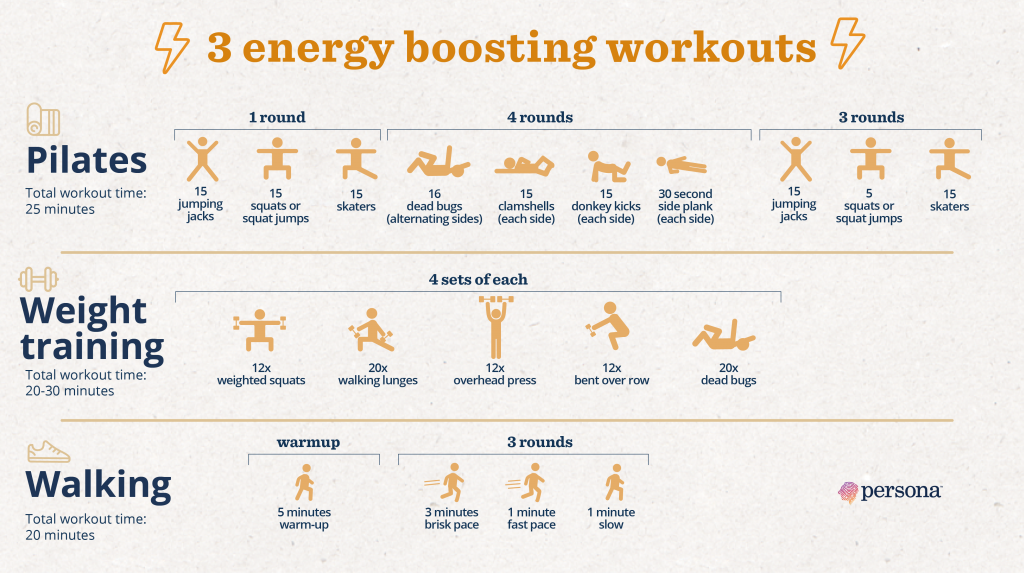
3 energy boosting workouts 

Now that you’re fully sold on the benefits of exercise. Let’s get moving. Here are 3 workouts that are sure to fire you up.  

1. Pilates

A little core work with a hit of cardio to warm up and finish? Sounds like the perfect sweat sesh. Because it is. Here’s your routine: 

Total workout time: 25 minutes  

1 round  

  • 15 jumping jacks  
  • 15 squats or squat jumps  
  • 15 skaters  

4 rounds  

  • 16 dead bugs (alternating sides) 
  • 15 claim shells (each side) 
  • 15 donkey kicks (each side) 
  • 30 second side plank (each side)  

3 rounds 

  • 15 jumping jacks  
  • 15 squats or squat jumps  
  • 15 skaters 

2. Walking 

Mom was right. Fresh air solves almost anything. Fresh air, natural light AND exercise? The ultimate energy boost. Here’s your routine: 

Total workout time: 20 minutes  

  • 5 minutes warm up 

3 rounds  

  • 3 minutes brisk pace  
  • 1 minute fast pace  
  • 1 minute slow 

3. Weight training  

You don’t need ultra-heavy weights to get the benefits of weight training. If you’re training at home and all you have is a set of light dumbbells, just increase your reps. Your muscles should feel slightly fatigued at the end of each set.  

Total workout time: 20-30 minutes  

4 sets of each  

  • 12 x weighted squats  
  • 20 x walking lunges 
  • 12 x overhead press  
  • 12x bent over row  
  • 20x dead bugs  

For healthy breakfasts for lasting energy, read A nutritionist’s favorite 4 energy-boosting breakfasts

About Allie

Allie has a master’s in nutrition science from Framingham State University. She has worked as a Health Educator and Personal Trainer, and has a passion for helping people lead happier, healthier lives. 

Do you have questions about supplements? Reach out to one of our experts, or take Persona’s free nutrition assessment, and learn exactly what you need to take your wellness to the next level.    

This information is not intended as a substitute for the advice provided by your physician or other healthcare professional, or any information contained on or in any product label or packaging. Do not use the information from this article for diagnosing or treating a health problem or disease, or prescribing medication or other treatment. Always speak with your physician or other healthcare professional before taking any medication or nutritional, herbal, or homeopathic supplement, or using any treatment for a health problem. If you have or suspect that you have a medical problem, contact your health care provider promptly. Do not disregard professional medical advice or delay in seeking professional advice because of something you have read in this article.       


3

Interested in learning what supplements are right for you? Take our free assessment.

START ASSESSMENT

A nutritionist’s favorite 4 energy-boosting breakfasts

There’s a reason breakfast is referred to as the most important meal of the day. What you eat for breakfast, not only helps you power through the morning, but can influence the rest of your day. Fueling your body with energy-boosting foods can be quick, easy and more importantly, delicious!  

1. Peanut Butter & Berry Overnight Oats 

Sweet and savory – this simple, but healthy recipe is your new go-to when you’re short on time in the mornings. You can quickly prep this the night before, for lasting energy in the morning. The fiber in oats and fruit helps slow digestion for a steady flow of energy, while helping you stay feeling fuller longer.1 

Ingredients:  

  • ½ Cup Whole Grain Oats 
  • 1/3 Cup Plain Greek Yogurt 
  • 1/3 Cup Mixed Berries 
  • 1 tbsp Peanut Butter 
  • ½ Cup Unsweetened Dairy-Free Milk 
  • Sweetener of Choice 

Directions: 

  1. Using an airtight container or jar, combine oats, yogurt, peanut butter, milk, and sweetener of your choice. Mix until combined well.  
  1. Top with mixed berries and secure with a lid. 
  1. Refrigerate overnight or for at least 4 hours. 
  1. Enjoy oats warmed or cod! 

Don’t get hung up on these ingredients if they don’t suit your preference! Get creative and use your favorite combination of flavors and feel free to add extra ingredients like chia seeds, flax seeds, protein powder, etc.  

2. High Protein Veggie Scramble 

What better way to start the morning than with a high-protein scramble for breakfast? Protein is one of the most important nutrients your body needs for muscle and tissue repair and growth. Plus, it helps with increasing satiation2, reducing cravings and most importantly, energy. Pair this high-protein scramble with a side of toast or a bagel and stay satisfied until lunch! 

Ingredients: 

  • 1 Large Egg 
  • 1/3 cup Egg Whites 
  • ½ cup Chopped Veggies of Choice (Onion, Peppers, Broccoli, Spinach, etc.) 
  • 1 tbsp Shredded Cheese 
  • Salt and Pepper, to taste 

Directions: 

  1. Heat a non-stick pan over medium heat. Once hot, lightly spray with cooking oil.  
  1. Add veggies to the pan and sauté until tender. While veggies cook, whisk egg and egg whites in a bowl, season with salt and pepper, and set aside.  
  1. Once the veggies are tender, pour in the egg mixture. Cook until eggs are set.  
  1. Top with shredded cheese and enjoy with a side of potatoes or toast.  

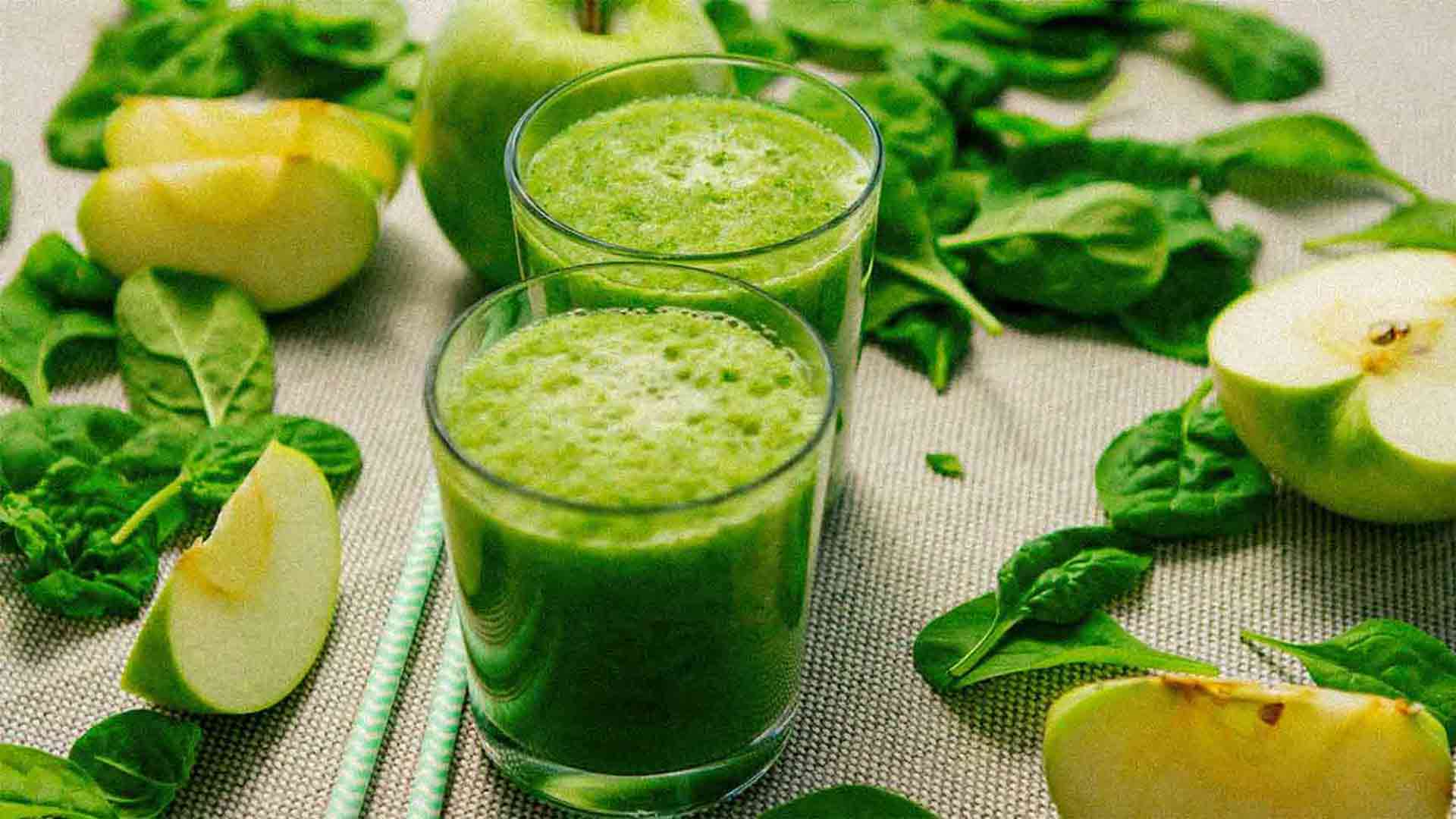
3. Green Protein Smoothie 

A green smoothie is always a good idea and this one is high in protein, packed with essential vitamins and minerals and super easy to make. The avocado and nuts add important healthy fats that help slow digestion for steady energy.3  

Ingredients: 

  • 1 Scoop Vanilla Protein Powder 
  • 1 Cup Spinach 
  • ¼ Medium Avocado 
  • ¼ Green Apple 
  • ½ Medium Banana 
  • 1 cup Dairy-Free Milk or Water 
  • Ice, to preference 

Direction: 

  1. Add all ingredients into a blender and blend until smooth. For a thicker consistency, use less milk/water, for a thinner consistency, use more. Enjoy! 

4. Yogurt Parfait  

Perfect fuel for a hectic morning, this yogurt parfait has everything- proteins, carbs and fats, all in perfect balance for long-lasting energy. Make sure to choose a 2% or full-fat greek yogurt to help you stay satisfied.    

Ingredients: 

  • 1 Cup Plain Greek Yogurt 
  • ½ Cup Blueberries 
  • 2 tbsp Granola 
  • 1 tsp Honey 

Directions: 

  1. Add half of the yogurt to a bowl or jar and top with half of the blueberries, half of the honey, and half of the granola. Repeat with the remaining half to create parfait layers. Enjoy!

If you’re preparing this recipe the night before, omit the granola and add it on top until you are ready to eat.  

For more energy-helping snacks, read 5 energy healthy snacks to boost energy

About Sonya

Sonya has a bachelor’s degree in Foods and Nutrition from San Diego State University. Before Persona, Sonya worked as a personal nutritionist and health educator where she coached hundreds of clients to empower them with knowledge about their own health status, as well as coach them to create healthy and sustainable lifestyle habits. 

Do you have questions about supplements? Reach out to one of our experts, or take Persona’s free nutrition assessment, and learn exactly what you need to take your wellness to the next level.    

*These statements have not been evaluated by the Food and Drug Administration. This product is not intended to diagnose, treat, cure, or prevent any disease.     

This information is not intended as a substitute for the advice provided by your physician or other healthcare professional, or any information contained on or in any product label or packaging. Do not use the information from this article for diagnosing or treating a health problem or disease, or prescribing medication or other treatment. Always speak with your physician or other healthcare professional before taking any medication or nutritional, herbal, or homeopathic supplement, or using any treatment for a health problem. If you have or suspect that you have a medical problem, contact your health care provider promptly. Do not disregard professional medical advice or delay in seeking professional advice because of something you have read in this article.       

References:

  1. Hervik, A. K., & Svihus, B. (2019). The role of fiber in energy balance. Journal of nutrition and metabolism, 2019. 
  2. Morell, P., & Fiszman, S. (2017). Revisiting the role of protein-induced satiation and satiety. Food Hydrocolloids, 68, 199-210. 
  3. Collier, G., McLean, A., & O’Dea, K. (1984). Effect of co-ingestion of fat on the metabolic responses to slowly and rapidly absorbed carbohydrates. Diabetologia, 26(1), 50–54. 
4

Interested in learning what supplements are right for you? Take our free assessment.

START ASSESSMENT

6 reasons your energy may be low 

If your energy tank relies on your morning cup of coffee – it might be time to make some changes to your routine. All of us feel tired from time to time, but if you’re constantly muscling through every hour in the day, your low energy can be rooted in your daily habits. Here’s 6 reasons, why your energy may be low. 

1. Sleep Hygiene 

This one’s obvious, but if you’re not getting enough sleep, your body can’t fully rest and recharge – affecting your energy during the day. Snoozing for 8 hours and still not feeling rested when you wake up? The quality of your sleep matters too. If quality shuteye is a repeated struggle, you might be suffering from poor sleep hygiene. 

Sleep hygiene refers to the habits you do to prep for bed- they can either harm or help your sleep. Are you drinking coffee late at night, scrolling your phone in bed, or eating a large meal before you snooze?  These are a few common habits that can negatively affect your sleep. Take a look at your routine and see if you can incorporate some sleep-promoting habits into your wind down.  

2. Stress 

Stress can influence many different areas of your health, including energy. When you’re struggling with long-term stress, your body releases cortisol – your main stress hormone. If left unmanaged, too much cortisol can exhaust your body, affecting your sleep, mood and energy. Practicing stress-reducing behaviors like regular exercise, a balanced diet, adequate sleep or taking supplements can help keep cortisol levels in check. 

3. Technology/ Blue light 

Nowadays, it’s easy to be plugged in 24/7. While there’s nothing wrong with spending some time catching up on trends or unwinding your mind, bouncing from screen to screen all day can meddle with your sleep and energy. The blue light of screens can disrupt your circadian rhythm and natural production of melatonin. To help with energy, limit your tech use, use a blue light filter and try to avoid using these devices 1 to 2 hours before bed.  

4. Hormones 

Besides stress hormones like cortisol, other hormones including estrogen, testosterone, progesterone or thyroid hormones can influence your energy levels.1 If these are out of balance, it can lead to increased feelings of fatigue and tiredness. If you’re concerned an imbalance in hormones may be contributing to low energy, connect with your doctor to get your levels checked.  

5. Diet 

This probably isn’t surprising, but your diet might be the reason for low energy. If your meals consist of mainly processed, high-sugar foods – you’re going to feel that midday slump or dip in energy. Try adding some whole grains, protein, and healthy fats to your diet. This can help promote long-lasting energy. Eating enough is also important- if you’re not getting enough calories your body is going to struggle to keep up with daily tasks.   

6.  Hydration 

If you don’t love drinking water, you’re not alone. But if you’re not drinking enough fluids to stay hydrated, it can impact your energy levels. Ensuring your body stays well-hydrated helps your body to function at its best to reduce symptoms of fatigue and sluggishness. So how much water do you need? A general rule is: half your body weight in fluid ounces.  

Bottom line: 

All of us struggle with low energy from time to time, but if you’re running low on fuel more than usual, there’s some shifts to your daily routine that might help. Ensure you’re eating well, drinking enough water, getting enough rest, limiting tech use and managing stress levels. If you’ve been addressing the above, but your energy is still low, connect with your doctor to help identify where your lack of energy may stem from. 

Read next: 5 healthy snacks to boost your energy

About Authors:

Madison Landis, BSN

Madison is a Functional Nutritionist and member of the Persona Research and Development team. With a degree in Nutritional Sciences from Texas A&M University, she strives to bring science-backed knowledge to the health and wellness community and those who may be interested in positive life change. She has a passion for identifying the impact stress plays on overall health and empowering individuals to break the cycle of chronic stress. 

Karina Churchill, BSN

Karina is a Nutritionist with a Bachelor of Science in Nutrition from Bastyr University. With a passion for community health and recipe adaptations, she enjoys supporting, motivating and educating people on their health journey.

Do you have questions about supplements? Reach out to one of our experts, or take Persona’s free nutrition assessment, and learn exactly what you need to take your wellness to the next level.    

This information is not intended as a substitute for the advice provided by your physician or other healthcare professional, or any information contained on or in any product label or packaging. Do not use the information from this article for diagnosing or treating a health problem or disease, or prescribing medication or other treatment. Always speak with your physician or other healthcare professional before taking any medication or nutritional, herbal, or homeopathic supplement, or using any treatment for a health problem. If you have or suspect that you have a medical problem, contact your health care provider promptly. Do not disregard professional medical advice or delay in seeking professional advice because of something you have read in this article.       

6

Interested in learning what supplements are right for you? Take our free assessment.

START ASSESSMENT

8 foods for skin health, according to a nutritionist

If you’ve tried all the different lotions, serums and treatments influencers swear by in hopes of getting glowing, radiant skin – you’re not alone. And while an elaborate skincare routine is important – and definitely helps, nourishing it with skin-loving ingredients from within is the best foundation for healthy skin. To nurture your skin from the inside out, here’s 8 foods we recommend.

1. Strawberries

Sweet but slightly tart, strawberries are a favorite among many – and for good reason. They’re not only delicious, but these small, red triangular berries are rich in vitamin C, which acts as an antioxidant to fend off free radicals, natural substances that damage and age skin when they build up. Plus, vitamin C is essential for collagen production to help maintain skin structure and elasticity, while preventing premature wrinkles.

Another benefit? Strawberries also have folate, which can help speed up cell regeneration and the synthesis of new cells according to some research.1 Your skin cells are continuously replacing themselves, but this process naturally slows with age, which can lead to uneven skin or dark spots. By ensuring this process continues at a healthy rate can promote brighter and healthier skin.

While strawberries are tasty on their own, they can easily be added to smoothies, yogurt or even to a salad.

2. Avocados

Avocados are hailed as a superfood for their *many* health benefits, so it’s not surprising that they’re also great for your skin. This celebrity fruit is a rich source of monosaturated fatty acids, which not only helps moisturize your skin beneath the surface but also soothes dry, irritated skin. Plus, avocados are loaded with antioxidants to help fight premature aging and maintain skin elasticity that can occur from environmental stressors like pollution or UV rays.

Avocados can be eaten as guacamole, with roasted veggies, in a burrito or as the famous avocado toast.

3. Cucumber

One way to help keep your skin hydrated is to eat your water. Cucumbers are 95 percent water, and can help maintain your skin’s natural moisture and hydration. What’s more, cucumbers are packed with skin-friendly vitamins, nutrients and antioxidants like silica, a mineral that’s involved in the synthesis of collagen, a protein that’s vital to your skin’s hydration and elasticity.

Add cucumbers to your favorite salad, sandwich or make cucumber noodles for a cool, refreshing dish.

4. Tomatoes

You’ve probably heard by now that tomatoes are rich in vitamin C and lycopene, an antioxidant that helps aid your skin’s natural defenses. But they’re also high in vitamin A, which reduces the production of sebum, an oily, waxy substance your body naturally makes. And though sebum is important (and needed) to have healthy, hydrated skin, it’s possible to have too much. When your body overproduces sebum, it can lead to increased blemishes, pimples and oily skin.

Tomatoes are delicious both raw and cooked. To eat them fresh, toss them in cold pasta, make a caprese salad or bruschetta! If you have the time to make homemade marinara, it’s definitely worth it! Not only will it taste amazing but the lycopene content increases when tomatoes are cooked!

5. Cold water fatty fish

Eating seafood regularly (think: at least twice a week) offers a slew of health benefits, including healthier skin. Some sources of fatty fish are salmon, mackerel, tuna and herring. These fish are rich in healthy fats, keeping your skin moisturized, supple and smooth. Not just that, but they also contain vitamin E, which works double duty as a vitamin and antioxidant, to both nourish your skin and prevent free radical damage. Plus, fish also contains zinc, which plays an incredibly important role in the formation of new skin cells for even-toned skin.2

To net all the benefits, try to eat fish at least twice a week; otherwise, it’s best to add a supplement to your diet.

6. Walnuts

Walnuts are one of the best plant sources of omega-3 fatty acids, offering about 2.5 grams per ounce.3 Omega-3 fatty acids help keep your skin soft, plump and bright. Walnuts are also rich in selenium, which acts as an antioxidant but also increases circulation to encourage the flow of blood, oxygen and nutrients throughout your body for a healthier complexion.

Walnuts are great as a salad topping, with roasted veggies or in trail mix.

7. Dark Chocolate

Dark chocolate is always a good idea, and it’s even better when you know it’s benefiting your skin. In fact, cacao is packed with flavanols, antioxidants that not only ward off harmful free radicals but also reduce the appearance of blemishes, redness and puffiness in skin.

To reap the benefits that dark chocolate has to offer, be sure to choose chocolate with at least 70 percent cacao.

8. Water

While water isn’t exactly food, it’s imperative for your skin. This probably isn’t surprising since every system in your body depends on water to function well. But drinking enough water keeps your skin hydrated and encourages healthy skin that appears less wrinkled, dull and dry.

So how much water should you drink? The basic rule of thumb: aim for half your body weight in fluid ounces. If you’re struggling to up your water intake, try carrying a reusable water bottle with you. If you don’t love plain water, you can add fruit (or cucumber) to your water for natural flavors.

For more antioxidant sources, read 8 foods high in antioxidants

About Gabby

Gabby is a Nutritionist with a master’s degree in strategic communications. She loves using her nutrition-fluency with storytelling to encourage positive change. Before Persona, she worked at a mental health clinic helping clients manage stress, anxiety and other mental health issues through diet.    

Do you have questions about supplements? Reach out to one of our experts, or take Persona’s free nutrition assessment, and learn exactly what you need to take your wellness to the next level.    

This information is not intended as a substitute for the advice provided by your physician or other healthcare professional, or any information contained on or in any product label or packaging. Do not use the information from this article for diagnosing or treating a health problem or disease, or prescribing medication or other treatment. Always speak with your physician or other healthcare professional before taking any medication or nutritional, herbal, or homeopathic supplement, or using any treatment for a health problem. If you have or suspect that you have a medical problem, contact your health care provider promptly. Do not disregard professional medical advice or delay in seeking professional advice because of something you have read in this article.      

Sources:

  1. Fernández-Villa D, Jiménez Gómez-Lavín M, Abradelo C, San Román J, Rojo L. Tissue Engineering Therapies Based on Folic Acid and Other Vitamin B Derivatives. Functional Mechanisms and Current Applications in Regenerative Medicine. Int J Mol Sci. 2018;19(12):4068. Published 2018 Dec 16. doi:10.3390/ijms19124068
  2. Schwartz JR, Marsh RG, Draelos ZD. Zinc and skin health: overview of physiology and pharmacology. Dermatol Surg. 2005;31(7 Pt 2):837-847. doi:10.1111/j.1524-4725.2005.31729
  3. Hayes D, Angove MJ, Tucci J, Dennis C. Walnuts (Juglans regia) Chemical Composition and Research in Human Health. Crit Rev Food Sci Nutr. 2016;56(8):1231-1241. doi:10.1080/10408398.2012.760516
8

Interested in learning what supplements are right for you? Take our free assessment.

START ASSESSMENT

4 tips for starting off the weekend

Weekends are a great way to recharge, unwind, enjoy a fun activity or just try something new. But they’re also an easy way to fall out of the healthy routine you’ve established throughout the week. If you’re struggling to balance rest and productivity, here’s 4 tips to for a healthy weekend.

1. Get enough sleep

Work hard play hard, right? While maintaining a work-life balance is essential for a list of reasons, but if you’re finding yourself staying out late into the night (…or should we say, early AM) and not getting enough sleep – it can wreak havoc on your week ahead. You might find yourself less productive, fatigued, struggling with brain fog or feeling more stressed. Of course, this doesn’t mean you can’t have fun and let loose on your days off, but just be sure to prioritize sleep so you’re well-rested and refreshed in the morning.

2. Schedule some “you time”

If your weekends are often fully booked: maybe you’re catching up with friends, doing household chores or running errands – it’s easy to forget about leaving some time for some self-care. Whether it’s an hour out of the weekend or a full day, plan out some time to recharge. This might be reading a book, yoga, going to the gym or watching your favorite Netflix show, but schedule some time for yourself. You might be surprised by how productive you feel from this when heading back into the week.

3. Keep your healthy behaviors from the week

If you use the weekend as your cheat days, you’re not alone. It’s easier to follow a routine during the week and do the complete opposite during the weekend. But keeping some healthy habits like getting an appropriate amount of sleep, eating balanced meals and moving your body will help you continue to feel your best throughout the weekend and rejuvenated once Monday comes around. Now – we get there are some weeks that are especially stressful and you just need to relax, sleep in a few extra hours and just do nothing to unwind. And sometimes you need to do just that and listen to your body, but if that’s your weekend norm, it’s probably best to make some shifts to your day-to-day routine. You’ll likely find yourself better rested and more motivated for the week.

4. Plan ahead

If your weekends feel jam-packed, try to plan out your week ahead. We often leave tasks and errands for the weekend, which can leave little time for rest, fun or activities. Instead, finish your small tasks during the week to free up your weekend.  

For more tips on self-care, read Why you time is more important than you think

About Angie

Angie is Persona’s Director of Research and Development. She is a Registered Dietitian Nutritionist, passionate about helping others live wholesome, fulfilling and healthy lives. At Persona, she enjoys researching emerging science and developing propriety supplement blends.  

Do you have questions about supplements? Reach out to one of our experts, or take Persona’s free nutrition assessment, and learn exactly what you need to take your wellness to the next level.     

This information is not intended as a substitute for the advice provided by your physician or other healthcare professional, or any information contained on or in any product label or packaging. Do not use the information from this article for diagnosing or treating a health problem or disease, or prescribing medication or other treatment. Always speak with your physician or other healthcare professional before taking any medication or nutritional, herbal, or homeopathic supplement, or using any treatment for a health problem. If you have or suspect that you have a medical problem, contact your health care provider promptly. Do not disregard professional medical advice or delay in seeking professional advice because of something you have read in this article.


4

Interested in learning what supplements are right for you? Take our free assessment.

START ASSESSMENT

5 benefits of eating seasonally

Ever notice that you crave watermelon during summer? Or how oranges and kiwis taste better during winter? Eating seasonally involves eating fruits and vegetables during their growing season – making them fresher and offering a slew of benefits. Here’s 5 reasons why you should start eating seasonally.

1. It adds variation to your diet

You’ve probably heard it before: eat a variety of fruits and vegetables for all the different benefits they offer. Even for the most health-conscious, obtaining all the essential vitamins and minerals your body needs can be a challenge through diet alone.

But a well-balanced diet with a lot of variety can definitely help. Each plant has its own nutrient profile – some richer in vitamin C, some in fiber and others in iron, so a varied diet can help get important nutrients to keep you healthy. Eating seasonally not only encourages you to adjust your diet with the changing weather, but it also ensures you’re getting the max amount of nutrients the fruit and vegetable has to offer.

2. It’s fresher, tastier and more nutritious

If you’re eating seasonally, you’re getting fruits and vegetables when they’re most ripe, meaning they’re the most nutritious at that time and the most tasty. You might have noticed some popular plant foods are offered all year long. But ever notice that it just doesn’t taste as good as when it’s in season?

Here’s the thing: to keep up with the demand, popular fruits and vegetables are often harvested all year round with the use of ripening agents. This not only affects their nutritional value, but impacts taste as well. Or maybe your favorite fruit is being imported from across the world, because it’s in season there, but not where you live. Since transport times are long, companies will often disrupt their ripening process by adding preservatives, using coloring to enhance its appearance, and in some cases use edible film or wax to extend the shelf life.  

In short: when you’re eating these foods when they’re in season, it’s going to taste the best.

3. It’s good for your wallet

With all that time, effort and resources required to harvest produce in their off-peak season, you can imagine the added costs that come with it. Locally grown produce is usually more affordable as it’s easier for farmers to harvest them. Which also means it’s harvested more often during that time and in larger amounts – driving costs down.

4. It supports the local economy

When you shop locally or at the farmer’s market – you’re prioritizing small businesses and local farmers, which helps circle money back into your local community. Shopping from local farms not only helps maintain jobs within your area, but also gives you the opportunity to get to know your neighbors, eat fresher and healthier!

5. It’s kinder to our home

Eating seasonally isn’t just beneficial for your health, but it’s also beneficial to the environment. Transporting truckloads of produce takes its toll on the environment. Think about: fuel emissions, refrigeration requirements, increased use of packing materials, water consumption, and the effect of pesticides and toxins on the environment. But when you’re eating seasonally, you’re getting fruits and vegetables from farms that are nearby, making it better for the environment.

To learn about antioxidant benefits in fruits and vegetables, read 8 foods high in antioxidants

About Gina

Gina is a Registered Associate Nutritionist (ANutr) and holds a Bachelor of Science degree in Human Nutrition from London. She believes nutrition is all about choosing to respect yourself & your body by making smart yet enjoyable choices everyday. 

Do you have questions about supplements? Reach out to one of our experts, or take Persona’s free nutrition assessment, and learn exactly what you need to take your wellness to the next level.    

*These statements have not been evaluated by the Food and Drug Administration. This product is not intended to diagnose, treat, cure, or prevent any disease.     

This information is not intended as a substitute for the advice provided by your physician or other healthcare professional, or any information contained on or in any product label or packaging. Do not use the information from this article for diagnosing or treating a health problem or disease, or prescribing medication or other treatment. Always speak with your physician or other healthcare professional before taking any medication or nutritional, herbal, or homeopathic supplement, or using any treatment for a health problem. If you have or suspect that you have a medical problem, contact your health care provider promptly. Do not disregard professional medical advice or delay in seeking professional advice because of something you have read in this article.       

0

Interested in learning what supplements are right for you? Take our free assessment.

START ASSESSMENT

The benefits of Persona’s Nutritionist by Appointment

Let’s be honest: making changes to your diet and lifestyle can be hard. Whether you’re just starting to focus on your health or thinking about updating your vitamin routine, Persona’s Nutritionists are available to help. Persona offers more than just vitamins; it provides personal support by offering Certified Nutritionists who can work with you one-on-one.

What is Nutritionist by Appointment?

Nutritionist by Appointment (NBA) is a complimentary service Persona offers to prospective and current customers. You’re able to book an appointment at a time and date that works best to fit your busy schedule. The best part? You choose what to discuss. You can ask questions about Persona vitamins, further customize your daily packs, review challenges or areas of concern, discuss Drug-Nutrient Interactions (DNIs), ask about meal prepping and much more!

What to expect

Put simply: it’s relaxed, supportive and without judgement. Persona’s Nutritionists are professionals with experience in healthcare, coaching, counseling and customer service who genuinely want to assist and help you. And the process is quick and easy too. When you book an appointment, you’re assigned a Certified Nutritionist who reviews your account and profile and reaches out at the time you booked. And depending on your reason for making the appointment, you’ll be given the option to confidently ask and discuss topics pertaining to your general health and wellness.

Appointments typically last around 20 minutes, but really, you’re in control. You can make it as short as you need or even book a second, third or fourth appointment if needed!

Benefits of working with a Nutritionist

There’s a long list of benefits from working with a Nutritionist – if you’re on Persona’s vitamin program, you’re able to further customize your packs, address additional health concerns, adjust for budget or the number of capsules in your pack. What’s more, Persona’s Nutritionists are real people to provide accountability, encouragement and be a source of knowledge and resource for you. This NBA service is not only free and convenient but working with a Nutritionist can also help with improving lifestyle and nutrition behaviors according to research.1

Where to Start?

It’s easy as one, two, three! Book your complimentary appointment and pair with a Certified Nutritionist today!

About Sonya

Sonya has a bachelor’s degree in Foods and Nutrition from San Diego State University. Before Persona, Sonya worked as a personal nutritionist and health educator where she coached hundreds of clients to empower them with knowledge about their own health status, as well as coach them to create healthy and sustainable lifestyle habits. 

This information is not intended as a substitute for the advice provided by your physician or other healthcare professional, or any information contained on or in any product label or packaging. Do not use the information from this article for diagnosing or treating a health problem or disease, or prescribing medication or other treatment. Always speak with your physician or other healthcare professional before taking any medication or nutritional, herbal, or homeopathic supplement, or using any treatment for a health problem. If you have or suspect that you have a medical problem, contact your health care provider promptly. Do not disregard professional medical advice or delay in seeking professional advice because of something you have read in this article.       

References:

  1. Kennel, Julie. “Health and Wellness Coaching Improves Weight and Nutrition Behaviors.” American Journal of Lifestyle Medicine, U.S. National Library of Medicine, 9 Aug. 2018, https://www.ncbi.nlm.nih.gov/pmc/articles/PMC6367877/.
0

Interested in learning what supplements are right for you? Take our free assessment.

START ASSESSMENT

A nutritionist’s favorite winter superfoods 

The cold, dark and dreary days of winter often have us summoning our favorite comfort foods for a much-needed pick-me-up. But what if we powered up our plates with tasty, seasonal foods that are also rich in nutrients? We’re sharing our 5 favorite winter superfoods to help you beat the winter funk.  

#1. Acorn Squash 

Tis’ the season to show your immune system a little love and the acorn squash is up for the task. Slice open this drab green gourd to unveil a nutty, bright orange center that’s loaded with good-for-you nutrients.  

Acorn squash is a great source of calcium, magnesium, potassium, vitamin C and fiber to support digestion, your immune response and keep your ticker ticking! Plus, it’s rich in antioxidants to neutralize cells from free radicals – compounds that can damage cells when they build up.  

Best way to eat it 

This superfood can be roasted and eaten as a side, pureed into a delicious winter soup, or topped with honey or brown sugar for a little bit of a sweet treat. The possibilities are truly endless for this small but mighty squash. 

#2. Pomegranate  

Why don’t we wear white after Labor Day? Because pomegranate season is in full swing. Although those bursting ruby seeds can get a little bit messy, it’s worth the cleanup! Also known as the miracle fruit, pomegranates are rich in polyphenols – compounds potent in antioxidants that have been linked to healthy weight, blood sugar levels, and heart health.1  

Best way to eat it 

Try these delicious, sweet treats on their own, tossed into a salad or even as a refreshing juice. 

#3. Beets 

This superfood favorite is packed with many health-benefiting compounds, specifically betanin and naturally occurring nitrates. Betalains helps reduce oxidative stress and nitrates support healthy cholesterol, cellular health and even athletic performance according to some research.2  

Best way to eat it 

This earthy, root vegetable is the perfect addition to salads, a warm pairing to ricotta and honey, or deliciously roasted as a standalone side. 

#4 Grapefruit 

Our favorite zesty fruit is a true superfood, and at its prime during the winter months. It’s rich in flavonoids- naturally occurring compounds that have health benefits. Thanks to their unique profile of flavonoids, grapefruits are thought to have neuroprotective effects, meaning they’re good for your brain.3 

Best way to eat it 

Ditch the grapefruit spoon. Slice up some grapefruit, orange slices and fennel and then drizzle with some avocado dressing for creamy, citrusy perfection.    

#5 Parsnips 

All hail our favorite pasty vegetable- the parsnip. Surprisingly, they contain more than twice the fiber of their popular, orange cousin: carrots. Fiber is essential for gut health and since a healthy gut has been linked to mood- parsnips might be the perfect winter pick-me-up.  

Best way to eat it 

Boil them up and then whip them in the blender with some cream, salt and pepper.  

For more fiber-rich superfoods, read 10 foods high in fiber

About Madison 

Madison is a Functional Nutritionist and member of the Persona Research and Development team. With a degree in Nutritional Sciences from Texas A&M University, she strives to bring science-backed knowledge to the health and wellness community and those who may be interested in positive life change. She has a passion for identifying the impact stress plays on overall health and empowering individuals to break the cycle of chronic stress.  

Do you have questions about supplements? Reach out to one of our experts, or take Persona’s free nutrition assessment, and learn exactly what you need to take your wellness to the next level.     

*These statements have not been evaluated by the Food and Drug Administration. This product is not intended to diagnose, treat, cure, or prevent any disease.        

This information is not intended as a substitute for the advice provided by your physician or other healthcare professional, or any information contained on or in any product label or packaging. Do not use the information from this article for diagnosing or treating a health problem or disease, or prescribing medication or other treatment. Always speak with your physician or other healthcare professional before taking any medication or nutritional, herbal, or homeopathic supplement, or using any treatment for a health problem. If you have or suspect that you have a medical problem, contact your health care provider promptly. Do not disregard professional medical advice or delay in seeking professional advice because of something you have read in this article.        
References:

  1. Fahmy H, Hegazi N, El-Shamy S, Farag MA. Pomegranate juice as a functional food: a comprehensive review of its polyphenols, therapeutic merits, and recent patents. Food Funct. 2020;11(7):5768-5781.   
  2. Olsson H, Al-Saadi J, Oehler D, Pergolizzi J Jr, Magnusson P. Physiological Effects of Beetroot in Athletes and Patients. Cureus. 2019;11(12):e6355. Published 2019 Dec 11. doi:10.7759/cureus.6355 
  3. Cancalon, P. F. (2013). Orange and grapefruit bioactive compounds, health benefits and other attributes. Bioactives in Fruit, 101-124. 
2

Interested in learning what supplements are right for you? Take our free assessment.

START ASSESSMENT

8 foods high in antioxidants

Antioxidant rich foods? In this economy? Don’t worry. We’ve got you covered with 7 budget friendly foods that also happen to be great sources of antioxidants- everyone’s favorite healthy compound.  

What are antioxidants?  

Antioxidants are substances that help keep your cells healthy by fighting free radicals – molecules that damage cells when their numbers get too high. 

While antioxidants occur naturally in your body, they can also be found in certain foods- mainly fruits, vegetables and whole grains. Diets rich in antioxidants have been linked to lower risk of disease. 

Where can antioxidants be found?  

From vitamins, to proteins, to polyphenols- a lot of different compounds can be considered antioxidants which can be a bit overwhelming to think about. To simplify it- many antioxidants contribute to the bright color of certain foods- like the blue color of berries or the redness of a tomato, so “eating the rainbow” is a good rule of thumb. You can also start with the 7 foods on this list:   

1. Red Kidney Beans  

Beans (or legumes) in general are a great source of fiber and an antioxidant called anthocyanins but if you want the most bang for your buck- try red kidney beans. They’re known for containing the highest amount of anthocyanins. No matter your bean of choice, eating these powerful legumes a few times a week has been linked to lower rates of heart disease. Beans, beans they’re good for your heart… 

2. Sweet potato  

Sweet potatoes are rich in antioxidants like beta-carotene and vitamin A and their high fiber content is an added healthy bonus. No need to limit yourself to just sweet potatoes- dark blue, purple, and red varieties are also chock full of beneficial compounds. Our favorite way to prepare a sweet potato? Baked and topped with crispy chickpeas and a tangy yogurt sauce.   

3. Oats 

Starchy beige foods typically aren’t associated with antioxidants, but oats contain vitamin E and other phenolic compounds (plant based compounds with health benefits). Consider this your excuse to try Tik Toks trending baked oats or toss some in your smoothie for a nutrient boost.  

4. Coffee 

Coffee gets a bad rap since most of us are using it in place of a good night sleep. But before you head into a coffee drinking shame spiral know this: coffee is a rich source of antioxidants and drinking 3-4 cups per day has been linked to lower risk of certain diseases. Another reason to be smug about your mug? Coffee contains even more antioxidants than green tea. Though the exact concentration of antioxidants will vary depending on the type of coffee bean, roasting, and brewing techniques.  

5. Sunflower seeds  

Sunflower seeds are high in vitamin E and selenium- two nutrients that function like antioxidants in your body. As far as seeds and nuts go, they’re relatively inexpensive and are great for tossing on salads, yogurt or even oatmeal.   

6. Okra  

Okra pods are popular in southern cooking and are responsible for the bright green pops in any classic gumbo dish. They’re also rich in vitamins A and C and polyphenols and flavonoids (beneficial compounds found in plants). Thanks to their potent blend of antioxidants, these powerful plants might even have anti-fatigue effects, according to small animal studies.  

7. Canned tomatoes 

Tomatoes are rich in lycopene- an antioxidant that’s associated with reducing the risk of certain diseases like heart disease. And good news- the lycopene from processed tomatoes is more readily absorbed than lycopene from fresh tomatoes. That means you can save some money by buying canned instead of heirlooms. Pro tip: enjoy your tomatoes with olive oil for even better absorption.  

8. Mint Leaves 

Herbs aren’t just good for flavoring your food- they can also have health benefits. The main antioxidant in mint is called rosmarinic acid. Scientists think it might be particularly useful for maintaining the health of your skin, joints, and brain. Mint can be expensive when you buy it at the grocery store but mint is incredibly easy to grow in most areas- just put it in a pot!. Try adding mint to freshen up a salad or a rice dish. 

To learn more about antioxidants, read How antioxidants can support your workout

About Allie

Allie has a master’s in nutrition science from Framingham State University. She has worked as a Health Educator and Personal Trainer, and has a passion for helping people lead happier, healthier lives.     

Do you have questions about supplements? Reach out to one of our experts, or take Persona’s free nutrition assessment, and learn exactly what you need to take your wellness to the next level.    

*These statements have not been evaluated by the Food and Drug Administration. This product is not intended to diagnose, treat, cure, or prevent any disease.     

This information is not intended as a substitute for the advice provided by your physician or other healthcare professional, or any information contained on or in any product label or packaging. Do not use the information from this article for diagnosing or treating a health problem or disease, or prescribing medication or other treatment. Always speak with your physician or other healthcare professional before taking any medication or nutritional, herbal, or homeopathic supplement, or using any treatment for a health problem. If you have or suspect that you have a medical problem, contact your health care provider promptly. Do not disregard professional medical advice or delay in seeking professional advice because of something you have read in this article.       
Sources:

  1. Neela S, Fanta SW. Review on nutritional composition of orange-fleshed sweet potato and its role in management of vitamin A deficiency. Food Sci Nutr. 2019;7(6):1920-1945. Published 2019 May 17. doi:10.1002/fsn3.1063 
  2. Rasane P, Jha A, Sabikhi L, Kumar A, Unnikrishnan VS. Nutritional advantages of oats and opportunities for its processing as value added foods – a review. J Food Sci Technol. 2015;52(2):662-675. doi:10.1007/s13197-013-1072-1 
  3. Poole, R., Kennedy, O. J., Roderick, P., Fallowfield, J. A., Hayes, P. C., & Parkes, J. (2017). Coffee consumption and health: umbrella review of meta-analyses of multiple health outcomes. bmj, 359. 
  4. Xia F, Zhong Y, Li M, et al. Antioxidant and Anti-Fatigue Constituents of Okra. Nutrients. 2015;7(10):8846-8858. Published 2015 Oct 26. doi:10.3390/nu7105435 
  5. Hitl, M., Kladar, N., Gavarić, N., & Božin, B. (2021). Rosmarinic acid–human pharmacokinetics and health benefits. Planta medica, 87(04), 273-282. 
10

Interested in learning what supplements are right for you? Take our free assessment.

START ASSESSMENT

5 signs you need more vitamin D 

Vitamin D deficiency is one of the most common nutrient deficiencies in the US, but the signs of low intake aren’t always obvious. If you’re noticing changes in your body or increased discomfort, chat with your doctor. It may be a sign that you’re lacking some important nutrients, like vitamin D. 

Here’s 5 signs that you may need to up your vitamin D intake. 

What is vitamin D? 

Vitamin D is an essential fat-soluble vitamin, meaning it’s absorbed in your bloodstream and can be stored in your tissues. It plays a role in many different processes in your body, including maintaining healthy bones, immunity, mood and even sexual wellness. It’s nicknamed the sunshine vitamin, because your body can produce it on its own when your skin is exposed to the sun’s UVB rays. And while your body is able to make vitamin D – exposure to the sun isn’t always a useful source.  

Who gets vitamin D deficiency?  

Living in the northern latitude, having a darker skin tone, wearing UV-blocking SPF and age can all make it hard to get vitamin D from the sun.  Given all these risk factors, it makes sense that  42% of U.S. adults are deficient in this key vitamin. If you’re worried you might be low, here’s some symptoms to look out for: 

5 signs your vitamin D might be low 

1. Bone weakness 

This probably isn’t surprising, as vitamin D’s role in bone health is well-known. Not only does the sunshine vitamin play a major role in bone development (vital for calcium absorption), but also in preserving bone health. Symptoms of achy bones, especially in your lower back might be a sign that you’re not getting enough vitamin D in your diet.2 Of course this doesn’t apply if you’ve slipped while walking or lifted heavy objects, but if you’re having trouble pinpointing why it’s happening – it’s best to make an appointment with your doctor and get your levels checked.   

2. Sore muscles 

The root cause of sore muscles or weakness can be linked to many different reasons: stretching incorrectly, intense exercise or even not working out enough. But if none of these reasons add up, those aching muscles could also be a sign your low in Vitamin D.  Scientists believe vitamin D plays a part in your body’s pain signaling pathway, though more research is needed. Your body has nerve cells called nociceptors that recognize pain – and scientists think vitamin D plays a role in how these cells communicate with each other. What does that mean?  Low vitamin D levels can trigger symptoms of muscle soreness and weakness.  

3. Fatigue and poor sleep 

Experiencing fatigue and poor sleep every now and then is just a natural part of life. But if you’re facing unexplained tiredness, it might be related to inadequate levels of vitamin D, according to a study.  

Not just that, but it can be affecting your sleep too. And while quality shuteye can be disrupted because of stress or from scrolling a little too long on TikTok (hey, no judgement!), but if sleep has been a nightly struggle for some time now, it could be related to low vitamin D (especially during the winter months). A small study linked low levels of vitamin D to poorer sleep quality, waking up more frequently and delayed bedtimes.  

4. Impaired Immune Function 

When we start feeling the sniffles coming on, we often reach for supplements such as vitamin C or zinc. And while these do play an important role in your immune response – we can’t overlook vitamin D. Your immune cells need vitamin D to function properly. Researchers are still figuring exactly how vitamin D helps those immune cells but if you’re someone who’s levels aren’t quite up to par – you may have a harder time fighting and recovering from colds or infections.5  

5. Decreased Libido 

A decrease in sex drive can happen for many reasons, usually reasons that we’re aware of or can be easily identified. Anything from excessive stress, fatigue or changes in health can all have an impact. But if you’re noticing a decrease in libido, a vitamin D deficiency could also be the culprit. Low Vitamin D levels may influence sex hormones, causing less sexual desire according to a small study.  

Sources of vitamin D 

  • Salmon 
  • Cod liver oil 
  • Tuna  
  • Milk 
  • Eggs 
  • Fortified orange juice 
  • Fortified cereal 

Takeaway 

Vitamin D is undoubtedly crucial for many functions in your body, but as important as it is, it’s also a nutrient many of us struggle to get enough of. And while the signs and symptoms of low D aren’t always obvious, if you’re noticing any unexplainable changes, it’s best to check with your doctor to ensure your levels are within a health range. If they’re not- adding a supplement to your routine might help.   

Learn more about vitamins, read 4 important B vitamins for brain health

About Natalie

Natalie is a nutritionist with a Bachelor’s in Nutrition and Dietetics from the University of North Florida. Natalie believes that proper nutrition doesn’t have to be complicated and is determined to help others reach their health goals. 

Do you have questions about supplements? Reach out to one of our experts, or take Persona’s free nutrition assessment, and learn exactly what you need to take your wellness to the next level.    

*These statements have not been evaluated by the Food and Drug Administration. This product is not intended to diagnose, treat, cure, or prevent any disease.     

This information is not intended as a substitute for the advice provided by your physician or other healthcare professional, or any information contained on or in any product label or packaging. Do not use the information from this article for diagnosing or treating a health problem or disease, or prescribing medication or other treatment. Always speak with your physician or other healthcare professional before taking any medication or nutritional, herbal, or homeopathic supplement, or using any treatment for a health problem. If you have or suspect that you have a medical problem, contact your health care provider promptly. Do not disregard professional medical advice or delay in seeking professional advice because of something you have read in this article.       

References:

  1. Office of Dietary Supplements – Fact Sheet for Health Professionals: Vitamin D. (n.d.). Retrieved January 9, 2023, from Vitamin D – Health Professional Fact Sheet (nih.gov) 
  2. Sizar O, Khare S, Goyal A, et al. Vitamin D Deficiency. [Updated 2022 Jul 27]. In: StatPearls [Internet]. Treasure Island (FL): StatPearls Publishing; 2022 Jan-. Available from: https://www.ncbi.nlm.nih.gov/books/NBK532266/ 
  3. Rejnmark L. Effects of vitamin d on muscle function and performance: a review of evidence from randomized controlled trials. Ther Adv Chronic Dis. 2011 Jan;2(1):25-37. doi: 10.1177/2040622310381934. PMID: 23251739; PMCID: PMC3513873. 
  4. Nowak A, Boesch L, Andres E, Battegay E, Hornemann T, Schmid C, Bischoff-Ferrari HA, Suter PM, Krayenbuehl PA. Effect of vitamin D3 on self-perceived fatigue: A double-blind randomized placebo-controlled trial. Medicine (Baltimore). 2016 Dec;95(52):e5353. doi: 10.1097/MD.0000000000005353. Erratum in: Medicine (Baltimore). 2017 Jan 20;96(3):e6038. PMID: 28033244; PMCID: PMC5207540. 
  5. Aranow C. Vitamin D and the immune system. J Investig Med. 2011 Aug;59(6):881-6. doi: 10.2310/JIM.0b013e31821b8755. PMID: 21527855; PMCID: PMC3166406. 
  6. Zhao D, Ouyang P, de Boer IH, Lutsey PL, Farag YM, Guallar E, Siscovick DS, Post WS, Kalyani RR, Billups KL, Michos ED. Serum vitamin D and sex hormones levels in men and women: The Multi-Ethnic Study of Atherosclerosis (MESA). Maturitas. 2017 Feb;96:95-102. doi: 10.1016/j.maturitas.2016.11.017. Epub 2016 Nov 29. PMID: 28041602; PMCID: PMC5218632. 
2

Interested in learning what supplements are right for you? Take our free assessment.

START ASSESSMENT

We use cookies to ensure that we give you the
best experience on our website. Learn more.