Posts

Clean Eating for Beginners: 5 Simple Tips

Fad diets often fail because they are rigid and restrictive and following them often requires doing a complete 180 to our current routines. Clean eating is no different. Luckily, when it comes to building new habits, a little flexibility can go a long way. Take these simple tips along on your clean eating journey and you will find that starting a new diet may be easier than you thought!  


 1) Eat more whole foods 

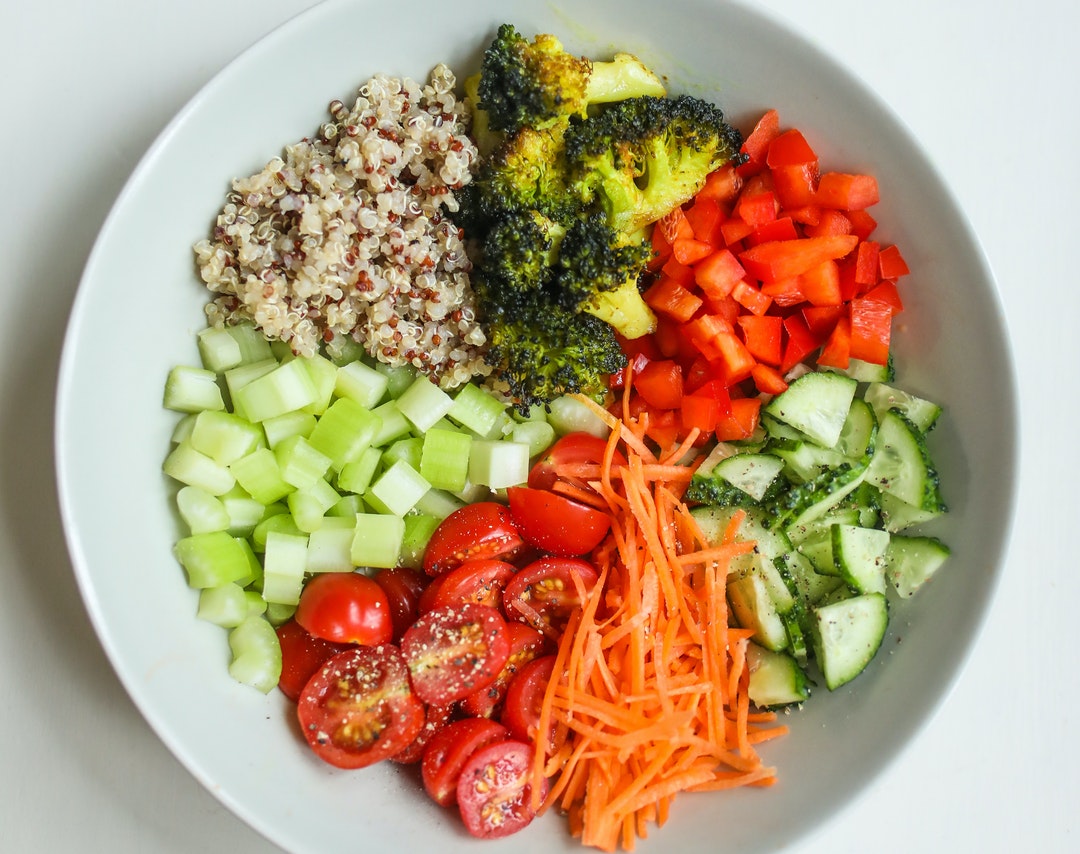
Whole foods like fruits and vegetables are the obvious go-to but preparing them can be cumbersome. Try store bought popcorn, hummus, apple sauce, or peanut butter which are convenient options that are nutritionally very similar to their homemade counterparts.  

2) Cook at home.  

Taking on clean eating means you will be spending a little more time in your kitchen. This can intimidating, especially if you are used to take-out. Pre-chopped veggies and spice blends can be helpful shortcuts. Try mastering a few simple recipes that can be whipped up in 20 minutes or less. 

 Remember, the more you practice cooking, the quicker and more convenient it will become!  

3)  Explore new flavors   

Eating more whole foods can get boring if you buy the same three vegetables every week. A balance between routine and exploration can be key for sustaining clean eating long term. Try incorporating one new vegetable or cooking method in to your routine each week. You might discover a new favorite!  

4) Be mindful of your eating  

Succeeding at a new diet means will require you to turn off auto-pilot to make more conscious food choices. Instead of viewing this break from routine as a headache, embrace the mindfulness that every new diet demands. Start by planning out a few meals each week as you make your grocery list.  

5) Better Hydration 

Sodas, flavored coffee and other sugary beverages are off limits if you’re sticking to clean eating. You’ll be looking for other ways to hydrate. Flavored water, low sugar electrolyte drinks, and seltzer are all great options if you’re used to drinking more sugary beverages. 


About Allie 

Allie is a spin-class-teaching, triathlon-winning nutritionist who loves to help others. She has a master’s degree in nutrition and has published academic research on improving food access for underserved populations.  

Allie is just one of Persona’s team of qualified nutritionists. Do you have questions about nutrition? Reach out. Our experts would love to help. 

17

Interested in learning what supplements are right for you? Take our free assessment.

START ASSESSMENT

How Antioxidants Can Support Your Workout

Finding your exercise motivation

Exercising is an essential part of staying healthy. Consistent exercise benefits have been studied for decades and is linked to healthy cardiovascular systems, improved muscle function, optimal cognitive processing, and a healthy weight. Many of us know we could use more exercise in our week, but finding our motivation isn’t as easy.


Personally, I’ve gone through many different exercise “phases” in my life. My first experience with consistent exercise as a child was forced upon me by my parents as a PE credit. I had to hike to the top of a small mountain by my house two to three times every week. I absolutely hated it. I cried, I threw fits, and questioned my parent’s sanity. I tried just about everything to make it more enjoyable including listening to music, distracting myself with mental games, and just plainly complaining until I was exhausted.


Over the years, though, I noticed that something magical was happening; whenever I finished my hike, I felt euphoric. My mood was radically changed after a workout. As a teenager, I only thought exercise was a means to obtain the model body I idolized (which never happened, by the way). I tried hours of plain cardio, then swapped to weightlifting, then tried aerobic dance, or kickboxing, then yoga… you get the idea. Now in my late twenties, I’m leaning into that post-exercise high I’ve enjoyed for so many years and my exercise habits are driven by my mental health. I simply start each morning with a brisk walk and top it off with light weights at home. Just enough to maintain my strength, and plenty to boost my mood.


No matter our exercise type, we all experience physiological stress

Whatever your reason for working out is, whether you’re training for a marathon, are a bodybuilder, a dog walker, a yogi, or just want to ease the stress of everyday life like me, there is one universal truth to exercise; the mechanics and biological processes that our bodies undergo during exercise are the same. We all have little proteins called myosin and actin that work together to contract our muscles, we all have increased blood circulation during heavy movement, and we all increase production of reactive oxygen species (ROS) during our workout.1


When our body produces reactive oxygen species, we can take on damage to proteins, lipids, and DNA.2 Reactive oxygen species include free radicals. This isn’t to drive you away from exercise; free radical production is simply part of the normal metabolic process of living. Thankfully, our amazing body also has tools to protect us from free radicals and the nutrients that we consume are part of that antioxidant defense system. Vitamins like vitamin E and C, for example, function as antioxidants to fight damage left by free radicals.


The role of nutrition and defense against free radicals

A new and interesting ingredient recently highlighted for its antioxidant-rich benefits is marine phytoplankton. Marie phytoplankton is a type of microscopic marine algae. The National Ocean Service states, “Phytoplankton, also known as microalgae, are similar to terrestrial plants in that they contain chlorophyll and require sunlight in order to live and grow. Most phytoplankton are buoyant and float in the upper part of the ocean, where sunlight penetrates the water. Phytoplankton also require inorganic nutrients such as nitrates, phosphates, and sulfur which they convert into proteins, fats, and carbohydrates.”3 Phytoplankton provide food for many types of sea creatures as the base of many food webs. You may benefit from phytoplankton too, according to new data.

One human pilot trial gave participants 25mg of Oceanix™ brand marine phytoplankton for 30 days. Participants noticed benefits in peak performance, physiological response, and body composition.4 These benefits are thought to be a result from phytoplankton’s antioxidant-rich composition. Not only is phytoplankton a good source of antioxidants, but it’s also naturally clean and easy to add to your nutrition routine. You can toss it in a smoothie, sprinkle it over a salad, or take it in a supplement form. Oceanix™ is naturally derived, non-GMO, vegan, and sustainably cultivated as well.


Aside from supplements, you can support your post-workout recovery and performance by increasing antioxidant intake in your diet.  Try adding these top USDA tested superfoods to your routine for the best post-workout recovery5:

  • Kidney beans
  • Pinto beans
  • Blueberries
  • Cranberries
  • Artichokes
  • Red delicious apples
  • Pecans
  • Russet potatoes
  • Dark leafy greens


References:

  1. Cooper GM. The Cell: A Molecular Approach. 2nd edition. Sunderland (MA): Sinauer Associates; 2000. Actin, Myosin, and Cell Movement.Available from: https://www.ncbi.nlm.nih.gov/books/NBK9961/
  2. Kawamura T, Muraoka I. Exercise-Induced Oxidative Stress and the Effects of Antioxidant Intake from a Physiological Viewpoint. Antioxidants (Basel). 2018;7(9):119. Published 2018 Sep 5. doi:10.3390/antiox7090119.
  3. What are phytoplankton? National Ocean Service. https://oceanservice.noaa.gov/facts/phyto.html. Accessed September 8, 2021.
  4. Discover Marine Phytoplankton. Lonza. https://www.capsugel.com/consumer-health-nutrition-products/meet-oceanix-the-new-wave-ingredient-for-performance-nutrition. Accessed September 8, 2021.
  5. Top 20 Foods High in Antioxidants. St. Johns Health. Accessed September 8, 2021.
0

Interested in learning what supplements are right for you? Take our free assessment.

START ASSESSMENT

2021 Back to School Wellness Guide: An In-Depth Look

Written by Our Medical Advisory Board

Keep your family healthy as your kids head back to class

After months stuck at home, kids across the country are finally heading back to class. Busy lunchrooms, classrooms, bathrooms, and busses will expose them to pathogens old and new—just as they’re taking on the stressors that come with full-time school. And if your kids get sick, the whole household is put at risk.

So, what can parents do? It turns out: A lot. Persona’s Medical Advisory Board, a team of nine leading experts from across the U.S, have put together a list of simple steps you can take to keep your loved ones well in the face of a taxing back-to-school season.


No. 1 – Sleep: the miracle cure

Sleep is like a free nightly tune-up for your child’s body and mind. Disrupting that tune-up can lead to a host of problems, from memory and behavioral issues to weight gain—and it can also impair their immune system.

To keep your child’s defenses at full power, help them get a solid night’s sleep every night. That means 9-12 hours for kids 6-12, and 8-10 hours for teens—starting at a regular time (and no, “catching up” on the weekend doesn’t work perfectly). So how do you make regular sleep happen? By practicing good sleep hygiene:

  • Set a routine: regular waking time, mealtime, study time and bedtime.
  • Get moving: Help your child get plenty of exercise—outdoors if possible.
  • Hold the phones: Turn off all screens at least 60 minutes before bedtime.
  • Lights out: Create a dim, cool, soothing sleep environment.
  • Z’s only: Make the bed a place to sleep, not to work and play.
  • Ease into it: Summer skew their schedule? Shift it back in small steps.
  • Walk the walk: Model these good habits yourself!

No. 2 – Ease their mind

Chronic stress can weaken your immune system: It thins out your infection-fighting cells, hampers the ones that remain, curbs the signaling molecules that help your body spot invaders, and even decreases the molecules that clean up after the fight.

To keep your kids healthy, watch out for signs of stress: trouble sleeping, loss of appetite, irritability, mood changes and other red flags. If you spot them, take action to ease their minds:

  • Shake a leg: Exercise lowers your kids’ stress hormones.
  • Write it down: Writing out worries can quiet a buzzing brain.
  • Go outside: Get them out in daylight to bump their feel-good dopamine.
  • Cuddle someone! Good physical contact is a stress killer.
  • Socialize: Hanging with friends helps them unwind.
  • Take three deep breaths: It may sound silly, but it works!


No. 3 – Wash those hands

Germs get into your body through your eyes, nose and mouth, so keeping kids’ hands clean is key to keeping them healthy. This means teaching (and reminding) little ones to wash their hands before meals, after going to the bathroom, after blowing their nose and when they return home from school.

Make sure you show them how to do it properly: Wet their hands and apply soap, rub their hands to together vigorously for 20 seconds (front, back and between the fingers), rinse thoroughly and dry. If a favorite song helps them reach that 20-second mark, sing along! And if a good scrub isn’t possible, encourage them to use the hand sanitizer you tucked in their backpack or coat pocket.


No. 4 – Check those shots

Over the past year and a half, public health restrictions have caused a big drop in visits to the doctor’s office, which has in turn made families fall behind on immunization. That gap leaves us all open to old-fashioned invaders like meningitis, measles, tetanus and whooping cough.

Before your kids head back to school, check with your doctor to make sure they’re caught up on their vaccines (including that annual flu shot). We may have forgotten about those old-school illnesses, but they haven’t forgotten about us.


No. 5 – Fuel up at breakfast

Your parents weren’t making it up: Breakfast really is an important meal. Fueling kids up on well-balanced food sets them up for success: better memory, better test scores, better mood, healthier body weight, better overall health—and a stronger immune system.

So what makes a healthy breakfast? A mix of three things: Whole grains to charge their batteries; protein to help them feel full (and keep their blood sugar consistent), and fruits or veggies for added nutrients and fiber. Avoid sugary treats. A few ideas:


Avoid sugary foods for breakfast, encourage a balanced breakfast instead


No. 6 – Pack a lunch that packs a punch

No single food will optimize your child’s immune system, but a nutrient rich diet will go a long way to curbing obesity, nutrient deficiencies and other health issues over the long term.

As with breakfast, your child’s lunch should include a mix of whole grains, protein, fruits and veggies. Some of the breakfast ideas listed above would do the trick, as would whole grain wraps or sandwiches that include those three key components. Steer clear of prepackaged foods (including granola bars!), since they tend to be loaded with sugar.

If you’re looking to give their immune system a bump, throw in some citrus fruit (a good source of vitamin C), green and orange veggies (beta carotene) or berries (polyphenols), all of which help maintain their body’s defenses.


No. 7 – Water, water every day

Your kids need water to stay healthy. It keeps their blood flowing and gets everything to where it needs to go. If they don’t get enough, it can impact their body’s functions—including their immune system.

For young ones, thirst isn’t always a clear indicator, so how do you know they’re getting enough? Look for the signs of dehydration: fatigue, mood swings and dark urine. If you think they’re low on fluids, tuck an extra water bottle in the lunch bag and encourage them to drink water. Avoid soft drinks, fruit juice, energy drinks and other sugary liquids; they’ll do more harm than good.


No. 8 – Stretch those legs

The connection between exercise and immune health is still being studied, but one thing is certain: kids need to move to stay healthy—and that means at least an hour of moderate to vigorous physical activity each day. How do you help them hit that mark? A few pointers:

  • Choose the right place: Take kids to the park, the beach, the YMCA or another environment that makes them want to move.
  • Screen out screens: Limit TV, computers, video games and phone time to an hour a day. Use the extra time to get outside.
  • Use your weekends: Plan an outdoor activity every weekend—hiking, basketball, volleyball, mountain biking or even a trip to the zoo.
  • Ditch your wheels: Leave the car at home whenever you can and walk together to your destination.
  • Exercise as a family: Work out at the gym with your teen; play outside with your little ones.


No. 9 – Supplement their diet 1

Persona’s immunity gummies for kids, teens & parentsYour immune system needs certain nutrients to stay strong, but it’s hard to get them all through your diet—especially if you’re low on veggies. To keep up your family’s defenses, consider enriching your diet with key supplements like vitamin C, vitamin D3, zinc, probiotics and mushroom extracts. Not sure where to start? Check out Persona’s immunity gummies for kids, teens & parents. Or better yet, talk to one of our nutritionists: It’s free!


References:

i Benton D, Maconie A, Williams C: The influence of the glycaemic load of breakfast on the behavior of
children in school. Physiology & Behavior 2007;92:717-724.

Ingwersen J, Defeyter M, Kennedy D, et al: A low glycaemic index breakfast cereal preferentially prevents children’s cognitive performance from declining throughout the morning. Appetite 2007;49:240-244.

Farshchi H, Taylor M, Macdonald I: Deleterious effects of omitting breakfast on insulin sensitivity and fasting lipid profiles in healthy lean women. American Journal of Clinical Nutrition 2005;81:388-396.

Mahoney C, Taylor H, Kanarek R, et al: Effect of breakfast composition on cognitive processes in elementary school children. Physiology & Behavior 2005;85:635-645.

Smith A, Clark R, Gallagher J: Breakfast cereal and caffeinated coffee: Effects on working memory, attention, mood, and cardiovascular function. Physiology & Behavior 1999;67:9-17.

Smith A, Bazzoni C, Beale J, et al: High fibre breakfast cereals reduce fatigue. Appetite 2001;37:249-250.

Smith K, Gall S, McNaughton S, et al: Skipping breakfast: Longitudinal associations with cardiometablic risk factors in the Childhood Determinants of Adult Health Study. American Journal of Clinical Nutrition 2010;92:1316-1325.

ii https://www.healthychildren.org/English/healthy-living/fitness/Pages/Making-Fitness-a-Way-of-
Life.aspx


1 These statements have not been evaluated by the Food and Drug Administration. This product is not
intended to diagnose, treat, cure, or prevent any disease. As with any dietary supplement, you should
advise your healthcare practitioner of the use of this product.


108

Interested in learning what supplements are right for you? Take our free assessment.

START ASSESSMENT

6 simple tricks to make healthy habits stick, according to our nutritionists

Is it just me or is it harder to build a habit the older we get? My inability to stop hitting the snooze button approximately 11 times every morning leads me to think, “Well, I guess the habits I have now are the only ones I will ever have for the rest of my life.” Our reliable friend science will tell you one portion of this thinking is correct, and the other is, well, a bit dramatic. It is in-fact harder to form new habits as an adult, but still possible!

But why is it so hard to form new habits?

New habits are harder to form as we age thanks to this little-terrifying-sounding-thing called synaptic pruning. Synaptic pruning is your brain’s way of making sure you can do things like take a shower, turn off lights, pour a glass of water, etc. without thinking twice (impressive!). Of course, getting really good at tasks you perform daily leaves less brain space for things you do less frequently- like remembering to send your friend a birthday card so it arrives before their actual birthday (it’s not me it’s my synapses!).

To summarize, we have lots of pathways in play for all our daily habits, and to solidify new habits, we need to make new pathways. This can be a lot of work for our dusty old adult brains, but luckily there are tricks we can use to make the process a little easier. Here are 6 simple habit hacks from Persona’s very own nutritionists. 

1. Allie’s tip: Practice habit stacking

Believe it or not, we can actually use synaptic pruning to our advantage when we attach new behaviors to existing ones with habit stacking. Here’s how: First, pick a new habit you’re trying to build, like taking your vitamins daily. Next, pick a behavior you already do everyday without thinking, like brushing your teeth. Now, stack em’. After you brush your teeth, take your vitamins. After you have your coffee,  meditate. After you close your laptop for the day, put on your walking shoes. You get it. Try this exercise with a new habit you have in mind. With a little self-awareness and planning, habit stacking is an easy trick to help you become more successful in your behavior change.

2. Gina’s tip: Link your new habit to an existing routine.

Working out (pre-pandemic) was a social activity for me. When the pandemic hit, it was a struggle to remain active. To get back at it, I started to associate my workouts with other aspects of my day. The second I’m done with work, it’s time for a quick caffeine boost and into my workout clothes. That means no scrolling through reels, and absolutely no Netflix. Getting into my workout gear right when I’m done with work (and before feeling the tiredness kick in) helped me to follow through and stick to my exercise goals. 

3. Hayley’s tip: Tackle your most daunting task first. You won’t regret it!

Working out in the morning helps me set my day up for success. I hop out of bed and head to the gym within 10 minutes, that way, I don’t have the time to dread the workout all day or put it off. I always lay my workout clothes out before bed and fill up my water bottle to just grab it and go in the morning. Working out in the morning helps me have a productive day.

4. Mackenzie’s tip: Look for patterns in your daily routine to help take existing habits and create new ones.

Working from a desk all day can make it hard to find time to get up and move. I really wanted to increase my daily steps, so I committed to taking walks on my lunch break to get my body moving. Now, this is a daily habit that I look forward to. It has helped increase my energy, allows me to get my daily dose of Vitamin D and gets me closer to my step goals! 

5. Claire’s tip: plan! Think of one thing you can do to make your habit easier to accomplish and do it!

Set small goals at the beginning of the week and take time on day one to put things in place for you to be successful at that goal. When I wanted to start drinking more water, I made sure to get a 64 oz jug that I could fill up every morning and keep at my desk. 

6. Karina’s tip: Set up visual cues, an aptly placed post-it note can go a long way.  

I use little written notes or post-its to remind myself to do things. When I couldn’t remember to take my vitamins, I wrote “VITAMINS” in marker on my toothbrush. It ended up being super reliable and now I take my vitamins morning and evening. 

If you’re struggling with taking your supplements, read 5 tips to make swallowing pills easier to help you out.

About Allie 

Allie is a spin-class-teaching, triathlon-winning nutritionist who loves to help others. She has a Master’s degree in nutrition and has published academic research on improving food access for underserved populations. 

Allie is just one of the many experts at Persona who are here to accelerate your wellness journey. If you have questions about nutrition or your personalized program, reach out now or book a free appointment with Allie or another of our amazing nutritionists. 

This information is not intended as a substitute for the advice provided by your physician or other healthcare professional or any information contained on or in any product label or packaging. Do not use the information from this article for diagnosing or treating a health problem or disease, or prescribing medication or other treatment. Always speak with your physician or other healthcare professional before taking any medication or nutritional, herbal or homeopathic supplement, or using any treatment for a health problem. If you have or suspect that you have a medical problem, contact your health care provider promptly. Do not disregard professional medical advice or delay in seeking professional advice because of something you have read in this article. 

51

Interested in learning what supplements are right for you? Take our free assessment.

START ASSESSMENT

6 Reasons Your Child Might Need a Daily Vitamin Program

Every single day in my busy pediatric practice, parents ask me if their child needs a daily multivitamin, or what are the best vitamins for kids.  They are appropriately concerned about their child’s health, growth, development and well-being.  They worry that their child will miss school because of illness.  Or, sustain broken bones because they participate in a lot of sports and don’t get enough vitamin D.  Or, they notice that their child is tired, not focusing well, has a limited diet or poor appetite. There are several reasons why a multivitamin program can have a positive impact on all of the above and there are six that should be top of mind to give parents some much needed peace of mind!


No. 1 – They turn their nose up to fruits and vegetables – especially the dark green leafy kind.

I’m sure parents are not surprised by this! A dislike of vegetables and/or fruits is not uncommon. We all want kids to “eat a rainbow,” meaning a colorful variety of fruits and vegetables, but some will not eat anything colorful unless it is candy. The vitamins, minerals and fiber in fruits and vegetables are necessary for maintaining overall good health. If a child won’t eat them or is a very picky eater, choosing to eat only a couple fruits and vegetables, then starting a multivitamin program for kids can be key to filling nutritional gaps.


No. 2 – They don’t spend much time outside. 

Kids and teens are often deficient in vitamin D.  They spend a lot of time indoors and when outside, they wear sunscreen (and should). The pandemic lockdown limited kids’ outdoor activities even more. What does this mean? It means that they are probably not getting enough vitamin D, which puts them at risk for skeletal disease and various metabolic, cardiovascular and autoimmune diseases.  Vitamin D is made by the skin upon exposure to sunshine, and it can be obtained through diet, like vitamin D fortified milks and orange juices. If you turn to adding vitamin D fortified orange juice to your child’s diet, an added bonus is that orange juice contains vitamin C as well, so you’ll be supporting your child’s immune system too!


The sun is the most important natural source of vitamin D, yet sun exposure is discouraged because of the potential for the development of skin cancers and premature aging.  The best way to support your child’s health is to make sure their daily multivitamin has the proper amount of Vitamin D.


No. 3 – They are repeatedly under / overweight at their yearly wellness checkup.

This is something I’ve seen more of recently due to the pandemic: kids’ weights fluctuated out of their usual range.  Some gained too much weight from not eating properly.  Many were running to the pantry every hour between virtual classes at home to grab a quick – and often processed – snack  or other junk food. Couple this with staying up too late and eating into the night, and you can easily see how the pounds can stack up.  On the other hand, some kids had poor weight gain because meal routines were off schedule or they were less active, contributing to a decrease in appetite.  Either excessive weight gain or poor weight gain indicate that the proper balance of nutrients are likely lacking in the diet. Children will snack on processed snacks in small baggies a few times a day. Vitamin C and vitamin D gummy vitamins for kids may be a good and healthy substitute to at least one of those quick snacks throughout the day.


No. 4 – They are frequently sick with upper respiratory infections.

Kids typically get at least 6-8 respiratory infections per year, especially younger kids.  Supporting the immune system is a very important step in reducing the frequency of respiratory infections. Poor diet can impair the function of the immune system, leading to an increased chance your child will become ill.  We all need a well-balanced diet with a variety of fruits and vegetables. These serve as good sources of vitamin C, vitamin D, zinc, selenium, B vitamins, and iron, just to mention a few of the vitamins and minerals known to be important in supporting immune function.


No. 5 – They have a difficult time focusing.

All parents want to support their child’s ability to focus and pay attention on a daily basis.  Good nutrition is key to a child performing at his or her best, in school and out. If children are eating processed junk foods with high sugar content instead of nutrient-dense foods, their blood sugar swings and they lack proper nutrients so their ability to function at their best is impaired. In addition, for focus, attention, memory, and mood, it is important to consume foods that contain phosphatidylserine.  This phospholipid is a component of cell membranes and aids in cell signaling.  It also acts an antioxidant helping to reduce the effects of dangerous free radicals in the body.  It is found in organ meats like chicken liver and beef liver, eggs, white beans, and soy products.  Though it is difficult to get enough of this important nutrient, a daily supplement can augment this component of your child’s diet.


No. 6 – Their bowel movements (“#2s”) are hard and infrequent.

If a child passes large, hard, infrequent stools, then it is likely their diet is lacking a healthy variety of nutrients and fiber, prebiotics, and probiotics. Constipation also affects appetite which further impairs nutritional intake.  Adding a nutrient-rich, daily multivitamin program that contains inulin, a natural soluble fiber that acts as a prebiotic, will aid in the passage of stools, relieving a myriad of constipation symptoms.


Gummy Vitamins for Kids

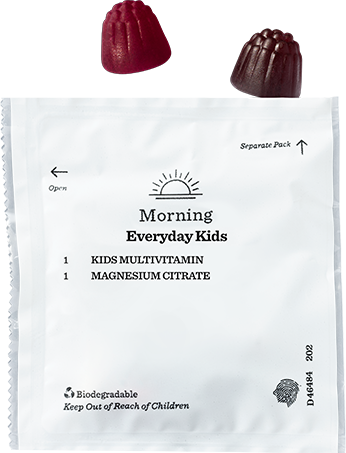
All parents want to provide proper nutrition for their kids to grow and thrive, yet this is often a challenge.  Most kids do not eat perfectly every day.  The good news is that parents can relieve a significant source of their own stress and anxiety by providing their children with a natural, scientifically backed, doctor approved daily vitamin program based on the child’s health goals.  This seamlessly fills gaps in a child’s diet, and will support a healthy immune system, while also supporting mood, focus and attention, and digestion. Sometimes children will have trouble with swallowing kids vitamins in capsules. To simplify this, companies like Persona Nutrition offer vitamin C, vitamin D, and others in the form of gummy vitamins for kids. If you have a chance, check out Persona’s Immune Support Kids daily gummy packs for a combination of three vitamins, all in one daily pack. Time to get started!

4

Interested in learning what supplements are right for you? Take our free assessment.

START ASSESSMENT

Ways to help reduce stress

Stress is an inevitable part of life. We all experience stress at some point, whether it’s due to work relationships, finances or so many other things. But that also doesn’t mean we need to go about living life feeling constantly on edge or try to just toughen it out. There are some helpful tweaks you can make to your routine to fend off stress.

Here are 7 that’s helped me.

1. Get a workout in

Moving your body is a great way to fight off those stressful feelings. Exercise helps give an outlet for the physical and emotional tension that builds up – after an intense workout sesh, your body releases endorphins, the feel-good chemicals that reduce the feelings of stress and poor mood. And it helps increase blood flow to your brain to improve mental clarity and focus. The movement you do doesn’t have to be an intense workout – even light to moderate exercises like walking, biking or yoga helps amplify endorphins.

2. Spend time with family and friends

When our stress levels increase, we tend to close ourselves off. Consider reaching out to a family member or friend when you feel down. Social connections are a great way to relieve stress because they provide a safe space to unload and unwind. When you spend time with people that care – you feel valued and supported, which helps boost confidence and a sense of belonging. Not only that, but spending time with loved ones can also help you relax and have fun. Laughing and talking and engaging in activities that you enjoy can help you feel more positive and upbeat while reducing feelings of stress. It is true that we all need an outlet, so remember to check in with your bestie when times get tough!

3. Eat a balanced, nutrient-dense diet

It is important to remember that your diet has a direct impact on all aspects of life, mental health included! By nourishing your body with a nutrient-dense diet, you’re giving your body the quality fuel it needs to better handle both physical and mental stress and feel more resilient in the face of stress. For instance, fruits and veggies help lower cortisol levels, your main stress hormone. Healthy fats reduce inflammation and proteins helps stabilize blood sugars for steady energy and mood. On the flip side, some foods can exacerbate stress levels and increase feelings of nervousness and stress. A diet high in processed foods, caffeine and alcohol can disrupt sleep patterns, raise cortisol and worsen feelings of anxiety.

Reach for nutrient-dense, functional foods such as fruits, vegetables and lean proteins to support mind and body wellness. Focusing on whole foods and limiting processed snacks will improve your body’s resilience to stress.

4. Prioritize quality sleep

Sleep is essential for managing stress because it allows your body and mind to rest and recharge. When you sleep, your body repairs damaged tissues, your brain consolidates memories and processes emotions, and your hormones reset for the next day. Without enough sleep, your body and mind can’t function properly, leading to increased stress levels.

In fact, studies have shown that sleep deprivation can increase levels of cortisol, the stress hormone, and decrease levels of serotonin, the hormone associated with happiness and well-being. This can lead to feelings of anxiety, irritability, and depression, making it even harder to manage stress.

On the other hand, getting enough sleep can help you feel more resilient and better equipped to handle stress. A good night’s sleep can improve your mood, increase your focus and productivity, and boost your immune system, all of which can help you manage stress more effectively.

So, if you’re looking to manage stress, don’t forget the importance of sleep. Aim for 7-9 hours of sleep each night, establish a consistent sleep routine, and create a comfortable sleep environment. Your body and mind will thank you, and you’ll be better prepared to take on whatever challenges come your way.

5. Limit Your Caffeine Intake

While caffeine can give you a boost in energy, it can also increase stress levels. Caffeine is a stimulant and a little amount can actually have a positive effect on stress – it increases alertness, improves focus and helps with mood so you’re better able to resolve the stressors at hand. But too much or too late in the day can also have negative impacts. Caffeine also increases heart rate and cortisol, which can make you feel more nervous, jittery and irritable, making it harder to manage stress. Not just that, but it can also disrupt your sleep at night. Limit your caffeine intake to 400 mg per day, this equates to about 4 cups of brewed coffee.

6. Keep a Journal

Journaling can be a powerful tool for managing stress. When you’re feeling overwhelmed or anxious, it can be hard to make sense of all your thoughts and emotions, but writing is a great way to release any built-up emotion. Putting pen to paper can also help with mental clarity and get perspective on your experience, allowing you to feel more in control and better able to cope with stress. You can make your journal whatever you want it to be, not for anyone else’s reading pleasure! No structure necessary, just a safe and private space to jot down your thoughts and feelings. Just pick up a pen and get those feelings out. This process is also great for self-reflection.

7. Put the phone down

We live in a world ruled by smart phones and computers. Although these devices are necessary, overuse can increase stress levels. Your phone can create a constant stream of notifications and distractions, whether it’s emails, social media alerts or news updates – the constant barrage of information can make it difficult to focus and relax. Consider dedicating time during the day to being present and put the screens away. Utilize the time to prioritize self-care, whatever that means to you! This may consist of a bubble bath, skin care, tidying up your space or listening to your favorite music.

About Briana

Briana is a Nutritionist with a degree in Nutritional Sciences from Mansfield University of Pennsylvania. She has a passion for educating others about the importance of Nutrition, and the power of a progressive relationship with diet and wellness.  

Briana is just one of the many experts at Persona who are here to accelerate your wellness journey. If you have questions about nutrition or your personalized program, reach out now or book a free appointment with Briana or another of our amazing nutritionists. 

*These statements have not been evaluated by the Food and Drug Administration. This product is not intended to diagnose, treat, cure, or prevent any disease.     

This information is not intended as a substitute for the advice provided by your physician or other healthcare professional, or any information contained on or in any product label or packaging. Do not use the information from this article for diagnosing or treating a health problem or disease, or prescribing medication or other treatment. Always speak with your physician or other healthcare professional before taking any medication or nutritional, herbal, or homeopathic supplement, or using any treatment for a health problem. If you have or suspect that you have a medical problem, contact your health care provider promptly. Do not disregard professional medical advice or delay in seeking professional advice because of something you have read in this article.       

0

Interested in learning what supplements are right for you? Take our free assessment.

START ASSESSMENT

What can a nutritionist do for me?

Picture this: you’re taking your supplement packs every morning and everything’s going great, then one day, you realize you’re feeling more stressed than usual. You feel something may be missing from your program but you’re not sure what. Or maybe you’ve been forgetting to take your night packs and worried that you’re not getting all the benefits you need. Wherever you’re at in your health journey—and no matter what questions you may have—our amazing team of nutritionists are here to help: 

1) They’re supplement savants (and better than Google!) 

Personalized vitamins are designed to complement your diet, exercise, health goals, and lifestyle (…which is awesome!). But what happens when you’ve never heard of one of the pills in your pack, or want to know about other options, or need help with a new issue—like a buzzing mind? A Google search will pull up some answers, but with all the information (and misinformation) out there, it’s hard to know what to believe. Persona’s nutritionists have accredited degrees in nutrition and know the research; they can tell science from snake oil and help guide you to a plan that’s right for you. Plus, it’s just better to talk to a real person—especially if you’re like me and tend to have at least five sorry-one-more-question’s when learning something new. And that’s okay; our nutritionists are happy to answer! 

2) They go beyond the assessment 

During an appointment, nutritionists can offer help beyond the assessment. It’s a one-on-one conversation that lets you share more detail about your needs, goals and gaps in your diet, so they can adjust your recommendations if needed. Maybe you’re loving your supplements one month but feeling they’re off the next. Or wondering if you should tweak your packs to fit a new fitness plan. Life happens, and it can be hard for an online assessment to keep up. Our nutritionists can help you fill that gap. 

3) They’re full of tips and tricks 

Sometimes you have all the pieces in place, but you still struggle to stick to a wellness routine. Maybe you hate swallowing pills or don’t like the taste or just forget to take them. Trust me, nutritionists know all about these struggles. Luckily, they have some great tricks up their sleeves to help you out. Got a question about nutrition? They have an answer!  

If you’re ready, book your free, one-on-one consult with a nutritionist. It’s included with your subscription. Take advantage!  


About Gabby   

Gabby is a nutritionist with a master’s degree in strategic communications. She loves using her nutrition-fluency with storytelling to encourage positive change. Before Persona, she worked at a mental health clinic helping clients manage stress, anxiety and other mental health issues through diet.    

This information is not intended as a substitute for the advice provided by your physician or other healthcare professional or any information contained on or in any product label or packaging. Do not use the information from this article for diagnosing or treating a health problem or disease, or prescribing medication or other treatment. Always speak with your physician or other healthcare professional before taking any medication or nutritional, herbal or homeopathic supplement, or using any treatment for a health problem. If you have or suspect that you have a medical problem, contact your health care provider promptly. Do not disregard professional medical advice or delay in seeking professional advice because of something you have read in this article.   


0

Interested in learning what supplements are right for you? Take our free assessment.

START ASSESSMENT

What Is Inulin?

By Elizabeth Somer, M.A., R.D., author of Eat Your Way to Happiness, and medical advisory board member for Persona Nutrition


You probably have heard of fiber. But have you heard of inulin? It’s worth a look, because this new kid on the nutrient block has some important health benefits.


Inulin is a group of carbohydrate-like substances found in a variety of foods, from garlic, onions, and leeks to bananas, artichokes, asparagus, and whole wheat. Chicory root is the richest source of inulin, so is the primary source for inulin in supplements and fortified foods. It has a creamy and sweet texture, so it is used in foods as a fat and/or sugar replacer and to improve texture. (1,2)


Digestive Health Benefits

The inulin story begins with gut health. Your gut environment, called the microbiome, contains a population of tens of thousands of different good and bad bacteria. The right balance is important for gut health and to protect the body from disease. The healthy bacteria are called probiotics and include lactobacillus and bifidobacteria. Inulin is what the experts call a “prebiotic,” which means it is fermented in the GI tract and supports a healthy microbiome by encouraging the growth and activity of these probiotics.* For example, inulin can help relieve constipation in everyone from kids to seniors, it may reduce GI infections and inflammation. (1-8)


Inulin Benefits

But, that’s just the tip of the nutritional iceberg. Inulin is a soluble fiber, so it slows digestion and allows carbohydrates and sugars to be released slowly into the blood stream. This helps stabilize blood sugar and maintain normal blood sugar levels. (9) In addition, inulin improves the absorption of several nutrients, including calcium and magnesium, and may be useful in increasing bone density. (7-9) Saving the best for last – being a soluble fiber, inulin helps slow digestion, increase feelings of fullness, and suppresses appetite, so is a worthwhile addition to the diet for those trying to maintain or lose weight. (10,11) Alongside Inulin we suggest looking into what is collagen.


Just don’t overdo it (think, “the key to success is balance”)! Like any fiber, inulin can cause gas and bloating, especially if you jump into a fiber-rich diet too soon. If a fiber-rich diet is new to you, then drink lots of water and start with a small dose of 2 to 3 grams of inulin a day. For easy reference, Persona’s Adult Immune Support Prebiotic gummy vitamin contains 3.6 grams of inulin per day through chicory root powder. Even if you do experience some bloating or gas, the symptoms subside with use and are most common when intake is high, such as 30 grams a day. Of course, like any supplement, if you have concerns or questions about inulin fiber, always discuss them with your doctor.


Inulin is just one ingredient in a healthful life. You’ll stack the deck in favor of living a long and healthful life if you also pack the plate with colorful fruits and vegetables, 100% whole grains, legumes, and other unprocessed foods; fill in the nutritional gaps with a personalized supplement program designed specifically for you; exercise daily; and sleep well.


*The combined effect of probiotics and prebiotics is called synbiotics.

References:

  1. Niness K: Inulin and oligofructose: What are they? J Nutr 1999;129 (7 Suppl):1402S-1406S.
  2. Shoaib M, Shehzad A, Omar M, et al: Inulin: Properties, health benefits and food applications. Carbohydr Polym 2016;147:444-454.
  3. Kolida S, Tuohy K, Givson G: Prebiotic effects of inulin and oligofructose. Br J Nutr 2002;87 (suppl 2):S193-S197.
  4. Watzl B, Girrbach S, Roller M: Inulin, oligofructose and immunomodulation. Br J Nutr 2005;93 (suppl1):S49-S55.
  5. Casellas F, Borruel N, Torrejon A, et al: Oral oligofructose-enriched inulin supplementation in acute ulcerative colitis is well tolerated and associated with lowered faecal calprotectin. Aliment Pharmacol Ther 2007;25:1061-1067.
  6. De Vrese M, Schrezenmier J: Probiotics, prebiotics, and synbiotics.  Adv Biochem Eng Biotechnol 2008;111:1-66.
  7. Costa G, Vasconcelos Q, Abreu G, et al: Changes in nutrient absorption in children and adolescents caused by fructans, especially fructooligosaccharides and inulin. Arch Pediatr 2020;27:166-169.
  8. Scholz-Ahrens K, Schrezenmier J: Inulin and oligofructose and mineral metabolism. J Nutr 2007;137 (suppl):2513S-2523S.
  9. Weaver C: Inulin, oligofructose and bone health. Br J Nutr 2005;93 (suppl 1):S99-S103.
  10. Chambers E, Viardot A, Psichas A, et al: Effects of targeted delivery of propionate to the human colon on appetite regulation, body weight maintenance and adiposity in overweight adults. Gut 2015;64:1744-1754.
  11. Guess N, Dornhorst A, Oliver N, et al: A randomized controlled trial: The effect of inulin on weight management and ectopic fat in subjects with prediabetes. Nutr Metal 2015;12:36.


2

Interested in learning what supplements are right for you? Take our free assessment.

START ASSESSMENT

How to Get the Most Out of Your Supplement Program 

When it comes to supplementation, it can be difficult to know where to start. There are countless products out there claiming to be the “best” option for you. We’re here to clear the noise and provide tactical information to get the most out of your supplement routine. At Persona, our goal is to support your unique health journey with the most effective, nutrient dense supplements on the market.


1. Bioavailability

    • Not all supplements are created equal. At Persona, we select the best vitamin bioavailability to ensure your body can utilize as much as possible. For example, vitamin D supplements can be found in two forms: vitamin D2 and vitamin D3. We use vitamin D3 – it is the preferred form since it is better absorbed by the body and found in most foods that naturally contain the vitamin.
    • It’s also important to consider common variations and conditions that can affect your body’s ability to absorb a nutrient. For example, our multivitamins use a methylated form of folic acid, called “methylfolate” to accommodate a common a gene variation that doesn’t allow you to fully utilize folic acid.
    • This is often overlooked, but timing We provide convenient packs distributed by time of day to ensure you are pairing your supplements with a meal when it matters. For example, fat-soluble vitamins are best absorbed with a meal, so we always place your multivitamin in a breakfast or dinner pack.

2. Nutrient Synergy

    • Your body’s ability to absorb nutrients from your food can be significantly influenced by what it is paired with. For example on the topic of vitamin absorption, did you know that vitamin C helps your body absorb iron? With this in mind, we formulated our iron supplement with 250 milligrams of vitamin C to ensure you get the most out of your supplement. Our team of doctors, nutritionists, RDs and pharmacists take nutrient synergy into consideration when selecting and/or formulating all our supplements.
    • We also ensure you never take any supplement combinations that inhibit or negatively affect vitamin absorption. For example, we never place iron and calcium in the same pack because calcium is known to hinder iron absorption.


3. More Than a Multi

    • Multivitamins have been popular since WWII, when they were rolled out to fight malnutrition. Today, roughly 1 in 3 Americans still take them. And while these all-in-one pills can help fill nutrition gaps, too many people misunderstand them, assuming they’ll address specific health concerns they were never intended to fix.
    • Recent innovations in tech and nutrition science have given rise to a new, powerful solution: personalized nutrition. Persona is a leader in this field. We help our customers support their nutrition beyond just a multivitamin while removing the guesswork around what is best for you. Personalized vitamin packs curated by a doctor-designed algorithm can help you address specific health needs in a way a multivitamin alone never could.


4. Consider Dose/Strength:

    • When it comes to selecting the dose/strength of your supplements, it’s important take several factors into consideration such as diet, age, activity level, medications, and sunlight exposure, to name a few. You must also be careful about exceeding upper limits, as some nutrients can be harmful in high doses.
    • At Persona, we remove the guesswork and recommend specific doses based your unique answers to our questionnaire. We also monitor upper limits closely to ensure you never receive a recommendation that could be harmful.

5. Quality Ingredients

    • At Persona, we work strategically with suppliers we trust to source the highest quality ingredients. All our formulas are backed by the latest research to ensure they meet your body’s needs efficiently. Our goal is always to offer more benefit with fewer pills.
    • For example, most Ashwagandha supplements use only the root of the Withania somifera At Persona, we use a patented, organic Ashwagandha called Sensoril®. Sensoril® is derived from both leaves and roots of the plant, delivering the highest level of bioavailability in vitamins on the market.

6. Medications & Drug-Nutrient Interactions

    • Store shelves are stocked with vitamins and supplements made for the masses, and most don’t consider the interactions that can occur between supplements and medications. Drug nutrient interactions affect efficacy and can be dangerous. To lessen the chance of interaction, Persona makes sure to eliminate all supplements that contain ingredients that might react adversely with your medications. It’s important to consider your current medications before starting a nutrition program.
    • We take this a step further and recommend additional supplements based on what your medications may be depleting you of. For example, cholesterol-lowering drugs (statins) inhibit your body’s production of CoQ10, which is essential in preserving the energy supplies of our cells. So, we recommend additional CoQ10 when statins are indicated for added support.


7. Consider Convenience:

    • Consistency is key with supplementation. It can take time to build up depleted nutrient stores in the body. So, why not set yourself up for success? At Persona, we make it easy to remember to take your supplements with daily, individual packs.


Above all else, when you are shopping for supplements, make sure you are looking for a brand that has doctors, nutritionists and other nutrition experts working behind the scenes. These are the health care professionals who are staying up to date on the latest nutrition research. Take Persona’s free online assessment to learn about your personalized recommendation before shopping for vitamins.

9

Interested in learning what supplements are right for you? Take our free assessment.

START ASSESSMENT

We use cookies to ensure that we give you the
best experience on our website. Learn more.