Posts

Surviving Thanksgiving – Nutritionist Style

Let me address the elephant in the room: it’s Thanksgiving and we are all going to eat, a lot. I enjoy my cranberry kale salad as much as the next Nutritionist, but when it comes to a special occasion, who am I fooling? Thanksgiving is more than just food, it’s spending time with family bonding over a hot meal. We all spend hours shopping and pouring our souls into a special dish to offer up to the table. We sit around laughing and toasting to a great time. We turn on the football game, take a long nap after dinner, and meet up again later for leftovers. James Beard once said, “Food is our common ground, a universal experience.” Food nourishes more than just the body, it nourishes the soul. Records of bonding over food can be found hundreds of years ago, the Bible even referring to “breaking bread” with one another to nourish relationships. During a holiday that revolves around food, it can be difficult to keep your mind focused on health. Here are a few great ways to help you strike that healthy balance.

Stay active

I know what you are thinking, but hear me out. I made a tradition of waking up on Thanksgiving for a little “me” time a few years ago, and it positively changed my relationship with Thanksgiving dinner. I’m not saying you need to run a marathon, but spending a little time to clear your thoughts before an overwhelming day is a great way to get you in the right mindset. Try scheduling a small amount of time to go on a nice walk with the dog, do some gentle yoga, or hit the gym for a quick cardio session first thing in the morning. You may even want to incorporate the family and create a new tradition. Staying active is a great way to release the “feel good” endorphins that we often look for in food. It also helps digestion and burns off those extra calories.

Eat a protein-packed breakfast

Protein is the magical, “I feel full” macronutrient. It makes us feel satisfied and takes a while to metabolize, unlike it’s slightly faster metabolizing carbohydrate counterpart. Eating a healthy breakfast that keeps you feeling full, helps to ward off the wondering hand that keeps sneaking mini marshmallows before they are melted on the sweet potatoes. You don’t have to spend the extra time preparing anything special, especially when you are going to be cooking the whole day. Just one single-serve container of Greek yogurt contains around 15 grams of protein. Mixing peaches in just a half of a cup of cottage cheese will provide you about 11 grams of protein. You can also spread some peanut or almond butter on whole wheat toast, or sprinkle a handful of chia seeds into a smoothie for an extra protein punch.

Save the best for last

It makes sense anyway! Save the best for last and focus on eating foods that will power you through the day. Seek the high protein foods first to start off with something filling (yes, you can tell the family your nutritionist told you the second serving of turkey is justified). From there, look for dishes with the freshest source of vegetables and fruits. If you know your family and friends don’t typically create these types of dishes, it’s never a bad time to start bringing a new favorite! Besides, a nice salad pairs well with just about anything. Lastly, start with small servings of the “other” dishes (you know the ones). Allow yourself time to feel full before going for seconds. As always, water is your friend!

Enjoy yourself

At the end of the day, don’t forget to enjoy yourself and certainly don’t pass up the pumpkin pie. What are the holidays without a little fun? Happy Thanksgiving!


If you are looking for the highest quality Vitamin and Mineral Supplements personalized for you, please go to www.personanutrition.com and take their on-line questionnaire providing individualized vitamin and mineral recommendations. Persona is the only Science Based supplement provider on the web today! Take advantage of their knowledge and use it to your health’s benefit!
This information is not intended as a substitute for the advice provided by your physician or other healthcare professional or any information contained on or in any product label or packaging. Do not use the information from this article for diagnosing or treating a health problem or disease, or prescribing medication or other treatment. Always speak with your physician or other healthcare professional before taking any medication or nutritional, herbal or homeopathic supplement, or using any treatment for a health problem. If you have or suspect that you have a medical problem, contact your health care provider promptly. Do not disregard professional medical advice or delay in seeking professional advice because of something you have read in this article
0

Interested in learning what supplements are right for you? Take our free assessment.

START ASSESSMENT

The Low Down on Urinary Tract Infections

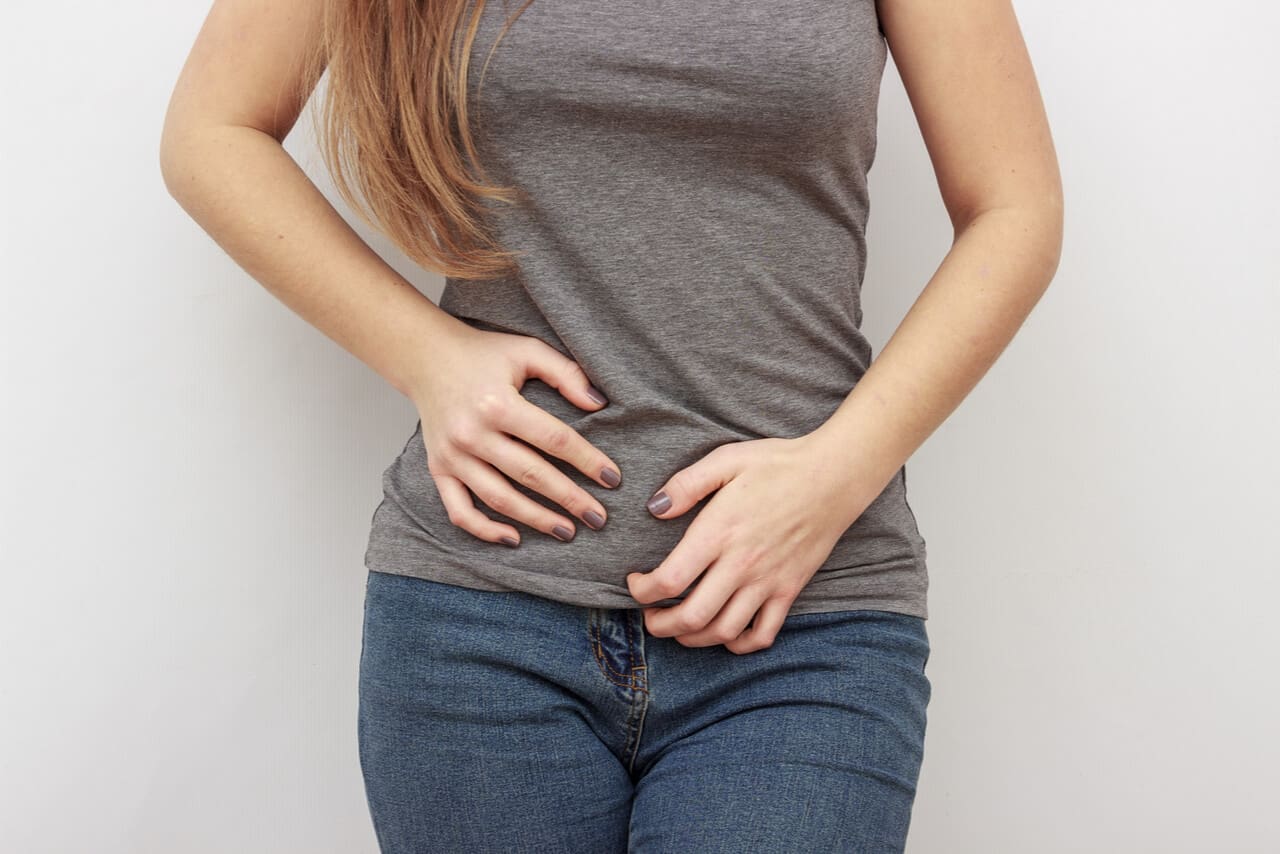
Do you ever get that urgent, burning and yearning feeling down low? I am not referring to that feeling when you fall in love or when your desire is aroused, but when bacteria decides to make a home in your urinary tract. If so, you are not alone. Urinary tract infections (UTI) are most common in women and they strike 40-60 percent of women in their lifetime. What is worse is that 1 in 4 of these women are likely to have repeat infections (1).

A bladder infection is usually caused by E Coli or Staph and it can develop in any part of your urinary tract which includes the urethra, bladder, ureters, or kidneys (2). Women are more likely to develop a bladder infection if they are sexually active, have gone through menopause, use diaphragms or spermicide, have kidney or back problems, an abnormal urinary tract, diabetes, used a catheter, or have had a past urinary infection (2).

Think you might have fallen victim to a UTI?  Common symptoms include an urgent need to urinate often without much urine passing, burning during urination, pain or pressure near the stomach, cloudy or blood-tinged urine, or a strong order. If you begin to develop symptoms more akin to pain in your lower back, fever, chills, nausea and or vomiting, then you may be battling a more serious, kidney infection (2).

Although antibiotics are the best course of action for a UTI, there are numerous ways to prevent and thwart off future attacks. These include drinking plenty of fluids, not holding your bladder for extended periods of time, urinating when you feel the urge, wiping from front to back, and peeing before and after intercourse. Trying probiotics and cranberry supplements may also help prevent reoccurring infections (3)(4).

Sources:

1.Franco AV. Recurrent urinary tract infections. Best Practice & Research Clinical Obstetrics and Gynaecology. 2005;19:861–873.

  1. Information, H., Diseases, U., Adults, B., Facts, D., Facts, D., Center, T. and Health, N. (2017). Definition & Facts | NIDDK. [online] National Institute of Diabetes and Digestive and Kidney Diseases. Available at: https://www.niddk.nih.gov/health-information/urologic-diseases/bladder-infection-uti-in-adults/definition-facts [Accessed 1 Nov. 2017].
  2. Lynch, D. (2004). Cranberry for Prevention of Urinary Tract Infections. [online] Aafp.org. Available at: http://www.aafp.org/afp/2004/1201/p2175.html [Accessed 10 Nov. 2017].
  3. Science, L. (2011). Probiotics Could Help Prevent Urinary Tract Infections. [online] Live Science. Available at: https://www.livescience.com/13747-good-bacteria-prevent-urinary-tract-infection.html [Accessed 10 Nov. 2017].
If you are looking for the highest quality Vitamin and Mineral Supplements personalized for you, please go to www.personanutrition.com and take their on-line questionnaire providing individualized vitamin and mineral recommendations. Persona is the only Science Based supplement provider on the web today! Take advantage of their knowledge and use it to your health’s benefit!
This information is not intended as a substitute for the advice provided by your physician or other healthcare professional or any information contained on or in any product label or packaging. Do not use the information from this article for diagnosing or treating a health problem or disease, or prescribing medication or other treatment. Always speak with your physician or other healthcare professional before taking any medication or nutritional, herbal or homeopathic supplement, or using any treatment for a health problem. If you have or suspect that you have a medical problem, contact your health care provider promptly. Do not disregard professional medical advice or delay in seeking professional advice because of something you have read in this article.
0

Interested in learning what supplements are right for you? Take our free assessment.

START ASSESSMENT

Warm Up Your Winter with These Five Hot Drinks from Around the World

It’s a sip around the world.

Eggnog, hot chocolate, hot cider. Hot cider, eggnog, hot chocolate. Hot chocolate, hot cider, eggnog.

(Oh—and the occasional peppermint mocha.)

If you’re already dreading the never-ending flow of the typical winter drink offering rotation, or you’re just looking to try something new, don’t fret—you’ve got the whole world in your hands. Around the world, people have discovered all kinds of libations to celebrate winter and stay warm in the cold weather, many of which are valued for being festive, nutritious, and most importantly, delicious. Here are five drinks to start off your international imbibing without having to buy another plane ticket:

Bandrek (Indonesia)

In North Sumatra of Indonesia, a hot beverage of cinnamon, ginger, and coconut palm sugar called bandrek is consumed to keep the body warm—cloves and lemongrass, and sometimes lime juice or condensed milk are added to the drink as well. There, bandrek is also considered a remedy for sore throat and colds (1). The spicy ginger in bandrek can act as an anti-inflammatory agent and a remedy for nausea (2), while polyphenol compounds found in cinnamon can help decrease risk of cardiovascular disease (3).

Champurrado (Mexico)

A rich concoction of chocolate and atole, which is a maize-based drink with cinnamon and sugar, champurrado is a thick, hearty drink dating back to the Aztecs, often served as breakfast or a warm snack. As champurrado typically uses dark chocolate, which has a higher percentage of cacao, it’s an excellent source of vitamin B6, iron, magnesium, phosphorus, and zinc. Atole, meanwhile, is generally made with white corn masa flour, thus contributing B vitamins, dietary fiber, protein and a significant source of calcium (4).  Combined, champurrado’s chief ingredients pack a nutrient-laden double-punch!

Poppy seed milk (Lithuania)

Poppy seed milk (Aguonpienis) is part of a 12-dish Lithuanian supper consumed on Christmas Eve. To make this beverage, poppy seeds are soaked and crushed into a white, milk-like liquid concentrate that is diluted with water and sweetened with some sugar or honey. Eaten at the right amounts, poppy seeds can fill you up with dietary fiber, unsaturated fats, and protein. The high amounts of zinc, calcium, iron, magnesium, manganese, phosphorus compounded with generous amounts of B vitamins (especially thiamine!) (4) This Christmas drink is worth milking out for its high nutritional value.

Sungnyung (Korea)

When you are served a rice dish in a hot stone pot in a Korean restaurant, they may offer hot roasted barley tea at the end of the meal. This is to be poured into the pot to scrape off burnt pieces of rice stuck onto the pot, the whole of which is drunken as “Sungnyung.” A warm, comforting variety of the cold tea consumed in Japan and China, sungnyung is low in calories and a good caffeine-free alternative to coffee and tea. Furthermore, barley tea has shown antimicrobial properties against bacteria found in the mouth that could form biofilms, in which bacteria stick together to form a film that is difficult to destroy (5).

Wattlecino (Australia)

A wattlecino may look like a cappuccino, but it is another caffeine-free alternative completely derived from wattle seed. Wattle seed comes from several species of Acacia native to Australia and is packed with plenty of protein, potassium, and even more fiber—one 100g serving has twice the daily value of dietary fiber! Additionally, wattle seed has a low glycemic index, which is ideal food for those with diabetes, and acts as a good source of calcium, iron, magnesium, selenium, and zinc. All forms of wattle seed have a nutty, chicory flavor when roasted, but different varieties come with unique taste profiles (6). This gives you an endless variety of “wattlecinos” to start the day with!

Besides the comfort of their warm serving temperature, especially in the winter, these five drinks have one more benefit—majority of their ingredients can easily be found at the local grocery store and made at home (Wattle seeds, however, can be somewhat expensive depending on where you buy it from). That means that just one trip to the grocery store can add a colorful variety to your winter beverage rotation—indeed, a taste of the world is one international drink flight away!


Sources

  1. Goh, M. (2014). BANDREK / INDONESIAN WARM SPICED DRINK. [online] What To Cook Today. Available at: https://whattocooktoday.com/bandrek.html [Accessed 8 Nov. 2017].
  2. Ali, B. et al. (2008). Some phytochemical, pharmacological and toxicological properties of ginger (Zingiber officinale Roscoe): A review of recent research. Food and Chemical Toxicology, 46(2), pp.409-420.
  3. Rosa, C. D. et al. (2015). Impact of Nutrients and Food Components on Dyslipidemias: What Is the Evidence?. Advances in Nutrition: An International Review Journal, 6(6), pp.703-711.
  4. US Department of Agriculture, Agricultural Research Service, Nutrient Data Laboratory. USDA National Nutrient Database for Standard Reference, Release 28. Version Current: September 2015, slightly revised May 2016.
  5. org.au. (2017). Wattleseed. [online] Available at: https://anfab.org.au/main.asp?_=Wattleseed [Accessed 4 Nov. 2017].
  6. Papetti, A. et al. (2007). Effect of Barley Coffee on the Adhesive Properties of Oral Streptococci. Journal of Agricultural and Food Chemistry, 55(2), pp.278-284.
If you are looking for the highest quality Vitamin and Mineral Supplements personalized for you, please go to www.personanutrition.com and take their on-line questionnaire providing individualized vitamin and mineral recommendations. Persona is the only Science Based supplement provider on the web today! Take advantage of their knowledge and use it to your health’s benefit!
This information is not intended as a substitute for the advice provided by your physician or other healthcare professional or any information contained on or in any product label or packaging. Do not use the information from this article for diagnosing or treating a health problem or disease, or prescribing medication or other treatment. Always speak with your physician or other healthcare professional before taking any medication or nutritional, herbal or homeopathic supplement, or using any treatment for a health problem. If you have or suspect that you have a medical problem, contact your health care provider promptly. Do not disregard professional medical advice or delay in seeking professional advice because of something you have read in this article.
0

Interested in learning what supplements are right for you? Take our free assessment.

START ASSESSMENT

Holiday Essential Oils

I love walking into the candle isle during the holidays, closing my eyes, and breathing in the holiday season all at once. Candle companies often come out with seasonal scents such as Peppermint, Gingerbread, Warm Vanilla, and my personal favorite, Christmas Tree. Unfortunately, companies often use artificial fragrances which can be toxic to the body and have even been referred to as “slow poison” (1,2,3). A study using mice and commercial colognes found that side effects of inhaling fragrances included sensory irritation, pulmonary irritation, decrease in expiratory airflow velocity, and possible indications of neurotoxicity (3). Clear the air this holiday season and try replacing artificial fragrance with essential oils.

Essential oils are made by a process called “distillation,” where oils are extracted from a plant. They can be used either topically or by inhalation for therapeutic effects (4). I used to wonder if essential oils were really worth the price until I had the opportunity to distill clove oil myself. Four hours later and hardly any product, I soon discovered why they are pricier than the average scented lotion or candle. Essential oils are potent and last a long time, so you don’t need to use much. Just a few drops in a diffusor can fill your space with an amazing aroma. To get you in the holiday spirit, pair together oils with citrus and spice scents, such as orange and clove or tangerine and cinnamon. Not sure which oils to blend to create that perfect holiday smell? We’ve got you covered with these festive combinations (5).

#1 Gingerbread

5 drops ginger
4 drops clove
2 drops nutmeg
2 drops cinnamon

#2 Cozy by the Fire

3 drops cinnamon
2 drops sweet orange
1 drop clove
1 drop nutmeg

#3 Christmas Tree

6 drops fir
3 drops spruce
1 drop orange
2 drops nutmeg

#4 Spiced Cider

5 drops ginger
4 drops orange
1 drop cinnamon

In addition to diffusing oils, you can also use them topically as a personal fragrance alternative. Before you go crazy, take it from me, applying oils straight on the skin can be dangerous. I will never forget the first time I put straight peppermint on my face before I went to bed, it was a long, cold, and painful night. Some oils are dangerous to use topically and all topical oils should be cut with a carrier oil (an oil you use to mix and dilute). Always do your research before using oils, but once you start using them you may never go back.

Sources:

1) Patel S. Fragrance compounds: The wolves in sheep’s clothing. Med Hypotheses. 2017;102:106-111.
2) Polanska A, Silny W, Czarnecka-Operacz M, Jenerowicz D. Allergic and toxic reaction caused by fragrances – a case report. Postepy Dermatologii i Alergologii. 2010; 27(6):511.
3) Anderson RC, Anderson JH. Acute toxic effects of fragrance products. Arch Environ Health. 1998;53(2):138-46.
4) Essential Oils. Aisle 7. Accessed November 7, 2017.
5) Timm A. 20 Holiday Essential Oil Diffuser Recipes That Will Fill Your Home with Cheer. Keeper of the Home. https://www.keeperofthehome.org/20-holiday-essential-oil-diffuser-recipes-will-fill-home-cheer/. Accessed November 7, 2017.


If you are looking for the highest quality Vitamin and Mineral Supplements personalized for you, please go to www.personanutrition.com and take their on-line questionnaire providing individualized vitamin and mineral recommendations. Persona is the only Science Based supplement provider on the web today! Take advantage of their knowledge and use it to your health’s benefit!
This information is not intended as a substitute for the advice provided by your physician or other healthcare professional or any information contained on or in any product label or packaging. Do not use the information from this article for diagnosing or treating a health problem or disease, or prescribing medication or other treatment. Always speak with your physician or other healthcare professional before taking any medication or nutritional, herbal or homeopathic supplement, or using any treatment for a health problem. If you have or suspect that you have a medical problem, contact your health care provider promptly. Do not disregard professional medical advice or delay in seeking professional advice because of something you have read in this article.
0

Interested in learning what supplements are right for you? Take our free assessment.

START ASSESSMENT

Three Gym Myths, Debunked

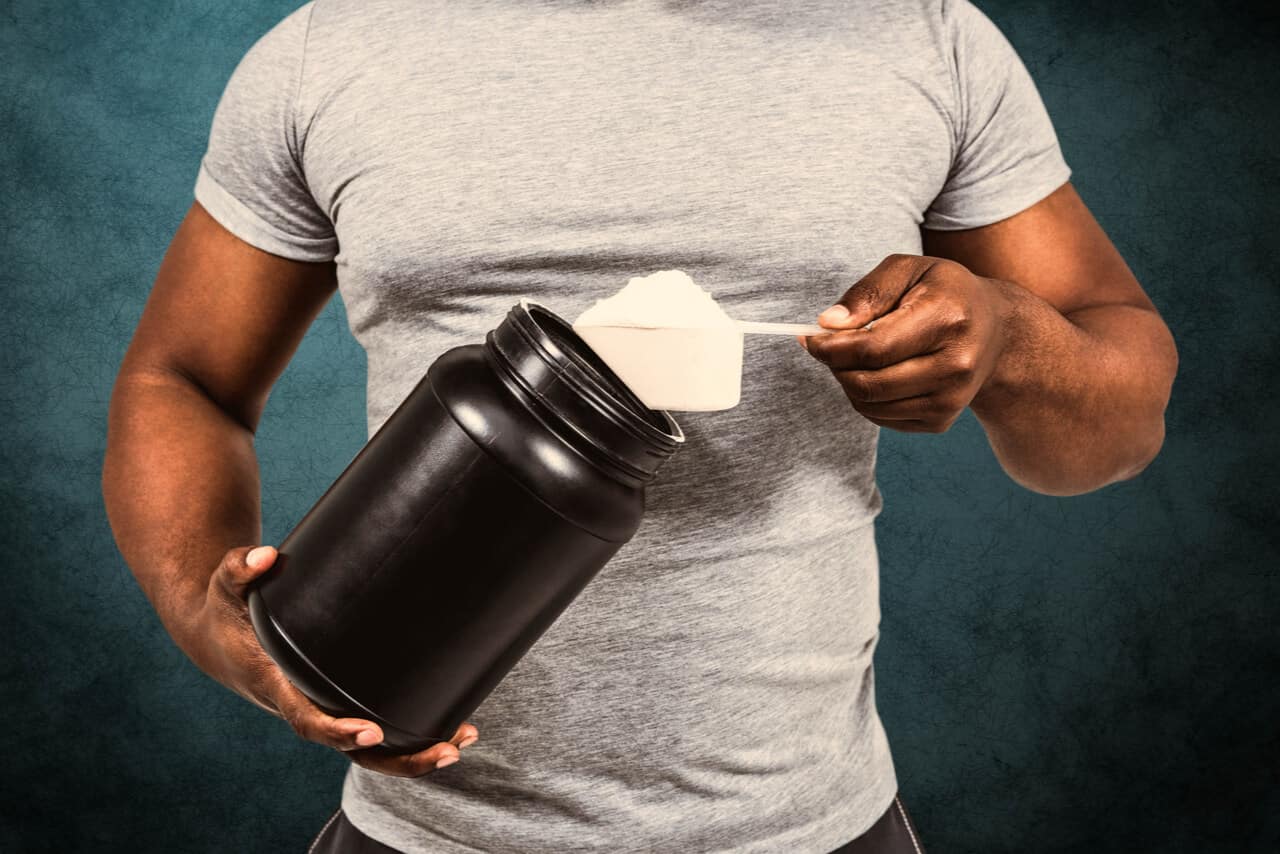
Let’s face it, the gym is an intimidating place. Take it from somebody who used to work in them. No matter which gym you attend, you will most likely find the same types of people: the quiet crowd, the chatty crowd, the cardio junkies, and the weight-lifting “grunters” (as I like to call them). The gym was especially intimating for me at first, a female hardly an inch over 5 feet tall. As I stared at myself in the mirror lifting 15-pound dumbbells next to the body builder, it became apparent how much work I had ahead of me. At some point, most gym attendees will ask themselves, “Is there anything I can supplement my diet with to enhance my results?” We spend hours in the gym, but progress certainly doesn’t come quickly. You glance at the guy next to you chugging a protein shake and start to wonder if you should do the same. Don’t worry, we have your answers with “Three Gym Myths, Debunked”.

  • Myth #1 – More protein means more muscle

The simple answer: No, you don’t need to consume high amounts of protein to see results and build muscle. Yes, you do need protein to build muscle, but you won’t necessarily benefit from additional protein intake. Unless you are a vegetarian or vegan, most athletes get plenty of protein from what they eat on an average day. There is controversy surrounding whether or not endurance and strength athletes need more protein than the average person, but even if they did, they typically don’t have trouble meeting those needs with their diet. As energy needs increase, protein intake increases as well and the need for supplementation isn’t necessary to meet recommended intakes (1).

  • Myth #2 – Pre-workout supplements will enhance your results

Recently gaining in popularity, pre-workout supplements come in a powder or pre-mixed drink form. A pre-workout supplement can claim to give you that, “added edge” in the gym. Key ingredients are meant to, “increase muscular endurance” and offer “explosive energy,” but is an extra boost of energy really beneficial? For the price and risk involved, probably not. Pre-workout is an expensive way to simply feel more powerful, but a better option may be a cup of coffee. Feeling more energized doesn’t equate to a more hard-earned strength or muscle. In addition, stimulating supplements may be dangerous, especially when your heart is already pumping.

  • Myth #3 – Cutting carbs will help you lose weight

Carbohydrates are the main source of fuel in the body. Without carbs, we would die. In fact, the Acceptable Macronutrient Distribution Range for carbohydrates is 45 to 65 percent of our total daily caloric intake (2). In other words, about half of your intake can come in the form of carbs. Mind you, this should consist of fresh fruits and vegetables, but also whole grains. Don’t fear carbohydrates, they supply your muscles with vital glycogen to power you through your workout. Without glycogen, you become fatigued and unable to properly source your muscles with the fuel they need. If you know anybody on a low carb diet, they may complain of feeling tired and unable to get through a workout. That is why you should include a healthy amount of carbohydrates in your diet, especially after a good resistance exercise to re-fuel those depleted glycogen stores.

There is no magic pill or extreme diet that will help you healthily lose weight or gain muscle. Instead, focus on small modifications one day at a time and consistent, challenging exercise. Physical activity is a great way to burn excess calories, build muscle, and relieve stress. Don’t skip out!


Sources:

  1. Jeukendrup AE, Gleeson M. Sport Nutrition, An Introduction to Energy Production and Performance. Human Kinetics Publishers; 2009.
  2. Dietary Guidelines for Americans 2005. Office of Disease Prevention and Health Promotion. https://health.gov/dietaryguidelines/dga2005/document/html/chapter7.htm. Updated July 9, 2008. Accessed November 9, 2017.
If you are looking for the highest quality Vitamin and Mineral Supplements personalized for you, please go to www.personanutrition.com and take their on-line questionnaire providing individualized vitamin and mineral recommendations. Persona is the only Science Based supplement provider on the web today! Take advantage of their knowledge and use it to your health’s benefit!
This information is not intended as a substitute for the advice provided by your physician or other healthcare professional or any information contained on or in any product label or packaging. Do not use the information from this article for diagnosing or treating a health problem or disease, or prescribing medication or other treatment. Always speak with your physician or other healthcare professional before taking any medication or nutritional, herbal or homeopathic supplement, or using any treatment for a health problem. If you have or suspect that you have a medical problem, contact your health care provider promptly. Do not disregard professional medical advice or delay in seeking professional advice because of something you have read in this article.
0

Interested in learning what supplements are right for you? Take our free assessment.

START ASSESSMENT

Don’t Let the Holidays Get You Down

It’s okay, I’ll say what you are thinking, “The holidays aren’t always smooth sailing.” It’s a time of cheer and laughter…until the beloved in-laws show up early or the pie doesn’t bake all the way through. Surviving the holidays takes planning, stamina, and financial sacrifice. During this busy time of year, we could all use a little extra love. Here are our “Top 3 Tricks to Reduce Stress During the Holidays:”

#1 Don’t Set Expectations

Be realistic about what you expect from yourself and others. A study from the University College of London indicates that setting low expectations may be the key to happiness. Neuroscientist Robb Rutledge stated, “Happiness depends not on how well things are going but whether things are going better or worse than expected.” (1) Don’t get caught up in perfection. If your plans don’t go the way you thought they would, take a deep breath and focus on the truly important things, like family. Be open to the idea that anything can happen and when something goes well, celebrate the win.

#2 Watch your Sugar Intake

Studies have shown that high sugar intake can affect individuals who are at risk for depression and anxiety. (2) Blood sugar highs and lows can negatively impact mood, learning, and memory. In addition, sugar also increases inflammation. Keeping a clear mind can help you feel your best during times of stress. When you are surrounded by holiday treats it is especially difficult to avoid sweet foods. You can set yourself up for success by starting your day with a high protein breakfast and include satiating fats in your meals. Try an egg on whole wheat toast, paired with an avocado. You can also support your body with a Chromium Picolinate supplement. Chromium is an essential mineral that aids glucose and carbohydrate metabolism. Chromium absorption in the body can be reduced by up to 35% for individuals with diets high in refined sugar. (3)

#3 Don’t Sacrifice Sleep

Sleep is the time that your body can recover from day-to-day activities. A University of Pennsylvania study found that when limited to 4 ½ hours of sleep, subjects felt more stressed, angry, sad, and exhausted. (4) Mood and sleep have a two-way relationship: sleep can affect mood and mood can affect sleep. When you feel anxious and stressed the quality of your sleep can change. Focus on creating a sleep schedule and stick to it. When your bed time gets close, prepare your body by finding ways to relax. Take a warm bath, turn down the lights, or slip into your pajamas a little early. Consider turning off electronics: the American Sleep Association warns that light coming from electronic devices disrupts circadian rhythm and melatonin production. (5)
Above all, the holidays are a time to gather with friends and family. Focus on the positives and don’t let the small things get in the way of celebrating. Have fun, let loose, and be merry!

Sources:

1) Sherman, J. The Secret to Happiness and Compassion: Low Expectations. Psychology Today. Published August 27, 2017. Accessed October 31, 2017.
2) Sack, D. 4 Ways Sugar Could Be Harming Your Mental Health. Psychology Today. Published September 2, 2017. Accessed October 31, 2017.
3) Chromium Picolinate. Vitamin Packs. Accessed October 31, 2017.
4) Sleep and Mood. Harvard Medical School: Division of Sleep Medicine. Reviewed December 15, 2008. Accessed October 31, 2017.
5) Sleep and Electronics. American Sleep Association. Published October 2, 2016. Accessed October 31, 2017.

4

Interested in learning what supplements are right for you? Take our free assessment.

START ASSESSMENT

Can You Burn Off Fat By Freezing Up?

Frost bites. But it also burns fat.  

This year in 2017, researchers from the University of Alaska-Fairbanks and the Center for Space Medicine and Extreme Environments followed eight competitors participating in the Yukon Arctic Ultra, “the longest and coldest ultraendurance event in the world.”

Of the four participants who were able to complete at least 300 miles of the 430-mile race, it was determined that on average they had lost three pounds overall and one pound of body fat. These competitors also saw a significant increase in irisin, the “exercise hormone,” that was not observed in studies done on irisin levels in other strength training exercise studies . (1)

This is an impressive result, but it also describes a very extreme situation that the large majority of us would not come across on a day-to-day basis. Despite this, these researchers’ studies illustrate an interesting relationship between weight loss and cold exposure that’s worth… defrosting, shall we say?

Breaking the Ice on CIT

In the cold, the body produces heat through “cold-induced thermogenesis (CIT),” which mostly describes two processes. One process, shivering, comprises the aptly-named “shivering thermogenesis” and can burn up to 100 calories every 15 minutes… that is, if you are constantly that cold and consistently shivering the whole time. (2) So, while it may seem appealing at first to replace your exercise routine with one hour of constant shivering, bear in mind that it will likely be a very unpleasant experience compared to a workout of only side planks and burpees. Only. 

With that said, the action of shivering itself isn’t what researchers are looking for when it comes to fat burn; it’s the fat that acts once we start to shudder.

But First: There’s More than One Kind of Fat. Can I get a WAT, WAT?

There are many flavors of fatty tissue, but for this article we’re going to focus on white adipose tissue (WAT) and brown adipose tissue (BAT). These two types of adipose tissue compose of the fat “organ.” After all, your body fat can be viewed as one large, ever-changing endocrine organ that travels throughout your whole body and deals with appetite control, inflammation, and insulin levels, to name a few.

Humans mostly have white adipose tissue, which have larger adipose cells supplying fatty acids to other types of cells. White adipose tissue also insulates the body, buffers for “lipid energy balance,” and serves as a cuddly, cushion-y organ protector. Brown adipose tissue, its smaller, well-vascularized cousin, is not as common as white adipose tissue, but it is packed with energy-churning mitochondria and has more blood vessels traveling through it. (2)

Nice Things Come in Brown Adipose Heat Packages

Aside from being less ubiquitous, brown adipose tissue also doesn’t collect around the abdomen like white adipose tissue, which often puts one at risk to various conditions such as diabetes and cardiovascular disease. In fact, brown adipose tissue in fact appears to protect against diabetes, with leaner people having higher proportions of brown adipose tissue. And when it comes to burning calories in the cold, scientists have been looking to brown adipose tissue for it uncanny ability to cannibalize other fat cells.

Brown adipose tissue can perform the other process of “cold-induced thermogenesis: “nonshivering thermogenesis.” This means that brown adipose tissue can generate heat without causing us to shiver (although if we’re cold, we’re probably already shivering to begin with.) (3) In order to perform nonshivering thermogenesis, brown adipose tissue takes none other than more adipose to use as energy, resulting in a net loss of body fat, albeit a relatively small amount.

In young to middle-aged humans, the energy expenditure spent on nonshivering thermogenesis ranges from a few percent to 30%, and it has been demonstrated that brown adipose tissue’s impact doesn’t change with changes in diet. (5) This makes brown adipose tissue an ideal weapon against obesity that researchers have been tackling in the fight against obesity and other metabolic diseases.

WA(i)T, There’s More!

It has been recently discovered that brown adipose tissue may not be the only fat tissue with  thermoregulating capabilities. White adipose cells, too, might be able to access the magical pathway of cold-induced calorie burning powers by “browning” into a brown adipose cell, a process encouraged by the hormone irisin. Released through exercise and shivering, irisin has also been shown to inhibit fatty tissue formation. (6)

Furthermore, recent studies show white adipose human cells and beige cells, or white adipose cells with some brown adipose cells mixed in, can directly respond to cold with the protein that activates brown adipose tissue’s heat generating capabilities. (7) Although this hasn’t been tested in a clinical setting, this observation could also prove useful in finding new ways to activate cold-induced fat burn, especially in nonshivering thermogenesis. 

Ice-Capping It Off

It must be reiterated that shivering or standing in the cold for long periods of time, heaven forbid a 430-mile Arctic trek, would not be the most efficient nor enjoyable alternative to proper diet and exercise. Yet, there’s got to be some use for cold-exposure when it comes to burning off fat and calories, even if it’s just one extra marshmallow in your hot chocolate. In his paper on cold exposure and energy expenditure, for instance, W.D. Lichtenbelt suggests adding cold exposure training to our regime in addition to physical activity and nutrition (5). And with winter fast approaching, there is no better time to do so. Step away from that fireplace for a few moments and put on your winter coat– instead of burning wood, you’ll be burning calories outside!

Source(s)

  1. Coker, et al. “Metabolic Responses to the Yukon Arctic Ultra: Longest and Coldest in the World.” Medicine and science in sports and exercise 49.2 (2017): 357–362. PMC. Web. 26 Oct. 2017.
  2. Lee P, Linderman JD, Smith S, et al. Irisin and FGF21 are cold-induced endocrine activators of brown fat functions in humans. Cell Metabolism. 2014.
  3. Coelho, Marisa, Teresa Oliveira, and Ruben Fernandes. “Biochemistry of Adipose Tissue: An Endocrine Organ.” Archives of Medical Science : AMS 9.2 (2013): 191–200. PMC. Web. 26 Oct. 2017.
  4. Townsend, Kristy L., and Yu-Hua Tseng. “Brown Fat Fuel Utilization and Thermogenesis.” Trends in endocrinology and metabolism: TEM 25.4 (2014): 168–177. PMC. Web. 27 Oct. 2017.
  5. Lichtenbelt, et al. “Cold Exposure – an Approach to Increasing Energy Expenditure in Humans.” Trends in Endocrinology &Amp; Metabolism, vol. 25, no. 4, 2014, pp. 165–167.
  6. Zhang, et al. (2016). Irisin exerts dual effects on browning and adipogenesis of human white adipocytes. American Journal of Physiology – Endocrinology And Metabolism, 311(2), pp.E530-E541.
  7. Ye, et al. (2013). Fat cells directly sense temperature to activate thermogenesis. Proceedings of the National Academy of Sciences, 110(30), pp.12480-12485.
If you are looking for the highest quality Vitamin and Mineral Supplements personalized for you, please go to www.personanutrition.com and take their on-line questionnaire providing individualized vitamin and mineral recommendations. Persona is the only Science Based supplement provider on the web today! Take advantage of their knowledge and use it to your health’s benefit!
This information is not intended as a substitute for the advice provided by your physician or other healthcare professional or any information contained on or in any product label or packaging. Do not use the information from this article for diagnosing or treating a health problem or disease, or prescribing medication or other treatment. Always speak with your physician or other healthcare professional before taking any medication or nutritional, herbal or homeopathic supplement, or using any treatment for a health problem. If you have or suspect that you have a medical problem, contact your health care provider promptly. Do not disregard professional medical advice or delay in seeking professional advice because of something you have read in this article.
0

Interested in learning what supplements are right for you? Take our free assessment.

START ASSESSMENT

Top 4 Herbs to Help With Stress

Ugh. Stress. You know the feeling: you spill your coveted cup of coffee just as you get to work, your sales pitch doesn’t go the way you planned, and the traffic home couldn’t be worse. We all experience stress from time to time, it’s a not-so-fun part of life. Or maybe it’s more than that, you recently lost a loved one or got laid off. Stress comes in many forms and can express itself in different ways. Often times we experience fatigue, moodiness, anxiety, or even find it hard to digest food properly. Stress can wreak physical havoc on our bodies. Stress tightens the muscles, increases heart rate, releases hormones that raise blood pressure, and contributes to inflammation. While we can’t control external factors that contribute to stress, we can do our best to help our body fight back. Here are the top 4 herbs to help you out:

Rhodiola – Rhodiola has been shown to improve mood and reduce anxiety. In addition, Rhodiola improves mental function and reduces fatigue. It has even been shown to increase endurance during exercise, something that sets the herb apart from commonly used anti-anxiety medications that often have sedative side effects.

Ashwagandha – This herb, which is part of the pepper family, stimulates the immune system to work against stress to promote both physical and psychological well-being. Another reason to choose Ashwagandha over a pharmaceutical mood booster; no well-known side effects.

Ginseng – Because Asian Ginseng is an adaptogenic herb, it may aid the body in regulating stress hormones. It is also believed to benefit the immune system, which stress can deplete. Another benefit of Ginseng is that it boosts the libido, naturally providing more energy and well-being.

Turmeric – Aside from tasting great, turmeric has been shown to improve depression. Packing a double punch; it also a relieves indigestion, beneficial for those who have stress-related stomach problems.

In addition to these great herbal remedies, there are numerous other ways to combat stress. First and foremost, exercise is a great way to release “feel good” endorphins. Aim for about 30 minutes of exercise a day, even getting outside and walking around the block can do wonders to clear the mind. Another great way to reduce stress is deep breathing exercises: Inhale deeply for 8 seconds, exhale for 8 seconds, and repeat for 5 minutes. Try playing some relaxing music and envision yourself somewhere you enjoy being. Don’t let stress take a toll on your body, be proactive and treat yourself to some “you” time. You deserve it!


If you are looking for the highest quality Vitamin and Mineral Supplements personalized for you, please go to www.personanutrition.com and take their on-line questionnaire providing individualized vitamin and mineral recommendations. Persona is the only Science Based supplement provider on the web today! Take advantage of their knowledge and use it to your health’s benefit!
This information is not intended as a substitute for the advice provided by your physician or other healthcare professional or any information contained on or in any product label or packaging. Do not use the information from this article for diagnosing or treating a health problem or disease, or prescribing medication or other treatment. Always speak with your physician or other healthcare professional before taking any medication or nutritional, herbal or homeopathic supplement, or using any treatment for a health problem. If you have or suspect that you have a medical problem, contact your health care provider promptly. Do not disregard professional medical advice or delay in seeking professional advice because of something you have read in this article.
0

Interested in learning what supplements are right for you? Take our free assessment.

START ASSESSMENT

5 Benefits of Eating Fish

How much fish have you reeled into your diet lately?

The fish in the sea everyone’s been telling you about is no cliché—metaphorically and literally, there are in fact plenty of fish to go around the world. But out of all fishy specimen both edible and delectable, how much are we eating– or even supposed to eat?

Well, as it turns out, the American Heart Association recommends two 3.5-ounce servings of fish a week, (1) while the ODPHP (Office of Disease Prevention and Health Promotion) recommends two 4-ounce servings—that’s a total of 23-26 pounds of fish a year! And how do we measure up to that?

Not too well, actually. A 2015 survey conducted by the NOAA (National Oceanic and Atmospheric Association) shows that Americans are only eating an average of 15.5 pounds of fish annually, which amounts to about one 5-ounce serving a week, or about half the recommended consumption. (3) This means that many of us are missing out on the vast array of health benefits of eating fish, especially when there’s so much more to fish than just another source of daily protein. And just to prove it, we’ve compiled five more reasons why you should add that second helping of salmon to your plate:

  1. Omega-3s for a Healthy Heart

You’ve probably heard that fish is high in Omega-3s… and that Omegas-3s help lower the risk of cardiovascular disease.  but what is it exactly that Omega-3s do to keep your heart happy? According to the American Heart Association, the Omega-3 fatty acids DHA and EPA found in fish may decrease risk of irregular heartbeats (arrhythmia) and lower triglyceride levels and blood pressure. These fatty acids may also slow down the growth rate of the plaque build-up in your arteries that occur in atherosclerosis. (1)

  1. A Better Brain

In addition to helping out your heart, the high amounts of omega-3 fatty acids in fish are also instrumental in maintaining a healthy human brain. DHA is a vital component of the human brain, while increased intake of DHA and EPA both help with cognitive decline. (4) Fish oil has also been linked to easing symptoms of ADHD, (5) while an increased consumption of fish may be associated with improved cognitive performance. (6)

  1. Relief for Arthritis

Recent studies have shown that omega-3 fatty acids may play yet another role in relieving symptoms of rheumatoid arthritis. A 2017 double-blind trial observed that consuming omega-3 fatty acids have a significant effect on reducing the number of painful joints in rheumatoid arthritis sufferers as well as pain severity, overall reducing the degree of inflammation caused by rheumatoid arthritis. (7)

  1. Improve Cholesterol Levels

With all that said, omega-3 is not the only thing you can gain from eating fish. Fish is also an excellent source of dietary cholesterol, which your body needs to produce important hormones such as aldosterone and cortisol, which help maintain blood pressure, stress, and energy consumption.

  1. Metabolism, Metabolism, Metabolism

Finally, fish provides countless minerals and vitamins essential to body functions, including zinc, iron, selenium, vitamins B12 and D, and especially iodine. (2) Iodine is used by the thyroid to make thyroid hormones, which affect every cell in the body and are central to our metabolism, from blood pressure and bone growth to body temperature and resting metabolic rate. This in turn may help with obesity and maintaining a healthy level of body fat.

All in all, the wealth of nutrients found in fish makes it a worthy addition to our diet, but don’t go overboard! If you stick to the recommended intake of fish (3.5 to 4 ounces twice a week), you can make the most of all that fish can offer for you.  Head to the seafood section in your supermarket, and grab that extra pack of salmon, trout, or tilapia today!

Source(s)

(1) American Heart Association. (2017). Fish and Omega-3 Fatty Acids. [online] Available at: http://www.heart.org/HEARTORG/HealthyLiving/HealthyEating/HealthyDietGoals/Fish-and-Omega-3-Fatty-Acids_UCM_303248_Article.jsp#.WdVvfGhSyUk.

(2) Office of Disease Prevention and Health Promotion. (2017). 2015-2020 Dietary Guidelines. [online] Available at: https://health.gov/dietaryguidelines/2015/guidelines/.

(3) NOAA Office of Science and Technology. (2017). Fisheries of the United States, 2015. [online] Available at: http://www.st.nmfs.noaa.gov/Assets/commercial/fus/fus15/documents/FUS2015.pdf.

(4) Bradbury, J. (2011). Docosahexaenoic Acid (DHA): An Ancient Nutrient for the Modern Human Brain. Nutrients, [online] 3(12), pp.529-554.

(5) Bloch, M. and Qawasmi, A. (2011). Omega-3 Fatty Acid Supplementation for the Treatment of Children With Attention-Deficit/Hyperactivity Disorder Symptomatology: Systematic Review and Meta-Analysis. Journal of the American Academy of Child & Adolescent Psychiatry, 50(10), pp.991-1000.

(6)de Groot RHM, Ouwehand C, Jolles J. Eating the right amount of fish: Inverted U-shape association between fish consumption and cognitive performance and academic achievement in Dutch adolescents. Prostaglandins Leukot Essent Fat Acids. 2012;86:113–7.

(7) Veselinovic, M., Vasiljevic, D., Vucic, V., Arsic, A., Petrovic, S., Tomic-Lucic, A., Savic, M., Zivanovic, S., Stojic, V. and Jakovljevic, V. (2017). Clinical Benefits of n-3 PUFA and ɤ-Linolenic Acid in Patients with Rheumatoid Arthritis. Nutrients, [online] 9(4), p.325. Available at: http://www.mdpi.com/2072-6643/9/4/325/htm.

If you are looking for the highest quality Vitamin and Mineral Supplements personalized for you, please go to www.personanutrition.com and take their on-line questionnaire providing individualized vitamin and mineral recommendations. Persona is the only Science Based supplement provider on the web today! Take advantage of their knowledge and use it to your health’s benefit!
This information is not intended as a substitute for the advice provided by your physician or other healthcare professional or any information contained on or in any product label or packaging. Do not use the information from this article for diagnosing or treating a health problem or disease, or prescribing medication or other treatment. Always speak with your physician or other healthcare professional before taking any medication or nutritional, herbal or homeopathic supplement, or using any treatment for a health problem. If you have or suspect that you have a medical problem, contact your health care provider promptly. Do not disregard professional medical advice or delay in seeking professional advice because of something you have read in this article.
1

Interested in learning what supplements are right for you? Take our free assessment.

START ASSESSMENT

The Five Parts of Pumpkin Spice, Demystified

It’s a latte more than seasonal spice.

Okay, be honest. How many pumpkin spice lattes have you had so far this season? (It’s alright if you said every day. We understand.)

Next time before you sip that PSL, however, ask yourself: What’s in this pumpkin spice stuff, anyway?

As it turns out, pumpkin spice is usually a blend of allspice, cloves, cinnamon, ginger, and nutmeg, spices that are not only soothingly aromatic but have a history of serving as medicinal plants in traditional medicines.

For this reason, these spices have been deeply researched for their health benefits and nutritional value, demonstrating a wide range of uses from pain relief to metabolic function to bacteria-killing capabilities. So, let’s break down fall’s iconic spice mix into its five components and find out what each one can do:

(A quick disclaimer: A little spice is nice, but too much of it can be harmful–and in overdose, toxic–to your body. Make sure to stay within the daily recommended dosage when using these spices.)

  1. Allspice

Allspice has significant amounts of eugenol, which is commonly used for tooth pain and muscle pain relief and is also found in cloves and cinnamon (but we’ll get to those later). (1) In addition to eugenol, allspice contains triterpene acids, which have recently demonstrated their own potential for health benefits. A study published in July 2017 reports that such triterpene acids extracted from allspice and cloves may show promise as a treatment for metabolic diseases such as obesity and Type II diabetes (2).

  1. Cloves

Another traditional treatment for toothache, cloves contain the same eugenol found in allspice, but clove oil has also demonstrated antimicrobial properties against many strains of bacteria, especially those that can cause food poisoning (3). This confirms many years of clove’s use as a minor food preservative. Moreover, cloves are high in manganese, which are important to bone health, brain function, and the body’s ability to process toxic free radicals through antioxidants.

  1. Cinnamon

A sweetly-scented bundle of dietary fiber and nutrients, cinnamon is rich with iron, vitamin K, and calcium, and a decent amount of vitamins E and B6, magnesium, and zinc (5). The high concentrations of cinnamaldehyde in cinnamon can potentially maintain blood glucose levels, making it a possible supplementary treatment for diabetes (6). Along with ginger, cinnamon flavored candies are also used to promote salivation, which is important for maintaining oral and dental health and relieving dry mouth (7).

  1. Ginger

As a moderate source of magnesium, manganese, and vitamin B6 ginger is extremely helpful in combating digestion issues, gastric ulcers from anti-inflammatory drugs, and nausea (5). Recently, ginger was the center of a 2016 randomized, double-blind, placebo-controlled clinical trial on eighty obese women, which showed that consuming a small dose of ginger powder (2g) appeared to have a slightly beneficial effect on BMI and fat mass (8).

  1. Nutmeg

Last but not least, just a little bit (emphasis on a little bit) of nutmeg can go a long way. Nutmeg contains a compound known as macelignan, which has been shown in studies to have anti-inflammatory and anti-bacterial properties. Furthermore, the macelignan in nutmeg may be helpful for maintaining cognitive function and neural pathways along with myristicin, which is also found in nutmeg (9). Nutmeg displays antibacterial activity which makes it helpful in warding off bad breath, and may even assist in liver and kidney function (10).

Whether you’re looking to manage your metabolism, keep your food safe, or trying to maintain a healthy brain, pumpkin spice has something for you. Make sure you consume the recommended amount of pumpkin spice, and pumpkin spice up your life!

Sources:

  1. Monteiro, O., Souza, A., Soledade, L., Queiroz, N., Souza, A., Mouchrek Filho, V. and Vasconcelos, A. (2011). Chemical evaluation and thermal analysis of the essential oil from the fruits of the vegetable species Pimenta dioica Lindl. Journal of Thermal Analysis and Calorimetry, 106(2), pp.595-600.
  2. Ladurner, Angela et al. (2017). “Allspice and Clove As Source of Triterpene Acids Activating the G Protein-Coupled Bile Acid Receptor TGR5.” Frontiers in Pharmacology 8: 468. PMC. Web. 13 Oct. 2017.
  3. Mostafa, A., et al. (2017). Antimicrobial activity of some plant extracts against bacterial strains causing food poisoning diseases. Saudi Journal of Biological Sciences
  4. Sultana S., Ripa F. A., Hamid K. (2010). Comparative antioxidant activity study of some commonly used spices in Bangladesh.  J. Biol. Sci. 13, 340–343. 10.3923/pjbs.2010.340.343 [PubMed]
  5. US Department of Agriculture, Agricultural Research Service, Nutrient Data Laboratory. USDA National Nutrient Database for Standard Reference, Release 28. Version Current: September 2015, slightly revised May 2016.
  6. Zhu, Ruyuan et al. (2017). Cinnamaldehyde in diabetes: A review of pharmacology, pharmacokinetics and safety. Pharmacological Research, 122, pp.78-89.
  7. Haniadka, Raghavendra, et al. “A review of the gastroprotective effects of ginger (Zingiber officinale Roscoe).” Food & Function 6 (2013): 845-855.
  8. Ebrahimzadeh Attari, Vahideh, et al. “Changes of Serum Adipocytokines and Body Weight Following Zingiber Officinale Supplementation in Obese Women: A RCT.” European Journal of Nutrition, vol. 55, no. 6, Sept. 2016, pp. 2129-2136. EBSCOhost, doi:10.1007/s00394-015-1027-6.
  9. Paul, S., Hwang, J., Kim, H., Jeon, W., Chung, C. and Han, J. (2013). Multiple biological properties of macelignan and its pharmacological implications. Archives of Pharmacal Research, 36(3), pp.264-272.
  10. Ibrahim, Kadhim M., Rana K. Naem, and Amaal S. Abd-Sahib. “Antibacterial activity of nutmeg (Myristica fragrans) seed extracts against some pathogenic bacteria.” Journal of Al-Nahrain University16 (2013): 188-92.
If you are looking for the highest quality Vitamin and Mineral Supplements personalized for you, please go to www.personanutrition.com and take their on-line questionnaire providing individualized vitamin and mineral recommendations. Persona is the only Science Based supplement provider on the web today! Take advantage of their knowledge and use it to your health’s benefit!
This information is not intended as a substitute for the advice provided by your physician or other healthcare professional or any information contained on or in any product label or packaging. Do not use the information from this article for diagnosing or treating a health problem or disease, or prescribing medication or other treatment. Always speak with your physician or other healthcare professional before taking any medication or nutritional, herbal or homeopathic supplement, or using any treatment for a health problem. If you have or suspect that you have a medical problem, contact your health care provider promptly. Do not disregard professional medical advice or delay in seeking professional advice because of something you have read in this article.
0

Interested in learning what supplements are right for you? Take our free assessment.

START ASSESSMENT

We use cookies to ensure that we give you the
best experience on our website. Learn more.